4000 Islands Laos (Si Phan Don): The Indian Backpacker’s Guide (2026)
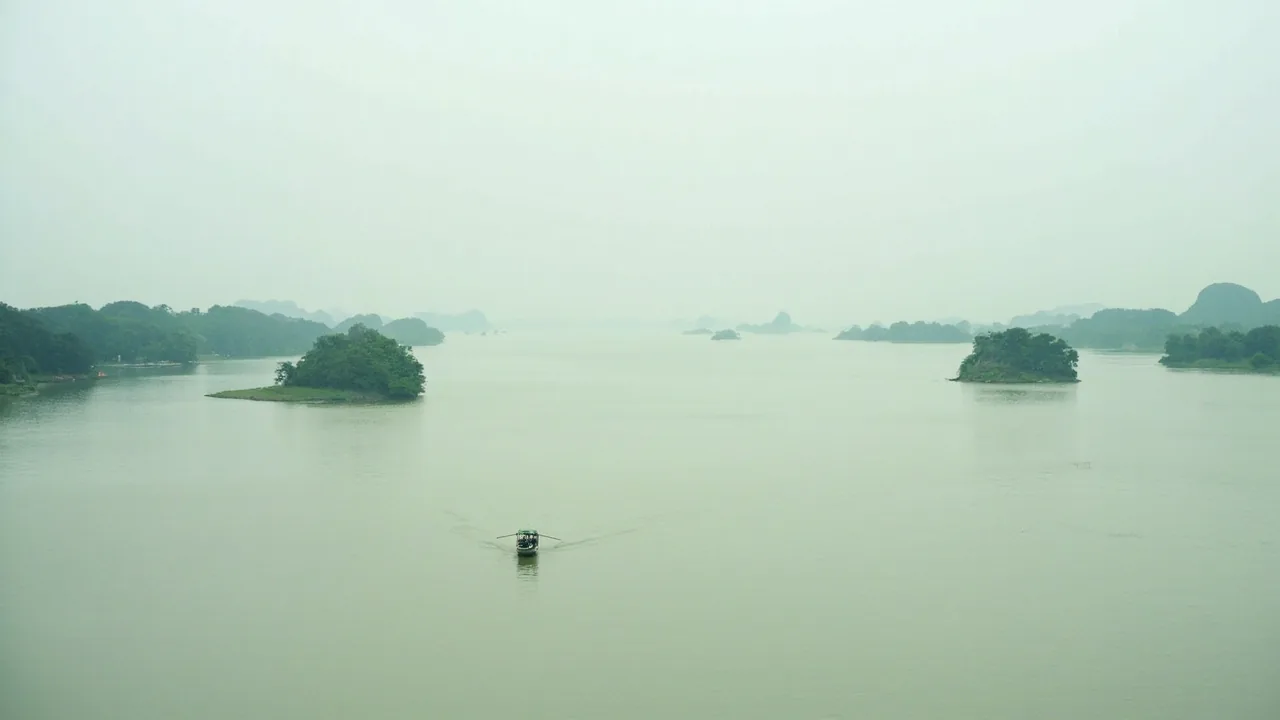
Si Phan Don is a slow, river-laced cluster of islands where the Mekong fans out into channels, waterfalls, and hammock-slung guesthouses. This guide covers what to do, where to sleep, what it costs, and how to cross into Cambodia from the 4000 Islands. For related planning, see our guide on Sea Backpacking Hub.
Quick Answers
| What | Answer | Price (INR) |
|---|---|---|
| Dorm bed on Don Det | 110,000-175,000 LAK/night | ₹418 (~$4.33) to ₹668 (~$6.92) |
| Unitel tourist SIM (15GB) | Cheapest physical SIM in Southeast Asia, available at Unitel shops in Pakse | ₹108 (~25,000 LAK or ~$1.12) |
| Slow boat Huay Xai to Luang Prabang | 2-day Mekong route, overnight in Pak Beng | ₹1,080-₹1,340 (~250,000-310,000 LAK or ~$11.19-$13.88) |
| Khone Pa Soy Waterfall entry | The reason most people come, including the old French railway | Free, donation welcome |
| Getting to Cambodia | Slow boat from Don Khon to Nakasong, then bus/truck to Stung Treng | ~₹216 (~50,000 LAK or ~$2.24) boat + ~₹965 (~10 USD) to ₹1,448 (~15 USD) bus |
How to Get to 4000 Islands
Most travellers arrive from Pakse, the gateway city in southern Laos. Pakse has the closest airport with regular flights from Vientiane and Bangkok, and from there the 4000 Islands are roughly 3 to 4 hours south by bus or minivan. You may also find Vientiane useful for this trip.
| Route | Mode | Duration | Cost | Book |
|---|---|---|---|---|
| Pakse → Nakasong (then boat to Don Det) | Minivan + slow boat | 3 to 4 hours total | ₹259-₹389 (~60,000-90,000 LAK or ~$2.69-$4.03) | Book on 12go |
| Vientiane → Pakse (then onward) | VIP bus, overnight | 10 to 12 hours | ₹778-₹1,080 (~180,000-250,000 LAK or ~$8.06-$11.19) | Book on 12go |
| Don Det → Nakasong (boat to Cambodia side) | Long-tail slow boat | 1 to 2 hours | ₹216 (~50,000 LAK or ~$2.24) | Book on 12go |
If you’re coming overland from Thailand via Ubon Ratchathani, the border crossing at Chong Mek is the smoothest entry point into Laos, and from there it’s an overnight bus down to Pakse. See also: Hidden Gems in Phnom Penh Spots Most Travelers Miss.
If you have the time and you want the backpacker rite-of-passage route through northern Laos first, the slow boat from Huay Xai to Luang Prabang is the way to do it (2 days, overnight in Pak Beng, Book on 12go). For related planning, see our guide on Vang Vieng.
Where to Stay
Don Det is where 95% of backpackers end up. It’s small, walkable, and has the densest cluster of guesthouses with hammocks and Mekong views. Don Khon, just across the old French-built bridge, is quieter and slightly more polished. If you want a party, stay on Don Det’s sunrise side. If you want a hammock and a book, head to the sunset side or over to Don Khon. You may also find 4000 Islands Complete Guide for Indian Travelers Vientiane Routes Itinerary Is It Worth Visiting useful for this trip.
| Hostel / Guesthouse | Cost/night | Vibe | Book |
|---|---|---|---|
| Sanga Hostel and Souvenir | ₹432-₹648 (~100,000-150,000 LAK or ~$4.48-$6.71) | Top-rated on Don Det, central, social, has a souvenir corner | Check prices |
| DONDET Suns Down 1 Guesthouse | ₹389-₹605 (~90,000-140,000 LAK or ~$4.03-$6.27) | Sunset-facing, hammock-slung, chill vibe | Check prices |
| Ta’s Dorm Don Det | ₹346-₹519 (~80,000-120,000 LAK or ~$3.58-$5.37) | True budget dorm, local family-run, basic and friendly | Check prices |
| Mama Leua | ₹475-₹735 (~110,000-170,000 LAK or ~$4.92-$7.61) | Homely, top-rated, slightly more cared-for | Check prices |
| Anou Hostel (Pakse) | ₹389-₹691 (~90,000-160,000 LAK or ~$4.03-$7.16) | in Pakse, useful if you’re arriving late and want a real bed before crossing to the islands | Check prices |
| Barn Laos Hostel | ₹562-₹864 (~130,000-200,000 LAK or ~$5.82-$8.95) | Vientiane option for those routing the other way | Check prices |
| Subodh’s pick: Sanga Hostel on Don Det. The location, the social courtyard, and the rating are all in the right place. If you want quiet, walk five minutes across the bridge to Don Khon and ask locally. |
What to Eat
The food on the islands is fish-heavy, freshwater-fish-heavy, since the Mekong is right there. For strict-veg Indian travellers this is the section to plan around.
- Khao niao (sticky rice): The Lao staple. Served in every restaurant, usually as a side basket. Eat it with your hands by rolling it into a ball and dipping. ₹22-₹43 (~5,000-10,000 LAK or ~$0.22-$0.45).
- Laap (larb): Minced meat (usually pork or beef) dressed with lime, fish sauce, mint, and toasted rice powder. It’s the national dish. Skip it if you’re vegetarian; ask for “laap khao” (vegetarian mushroom version) if you see it. ~₹108 (~25,000 LAK or ~$1.12) at Rivergarden Restaurant or Lao Long Restaurant.
- Khao sin (grilled meat skewers): Pork or beef skewers grilled over charcoal. Common street snack. ₹65 (~15,000 LAK or ~$0.67) at any evening riverside stall.
- Mok pa (fish steamed in banana leaf): The Mekong version of steamed fish curry, wrapped in banana leaf with herbs and dill. Mrs Khamla Fish Noodle Soups is a small, affordable spot for fish-based Lao dishes; prices typically ₹65-₹108 (~15,000-25,000 LAK or ~$0.67-$1.12).
- Beerlao: The national beer. ₹43 (~10,000 LAK or ~$0.45) a bottle at the riverside bars. It’s lighter than Thai or Vietnamese beer, which is a mercy in this humidity.
For Indian food or a vegetarian-friendly stop, Hathim Indian Restaurant on Don Det is the fallback. Travellers report the dal-rice and veg curries are solid and the prices stay backpacker-friendly. Don’t expect a thali the size you’d get in Delhi, but it’s recognisably Indian and it’s the only reliable option on the islands.
Subodh’s Pro Tip: Strict-veg travellers bring at least two days of backup snacks (khakhra, instant dal, dried fruit). The island has one Indian restaurant and limited fresh produce variety.
What to Do
1. Khone Pa Soy (the big waterfall)
The Mekong splits around the southern tip of Don Khon and crashes over a series of cascades that the French, in their imperial wisdom, tried to bypass with a railway in the 1890s. The waterfall is the reason most people come. The old railway bridge and rusting locomotives are still there, half-swallowed by jungle. Free entry, donations welcome at the small visitor hut.
2. The Rock ViewPoint
A short scramble up a rocky outcrop on Don Khon gives you the wide-angle shot of the Mekong braiding itself into channels. The Rock ViewPoint is best at golden hour, and the climb takes about 15 minutes from the bridge. Free entry. Bring water.
3. Irrawaddy dolphins at Khone Falls
The freshwater Irrawaddy dolphins live in the deep pools below the falls. You can spot them from the French bridge, but the most reliable way to see them up close is to hire a small boat (₹216-₹346 (~50,000-80,000 LAK or ~$2.24-$3.58), ~₹200 (~$2.07) to ₹320 (~$3.32)) from the Khone Falls pier. Travellers report sightings are common but not guaranteed; early morning is best.
4. Cycle Don Det to Don Khon
The old bridge between the two islands is itself the activity. Rent a bicycle from any guesthouse for 15,000-20,000 LAK/day (~₹57 to ₹76) and pedal across, then loop Don Khon’s dirt roads past rice paddies, water buffalo, and the old French railway. Half a day is plenty.
5. Kayaking or tubing the Mekong back-channels
Mr. Lek Kayak Tour Service and Bounmee Tour Adventure both run guided kayak trips into the channels behind Don Khon and Don Det, where the river slows into something you can drift through. Half-day rentals run ₹346-₹648 (~80,000-150,000 LAK or ~$3.58-$6.71).
6. Snorkel the 4 Islands (in season)
From around November to April the water clears enough for a half-day long-tail boat to the islands off the Cambodian border. The reef is nothing compared to the Andaman, but the boat ride and the empty sandbanks are the real draw. Book Private 4 Islands Snorkeling Tour with Long-Tail Boat tour
7. Mekong Fly Zipline
If you have a half-day to burn and you want an adrenaline kick, the Mekong Fly Zipline runs lines over the river channels south of Don Khon. Travellers report it’s well-run and the views are unreal. Book The Mekong Fly Zipline tour
Subodh’s Pro Tip: If you only have one full day, do the waterfall loop on a rented bicycle in the morning (Khone Pa Soy + the dolphins from the bridge), then a sunset Mekong pint at any of the riverside bars. Two days is better. Three days is what you’ll take.
Nightlife
Si Phan Don is not Vang Vieng. The party here is hammocks, riverside bars, and acoustic guitars, not bucket cocktails. That said:
- Philip’s Bar: Lively, riverside, famous for the Don Det Sunset cocktail and reggae nights. Backpacker central on the sunrise side.
- The 4000 Island Bar: Laid-back riverside spot, mixed Lao and Western food, good for sunset beers.
- HIVE BAR: Late-night option if the rest of the island has gone to sleep.
- Sahai Bar: Coconut cocktails under the stars. Worth finding.
- One More Bar and Restaurant: Casual, social, decent for a slow evening.
Beerlao at ₹43 (~10,000 LAK or ~$0.45) keeps the night cheap. Most bars close by midnight or earlier; if you’re a heavy party traveller, you will be slightly under-served here. Most travellers describe it as a feature.
Getting Connected
Unitel runs the cheapest tourist SIM in Southeast Asia, a 15GB package for ₹108 (~25,000 LAK or ~$1.12), available at Unitel shops in Pakse and at smaller resellers around the islands. Coverage on Don Det and Don Khon is fine for WhatsApp and Google Maps but can drop to 2G in the more remote guesthouses on the south side of Don Khon.
If you’d rather not hunt down a Unitel shop on arrival, Get Nomad eSIM covers Laos with a data-only eSIM you can activate before you fly, which is the easiest fallback if you’re crossing in from Thailand or Cambodia without a Laos SIM yet.
WiFi at guesthouses is functional but slow. Don’t expect to run a Zoom call from your hammock.
Daily Budget Breakdown
Verified 2026-07-22 at 1 INR = 232.56 LAK.
| Category | Budget/day |
|---|---|
| Dorm bed | ₹475-₹756 (~110,000-175,000 LAK or ~$4.92-$7.83) |
| Food (3 meals) | ₹259-₹432 (~60,000-100,000 LAK or ~$2.69-$4.48) |
| Local transport (bike rental + tuk-tuk to pier) | ₹130-₹216 (~30,000-50,000 LAK or ~$1.34-$2.24) |
| Activities (one guided tour + entrance fees) | ₹432-₹778 (~100,000-180,000 LAK or ~$4.48-$8.06) |
| Misc / Beerlao | ₹130-₹259 (~30,000-60,000 LAK or ~$1.34-$2.69) |
| Total | ₹1,426-₹2,441 (~330,000-565,000 LAK or ~$14.77-$25.29) |
This is what travellers on the Banana Pancake Trail spend here, not what blogs claim. The hard floor is around 300,000 LAK/day if you eat at guesthouses and skip the tours; the ceiling is around 600,000 LAK/day if you take a kayak day and eat Western food twice.
Visa and Entry Notes
Indian passport holders get a 30-day visa-on-arrival at major Laos crossings, including Wattay International Airport (Vientiane), Luang Prabang International Airport, and the land borders at Huay Xai, Nam Phao-Cau Treo, and Chong Mek. The VoA fee is ₹2,896 (~30 USD) to ₹4,054 (~42 USD) depending on nationality (Indians typically pay ₹2,896 (~30 USD)). Carry exact USD or Thai Baht; they rarely give change.
At the border, you will need:
- A passport valid for 6 months
- Two passport photos (some offices tolerate no photo with a small extra fee, but bring them)
- The completed arrival form
- ₹2,896 (~30 USD)
The Pakse airport does not currently issue VoA, so if you fly in, you need to have arranged a visa in advance or transit through Vientiane.
Common Mistakes
- Trying to do the whole southern loop in one day. Pakse → Don Det → Cambodia in 24 hours means you’ll miss the waterfall, the dolphins, and the riverside sunset that make the detour worth it. Budget at least two nights.
- Counting on ATMs on the islands. Don Det has one or two ATMs that frequently run out of cash. Withdraw in Pakse before crossing over. Card acceptance is rare; bring enough kip in cash for your entire stay.
- Crossing to Cambodia on the wrong day. Boats from Don Khon to Nakasong run only when there’s enough water and demand. Travellers report getting stuck a day or two because of low season schedules. Don’t book a fixed onward bus out of Stung Treng without a buffer day.
- Underestimating the mosquitoes. Dawn and dusk on the islands are mosquito territory. Pack a DEET-based repellent; the dengue risk is real.
Getting from 4000 Islands to Cambodia
This is one of the smoothest overland border crossings on the Southeast Asia circuit. Most travellers cross at the Hat Pier (Don Khon side) to Nakasong, then continue by road to Stung Treng or Kratie.
Step 1: Pay the boat from Don Det/Don Khon to Nakasong ₹216 (~50,000 LAK or ~$2.24).
Step 2: Walk through Laos exit immigration. They stamp you out, you keep your passport.
Step 3: Walk across the bridge to the Cambodian immigration counter. They process the entry. Cambodian e-visa is accepted here, or you can get a visa-on-arrival at the border. Don’t confuse this with the Lao VoA process you used coming in; they’re two separate countries, two separate fees.
Step 4: From Nakasong, share a taxi or local bus to Stung Treng (~3 hours, ~$10 to $15 USD). Stung Treng has onward buses to Phnom Penh and connections north to Ban Lung (for the Cambodian jungle).
The whole process from boat launch to sitting in a Cambodian bus usually takes 4 to 5 hours including the border.
Safety Alert: Cross-border scam reports at this border are rare but the standard advice applies. Check your passport stamps on both sides before walking away from the counter, and keep small USD bills separate for fees. For current official advisories, check the Indian MEA travel advisory page (mea.gov.in) before departure, as conditions can change.
FAQ
Is 4000 Islands worth the detour from Luang Prabang or Vang Prabang? Yes, if you have 3 to 4 extra days. It’s a different pace from northern Laos, the food is fresher, and the Cambodia crossing is the cheapest and most scenic one on the trail.
Can I get Indian food on Don Det? Yes, Hathim Indian Restaurant serves recognisable veg and non-veg curries. Strict-veg travellers should still pack backup snacks.
Do I need a visa for Laos in advance? Indian passport holders can get visa-on-arrival at major airports and land borders (₹2,896 (~30 USD), 30 days). No advance application needed unless you’re flying into Pakse, which does not currently issue VoA.
When is the best time to visit Si Phan Don? November through April is dry season. May to October is wet; the islands don’t flood badly but boat schedules get less reliable and the waterfalls are louder.
How do I get from 4000 Islands to Cambodia? Boat from Don Khon to Nakasong (1 to 2 hours), walk across the border, then bus or shared taxi to Stung Treng.
Is it safe for solo Indian women travellers? Don Det is small, the guesthouse owners know each other, and the late-night crowd is mostly backpackers. Standard common-sense precautions apply.
Subodh’s Take
4000 Islands is the part of the Laos loop that the highlight reels miss because it’s slow and there are no famous temples. That’s the whole point. You cycle across a French-built bridge from 1900s, watch the Mekong disappear into a dozen channels, eat fish fresh from the river, and cross into Cambodia on a long-tail boat the next morning. Three days here, a day to cross, and you’ve added the part of the trip you’ll still be talking about at the office two years later.
