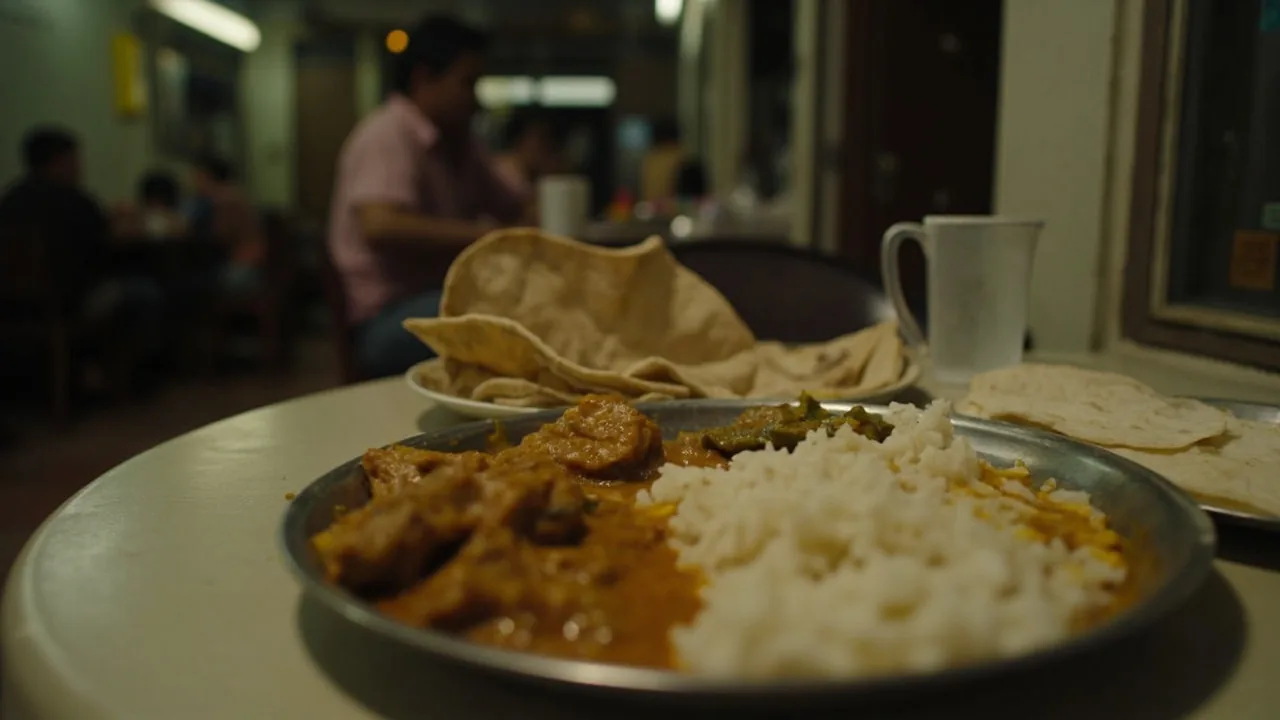
Indian Food in Myanmar: Where to Find Indian Restaurants in Yangon & Mandalay
Myanmar has more Indian restaurants than you’d guess. The country has had a South Asian community since the colonial era. This guide covers where to find Indian restaurants in Myanmar, with a focus on Yangon and Mandalay, plus the phrases and basics that make a trip easier for vegetarian and Jain travelers. For related planning, see our guide on Sea Backpacking Hub.
Quick Answers
| What | Answer | Price (INR) |
|---|---|---|
| Is Indian food available in Yangon? | Yes, at least a dozen Punjabi and South Indian restaurants, mostly in central Yangon | 3,000 to 15,000 MMK per meal |
| Are there Indian restaurants in Mandalay? | Yes, fewer than Yangon, but North Indian and tandoori options exist | 5,000 to 20,000 MMK per meal |
| Can I find strictly vegetarian Indian food? | Yes, at least one 100% veg spot in Yangon serving thalis and momos | 4,000 to 8,000 MMK per thali |
| Is Burmese food easy to find as a vegetarian? | Mostly yes, but fish sauce and shrimp paste hide in plain sight | 2,000 to 5,000 MMK per dish |
| Average price for a North Indian thali | A full Punjabi thali with dal, sabzi, roti and rice | 6,000 to 12,000 MMK |
| Average price for a South Indian masala dosa | Plain dosa with chutney and sambar | 1,500 to 4,000 MMK |
Subodh’s Pro Tip: Myanmar uses Myanmar Kyat (MMK). At current rates, 1 MMK ≈ ₹0.05, so 10,000 MMK ≈ ₹482. Card acceptance is patchy in Yangon and worse in Mandalay, so carry small MMK notes for street-level Indian restaurants.
The Local Burmese Culinary Landscape (and Why Indian Travelers Should Care)
Burmese food is forgiving on the surface, less forgiving once you start asking questions. The basics are rice, noodle soups, curries, salads (အသုပ် / a-htoat), and a heavy reliance on fish sauce (ငါးပိလ်င်း / nga-pi-chein) and shrimp paste (ပုစွန်ဆီမှုန့်). Both are in dishes you’d swear were vegetarian: a plate of stir-fried greens, a vegetable curry, even some lentil dishes. Burmese home cooking treats fish sauce the way Thai home cooking treats it: as a default seasoning, not an optional one.
Vegetarianism itself is understood, mostly because of the Buddhist population and the Burmese monastic meal tradition. But “vegetarian” in casual Burmese conversation (သက်သတ်လွတ် / tet-tat-lut) sometimes includes seafood or chicken for restaurants that don’t think too hard about it. If you’re strict, you say “no meat, no fish, no egg, no shrimp paste” and you watch the cook’s face. If they nod without hesitation, you’re usually fine.
For travelers from India, two cultural shortcuts help. First, the Muslim Indian community in Yangon (concentrated around Latha township and parts of Pazundaung) has run halal meat and Indian food businesses for generations. Their restaurants and the halal Chinese-Bengali spots nearby are the easiest Indian-food wins in the city. Second, Mandalay’s Indian population is smaller but includes a notable Sikh and Punjabi presence, which is why North Indian food shows up better there per capita than you’d expect.
Subodh’s Pro Tip: If you eat at a Burmese stall and you don’t see fish sauce on the table, ask before you order. Many tea-leaf salad (လက်ဖက်သုပ် / lahpet thoke) vendors will add it on request. Same for mohinga, the national dish, which is a fish broth noodle soup and is rarely, but occasionally, made with a vegetable base during Buddhist lent (ဥပုံသာလက်ထက်).
Key Phrases in Burmese (Myanmar Script)
You’ll need fewer phrases than in Thailand or Vietnam. Most Yangon Indian restaurants speak enough English or Hindi that pointing at the menu works. For the rest, write the Burmese script on a card, not just the pronunciation.
| English Phrase | What it Means | Burmese Script | Pronunciation |
|---|---|---|---|
| I am vegetarian | Strict vegetarian, no meat or fish | ကျွန်တော် သက်သတ်လွတ် စားတယ် | Kyoun-ta-tet-tat-lut-sa-deh |
| No meat or seafood | No chicken, fish, shrimp | အသား ငါး မပါပါ | A-tha-nyi-ma-ba-ba |
| No egg | Eggless | ကြက်ဥ မထည့်ပါ | Kyet-yu-ma-hte-ba |
| No onion, no garlic | Jain-friendly / no pungents | ကြက်သွန် ကြက်သွန်ဖြူ မထည့်ပါ | Kyet-thwon-kyet-thwon-phyu-ma-hte-ba |
| No fish sauce | Critical for veg Burmese food | ငါးပိလ်င်း မထည့်ပါ | Nga-pi-chein-ma-hte-ba |
| Without shrimp paste | Same family, common in curries | ပုစွန်ဆီမှုန့် မထည့်ပါ | Pu-tson-hsi-muhn-ma-hte-ba |
| Pure vegetarian | Strict no-animal-product | သက်သတ်လွတ် အစစ် | Tet-tat-lut-a-sit |
Show, don’t say. Show the card, point, wait for the nod. It works for the street tea-leaf salad vendors as much as the family-run Indian places.
Burmese Dishes That Are Vegetarian or Easily Customizable
If you eat Burmese food for a week, you’ll eat these four dishes most often. All are workable for vegetarians with the right phrases.
Mohinga without the fish (မုန့်ဟင်းခါး): The national dish is a rice noodle and chickpea-flour fish soup. During ဥပုံသာလက်ထက် (Buddhist Lent), some stalls serve a vegetable version, but don’t count on it outside that season. Otherwise skip mohinga or ask at a tea-shop that caters to a vegetarian Burmese clientele. Cost when you can find it: 2,000 to 3,500 MMK.
Lahpet Thoke, the tea-leaf salad (လက်ဖက်သုပ်): Fermented tea leaves, crunchy peanuts, sesame, tomato, cabbage, sometimes dried shrimp. Specify no shrimp. It’s one of the safest Burmese snacks for vegetarians once the fish-sauce-and-shrimp dance is done. 2,500 to 4,000 MMK.
Tofu and vegetable curries (တိုဟူးဟင်း): Burmese tofu (တိုဟူး) is chickpea-flour based, not soy, and shows up at Chinese-Buddhist tea shops. Stir-fried with greens, tomato, and turmeric, it makes a decent veg meal. 2,000 to 4,000 MMK.
Coconut rice and curries (အုန်းဆီထမင်း): Plain rice with a plate of vegetable curry made with coconut milk and chickpea flour. Look for this at teashops with a Buddhist clientele. 2,500 to 4,500 MMK.
Samosa-style Burmese pastries (စမူဆာ): Triangular fried pastries filled with potato, onion, sometimes lentils. Sold at street stalls and tea shops. Mostly vegetarian but ask. 500 to 1,000 MMK each.
Subodh’s Pro Tip: The hidden cost of eating vegetarian in Myanmar is the same as elsewhere in Southeast Asia: a 1.5x markup at Indian restaurants because they’re importing some ingredients. A 7,000 MMK thali in Yangon will cost you 3,500 to 4,500 MMK for a similar Burmese veg plate at a tea shop. Worth the variety trade-off if you’re there for a week.
Recommended Indian & Vegetarian Restaurants
This is the section you’ll come back to. Yangon has more options, Mandalay has fewer but they’re concentrated near the palace and central market, so you don’t have to hunt. Prices below are per-person for a full meal.
Yangon
Yohannes Indian Food (rating 4.6). Casual Punjabi spot in central Yangon. Punjabi thalis, dal makhani, butter chicken, paneer dishes. The kind of place where the menu is a single laminated sheet and the food is exactly what you’d expect in Ludhiana. 6,000 to 12,000 MMK.
Nepali & Indian Food (100% Vegetarian) (rating 4.2). The strict-veg fallback. Located in Yangon, this is the only reliable fully vegetarian Indian restaurant I know of in the city. Thalis, momos (veg), dal-bhat sets. Budget-friendly, sub-₹482 (~5 USD) per person meals. 4,000 to 8,000 MMK.
Ingyin Nwe South Indian Food Centre (rating 3.6). South Indian menu in Yangon, masala dosa is the main draw and the reason locals keep coming back. A more functional atmosphere than the Punjabi places but the dosa is solid. 1,000 to 4,000 MMK.
Indian Tadka (rating 4.2). Casual North Indian spot with curries and tandoori. Good for a chicken tikka or paneer fix when you’ve had enough rice and lentils. 6,000 to 12,000 MMK.
Spice Garden (rating 4.9). Indian and Nepalese dishes, the top-rated Indian food option in the city by traveller feedback. Worth a visit for the rating alone, though a few reviews flag inconsistent service. 6,000 to 14,000 MMK.
Mandalay
Indian Hut Restaurant (rating 4.4). The upscale pick in Mandalay. North Indian menu, tandoor items, the kind of place a Mandalay-based Indian expat would send their visiting family. 8,000 to 18,000 MMK.
Spice Garden and Indian Tadka both reportedly have Mandalay branches or sister restaurants worth asking about, but Indian Hut is the one consistently reviewed and rated for the city. If you find more options on arrival, the area around 26th Street and the central market is where to look.
Subodh’s Pro Tip: For a comparison point on Burmese food in the same trip, Yangon’s Shwedagon-area Indian spots and Ngapali’s coastal Indian options round out the Myanmar picture if your itinerary stretches beyond Yangon and Mandalay.
Food Safety & Hygiene
Three rules that haven’t changed in a decade of traveller reports.
-
Drink bottled or filtered water only. Tap water in Yangon and Mandalay is not safe. Bottled water is cheap (500 MMK for 1.5L at any convenience store). Avoid ice unless you’ve seen it made from bottled water, which most reputable Indian restaurants do.
-
Eat at places with high turnover. A tea-leaf salad stall that serves 40 covers a day is safer than a quiet back-alley curry shop that hasn’t served anyone in two hours. Indian restaurants in Yangon generally fit the high-turnover rule well because of the office-lunch trade.
-
Be cautious with raw salads. Burmese salads (a-htoat) are mostly raw or lightly dressed vegetables, and the dressing can carry the same fish sauce issue. If you’re strict veg, eat cooked Indian food at Indian restaurants for the first two days while your stomach settles, then branch out.
For Indian travelers on the road, our guides to Indian food in Yangon and Ngapali’s coastal Indian options round out the Myanmar picture.
Getting Connected
You’ll want data on arrival, both for Grab/Bolt equivalents in Yangon and for translation apps when you’re at a Burmese stall pointing at a menu you can’t read. MPT, Ooredoo, and Telenor all sell tourist SIMs at Yangon International Airport. Budget SIM: 5,000 to 10,000 MMK for 7 days with 5 to 10 GB. If you don’t want a physical SIM, Get Nomad eSIM works on most unlocked phones and activates before you land.
Where to Stay
Common Food Mistakes Indians Make in Myanmar
Mistake 1: Assuming “vegetarian Burmese” is reliably vegetarian. Many Burmese tea shops serve “vegetarian” dishes that still use fish sauce or shrimp paste because they’re flavoring, not protein. Always ask.
What happens: You eat a plate of greens and get a stomach that won’t cooperate for two days.
How to avoid it: Use the phrase card, ask for “no fish sauce, no shrimp paste” at every Burmese stall, and default to Indian restaurants for the first 24 to 48 hours.
Mistake 2: Not carrying small MMK notes. Indian restaurants in Yangon accept cards more than you’d expect, but Mandalay is mostly cash. Worse, tuk-tuks and street stalls often don’t have change for a 20,000 MMK note.
What happens: You walk past a good restaurant because they only take cash and you’re holding a 50,000 MMK bill.
How to avoid it: Withdraw 50,000 to 100,000 MMK in 5,000 and 10,000 notes from an ATM in Yangon before you leave for Mandalay.
Mistake 3: Eating only at Indian restaurants. This sounds obvious the other way, but several Indian travelers I know report eating at Punjabi restaurants the whole Myanmar trip, missing the good Burmese food, and then regretting it on the flight home.
What happens: You spend 40% more than you should and miss mohinga season.
How to avoid it: Plan two of every seven dinners at a Burmese teashop or family place, with your phrase card ready.
Mistake 4: Ordering “veg curry” without specifying protein. Burmese curry menus often default to a fish or chicken base even on a “vegetable curry” listing.
What happens: A curry arrives with a single piece of fish, and the meal is ruined for strict vegetarians.
How to avoid it: Ask for “tofu or chickpea-flour only” or stick to the Indian restaurants where the menu is unambiguous.
FAQ
Are Indian restaurants in Yangon safe for strict Jains? The 100% vegetarian spot (Nepali & Indian Food) is the only reliably Jain-friendly option since Jainism is rare in Myanmar and most Indian restaurants serve onion-garlic. At other Indian spots, ask for no onion and no garlic, which most Punjabi kitchens will do without complaint.
Can I find halal Indian food in Myanmar? Yes. Yangon’s Muslim quarter and the halal Chinese-Bengali restaurants around the area serve halal Indian food, including biryani and kebabs. Ask locally for “halal” rather than relying on signage.
Is Burmese street food safe for vegetarians? Samosa-style fried pastries, samosa-shaped tofu snacks, and seasonal fruit are. Salads and curries require the phrase-card routine. Most tea-leaf salad (lahpet thoke) stalls are clean if the turnover is high.
Do Indian restaurants in Mandalay accept cards? Some do, some don’t. Indian Hut accepts cards at the table, smaller places are cash-only. Carry MMK.
How much should I budget for food per day in Myanmar as a vegetarian? Eating Indian food twice a day plus Burmese tea-shop meals, 15,000 to 25,000 MMK per day. Eating only Indian food, 25,000 to 40,000 MMK per day. At current rates, 25,000 MMK ≈ ₹1,200 (~$12.46).
Is fish sauce used in everything in Myanmar? In a lot of things, not in everything. Samosa-style pastries, fresh fruit, rice, and most Indian food are clean. Mohinga, lahpet thoke, and most Burmese stir-fries and curries default to fish sauce or shrimp paste.
Are there any Indian food buffets in Yangon or Mandalay? Yes, the upscale Indian restaurants (Indian Hut in Mandalay, Le Planteur in Yangon) sometimes run weekday lunch buffets. Price is roughly double the à la carte rate. Worth it once for the variety, not for the savings.
Subodh’s Take
Indian food in Myanmar is real, cheap, and decent. You won’t get a single spectacular meal, but you also won’t go hungry or eat only Burmese food for two weeks. The strategy that works: spend 50% of your dinners at Indian restaurants (Yohannes, Spice Garden, Indian Hut, the 100% veg spot), spend the other 50% at Burmese tea shops and family places with your phrase card. If you’re a strict Jain, the 100% vegetarian spot in Yangon is your anchor. If you’re a Mandalay-only traveler, Indian Hut plus a couple of Burmese tea shops near the palace is enough. Myanmar rewards travelers who treat the Indian and Burmese food scenes as complements rather than substitutes.
