Late Night Food in Southeast Asia: Complete Budget Backpacker Guide
Prices cross-checked against current menus at late-night stalls in Bangkok, Hanoi, Phnom Penh, and Vientiane in July 2026.
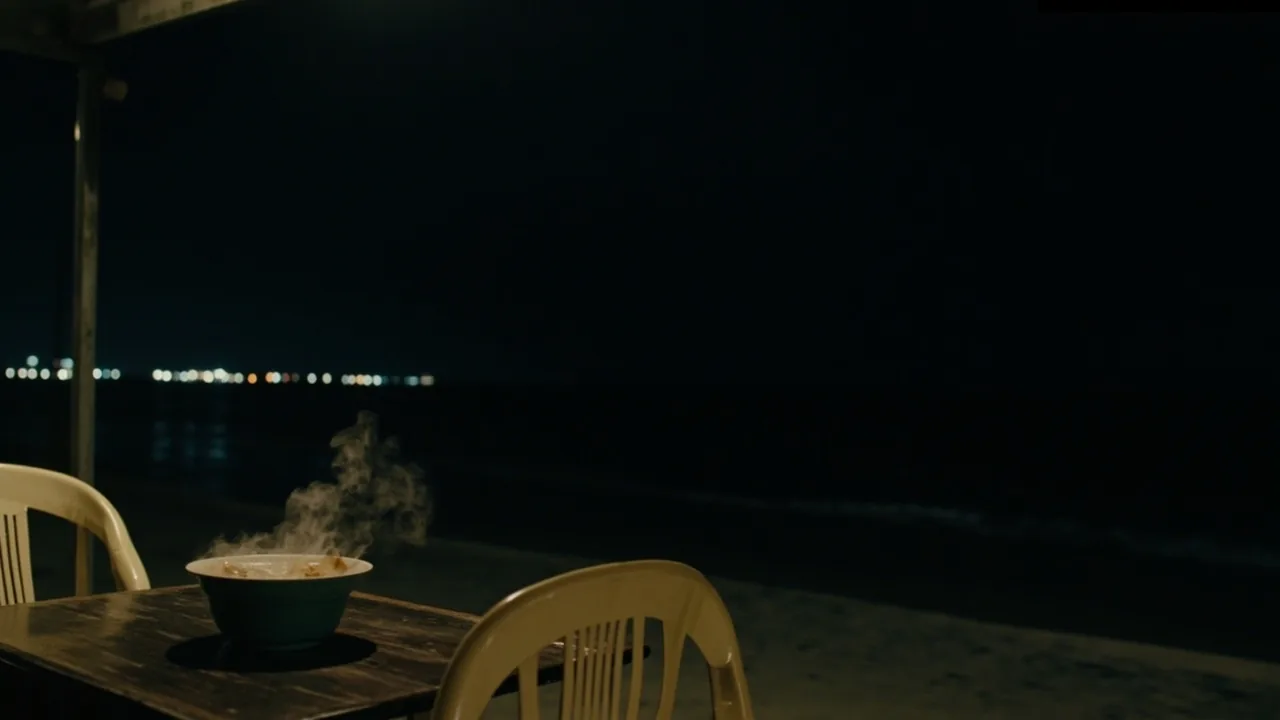
It is 2:47am in Bangkok. You just got back from Khao San with a half-finished bucket of something questionable and your stomach is making sounds no human should produce. Every street cart within a kilometre is open. A woman in an apron is grilling pork skewers over charcoal. You point, she nods, you eat, you sleep. Thirty baht later, the crisis is over. For related planning, see our guide on Sea Backpacking Hub.
This is the unspoken superpower of Southeast Asia. While Europe shuts its kitchens at 10pm and America closes diners by midnight, the night food scene across Thailand, Vietnam, Laos, and Cambodia keeps going until sunrise. Indian backpackers, used to late-night tapri chai and dhabas, find this part of the trip strangely familiar.
This guide covers what is open after midnight, where to find it, what it costs in local currency and rupees, and the small handful of safety things worth knowing before you eat at 3am.
Subodh’s Pro Tip: A bowl of noodles at 2am in Chiang Mai costs ₹115 (~40 THB or ~$1.19). The same bowl at 7am in the tourist quarter costs ₹172 (~60 THB or ~$1.78). Eat late, save money, sleep in.
Quick Answers
| What | Answer | Price (INR) |
|---|---|---|
| Cheapest late-night meal in SEA | Pork or chicken rice from a roadside cart, anywhere | ₹86-₹144 (~30-50 THB or ~$0.89-$1.49) / ₹90-₹144 (~25,000-40,000 VND or ~$0.93-$1.49) / ₹38-₹72 (~8,000-15,000 LAK or ~$0.40-$0.75) |
| Average 24-hour pho in Hanoi | Found at 24-hour pho stalls in Hanoi’s Old Quarter | ₹144-₹180 (~40,000-50,000 VND or ~$1.49-$1.86) |
| Late-night street skewers in Bangkok | Pork, chicken, liver on charcoal, every 7-Eleven corner | ₹29-₹43 (~10-15 THB or ~$0.30-$0.45) per stick |
| Is night food safe for Indians? | Yes, stick to cooked-to-order stalls, avoid pre-cut fruit and ice | , |
| Do night markets stay open past midnight? | Only in big cities (Bangkok, HCMC, Phnom Penh); small-town ones close by 10-11pm | , |
FX at time of writing: 1 USD = ₹96.53, 1 THB ≈ ₹2.87, 1 VND ≈ ₹0.0036, 1 LAK ≈ ₹0.0048, 1 KHR ≈ ₹0.024, 1 IDR ≈ ₹0.0060, and 1 MYR ≈ ₹22.77. So 30 THB is roughly ₹86, and 50,000 VND is about ₹181 (~$1.87).
The Late-Night Food Map of Southeast Asia
The night food scene is not uniform. Big cities run an entire second economy after dark. Beach towns usually shut down with the bars. Rural Laos and Cambodia can be genuinely empty after 10pm. Knowing which kind of place you are in matters more than any specific recommendation.
Bangkok is the gold standard for late-night food. Chinatown (Yaowarat) runs 24-hour hawker stalls. Sukhumvit Soi 38, which used to be a morning market, is now a late-night institution open until 4-5am. Banglamphu near Khao San has carts that only set up after 11pm because that is when the drunk tourists come out. Ramkhamhaeng and Ramindra areas (the local neighbourhoods) have the cheapest carts, away from tourist markups.
Ho Chi Minh City runs the legendary 24-hour pho and broken-rice spots. District 1 stays open through the night. The Ben Thanh area has vendors until 2-3am. Hanoi is more old-syllable in the Old Quarter, but 24-hour pho stalls in Hanoi’s Old Quarter keep the burner going all night. After a night on Ta Hien beer street, you walk 50 metres and find pho.
Phnom Penh is the underrated late-night food city. Pub Street closes early, but the riverside and BKK1 neighbourhoods have 24-hour Khmer barbecue spots where you cook your own meat on a tabletop grill. The combination of cheap beer, USD pricing (Cambodia is dollar-based), and genuinely local vibes makes it one of the best places in the region to eat at 2am.
Vientiane and Phonsavan in Laos have little late-night infrastructure. Vang Vieng shuts down around 11pm. Luang Prabang is similar, the night market closes at 10pm, and after that the town is genuinely quiet. If you are in rural Laos after midnight, you are eating crackers from a guesthouse.
Bali, Jakarta, Kuala Lumpur, Singapore all have 24-hour food cultures, but they cost more. A 2am nasi goreng in Kuta runs ₹150-₹240 (~25,000-40,000 IDR or ~$1.55-$2.49) at a warung, double that in tourist areas. Singapore’s late-night hawker centres (Chinatown Complex, Lau Pa Sat) stay open late, but Singapore prices at 2am are Singapore prices.
Subodh’s Pro Tip: The single best hack for a hungry Indian backpacker at 2am in any SEA capital: look for a 7-Eleven or FamilyMart, buy a plain microwave rice cup (₹43-₹72 (~15-25 THB or ~$0.45-$0.74) / ₹43 (~12,000 VND or ~$0.45)) and a tin of chili sambal, eat on the curb. Not glamorous, but it is fast, safe, and almost universally available.
Where the Food Comes From
Most late-night stalls in SEA fall into three categories, and each has different price, safety, and reliability profiles.
Category 1: The Permanent Hawker. A fixed stall with the same woman in the same apron every night for 20 years. Brick-and-mortar or metal-shuttered with stools out front. Open 6pm-4am. This is the safest category because the turnover is high (food does not sit), the cook is professional, and the regulars keep them honest. Look for stalls where locals are sitting on the plastic stools at 1am.
Category 2: The Drunk-Target Cart. Pops up between 10pm and 4am in bar districts like Khao San, Bui Vien in HCMC, or Pub Street in Siem Reap. Targets people stumbling out of clubs. Prices are slightly inflated, food is usually pre-cooked and reheated. Quality is mediocre. But it is what is open, and it is rarely dangerous.
Category 3: The Night Market Stall. Big organised night markets (Chiang Mai, Luang Prabang, Phnom Penh) have dozens of stalls. They close by 11pm-12am, so they are not true late-night, but the food is cheap, varied, and high-volume, which means freshness. Indian travellers looking for variety, vegetarian options, and the energy of a market should hit these between 6pm and 10pm rather than after.
For Indian backpackers specifically, the trick is finding late-night vegetarian options. Street food in SEA skews heavily meat-and-seafood. The workarounds:
- Look for the Thai-Chinese vegetarian stalls in Bangkok’s Chinatown that pop up during the nine Vegetarian Festival days in late September/October (every year the dates shift, check the lunar calendar).
- Jay restaurants in Thailand (yellow sign with red Thai script) serve strict Buddhist vegan food. Open mostly during the day, but a few keep late hours in tourist areas.
- Indian restaurants in every SEA capital stay open until midnight or later because they cater to a global crowd. Bangkok’s Pahurat area has multiple 24-hour Indian spots. HCMC’s District 1 has Indian restaurants near Pham Ngu Lao.
- Egg-based dishes as a fallback: pad thai, egg fried rice, omelette over rice (kai jeow), egg sandwiches at Vietnamese banh mi stands. Not veg, but most Indian vegetarians who eat eggs can use this as a late-night bridge.
Country-by-Country Late Night Prices
Here is what a real 2am meal costs in local currency. The rupee conversions use a single FX snapshot (1 USD = ₹96.53, 1 THB ≈ ₹2.87, 1 VND ≈ ₹0.0036, 1 LAK ≈ ₹0.0048, 1 KHR ≈ ₹0.024) for readers doing mental math, but pay in the local cash.
Thailand (Bangkok, Chiang Mai, Pai)
| Item | Where | Price |
|---|---|---|
| Pork/chicken with rice | Khao San carts after 11pm | ₹115-₹172 (~40-60 THB or ~$1.19-$1.78) |
| Boat noodles (small bowl) | Victory Monument, Chinatown | ₹34-₹57 (~12-20 THB or ~$0.36-$0.59) |
| Moo ping (pork skewers) + sticky rice | Street carts anywhere | ₹29-₹43 (~10-15 THB or ~$0.30-$0.45) per skewer, ₹29 (~10 THB or ~$0.30) rice |
| Pad thai from a cart | Banglamphu, Sukhumvit | ₹144-₹230 (~50-80 THB or ~$1.49-$2.38) |
| Phat kaphrao (basil stir-fry) + egg | Late-night diner, anywhere | ₹172-₹230 (~60-80 THB or ~$1.78-$2.38) |
| Khao tom (rice soup) | Chinatown, late night | ₹86-₹144 (~30-50 THB or ~$0.89-$1.49) |
| 7-Eleven microwave rice + egg cup | Any 7-Eleven | ₹72-₹115 (~25-40 THB or ~$0.74-$1.19) |
Chiang Mai is quieter after midnight. The Night Bazaar closes by 11pm, but the Tha Phae Gate area and a few specific khao tom (rice soup) stalls near the old moat stay open until 3-4am. Khao tom is the unofficial Chiang Mai late-night dish, ginger broth, rice, pork or fish, hot and gentle on the stomach after a few beers.
Pai has limited late-night food outside of Walking Street restaurants. Expect to be eating at a guesthouse by 11pm.
Vietnam (Hanoi, HCMC, Da Nang)
| Item | Where | Price |
|---|---|---|
| Pho bo / pho ga | 24-hour pho stalls in Hanoi’s Old Quarter | ₹144-₹216 (~40,000-60,000 VND or ~$1.49-$2.24) |
| Com tam (broken rice) | District 1, HCMC | ₹126-₹198 (~35,000-55,000 VND or ~$1.31-$2.05) |
| Banh mi (filled) | Late-night banh mi stands in District 1, HCMC | ₹90-₹144 (~25,000-40,000 VND or ~$0.93-$1.49) |
| Bun cha (grilled pork noodles) | Old Quarter, Hanoi | ₹144-₹216 (~40,000-60,000 VND or ~$1.49-$2.24) |
| Oc (snails, shellfish) | Hang Be, Hanoi | ₹180-₹360 (~50,000-100,000 VND or ~$1.86-$3.73) per dish |
| Xoi (sticky rice) | Morning street carts, Hanoi | ₹54-₹90 (~15,000-25,000 VND or ~$0.56-$0.93) |
| Banh xeo (sizzling pancake) | Dine-in restaurants, late hours | ₹144-₹252 (~40,000-70,000 VND or ~$1.49-$2.61) |
The trick in Vietnam is that the late-night food is often breakfast food. Pho is technically a morning dish, but Hanoi keeps it going all night because of the bar crowds on Ta Hien. HCMC has a stronger 24-hour restaurant culture, especially in District 1 around Pham Ngu Lao.
Cambodia (Phnom Penh, Siem Reap)
| Item | Where | Price |
|---|---|---|
| Khmer barbecue (DIY tabletop) | BKK1, riverside, Phnom Penh | ₹482-₹963 (~5-10 USD) per person |
| Rice + pork + egg | Local canteens, late night | ₹193-₹289 (~2-3 USD) |
| Kuy teav (noodle soup) | Psar Chas (Old Market) area | ₹145-₹241 (~1.50-2.50 USD) |
| Lok lak (stir-fried beef) | Sit-down restaurants | ₹289-₹482 (~3-5 USD) |
| Num pang (sandwich) | Street carts | ₹96-₹145 (~1-1.50 USD) |
| Beer at a Khmer BBQ | Angkor, Cambodia | 0.75-1 USD per bottle |
Cambodia runs on USD. Carry small notes (1s and 5s) because change comes back in riel at 4,000 KHR per USD. Phnom Penh’s riverside has 24-hour restaurants with a mix of Khmer and Chinese food. Siem Reap’s Pub Street shuts down around 1am, but a few grills stay on until 2.
Laos (Vientiane, Luang Prabang, Vang Vieng)
| Item | Where | Price |
|---|---|---|
| Khao soi (Lao noodle soup) | Morning market, Vientiane | ₹72-₹120 (~15,000-25,000 LAK or ~$0.75-$1.24) |
| Ping kai (grilled chicken) | Street-side, anywhere | ₹96-₹168 (~20,000-35,000 LAK or ~$0.99-$1.74) |
| Sticky rice + jaew (chili dip) | Any market | ₹48-₹72 (~10,000-15,000 LAK or ~$0.50-$0.75) |
| Khao jee (Lao baguette sandwich) | Vientiane streets | ₹72-₹120 (~15,000-25,000 LAK or ~$0.75-$1.24) |
| Beerlao at a guesthouse | Anywhere after 11pm | ₹48-₹72 (~10,000-15,000 LAK or ~$0.50-$0.75) per bottle |
| Indian thali | Vientiane, Luang Prabang | ₹192-₹384 (~40,000-80,000 LAK or ~$1.99-$3.98) |
Laos is the hardest country in SEA for true late-night food. The night markets close by 10pm, and outside Vientiane and Luang Prabang, the towns go to bed with the chickens. Stock snacks. Plan an early dinner. This is also why Indian-run restaurants in Vientiane’s Nam Phu fountain area become the default 11pm option for vegetarian Indian travellers.
For more on the Indian food scene across the region, especially if you are planning a multi-country route, our Vietnam nightlife guide for backpackers covers the HCMC side in detail.
Late Night Food in Other SEA Capitals
The same patterns repeat, with local variations, in:
- Kuala Lumpur (Bukit Bintang, Jalan Alor). Jalan Alor is the classic late-night food street, open until 3-4am. Satay, char kuey teow, hokkien mee, durian. KL prices are slightly higher than Bangkok but still cheap. Our Kuala Lumpur nightlife Bukit Bintang budget guide has more on this.
- Singapore. Hawker centres (Chinatown Complex, Lau Pa Sat, Old Airport Road) stay open until 2-3am. A 24-hour hawker centre in the central area is touristy but functional. The whole city is genuinely safe to eat at any hour. Our Singapore nightlife guide covers the late-night side.
- Jakarta. Jalan Sabang runs street food until 3-4am. Padang food at a warung (rumah makan padang) is the move; point at what you want, they plate it, you eat. Cheap, hot, deeply filling.
- Manila. Quiapo and Divisoria run late-night street food. Filipino BBQ skewers, taho (tofu dessert), balut (fertilised duck egg, brave traveller territory). Our Manila nightlife guide has more.
- Bali (Kuta, Seminyak, Canggu). Indonesian warungs in the back streets of Kuta stay open. After 11pm, expect to be eating nasi campur or mie goreng at a small family-run place for ₹150-₹300 (~25,000-50,000 IDR or ~$1.55-$3.11).
- Penang. George Town’s central hawker areas are legendary. Late hours, mostly closed by midnight though, plan accordingly. Our Penang nightlife guide has more.
- Boracay. After 1am, White Beach has only a handful of grills open. Our Boracay nightlife guide covers the scene.
Getting Connected at 3am
If you are stumbling out of a Vang Vieng bar at 2am looking for food, you need a phone with data to find the right cart, translate the menu, or call a Grab. Two paths:
Physical SIM. Buy at the airport on arrival. Thailand: AIS or DTAC, ₹858 (~299 THB or ~$8.89) for 8 days, 15GB. Vietnam: Viettel or Mobifone, ₹720 (~200,000 VND or ~$7.46) for 30 days, 3-5GB/day. Cambodia: Cellcard or Smart, ₹482 (~5 USD) for 7 days, generous data. Laos: Unitel or Lao Telecom, ₹240 (~50,000 LAK or ~$2.49) for a week, modest data.
eSIM. If your phone is unlocked and supports eSIM, Get Nomad eSIM covers Thailand, Vietnam, Cambodia, and Laos on a single regional plan, no physical swap, no airport queue, install before you fly. Useful for multi-country itineraries where you would otherwise be juggling four SIM cards.
Late Night Food Safety for Indian Travellers
Most late-night food in SEA is safer than it looks. The high turnover, the boiling broth, the sizzling woks, the cook-to-order skewers, all of these kill pathogens. But a few things are worth knowing:
- Avoid pre-cut fruit from carts. The fruit sits in ambient air, flies land on it, and Western stomachs react badly. If you want fruit, buy from a 7-Eleven (cut and sealed) or eat a whole banana.
- Avoid ice from street vendors in Cambodia and Laos. The ice is generally fine in major hotels and restaurants, but the cart vendors sometimes use unfiltered water ice. Stick to bottled or canned drinks at roadside stalls in those two countries.
- Be careful with raw vegetables in rural Laos. Cooked greens are fine, raw salad next to your grilled meat is a gamble.
- Wash hands or carry sanitizer. Most carts have a small basin, use it.
- Avoid shellfish after midnight if you have any doubt about the freshness. Oc (snails) in Hanoi is a delicacy, but a sketchy bowl at 3am is how you spend your next 48 hours in a hostel bathroom.
- If your stomach is already off (you went hard on the buckets, ate something questionable earlier), stick to plain rice, plain broth, and bananas. Khao tom in Chiang Mai, pho in Hanoi, and congee in Singapore are all perfect recovery food.
- Carry oral rehydration salts (ORS). Indian pharmacies sell ORS strips. Cheap, effective, and far better than the sugary electrolyte drinks in 7-Eleven.
For deeper pre-trip planning, our health prep and travel-safety hub covers vaccines, insurance, and what to keep in your daypack.
Late Night Mistakes Indians Make (and How to Avoid Them)
Mistake 1: Eating at the “tourist trap” night market stall near Khao San, Bui Vien, or Pub Street. What happens: you pay 3x the local price for food that was cooked hours ago. How to avoid it: walk 10-15 minutes in any direction away from the bar street. The food is half the price, twice as fresh, and the staff wants you there.
Mistake 2: Drinking the warm beer from the bucket. What happens: lukewarm Singha or Chang mixed with Red Bull and Mekong whiskey is a recipe for disaster. How to avoid it: get a fresh cold beer from the 7-Eleven across the street, drink that instead. If you are going to do the bucket thing, at least ask for fresh cans.
Mistake 3: Riding a rented scooter home after a few drinks. What happens: you wrap yourself around a lamppost, lose your passport, get deported. How to avoid it: Grab, Bolt, or tuk-tuk back. Do not drive anything with two wheels after midnight. Thailand, Vietnam, and Bali police actively target scooter riders after bars close.
Mistake 4: Accepting food or drinks from strangers at a bar. What happens: spiked drinks are uncommon in SEA compared to Europe, but they happen, especially around Khao San, Bui Vien, and Full Moon parties. How to avoid it: watch your drink, order your own, do not leave it unattended. If someone is being aggressive about buying you a drink, decline politely.
Mistake 5: Eating from a cart where nothing is moving. What happens: the food is sitting, the oil is reused to the point of toxicity, and your stomach pays the price. How to avoid it: eat where locals are eating. A cart with five Thais/Vietnamese on plastic stools at 1am is a good sign. A cart with no customers and 30 portions pre-cooked is a bad sign.
Subodh’s Take
The real gift of late-night food in Southeast Asia is not the food itself, it is the freedom to make bad decisions and still recover cheaply. Got drunk? ₹144 (~50 THB or ~$1.49) pork rice and a coconut water fixes you. Missed your bus? Boat noodle shop is open. Came back from a Full Moon Party and cannot feel your legs? Pho in Hanoi will sort you out. Eat late, eat local, eat where the locals are sitting, and you will be fine. Skip the tourist-trap carts near the bar streets, keep some ORS in your pack, and do not ride anything with two wheels after midnight.
FAQ
Is late-night street food in Southeast Asia safe for Indian travellers? Generally yes, especially cooked-to-order dishes like noodles, rice, and grilled skewers. Avoid pre-cut fruit, raw vegetables in rural areas, and ice from suspicious carts in Cambodia and Laos. Use your judgement: if a cart is busy at 1am, it is probably fine.
What is the cheapest late-night meal I can find in Thailand? Moo ping (pork skewers) at ₹29-₹43 (~10-15 THB or ~$0.30-$0.45) per stick, plus sticky rice at ₹29 (~10 THB or ~$0.30), makes a meal for under ₹144 (~50 THB or ~$1.49). Boat noodles in Bangkok at ₹34-₹57 (~12-20 THB or ~$0.36-$0.59) per bowl are another classic.
Are night markets open past midnight in Vietnam? Big city markets in HCMC and Hanoi stay open later than in other SEA countries, but most close by 11pm-12am. After that, you are looking at 24-hour pho spots and broken-rice restaurants, not markets.
Where can Indian vegetarians eat after 11pm in SEA? Hardest in rural Laos and Cambodia. Easiest in Bangkok, HCMC, Singapore, and KL, where Indian restaurants, 7-Eleven, and Jay (vegan) spots stay open. Stock up on snacks in the smaller towns.
Can I use Grab or Bolt at 3am in Bangkok? Yes, but availability drops after 2am. Drivers are thinner, wait times longer, and surge pricing kicks in around the club-closing hours (2am-4am). Have a backup: download the Bolt app alongside Grab, since one usually has drivers when the other does not.
What about late-night food in Bali and the Gili Islands? Kuta in Bali has warung food until 4am in the back streets. Gili Islands shut down by 11pm, plan accordingly. Our Lombok nightlife guide covers the island scene.
Do I need a specific app to find late-night spots? Google Maps works well in Bangkok, Singapore, KL. In Vietnam, Foody.vn shows open hours. In Cambodia and Laos, Google Maps is unreliable, ask your hostel staff, they know the local 2am spots better than any app.
