Southeast Asia Dive Bars: The Complete Backpacker Guide to Cheap Drinks & Local Nights Out
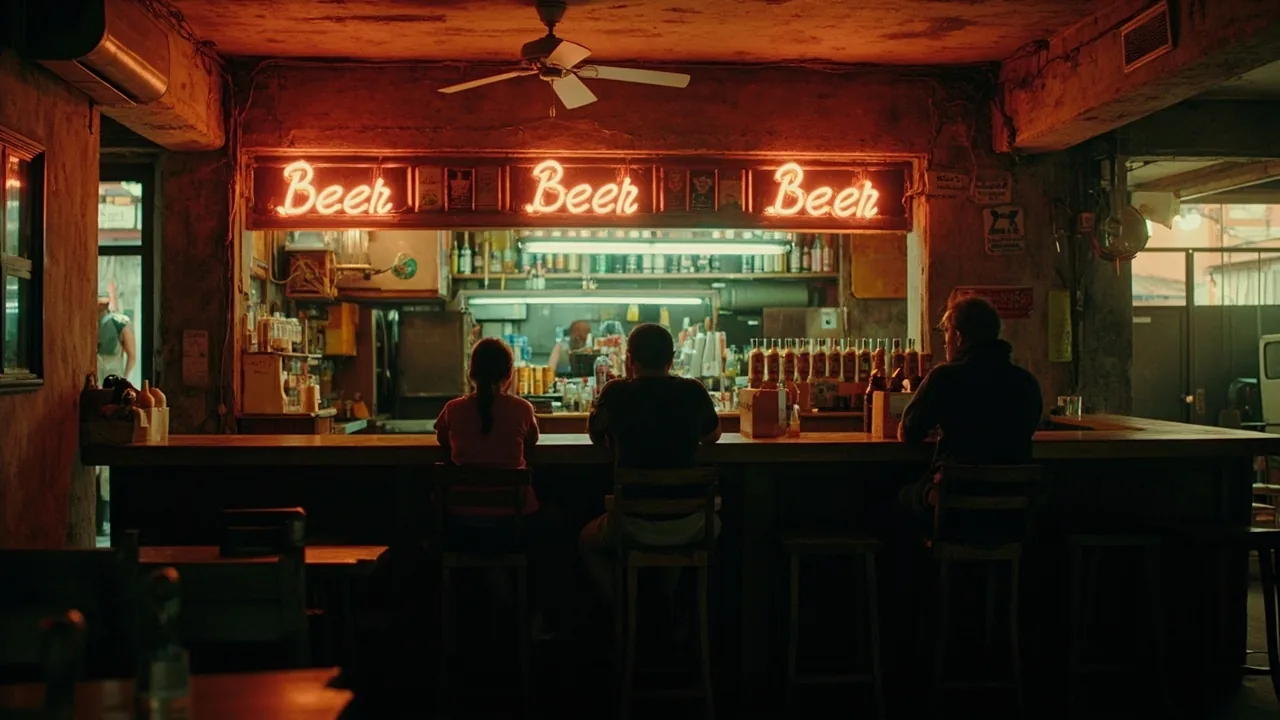
Southeast Asia’s dive bars are the backbone of backpacker nightlife, and nothing like the neon madness of Khao San or the rooftop cocktail lounges you’ll find in the city guides. A dive bar here is a fluorescent-lit, sticky-floored room with a plastic stool, a wall of taped-up band posters, a fridge that hums louder than the speakers, and a bartender who already poured your beer before you finished ordering. It costs ₹86-₹229 (~30-80 THB or ~$0.89-$2.37) at the door for a local beer, runs until 1 or 2 am most nights, and the only dress code is shoes. For related planning, see our guide on Sea Backpacking Hub.
This is the regional roundup: where the dive bar culture exists, what it costs in each country, and how the vibe changes as you cross borders. Rates below use the live FX at time of writing: 1 THB ≈ ₹2.87, 1 VND ≈ ₹0.0037, 1 IDR ≈ ₹0.0054, 1 KHR ≈ ₹0.0239, 1 LAK ≈ ₹0.0043, 1 USD ≈ ₹96.53.
Subodh’s Pro Tip: Dive bars are where you talk to locals, not where you talk to other backpackers. The hostels have their own scene, and the tourist zones have their own scene. The dive bar is the third space, and it’s almost always cheaper than both.
Quick Answers
| What | Answer | Price (INR) |
|---|---|---|
| Cheapest local beer at a dive bar | Thailand | ₹86 (~30 THB) |
| Cheapest local beer at a dive bar | Vietnam | ₹85 (~23,000 VND) |
| Cheapest local beer at a dive bar | Cambodia | ₹95 (~1 USD) |
| Cheapest local beer at a dive bar | Laos | ₹108 (~25,000 LAK) |
| Cheapest local beer at a dive bar | Indonesia (Bali) | ₹108 (~20,000 IDR) |
| Legal drinking age across SEA | 18 in Thailand/Cambodia/Vietnam; 21 in Indonesia; 18 in Laos | , |
The Dive Bar Scene Across the Region
A dive bar in Southeast Asia is not a “bar that’s seen better days” in the American sense. It’s a small, locally owned, often family-run drinking room that has been doing the same thing for 20+ years. The “dive” part comes from the low ceiling, the plastic chairs, the bare concrete, and the absence of any pretense. You’ll find them down soi (side streets) in Bangkok, above shops in Phnom Penh, in converted shophouses in HCMC, and on the backstreets of any Vang Vieng guesthouse row.
Five cities anchor the regional scene:
- Bangkok is the capital. Soi Rambuttri (next to Khao San but cheaper and older), the Banglamphu lanes off Chakrabongse, the working-class pubs around Huai Khwang, and the older expat joints in Sukhumvit Soi 4-22 are where Thai dive bars still operate. Local prices are ₹114-₹229 (~40-80 THB or ~$1.19-$2.37) for a large Chang or Leo.
- Ho Chi Minh City has the Bui Vien walking street (tourist-heavy, not a dive) and the Bùi Viện side alleys, plus the District 4 (Quan 4) pho-and-beer joints where the floor is tile and the clientele is Vietnamese office workers. Bia (beer) is ₹37-₹84 (~10,000-23,000 VND or ~$0.38-$0.88) a glass.
- Phnom Penh is the cheapest major capital for a beer in a dive setting. Bassac Lane, Street 51, the cluster around BKK1, and the riverside beer gardens all count. Angkor or Cambodia draft is ₹96-₹145 (~1-1.50 USD).
- Vang Vieng in Laos is the backpacker river town, and the dive bars are literally built over the Nam Song. Beer Lao at a plastic table: ₹64-₹107 (~15,000-25,000 LAK or ~$0.67-$1.11). Every bar has the same menu and the same music, but the climb-up, jump-in river culture makes the venue irrelevant.
- Bali is the odd one out. Indonesian dive bars exist (small warungs with Bintang, Kuta’s older surfie pubs, the Sanur expat rooms), but Bali’s drinking scene is dominated by beach clubs and villa pools. Real dive culture is more Bali-everywhere else on the island (Ubud, Canggu, Sanur).
Drink Costs & Budget Breakdown
Drink prices in Southeast Asian dive bars are regional, not city-specific. The local beer is always cheapest; imported beer, cocktails, and buckets are where they get you.
| Item | Thailand | Vietnam | Cambodia | Laos | Indonesia (Bali) |
|---|---|---|---|---|---|
| Local beer (330-640ml) | ₹114-₹229 (~40-80 THB or ~$1.19-$2.37) | ₹37-₹84 (~10,000-23,000 VND or ~$0.38-$0.88) | ₹96-₹145 (~1-1.50 USD) | ₹64-₹107 (~15,000-25,000 LAK or ~$0.67-$1.11) | ₹108-₹188 (~20,000-35,000 IDR or ~$1.12-$1.95) |
| Imported beer (Heineken, Tiger) | ₹229-₹343 (~80-120 THB or ~$2.37-$3.56) | ₹92-₹147 (~25,000-40,000 VND or ~$0.95-$1.52) | ₹145-₹241 (~1.50-2.50 USD) | ₹107-₹172 (~25,000-40,000 LAK or ~$1.11-$1.78) | ₹188-₹269 (~35,000-50,000 IDR or ~$1.95-$2.79) |
| Bucket (mix with Red Bull + ice) | ₹429-₹858 (~150-300 THB or ~$4.45-$8.90) | ₹294-₹551 (~80,000-150,000 VND or ~$3.05-$5.72) | ₹385-₹578 (~4-6 USD) | ₹215-₹344 (~50,000-80,000 LAK or ~$2.23-$3.57) | Not common |
| Spirits (local, 30ml shot) | ₹200-₹343 (~70-120 THB or ~$2.08-$3.56) | ₹110-₹184 (~30,000-50,000 VND or ~$1.14-$1.91) | ₹96-₹193 (~1-2 USD) | ₹86-₹150 (~20,000-35,000 LAK or ~$0.89-$1.56) | ₹269-₹430 (~50,000-80,000 IDR or ~$2.79-$4.47) |
| Water bottle | ₹29-₹43 (~10-15 THB or ~$0.30-$0.45) | ₹18-₹37 (~5,000-10,000 VND or ~$0.19-$0.38) | ₹24-₹48 (~0.25-0.50 USD) | ₹21-₹43 (~5,000-10,000 LAK or ~$0.22-$0.45) | ₹27-₹54 (~5,000-10,000 IDR or ~$0.28-$0.56) |
| 7-Eleven beer (budget hack) | ₹100-₹129 (~35-45 THB or ~$1.04-$1.34) | ₹44-₹66 (~12,000-18,000 VND or ~$0.46-$0.69) | ₹72-₹120 (~0.75-1.25 USD) | ₹77-₹107 (~18,000-25,000 LAK or ~$0.80-$1.11) | ₹134-₹188 (~25,000-35,000 IDR or ~$1.40-$1.95) |
The 7-Eleven beer hack is real and it’s the same across the region: the convenience store price is roughly 30-50% under the dive bar price for the same can. The catch is that almost no dive bar lets you bring outside drinks, and many have a “no outside bottles” sign in English specifically aimed at backpackers trying this. Some places are cool with it, especially in Vang Vieng and Phnom Penh. Most aren’t.
A typical night out at a dive bar, two beers and a bucket with friends: ₹715-₹1,287 (~250-450 THB or ~$7.42-$13.35) in Thailand, ₹220-₹367 (~60,000-100,000 VND or ~$2.29-$3.81) in Vietnam, ₹385-₹674 (~4-7 USD) in Cambodia, ₹258-₹430 (~60,000-100,000 LAK or ~$2.67-$4.46) in Laos. That’s the budget floor, before you start on whiskey buckets.
Subodh’s Pro Tip: Whiskey in a dive bar in Southeast Asia is rarely real whiskey. If the menu says “Johnnie Walker Red” at 1 USD a shot in Cambodia, you are drinking local rice spirit dyed brown. The locals know, the bartender knows, you should know. Drink it anyway, it’s part of the ritual, but don’t pretend it’s scotch.
Getting Connected
You’ll want data after midnight to call a Grab or Bolt back to your hostel, especially if you’ve wandered into a soi you’re not sure of. The cheapest practical option is a local physical SIM from the airport or a 7-Eleven on day one, and a Get Nomad eSIM as a backup you can activate before you land. The eSIM costs roughly ₹482-₹1,445 (~5-15 USD) for a 7-30 day plan depending on country, and it doesn’t require a passport scan like a Thai AIS or Vietnamese Viettel tourist SIM does. For full country-by-country SIM detail, see the SIM section in the Bangkok and Ho Chi Minh city guides linked at the bottom.
Night-time Safety & Scams
Dive bars are the safest category of nightlife in the region for tourists, but “safest” is not “safe.” Four scams to know:
- The friendly local who joins your table. A smiling Thai, Vietnamese, or Lao guy sits down at your group, orders a round, then another, then disappears before the bill comes. In Bangkok and Pattaya this is a classic. The bartender will sometimes be in on it. Politely decline, or pay your own round only and don’t let him order.
- Drink spiking. Less common at dive bars than at hostels or Khao San-area clubs, but it happens. Travellers report it in Vang Vieng and on the Full Moon Party islands. Don’t leave your glass unattended; don’t accept free drinks from strangers; drink from bottles you opened yourself when possible.
- The “last bar” tuk-tuk overcharge. At 1-2 am, tuk-tuks and motorbike taxis know you have no other option. Prices double or triple. Negotiate the fare before you get in, or use Grab/Bolt (still works in Bangkok, HCMC, Phnom Penh at 2 am). In Vang Vieng and Luang Prabang, where ride apps are limited, agree on a fare before sitting.
- The counterfeit note trap. You’re paying a ₹2,859 (~1,000 THB or ~$29.68) or ₹367 (~100,000 VND or ~$3.81) note and the bartender swaps it for a fake one, then calls you a counterfeiter and demands the real amount. It’s rare but it happens. Take a photo of any large note you hand over, or use small notes.
For broader night safety rules that apply across the region, see our Singapore nightlife rules for tourists for the strictest end of the regulatory spectrum.
Local Rules & Etiquette
- Legal drinking age: 18 in Thailand, Vietnam, Cambodia, and Laos; 21 in Indonesia. Singapore is 18 with strict ID enforcement. Malaysian enforcement varies by state. Indian travellers under 21 should be aware of this going into Bali.
- Closing times: Dive bars generally close between midnight and 2 am. Khao San-area places stay open later because of the tourist exemption zone, but the surrounding Thai government has been pushing closing times earlier across Bangkok since 2024. Vietnam is more relaxed, some District 1 and Pham Ngu Lao-area bars go to 3-4 am. Cambodia’s Pub Street closes around 2 am, but the BKK1 side alleys keep going.
- Dry days: Buddhist holidays in Thailand, Cambodia, and Laos will shut down alcohol sales for 24-48 hours. These move with the lunar calendar; check before assuming. Indonesia’s Islamic holidays (Ramadan, Eid) close bars in Java and Sumatra; Bali is mostly exempt but some Muslim-majority pockets still observe.
- Temple dress code the morning after: If you’re in Vang Vieng, Luang Prabang, or Siem Reap, you may have a temple visit the next morning. Bring a long-sleeved shirt and long pants; the dive bar won’t sell you these, your hostel might lend them.
Common Nightlife Mistakes Indians Make
- Renting a scooter to “save” on transport. Then riding it home at 2 am with three drinks in. This is the single biggest killer of Indian backpackers in Thailand and Bali. The dive bar is 1 km from your hostel? Walk, or grab a tuk-tuk. Don’t ride drunk.
- Fighting with a bouncer. Bouncers in SEA dive bars are not American-style bouncers. They’re local guys, often related to the owner, and they have the police on speed dial. Apologize, pay any “broken glass” fee quietly, leave.
- Accepting “free” shots or games. The whiskey shot you didn’t order? That’s ₹858 (~300 THB or ~$8.90) on the bill. The bar game where you throw a dart and win a round? That’s ₹1,144 (~400 THB or ~$11.87). The beer-pong tournament with entry fee? Often legit, but read the small print.
- Posting your hotel name on Instagram with your location on. SEA dive bars are friendly, but your hostel isn’t a fortress. Geotagging your dorm location at 1 am tells anyone watching exactly where the empty beds are.
- Trusting a tuk-tuk driver who says your hostel is “closed” or “moved”. This is the classic Bangkok scam. It isn’t closed. Pay your fare, get out at your hostel.
Subodh’s Take
Dive bars are the cheapest, most honest nightlife in Southeast Asia, and most backpackers skip them entirely because the neon of Khao San, Bui Vien, and Pub Street is louder. Don’t skip them. The ₹114 (~40 THB or ~$1.19) Leo in a Banglamphu side soi with five Thai regulars and a jukebox from 1998 is a better night out than a ₹4,288 (~1,500 THB or ~$44.51) rooftop cocktail in Sukhumvit. You’ll spend less, talk to actual locals, and remember the night. The flip side: dive bars are not where you go to meet other backpackers, they are not where you find the best playlists, and they are not where you find a 2 am pad thai. For those, the hostels and 7-Elevens exist.
FAQ
Are dive bars safe for solo female travellers? Yes, generally safer than clubs or tourist walking streets. Staff and regulars are protective of solo women, and the layout (small, well-lit, regulars only) discourages groping. The bigger risk is the walk back to the hostel at 2 am, not the bar itself. Grab/Bolt or a hostel-arranged taxi is the move.
Do dive bars in Southeast Asia accept cards? Almost never. Thai and Vietnamese dive bars are cash-only. Cambodia is a hybrid (Pub Street takes cards, BKK1 dives don’t). Bali is the most card-friendly in the region. Bring small notes; the ₹2,859 (~1,000 THB or ~$29.68) and ₹1,836 (~500,000 VND or ~$19.06) notes are the ones you want to break.
What’s the cheapest country for a night out at a dive bar? Per beer: Cambodia at 1 USD, Thailand at 30 THB (about 0.86 USD), Vietnam at ₹92 (~0.95 USD). Per night out including buckets and shots: Cambodia or Laos, because the drink prices are flat regardless of bar type. Vietnam’s buckets on Bui Vien can match Thailand quickly once you add Red Bull.
Are drinks in dive bars stronger than at hostels? Yes, usually. Hostel “free welcome shots” are watered-down. Dive bar pours are measured and full. The local whiskey bucket (a bottle of Mekong or Sai Gon with Coke and ice) is 5-7 standard drinks, often more than a hostel bucket of the same price. Know what you’re ordering.
What’s the legal situation if I get caught drunk in public? SEA countries vary. Thailand has a “public drunkenness” fine (₹1,429-₹2,859 (~500-1,000 THB or ~$14.84-$29.68)) that’s enforceable in tourist zones. Cambodia and Laos are more relaxed. Indonesia is strict and a public drunkenness arrest in Bali can mean a 24-hour police hold. Vietnam is in the middle. The bigger risk is what your drunk self does to someone else’s property; the police come for that.
Where can I find dive bars in Vang Vieng specifically? The main strip along the Nam Song has a dozen plastic-chair beer halls. For the more established joints (table service, proper kitchen, English-speaking staff), walk 200 m north of the main bridge. See the Vang Vieng nightlife guide for the dive-by-dive breakdown.
For city-specific rooftop and cocktail coverage, see our Bangkok rooftop bars guide and the Ho Chi Minh District 1 rooftop guide for comparison.
