Thingyan Water Festival Guide: Complete Myanmar New Year Celebration Handbook (2026)
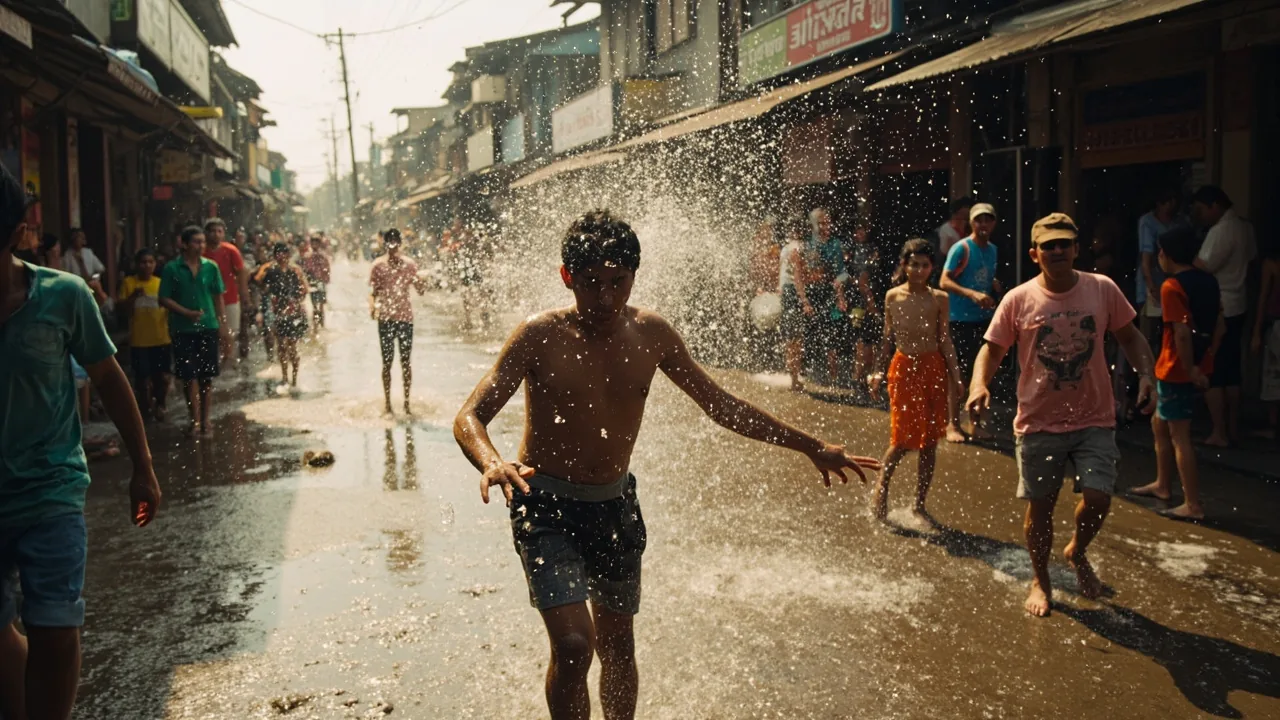
Thingyan is Southeast Asia’s wildest street party. For four days every mid-April, the entire country of Myanmar hits the streets with buckets, hoses, water guns, and foam, drenching anyone and everyone to wash away the sins of the previous year. It is loud, joyful, slightly chaotic, and genuinely one of the most culturally important events on the Burmese calendar.
Important caveat up front: Myanmar’s safety situation has been highly variable since 2021, and most Indian travellers should check the current MEA travel advisory and the destination’s own advisory page before booking. Several airlines and governments have changed their posture on Myanmar travel at various points in 2024-2026, and this article assumes you have already decided to go based on the latest advisory.
Quick Answers
| What | Answer | Price (INR) |
|---|---|---|
| When is Thingyan 2026? | 13-17 April 2026, with the public festival days 13-16 April and New Year’s Day on 17 April | Free to watch |
| What is Thingyan? | Burmese New Year water festival marking the transition from the old to new year | - |
| Where do Indians go for Thingyan? | Yangon (biggest urban party), Mandalay (most traditional), Bagan (smaller, scenic), Inle Lake (quietest) | - |
| Myanmar e-visa fee for Indians | ₹4,820 (~50 USD), single entry, 28-day max stay, applied via evisa.moip.gov.mm | ₹4,820 (~50 USD) |
| Bus Yangon to Bagan for the festival | Overnight VIP bus, 8-9 hours | ₹771-₹1,446 (~8-15 USD) |
What Thingyan Is
Thingyan (သင်္ကြန်), pronounced roughly “tin-jan,” is the Burmese translation of the Sanskrit Songkran, the same festival you see in Thailand. Both come from the Pali word for “astrological passage,” referring to the sun’s movement from Pisces into Aries on the Burmese calendar.
The water is not just fun, it carries real symbolic weight. Pouring water over elders and Buddha images is meant to wash away the bad luck, misdeeds, and impurities of the past year. Burmese families traditionally rise early on Thingyan morning to pour scented water over monks, parents, and grandparents. The street water fights, foam parties, and music stages that you see all over YouTube come from the modern, urban, commercial version of the festival that has exploded since the 2000s, and especially since Myanmar’s tourism boom in the 2010s.
The festival officially runs four days, from the day before the Burmese New Year (the “a-kyo” day of eating) through New Year’s Day itself. In 2026, the public Thingyan holiday period in Myanmar is 13-17 April, with the new year itself falling on 17 April. Yangon, Mandalay, and Naypyidaw all run public stages with music, while Bagan and Inle run smaller community-led celebrations. Always double-check the exact 2026 dates closer to the month because Myanmar’s government sometimes shifts the holiday by a day for administrative reasons.
The Four Days, Step by Step
Understanding the structure helps you plan which day to show up and where.
Day 1 (a-kyo): A quieter day. Burmese people cook traditional festive meals like mont lone yay baw (glutinous rice balls in coconut broth) and htamane (a sweet glutinous rice dish with coconut, peanuts, and sesame). Travellers mostly stay in or near their guesthouses and observe.
Day 2 and Day 3 (a-kyat and a-kyat nei): The main water-throwing days. Streets become rivers. Trucks fitted with massive drums of water and high-pressure hoses park at intersections. Music stages in Yangon’s downtown and Mandalay’s city centre run from morning to midnight. This is when you want to be out.
Day 4 (a-kyat nei sakyah): The final day of water throwing. The traditional Burmese belief is that on this day, the Thingyan nat (a spirit) departs on a mythical boar, taking all the year’s dirt and sin away. People pour one last ceremonial pot of water and head home to bathe and rest.
New Year’s Day (17 April 2026): Called Hta Ma Hlai Kyeik in Burmese, this is the equivalent of 1 January. People visit temples, offer food to monks, release fish and birds, and wear new clothes. Water throwing is officially over. Travellers usually spend this day quietly, recovering, and visiting a pagoda like Shwedagon in Yangon.
How the Water Throwing Works
You will get wet. That is not a warning, it is a description. There is no dry zone at Thingyan.
The mechanics are simple. You walk out of your guesthouse with a waterproof phone pouch, a change of clothes in a dry bag, and either a water gun (called a pat-ta) or a bucket. Within 100 metres you will be soaked. Locals drive around in pickup trucks with 1,000-litre drums in the back, hosing down the road, the footpath, and anyone walking. Music stages blast Burmese pop, Thai covers, and K-pop. People slather white foam (zabul, a paste traditionally made from Thanaka bark) on each other’s faces.
The etiquette is mostly relaxed, but a few rules hold everywhere:
- Do not splash monks, elderly people carrying offerings, or anyone trying to get to a temple ceremony.
- Do not throw dirty water or ice-cold water. The festival is celebratory, not punishing.
- Be respectful of women. The standard rule everywhere in Southeast Asia for any festival: keep your hands and your water gun to yourself if someone signals discomfort.
Pro Tip: Carry your passport in a waterproof ziplock inside your daypack, not in your pocket. Losing it on Day 2 means spending Day 3 at the Yangon police station instead of the festival.
Where to Go for Thingyan
Myanmar is a regional destination, so this section covers the four main bases where Indian travellers celebrate Thingyan. For a broader overview of the region, check out our Southeast Asia backpacking hub. None of these are invented. They are the four cities you can realistically reach and stay in during the festival window.
Yangon: The Biggest Urban Party
Yangon is the loudest, most crowded, and most foreigner-friendly Thingyan experience. If you are planning a longer stay, our 1 week in Yangon backpacker guide covers budget accommodation and day trips beyond the festival. The action centres on Mahabandoola Garden in downtown, where a multi-stage setup runs from roughly 9 a.m. To 9 p.m. For all four days. Pansodan Street, Sule Pagoda Road, and the area around Bogyoke Aung San Market get completely soaked. The Shwedagon Pagoda area, slightly north, has its own smaller stage and is the spot to be on New Year’s Day for temple visits.
Yangon also has the most variety of food open during the festival. Most Burmese restaurants close for at least one day (usually Day 4), but the major hotels, Indian restaurants, and night-market-style setups stay open. If you are vegetarian, The Moon Vegetarian Restaurant in downtown Yangon is the safest bet for getting dal-rice or a Burmese vegetarian curry mid-festival. It is rated 4.4 by travellers and one of the few places with a proper Indian-leaning menu.
For dorms, Yangon is the most expensive city in Myanmar. Budget dorm beds run around ₹578-₹1,157 (~6-12 USD), and they spike higher during Thingyan as demand surges. Book at least two weeks ahead.
Mandalay: The Most Traditional
Mandalay is the cultural heartland and the city most Burmese people consider the “real” Thingyan. For a deeper dive into the city beyond the festival, see our 3 days in Mandalay backpacker itinerary. The festival here is slightly less chaotic than Yangon and more rooted in tradition. Mandalay’s main stage sits near the palace moat, and the procession around Mandalay Hill on the morning of New Year’s Day is one of the most photogenic moments in Myanmar.
Mandalay also has more Indian food than you would expect, because of the historic Indian-Burmese community. Unique Mandalay Tea Room (rated 4.2) is a charming tea-room-style spot with light Indian-leaning snacks, perfect for a midday break between water fights. For dinner, Izakaya AKIMOMI Mandalay Branch (rated 5.0) is a Japanese izakaya, surprisingly high-rated by travellers, and a clean, air-conditioned escape if the festival heat gets to you. Dorm beds here run around ₹482-₹964 (~5-10 USD), the cheapest of the four cities.
Bagan: The Smaller, Scenic Option
If Yangon and Mandalay feel too crowded, Bagan runs a quieter, more touristy Thingyan. For a full Bagan planning guide, see our Bagan 2026 temple-hopping plan. The temple plain is your backdrop. Expect far fewer locals but a stronger foreigner crowd, more music stages at the bigger hotels, and a more relaxed vibe. Dorms are ₹578-₹1,350 (~6-14 USD) and book out faster than you would expect because Bagan has limited rooms. Get the Yangon-to-Bagan overnight VIP bus locked in at least a week ahead.
There are no major Indian restaurants in Bagan proper. Your options are Burmese teahouses and guesthouse food. If you are strict vegetarian, stock up on snacks in Yangon before heading up.
Inle Lake: The Quietest
Inle is the least Thingyan-festive of the four. Most of the lake and Nyaung Shwe town are quiet, and the main festival action happens in the town square with a small stage. Travellers report Inle as the place to recover from Yangon’s chaos or for travellers who want pagoda visits over water fights. Dorms are ₹578-₹1,060 (~6-11 USD).
What It Costs
| Item | Cost |
|---|---|
| Myanmar e-visa (Indian passport) | ₹4,820 (~50 USD), 28 days, single entry |
| Dorm bed Yangon (Thingyan week) | ₹578-₹1,157 (~6-12 USD) |
| Dorm bed Mandalay | ₹482-₹964 (~5-10 USD) |
| Dorm bed Bagan | ₹578-₹1,350 (~6-14 USD) |
| Dorm bed Inle | ₹578-₹1,060 (~6-11 USD) |
| Bus Yangon to Bagan (overnight VIP) | ₹771-₹1,446 (~8-15 USD) |
| Bus Yangon to Mandalay (overnight VIP) | ₹964-₹1,735 (~10-18 USD) |
| Taxi Yangon airport to downtown | ₹771-₹1,157 (~8-12 USD) |
| Local Burmese meal at a teahouse | 2,000-4,000 MMK (~₹480-960 at 1 MMK ≈ ₹0.24) |
| Indian thali at a Yangon Indian spot | 4,000-7,000 MMK (~₹960-1,680) |
| Festival street food (grilled skewers, mohinga) | 1,000-2,500 MMK (~₹240-600) |
The local currency (Myanmar Kyat, MMK) has been highly volatile since 2021. Always carry some USD cash as a backup because ATM cash withdrawals and card acceptance remain patchy across Myanmar.
Getting There: Visa and Flights
Indians need a visa before flying in. The e-visa is the only reliable option; visa-on-arrival has been suspended.
| Detail | Value |
|---|---|
| Visa type | e-Visa (single entry) |
| Fee | ₹4,820 (~50 USD) |
| Max stay | 28 days |
| Official portal | https://evisa.moip.gov.mm |
| Processing time | 3 business days typical |
Apply through the official portal only. Any third-party “evisa service” charging a markup over the official fee is not necessary. For a full breakdown of the process, see our Myanmar visa for Indians guide. The portal accepts Indian debit and credit cards.
For flights, the main routes from India are:
- Delhi to Yangon direct on Myanmar National Airlines or via Bangkok/Kolkata connections. Round trip from ₹18,000-₹32,000 (~$187-$332) depending on season.
- Kolkata to Yangon direct or via Bangkok. Slightly cheaper, round trip from ₹15,000-₹25,000 (~$156-$259).
April is peak season, so book at least 6-8 weeks ahead for Thingyan. Last-minute fares from India to Yangon in mid-April regularly cross ₹40,000 (~$415) round trip.
Getting Around During Thingyan
Use official taxis or hotel-arranged cars, not random tuk-tuks. Thingyan traffic in Yangon and Mandalay is genuinely chaotic, with roads partly flooded and water-throwing happening on every major intersection.
For the Yangon-to-Bagan and Yangon-to-Mandalay overnight buses, the main operators run VIP reclining-seat services. Book through 12go for English-language booking and refund protection. The Yangon to Bagan route and Yangon to Mandalay route can both be booked on 12go. Both are 8-9 hour overnight journeys with VIP reclining seats.
Within Yangon, the Yangon City Hall taxi booth at the airport is the safest way into town at ₹771-₹1,157 (~8-12 USD). Do not accept rides from drivers approaching you inside the terminal. Use the official taxi desk after you exit.
Getting Connected
A working data connection during Thingyan is genuinely useful. Maps get confused because the city is partly flooded, taxi apps need a signal at 11 p.m. When you finally drag yourself home, and you will want to send your parents the obligatory “I am alive and soaked” video.
The two main options are a local SIM (MPT, Telenor, Mytel, Ooredoo) or an eSIM you activate before flying. For a detailed comparison of providers and prices, see our best SIM card in Myanmar guide.
For an eSIM that works the moment you land, visit the official Nomad eSIM site. For a local SIM, the airport counters in Yangon International sell tourist SIMs. Bring your passport and expect a 20-30 minute activation process. Coverage in Yangon and Mandalay is solid, weaker in Bagan and patchy in Inle.
Safety Alert: Phone theft spikes at Thingyan. Carry your phone in a sealed waterproof pouch with a lanyard, and never put it down at a stage. Travellers report losing phones at music stages every year.
Safety at Thingyan
Thingyan is overwhelmingly safe, but the festival environment creates a few specific risks that any honest guide has to mention.
Water safety. Tap water in Myanmar is not potable. The festival water is mostly clean (organised trucks fill from treated sources) but never guaranteed. If you get water in your mouth or eyes, rinse with bottled water as soon as you can. Travellers report stomach issues after festival days, mostly from wet food or from accidentally swallowing splash water.
Pickpocketing. Festival crowds are dense, especially around Mahabandoola Garden in Yangon and the palace moat in Mandalay. Keep your wallet in a front pocket, your phone lanyarded inside your shirt, and your passport back at the hostel in a locked bag. Travellers report losing cash and phones every year.
Sun and heat. April in central Myanmar is hot with high humidity. You are outdoors, getting sprayed, and probably drinking less water than you think. Heat exhaustion is real. Carry a 1-litre bottle, refill at any teahouse, and take shade breaks every 90 minutes.
Political sensitivity. Myanmar’s political situation has been unstable since 2021, and the security environment changes without much notice. Avoid photographing police, military, or government buildings, even in a festival context. Stick to the established festival zones (Mahabandoola, Mandalay palace moat, Bagan temple plain) and avoid sidestreets after dark. Check the Indian MEA advisory at https://www.mea.gov.in/ within 48 hours of departure.
General festival crimes of opportunity. Standard Southeast Asia festival rules: do not accept drinks from strangers you just met, do not walk alone at 2 a.m. In unfamiliar parts of downtown Yangon, and keep your guesthouse address written in Burmese script on a card in your pocket in case your phone dies.
What to Eat (and Where)
Food is part of the Thingyan experience. The festival has its own special dishes.
Mohinga (fish noodle soup, the unofficial national dish) is served at street stalls all over Yangon and Mandalay during the festival. Kyal Sin Thit (rated 4.7) is a reliable Yangon spot for Burmese flavours across the menu, not just mohinga. For a sit-down vegetarian meal, The Moon Vegetarian Restaurant (rated 4.4) is your safest bet.
Mont lone yay baw (rice balls in coconut broth) is the classic Thingyan sweet snack. Look for it at teahouses and street vendors, especially on a-kyo day.
Htamane (sticky rice with coconut, peanuts, sesame, and ginger) is the other festival sweet. It is served cold and is filling enough to be a meal.
For a proper sit-down Burmese meal, options in Yangon include Elodie Restaurant, Nourish Cafe Yangon, MadameEm’s, and Shwe Sa Bwe; check current ratings and reviews before visiting.
In Mandalay, the Indian community has left a clear mark on the food. Unique Mandalay Tea Room (rated 4.2) is a charming tea-room with light Indian snacks, and Izakaya AKIMOMI Mandalay Branch (rated 5.0) is a clean Japanese izakaya, useful if you want a break from Burmese spice.
Common Mistakes Indians Make at Thingyan
Arriving without a printed e-visa. The e-visa portal gives you a PDF. Print it. Immigration at Yangon International has turned away Indian travellers whose phone died at the counter and who had no paper backup. Cell signal at Yangon airport arrivals can be patchy.
Underestimating the heat. April is the hottest month in Myanmar. Most Indian travellers are used to Indian summer, but Burmese humidity is a different beast. Hydrate more than you think you need to.
Not booking accommodation early. Yangon and Bagan hostels sell out by mid-March. Mandalay fills by late March. If you show up on 12 April without a booking, you will pay 2-3x the normal rate or sleep in a 24-hour teahouse.
Bringing white clothes that you care about. Thingyan dyes. The festival foam (zabul) stains light fabrics. Wear dark, cheap, fast-drying clothes you are ready to throw away.
Taking photos of military or police. Even at a festival, even from across the street, even with a 0.5x wide angle. Travellers have been detained for this. Just don’t.
Leaving the festival zone after dark alone. Stick with a group or a guide after 9 p.m. Downtown. The festival clears out by 10 p.m. And the sidestreets get quiet.
Forgetting that Myanmar still uses MMK. Some travellers from Thailand arrive expecting baht to work. It does not. Bring USD cash for backup and change at the airport.
What to Pack
- Waterproof phone pouch with lanyard (₹300-₹500 (~$3-$5) on Amazon India)
- Quick-dry clothes, two changes
- Crocs or other strap-on sandals (your shoes will get soaked)
- 1-litre water bottle
- Dry bag for passport and cash
- Water gun (you can buy one in Yangon for 1,500-2,500 MMK)
- Sunscreen (SPF 50)
- Basic first aid: oral rehydration salts, paracetamol, immodium, band-aids
- Printed e-visa
- Photocopies of passport (separated from the original)
FAQ
Is Thingyan safe for Indian travellers in 2026?
The festival itself is safe and welcoming. The bigger variable is the broader security situation in Myanmar, which has been unstable since 2021. Check the MEA advisory at mea.gov.in within 48 hours of departure, and avoid any sidestreets or political gatherings outside the main festival zones. Most travellers who go report no incidents, but you are making an informed choice.
Do I need a visa for Thingyan?
Yes. Indian passport holders need a Myanmar e-visa, ₹4,820 (~50 USD), single entry, 28 days max, applied via https://evisa.moip.gov.mm at least 3 business days before flying.
When exactly is Thingyan 2026?
The public festival days are 13-16 April 2026. New Year’s Day is 17 April. Dates can shift by a day, so confirm closer to the month.
Can I do Yangon and Bagan during the festival?
Yes, but you will lose at least half of Day 2 to the overnight bus. The recommended order is fly into Yangon, do 1-2 days of Yangon Thingyan, overnight bus to Bagan on Day 2 night, do Bagan Day 3 and New Year’s Day temple visits, then either fly back to Yangon from Bagan (Nyaung U airport) or continue overland.
Will I get my clothes and phone ruined?
Probably. That is the festival. Plan for it. Waterproof everything important and wear cheap clothes.
Is there an age restriction for water throwing?
No. Burmese families bring children of all ages into the festival. Stay clear of heavy trucks with pressure hoses and don’t stand directly under the drum outlets.
Do Burmese people celebrate with foreigners?
Yes. Burmese Thingyan is famously friendly to foreigners. You will get pulled into group photos, sprayed by teenagers, and offered foam by total strangers. Smile and join in.
Subodh’s Take
Thingyan is one of those rare festivals where the local version is more fun than the Thai version most Indians know about, because Myanmar has far fewer tourists and the Burmese people genuinely want you in the celebration. But you are also going to a country with an unstable security situation and limited consular support if things go wrong. Go with a printed e-visa, travel insurance, a clear itinerary, and your eyes open. Soak in the joy, stay out of trouble, and be home by 18 April.
Travel Insurance: Get SafetyWing travel insurance. Includes COVID, trip interruption, and medical evacuation across Southeast Asia.
