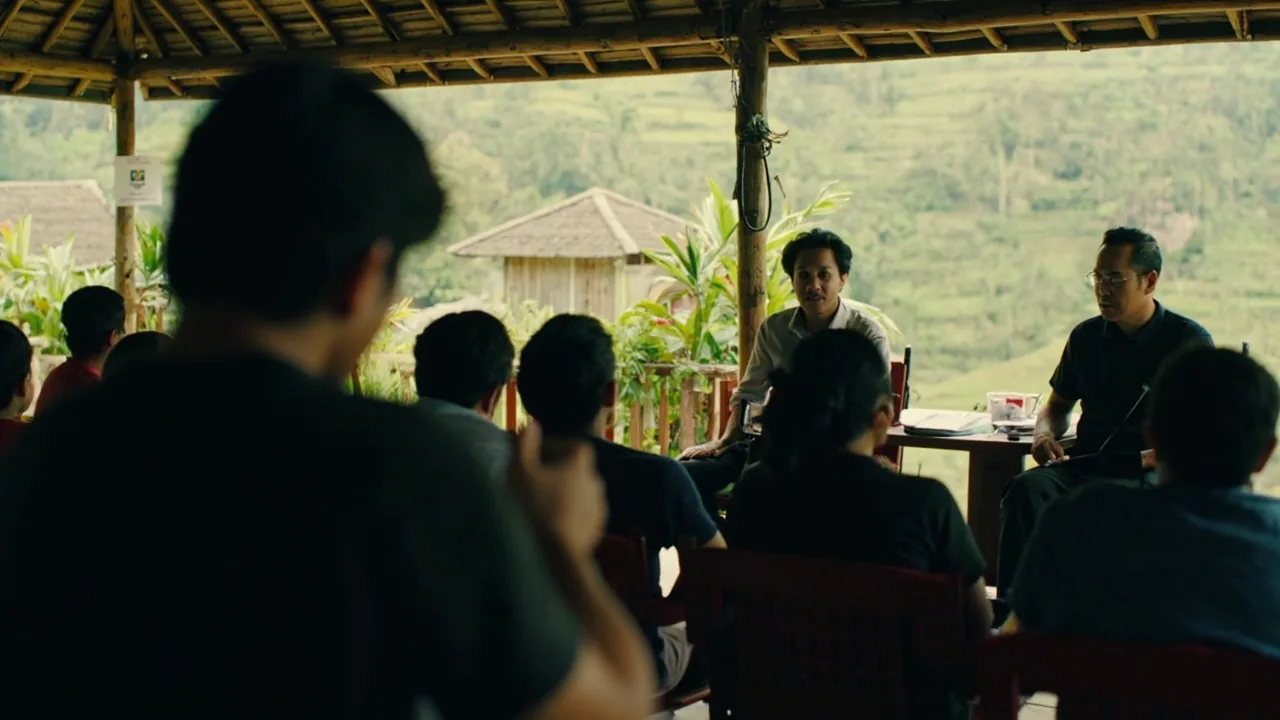
Ubud Writers & Readers Festival 2026: A Guide for Indian Travellers
Every October, the small Balinese town of Ubud turns into the loudest literary conversation in Southeast Asia. The ubud writers festival draws novelists, poets, journalists, and bookish travellers. This guide covers what Indian backpackers should expect from the programme, how to budget for tickets and a few nights in Ubud, and the usual gotchas.
If you’re already moving through Southeast Asia on a long route, slipping into Bali for the festival is one of the few events that justifies a detour. The rest of the time Bali is a beach-and-temple circuit, but during UWRF the rice-terrace cafés of Ubud are full of people who read books on purpose.
Quick Answers
| What | Answer | Price (INR) |
|---|---|---|
| When does UWRF 2026 run? | Late October, exact dates published closer to event | Verify on official site |
| How much is a festival day pass? | Available online and at the gate | ₹2,411 (~450,000 IDR or ~$25.01) |
| Full festival pass? | Covers all five days of panels | ₹12,056 (~2,250,000 IDR or ~$125.05) |
| Average dorm bed in Ubud during festival? | October rates jump 30 to 50 percent | ₹1,875 (~350,000 IDR or ~$19.45) |
| Local SIM/eSIM with data? | Telkomsel or Nomad eSIM, 30-day pack | ₹536 (~100,000 IDR or ~$5.56) |
The full programme (panel times, author names, venue rooms) is published on the festival’s official site about six weeks before opening day. Always re-check before you book flights.
What Is UWRF, and Why Do Indians Show Up For It?
The Ubud Writers & Readers Festival started in 2004 and is now one of the largest literary gatherings in Southeast Asia. The format is straightforward: morning and afternoon panel sessions in venues around central Ubud, evening launch events and readings, and a closing-night ceremony with a named keynote. Talks cover fiction, translation, climate journalism, memoir, poetry, and the politics of publishing.
Indian travellers tend to arrive for three reasons. Some are published writers or translators looking for an international platform. Some are students on a literature or journalism programme, which Indian universities occasionally fund. Most, though, are backpackers who happened to be in Bali and figured a literary festival would be a change of pace from Kuta beach clubs. A common pattern across all three groups: the festival bookshop is hard to resist, and you’ll want to leave space in your bag for purchases.
Subodh’s Pro Tip: If you’re a working writer or journalist, the festival’s “Emerging Writers” workshop slots are worth the extra ticket. They sell out faster than the headline panels, so book the moment the programme drops.
Programme Highlights and How to Read the Schedule
The festival runs roughly five days, usually Wednesday to Sunday, anchored by a Saturday-night gala and Sunday closing. Each day has between 12 and 20 simultaneous sessions, distributed across 4 to 6 venues in central Ubud (most within a 15-minute walk of each other, so you can hop between them).
The programme typically breaks into four streams:
- Fiction and memoir: novelists reading from new work, panel discussions on craft, and translation-focused sessions. Indian readers tend to fill these rooms.
- Ideas and current affairs: journalism on climate, democracy, migration, the politics of publishing in the Global South. Heavier content, shorter queues.
- Poetry and performance: smaller rooms, more intimate, often the best pure-listening experience of the week.
- Workshops and masterclasses: smaller paid sessions (separate ticket, usually ₹3,215-₹6,430 (~600,000-1,200,000 IDR or ~$33.35-$66.69) per workshop), capped at 15 to 25 people.
The single most useful thing to know about the schedule: every session is published with a “venue + room” tag. Bring a screenshot of the day’s map, because Ubud’s street numbering is famously inconsistent and three venues share names with three hotels.
Safety Alert: Ubud’s central pedestrian lanes get crowded between 5pm and 8pm during the festival week. Watch your bag in those queues. Thefts are rare but not unknown during peak festival hours.
Tickets, Passes, and How to Budget
The festival runs on a tiered pass model. Prices below are based on the most recent published structure and the official site’s 2026 update; always confirm on the festival page before paying.
| Pass Type | What It Covers | Cost |
|---|---|---|
| Day Pass | Single day, all venues | ₹2,411 (~450,000 IDR or ~$25.01) |
| Three-Day Pass | Friday to Sunday or any three consecutive days | ₹6,698 (~1,250,000 IDR or ~$69.47) |
| Full Festival Pass | All five days, every panel | ₹12,056 (~2,250,000 IDR or ~$125.05) |
| Workshop Add-On | One masterclass, capped seats | ₹3,215-₹6,430 (~600,000-1,200,000 IDR or ~$33.35-$66.69) |
| Student Pass | Full festival, valid student ID required | ₹5,894 (~1,100,000 IDR or ~$61.14) |
The full festival pass at ₹12,056 (~2,250,000 IDR or ~$125.05) is reasonable for a five-day, dozen-panels-a-day event by Southeast Asian festival standards. Workshops are overpriced if you’re not getting published mileage out of them, but the free evening readings are open to anyone.
Indonesian card payments work reliably at the gate; Indian RuPay does not, so bring a Visa or Mastercard, or pay in cash IDR at the on-site box office.
Subodh’s Pro Tip: The official festival box office is the only place that sells student passes in person. Online booking closes student discounts because they need to see your ID.
Where to Stay During Festival Week
Ubud accommodation shifts in October. Hotel and hostel owners know the festival is on, and rates climb 30 to 50 percent above the September baseline. Book at least four weeks ahead, or you’ll end up in a homestay 6 km out of town with a 25,000-IDR scooter ride into the panels each morning.
The hostels worth targeting are the social ones in central Ubud, walking distance to the main venues. Dorm beds during festival week go from ₹1,072 (~200,000 IDR or ~$11.12) in the shoulder season to ₹1,875 (~350,000 IDR or ~$19.45) once the festival opens. Hostel names and availability shift seasonally; check Hostelworld or Booking.com about four weeks before the festival for current central-Ubud options with walking-distance access to venues.
Getting There and Around Ubud
Most Indian travellers fly into Ngurah Rai International Airport (DPS) in Denpasar, often with a connecting flight through Kuala Lumpur or Singapore. The airport to Ubud is roughly 35 to 40 km, depending on traffic. Three honest options:
- Grab (ride-hailing): the easiest. Around ₹1,875-₹2,411 (~350,000-450,000 IDR or ~$19.45-$25.01) to central Ubud, 60 to 90 minutes depending on Denpasar-side traffic. Get the Grab app before landing.
- Pre-booked airport transfer: usually ₹2,143-₹2,679 (~400,000-500,000 IDR or ~$22.23-$27.79) per car. Worth it if you arrive late or have festival luggage.
- Public shuttle + local bemo: cheapest at about ₹429 (~80,000 IDR or ~$4.45) but adds transfers and time. Skip this with festival luggage.
Getting around Ubud itself is easier than people expect. The central venues are within walking distance of each other. For anything further than 2 km, rent a scooter (around 70,000 IDR/day from a vetted shop) or call Grab. Avoid the scooters on day one if you’ve just landed.
Safety Alert: Ubud’s roads look rural but are narrow and have sharp bends. Traveller reports note a higher concentration of scooter accidents in the Ubud hills compared to flatter parts of Bali. If you’re not confident, use Grab.
Daily Budget for Festival Week
Ubud is mid-priced by Bali standards, but festival week adds 20 to 30 percent to most things. For the full Bali budget breakdown, see our dedicated guide. A realistic per-day budget for an Indian backpacker who wants to attend panels rather than sit in a café:
- Hostel dorm: ₹1,875 (~350,000 IDR or ~$19.45)
- Festival day pass (one day): ₹2,411 (~450,000 IDR or ~$25.01)
- Two meals + snacks: ₹482 (~90,000 IDR or ~$5)
- Coffee + drinks: ₹268 (~50,000 IDR or ~$2.78)
- Local transport (Grab + walking): ₹429 (~80,000 IDR or ~$4.45)
- Contingency: ₹536 (~100,000 IDR or ~$5.56)
Total: about ₹5,070-₹6,001 (~950,000-1,120,000 IDR or ~$52-$62) per day.
The single biggest budget saver is the festival’s evening readings. They’re free, open to anyone, and usually the best attended events of the week, so you save a ticket for the night without losing quality.
Vegetarian and Indian Food Around Ubud
Ubud punches well above its weight on veg food. There are two real options for Indian travellers: actual Indian/veg restaurants run by Balinese-Indian families, and the broader Ubud café scene which has a strong plant-based streak.
For Indian food specifically, the central warung cluster has a few places that do dosa, thali, and paneer curries that won’t shame your Amma’s cooking. Expect ₹321-₹643 (~60,000-120,000 IDR or ~$3.33-$6.67) for a full thali, which is expensive by Indian standards but normal for Ubud. Most of these places close by 10pm, so plan dinner before the late readings.
If you’re fully vegetarian and not picky, Ubud’s main café strip is your friend. Warung serving nasi campur (rice + veg sides) starts at ₹134 (~25,000 IDR or ~$1.39) and is one of the cleanest, cheapest meals in town.
Don’t count on hostel kitchens for proper veg cooking. Most dorm kitchens have one shared burner and the fridge is full of everyone’s oat milk. Eat out instead.
Getting Connected
Ubud has reliable 4G on Telkomsel and XL Axiata; both work fine for Grab, WhatsApp, and Google Maps during the festival. A 30-day local SIM with 30GB runs about ₹536 (~100,000 IDR or ~$5.56) with passport registration at any official Telkomsel/XL store in Ubud.
If you’d rather skip the passport scan or don’t want to lose a SIM slot in your phone, Nomad eSIM is the easier choice: data-only, no passport, activates by QR code the moment you land. Useful for calling a Grab at midnight after the closing-night party instead of flagging down a stranger on a scooter.
Night-Time Vibes After Panels
The festival itself ends early: most venues close by 9pm, and the evening readings wrap by 10pm. What happens after is the unofficial part, and it’s where most festival friendships start.
Ubud’s nightlife in October is mild by Bali standards. The two or three main bars in town run live acoustic sets until midnight and Bintang (the local beer) starts at ₹188 (~35,000 IDR or ~$1.95) a bottle. Cocktails go from ₹429-₹697 (~80,000-130,000 IDR or ~$4.45-$7.23) depending on the venue. For a low-key night after a heavy day of panels, this is the right size.
If you want bigger party energy, Kuta and Seminyak are 90 minutes by taxi south. The trip back from a Saturday-night closing in Kuta can easily eat two hours in traffic. Stay in Ubud.
Related guides: Lombok nightlife guide covers Bali’s quieter neighbour if you have post-festival days to burn. Yogyakarta nightlife guide is the closest Java parallel for the literary-and-cultural traveller.
For a broader view of after-dark options across the region, see our Southeast Asia nightlife overview.
Common Mistakes Indians Make at UWRF
A handful of patterns show up every year:
- Booking flights before the programme drops. The dates are stable but the day-by-day schedule isn’t published until late August. Don’t lock in non-refundable flights before you know which panels you care about.
- Treating it like a beach holiday. Ubud has no beach. Pack a light layer for evening panels; October evenings can feel cool after afternoon rain.
- Comparing prices to mainland Southeast Asia. Ubud is Bali-priced. A 25,000-IDR nasi campur is the cheap anchor; everything else climbs from there.
- Missing student pricing. Check the official festival page for the current year’s student-pass requirements before you travel.
- Over-packing. Festival bookshops and readings tend to produce impulse buys. Leave room in your bag for books.
Festival Etiquette and Local Rules
The festival is small enough that etiquette matters more than at a stadium event. Most of it is common sense.
Indonesian dress at literary events is more relaxed than temple visits, but panelists at the festival itself tend to dress up. Smart casual is the safe floor. The closing gala goes more formal; bring at least one clean shirt.
Photography is restricted in some closed sessions (especially workshop rooms). Look for the camera-icon sign at the door. Ubud locals are warm and curious; basic Bahasa Indonesia (“terima kasih”, “selamat pagi”) goes a long way with the volunteers.
The biggest cultural note: a few venues are inside or adjacent to compounds. Take your shoes off when entering any room with a low threshold and a small altar on the right.
Local Rules and Curfews
Bali does not have a formal nightlife curfew for tourists, but Ubud’s main venues wind down by midnight regardless. Alcohol sales stop during certain religious days (Nyepi is the obvious one, but smaller temple anniversaries also affect local sales). Check the local calendar if your trip straddles a purnama (full moon) day.
The legal drinking age is 21 in Indonesia. Enforcement varies by venue, but bars near the festival are strict about ID during festival week.
Safety and Common Scams
Ubud is among the safest towns in Southeast Asia, but the festival week attracts a particular set of opportunistic scams:
- Fake ticket sellers. Buy only on the festival’s official site or the on-site box office. Anything from a street tout is unverifiable.
- “Free shuttle, friend” touts at the airport. They hand you a flyer and point you to a vague taxi. Decline and use Grab.
- Money changers with no posted rate. Stick to the official money changers in central Ubud or use your forex card at an ATM. Stay away from the small shops that quote rates verbally.
- Scooter rental deposits. Photograph every scratch. Festival week sees more deposit disputes than any other time of year in Ubud.
For broader Southeast Asia safety context (which applies during your transit days through Bangkok, KL, or Singapore on the way to Bali), check the Indian government’s official travel advisory at mea.gov.in before departure. Advisories update more often than they used to; the page is the place to verify any region-specific concern.
FAQ
Is UWRF 2026 worth flying to Bali for? If you care about literature, translation, or international journalism, yes. The full festival pass at ₹12,056 (~2,250,000 IDR or ~$125.05) is the cheapest entry into a major regional literary festival for Indian travellers.
Are sessions in English? Yes. Almost every panel is in English, with translation into Bahasa Indonesia for select events. Speakers typically come from a wide range of countries; English is the working language.
Can I attend with no literary background? Most attendees are general readers, not writers. A few panels require pre-reading (the festival emails out extracts a week before), but the vast majority are open discussions.
Are kids allowed? The festival is family-friendly during the day. The evening readings and galas tend to skew adult in tone. No formal age restriction, but sessions run long.
What if it rains? October is shoulder-monsoon. Expect a heavy shower most afternoons, panels continue. Bring a light rain jacket.
Does the festival offer refunds if I can’t attend? Generally no. Read the policy on the official festival page before you buy. Travel insurance with trip-interruption cover is the right fallback.
Subodh’s Take
The Ubud Writers & Readers Festival is the rare Southeast Asian event that justifies a Bali detour on its own. Book the dorm and the day passes early, walk the panels slowly, and skip any workshop you can’t justify with a specific professional goal. The literary panels are the main act; everything after 9pm is just well-read travellers drinking Bintang and arguing about translation.
