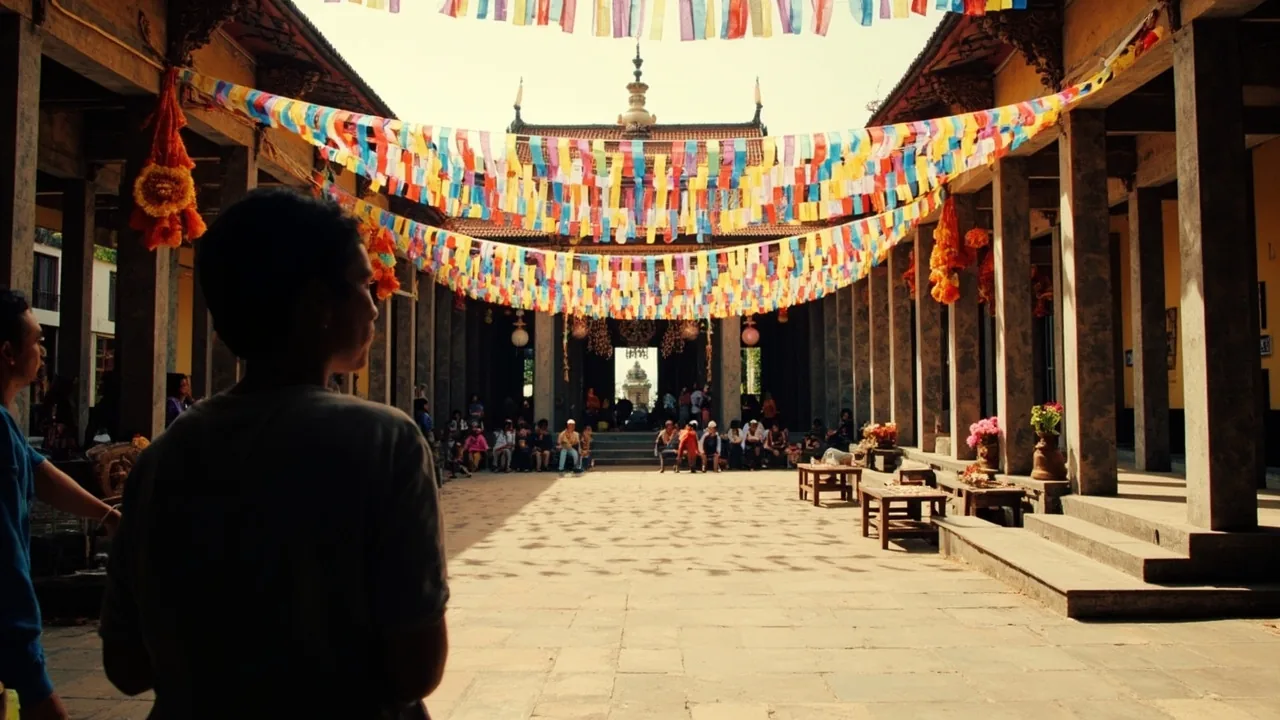
Cambodian New Year in April: Dates, Traditions & Travel Guide for Indians
Cambodia year kicks off April 13-16 with Chaul Chnam Thmey, the Khmer new year. Expect shuttered shops, families in new outfits heading to pagodas, and a quieter, more devout version of Thailand’s Songkran. Verified against traveller reports from April 2026, the official Cambodia Ministry of Tourism event calendar, and cross-checked with local Khmer community calendars and travel blogs.
For broader Southeast Asia backpacking tips, see our SEA backpacking hub.
Quick Answers
| What | Answer | Price (INR) |
|---|---|---|
| When is Cambodian New Year 2026? | April 13–16, 2026 (Maha Sangkran on April 13, Wanabat on April 14, Virak Wanabat on April 15, Virak Loeng Sak on April 16) | Public holiday |
| Why does Cambodia celebrate in April? | The traditional Khmer calendar follows the Buddhist solar cycle, not January 1. April marks the end of harvest season and the start of the rainy (rice-planting) season. | Cultural |
| Is it safe for Indian travellers to visit during Khmer New Year? | Yes, but plan ahead: most shops, banks and government offices close for the full 3–4 days. Cash up before the 13th. | Practical |
| What’s the weather like in Cambodia in April? | Hot, 33–38°C, humid. Pre-monsoon dry heat across Phnom Penh, Siem Reap and the coast. | Weather |
| Do Indians need a visa for Cambodia? | Visa-on-arrival: ₹2,892 (~30 USD) at airport. E-visa: ₹3,471 (~36 USD) online before travel. Passport valid 6+ months. | ₹2,892-₹3,471 |
| E-visa processing fee | ₹578 (~6 USD) added to e-visa cost. | ₹578 |
Why Cambodia Celebrates New Year in April
Cambodia runs on two calendars: the Gregorian calendar for daily life, and the Buddhist Khmer calendar (Chula Sakarat) for religious and cultural events. The Khmer new year is anchored to the sun’s passage into Aries, which historically fell in early April. Add the agricultural layer: April is the end of the dry harvest, and the land is about to go into rice-planting mode. So Khmer new year doubles as a harvest thanksgiving and a religious reset.
For Indian travellers used to Diwali or Ugadi moving around the calendar, this will feel familiar. The dates are fixed-ish: always April 13–16, occasionally April 14–17 if the Buddhist committee adjusts for astrological alignment. There is no Hindu-style lunar drift here.
The Four Days, Explained
Indian backpackers often arrive expecting Thai Songkran chaos (water guns, foam parties, Pattaya mayhem). Khmer new year is more restrained, but it has its own energy.
Maha Sangkran (April 13). The day the new year arrives. Locals dress in new clothes, light candles and incense at the family altar, and clean the house. People pile into pagodas to offer food to monks. The “angkor bath” or sraung tuk takes place in the afternoon: people pour scented water over the Buddha statues, then collect the runoff to wash their elders’ hair as a sign of respect.
Wanabat (April 14). The day of giving. People donate to the poor, release birds and fish, and visit relatives. Temples feed thousands of monks and laypeople. If you’re in Phnom Penh or Siem Reap, this is the day to visit Wat Phnom or Wat Bo for the most photogenic scenes.
Virak Wanabat (April 15). Buddha’s birthday, celebrated by washing and decorating the Buddha statues, lighting lanterns, and gathering for chanting. Children wash their grandparents’ feet.
Virak Loeng Sak (April 16). The day of welcoming the new year’s angels (Tevoda). Khmer families build small sand mountains (Choung Mouy Cheung) in the temple grounds, symbolising prayers reaching the heavens. The sand is later returned to the beach or river when the rains begin.
Water throwing does happen in Cambodia, but it’s gentler than Songkran. You’ll see kids with buckets and hose pipes on the street, but bars don’t close down for foam parties, and most adult Cambodians view heavy water-throwing as a Thai habit. You’ll have more fun watching the pagoda processions than joining a street soak.
Traditional Foods During Cambodian New Year
Khmer new year is a four-day eating marathon. Here’s what you’ll see on tables and in the markets:
Kralan, sticky rice, beans, coconut milk and sometimes banana, roasted inside bamboo tubes over charcoal. Sold by street vendors near pagodas. This is the single most “Cambodian” snack of the festival. Expect to pay ₹48-₹95 (~2,000-4,000 KHR or ~$0.49-$0.99) per tube.
Num Krok, small coconut-rice pancakes cooked in a cast-iron griddle. Round, chewy, slightly sweet. ₹24-₹48 (~1,000-2,000 KHR or ~$0.25-$0.49) for a small basket.
Num Banh Chok, rice noodles with a green fish-curry sauce. The classic Khmer breakfast. ₹119-₹191 (~5,000-8,000 KHR or ~$1.24-$1.98) a bowl at market stalls.
Samlor Korko, the national stew, a complex mix of vegetables, fish, pork, kroeung paste and sometimes prahok (fermented fish). Served with rice. ₹191-₹358 (~8,000-15,000 KHR or ~$1.98-$3.71) at local restaurants.
Bay Cha, sweet sticky rice and red bean dessert wrapped in banana leaf, served during ceremonies.
Sungria and sweet drinks, sugar-cane juice (tukir khar), fresh coconut, and tamarind-ginger teas.
For Indian vegetarians, expect to survive on num krok, bay cha, plain sticky rice with mango, fresh fruit, and at pagoda buffets you’ll find simple rice and vegetable dishes (without obvious meat). In Phnom Penh and Siem Reap you’ll fall back on the Indian restaurants: see below.
Best Places to Celebrate New Year in Cambodia
Phnom Penh
The capital goes quiet on April 13–16. Public buildings close, most street-food vendors take a break, but Wat Phnom and the riverside fill with locals in traditional dress. The Independence Monument area gets decorated, and the riverfront park hosts free concerts in the evenings. Indian travellers should plan to eat at restaurants that confirm holiday opening hours in advance: most Indian restaurants stay open during the holiday, but it’s wise to book ahead during the four-day window.
Siem Reap
The temple capital doubles down on celebrations during new year because the tourist infrastructure is geared up for crowds. Pub Street stays open (the bars are mostly foreign-owned and don’t take Khmer holidays), but local shops close. The highlight is the procession at Wat Bo and the lantern release at Angkor Wat on the night of April 15. Hotels and hostels in Siem Reap often run special Khmer dinner sets during this week.
Battambang
Cambodia’s third city runs the most “local” celebration. The riverfront gets packed with families, the central market is decorated, and the bamboo-train stations stay open. This is the least touristy place to see genuine Khmer new year. For Indian travellers who want a smaller-city experience, Battambang works well.
Sihanoukville and the Coast
Beach towns slow down dramatically. Most guesthouses and restaurants close, transport to islands (Koh Rong, Koh Rong Samloem) drops to one boat per day. Not recommended if you want a lively experience, but fine if you’re chasing empty beaches.
Where to Stay
Book early, as prices spike 10-30% during Khmer new year and budget hostels fill fast. In Phnom Penh, riverside guesthouses near Wat Phnom keep you close to the celebrations. In Siem Reap, hostels near Pub Street stay open while local spots shut down. Compare with visiting Thailand in April.
Month-by-Month: Cambodia Around April
| Month | Weather | Crowds | Cost Level | Verdict |
|---|---|---|---|---|
| January | 25–32°C, dry | Peak | High (₹₹₹) | Peak season, perfect weather |
| February | 26–33°C, dry | Peak | High (₹₹₨) | Still busy, slightly hotter |
| March | 28–36°C, hot | Shoulder | Medium (₹₹) | Heat starts biting, pre-monsoon dust |
| April | 30–38°C, peak heat | Peak (Khmer NY) | High (₹₹₨) | New Year crowds, hottest month |
| May | 28–34°C, pre-monsoon rain | Low | Medium (₹₹) | Quieter, sudden afternoon storms |
| June | 26–32°C, heavy rain | Low | Low (₹) | Green rice paddies, discounted stays |
| July | 25–31°C, heavy rain | Low | Low (₹) | Peak monsoon, very wet |
| August | 25–31°C, heavy rain | Low | Low (₹) | Peak monsoon, very wet |
| September | 25–31°C, heavy rain | Low | Low (₹) | Rains tapering, still green |
April is one of the hottest months in Cambodia, combined with new-year crowds and shuttered shops. It’s a tradeoff month: you get the festival, you pay peak prices, and you sweat through every temple visit.
April in Cambodia: Pros and Cons
Pros:
- Witness a unique cultural festival, smaller and more devout than Thai Songkran
- Pagoda processions, sand-mountain rituals and traditional Khmer food stalls
- Special set menus and family feasts at Khmer restaurants in Siem Reap and Phnom Penh
- Photo opportunities at Angkor Wat during lantern release (April 15)
- Pub Street and tourist areas stay open for foreign visitors
Cons:
- Extreme heat, 35–38°C, humid, sunburn risk is real
- Most local shops, banks, government offices and street-food stalls close for 3–4 days
- Tuk-tuk availability drops as drivers go home to provinces
- Flights and hostels spike in price (10–30% above shoulder season)
- Difficult to do laundry, get a haircut, or find normal everyday services
- Indian restaurants may close for staff holidays; confirm in advance
Ground-level detail: most Indian travellers in Phnom Penh over Khmer new year end up eating at the Indian restaurants that stay open and then joining local celebrations at Wat Phnom or Wat Ounalom. In Siem Reap, budget an extra ₹964-₹1,446 (~10-15 USD) per day for new-year dinners and temple offerings. Bring enough USD cash in small denominations for donations and street snacks: most vendors don’t carry change for a ₹4,820 (~50 USD) note during the holiday.
What to Pack for Cambodia in April
- Light cotton or linen clothes, light colours, long sleeves for sun protection at temples
- Sunscreen SPF 50+, refillable water bottle (4+ litres a day is realistic)
- Sandals (for pagoda visits, you remove shoes constantly)
- One smart-casual outfit for new-year dinner or temple ceremony (white or pastel is respectful)
- Small change and ₹96 (~1 USD) / ₹482 (~5 USD) bills for donations and street snacks
- Reusable shopping bag (most shops close, so supermarkets will run low)
- Quick-dry towel (April humidity is brutal)
- Power bank (electricity may dip in some provinces during festival)
Season Costs Comparison
| Item | Peak (Dec. Feb) | Khmer NY (Apr 13–16) | Low (Jun. Sep) |
|---|---|---|---|
| Flight (Delhi → Phnom Penh, round trip) | ₹22,000 (~$228.21) | ₹26,000 (~$269.70) | ₹14,000 (~$145.22) |
| Dorm bed (Phnom Penh, per night) | ₹868 (~9 USD) | ₹1,157 (~12 USD) | ₹578 (~6 USD) |
| Private room (mid-range) | ₹2,699 (~28 USD) | ₹3,663 (~38 USD) | ₹1,735 (~18 USD) |
| Tuk-tuk city ride | ₹119 (~5,000 KHR or ~$1.24) | ₹143 (~6,000 KHR or ~$1.48) | ₹95 (~4,000 KHR or ~$0.99) |
| Local meal | ₹286 (~12,000 KHR or ~$2.97) | ₹358 (~15,000 KHR or ~$3.71) | ₹238 (~10,000 KHR or ~$2.47) |
| Angkor Wat 1-day pass | ₹3,567 (~37 USD) | ₹3,567 (~37 USD) | ₹3,567 (~37 USD) |
The new-year window is more expensive than low season but on par with December peak. Book flights and hostels at least 4–6 weeks ahead if you’re landing on April 12 or 13.
Getting Connected
Real-time weather and crowd alerts matter during festival week: a sudden dust storm or transport strike will wreck your plans otherwise. Either pick up a Smart or Cellcard SIM at the airport (₹482-₹675 (~5-7 USD) for a week of data) or skip the queue entirely with Get Nomad eSIM, which loads before you land and works across all Cambodian carriers.
Subodh’s Pro Tip: If you want the genuine Khmer new year experience without the heatstroke, fly into Phnom Penh on April 12, spend day one stocking up on cash and water, then move to Siem Reap on the 14th when the giving-day ceremonies are at their peak. Skip the coastal towns, they’re dead.
Safety Alert: April is the hottest and most humid month in Cambodia. Drink 4+ litres of water a day, carry ORS sachets from any Indian pharmacy before you fly, and avoid midday temple visits between 11 AM and 3 PM. Heatstroke is the single biggest risk for Indian travellers during Khmer new year.
Check the Indian Ministry of External Affairs travel advisory page (mea.gov.in) and the Cambodian Ministry of Tourism site before departure for any current advisories.
How to Get There
From India, the only direct option is Delhi. Phnom Penh on Air India (around 5 hours, ₹33,741-₹48,202 (~350-500 USD) round trip). Most Indian backpackers fly via Bangkok (DMK or BKK) on AirAsia, VietJet or Thai Airways, then either fly or bus overland. Bangkok to Phnom Penh by air is 1 hour and around ₹5,784-₹9,640 (~60-100 USD) one-way; overland via Poipet border is the budget option at around ₹2,410-₹3,374 (~25-35 USD) including the bus, but takes 9–10 hours and you need a Cambodian visa in advance if you’re using e-visa.
FAQ
Is April a good time to visit Cambodia?
For culture, yes. For comfort, no. April is the hottest, most humid month and falls during Khmer new year when local services shut down. If you’re set on the festival, expect to pay 10–30% above shoulder-season rates and bring extra cash. For pure beach or temple-trip travel, March or November are better.
What should I wear during Khmer new year?
White, pastel or light colours. Long sleeves and long trousers or skirts for pagoda visits (shoulders and knees covered). You’ll see locals in brand-new traditional outfits, often in matching family colours. Avoid black or all-red, which is associated with funerals and Khmer Rouge mourning.
Can I join the water-throwing?
Light water-play happens, especially with kids and at temple grounds, but it’s not Thai Songkran levels. Bring a waterproof phone pouch if you want to take photos near the action. Don’t expect foam parties or pub-crawl water fights in Cambodia.
Will ATMs and banks work during the holiday?
ATMs stay on, but bank branches and most money-changers close April 13–16. Bring enough USD cash to cover your full trip in small bills. Withdraw KHR in advance from ABA or Acleda bank ATMs in the days before new year.
Is it family-friendly?
Yes, very. Khmer new year is one of the most family-oriented festivals in Asia. Children run the sand-mountain rituals at temples, families picnic on the grass, and the overall tone is gentle and welcoming. Indian families with kids will find it far easier than Songkran.
Subodh’s Take
Cambodian new year is what Songkran would be if it stayed Buddhist and stayed Khmer. Less foam, more foot-washing, fewer bucket-wielding tourists. The heat is real and the closures are annoying, but if you time it right (land April 12, leave April 17) you’ll see one of the most underrated cultural events in Southeast Asia, eat sticky rice out of bamboo tubes at a pagoda, and watch a country reset itself for the year ahead. Just bring cash and water.
