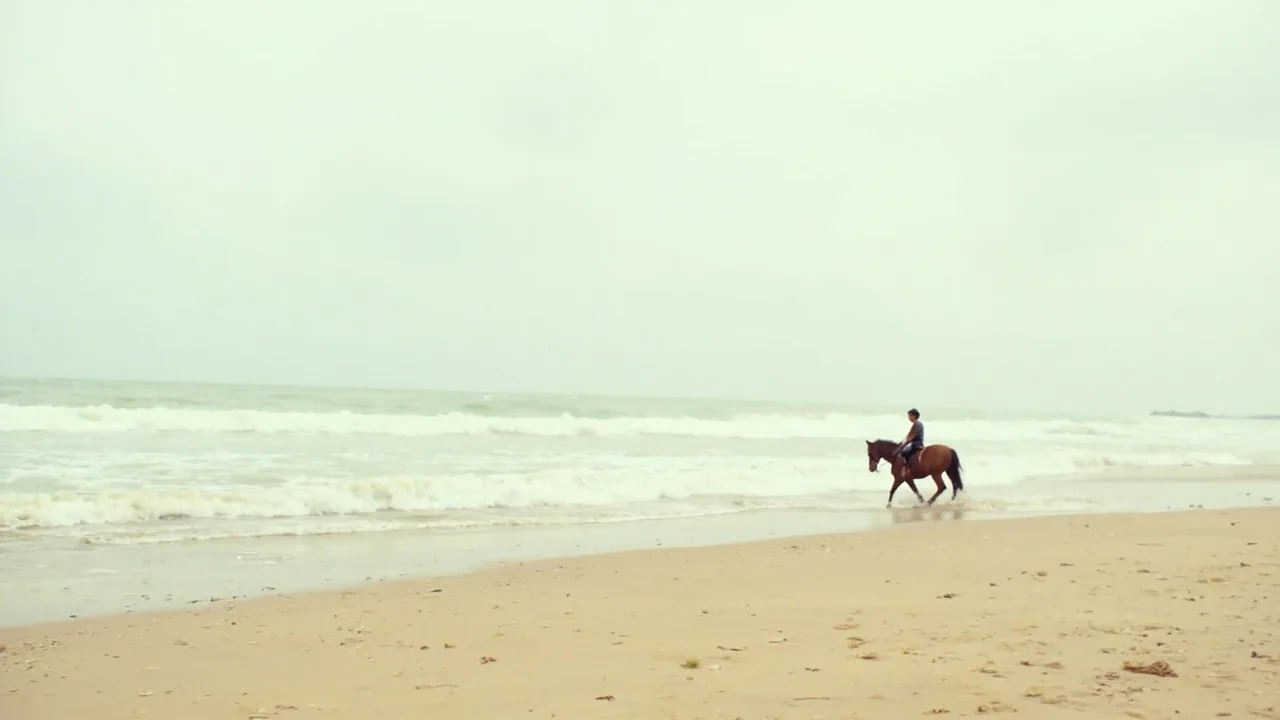
Horse Riding on Da Lat Coast (2026): Backpacker Guide
You can’t ride horses on a beach in Da Lat itself, because Da Lat is a mountain town with no coast. The real answer: ride horses near a beach on Vietnam’s south-central coast, then add Da Lat as your inland base for the rest of your trip. Riders report the best horseback-on-sand experience in Vietnam clusters around a few beach towns reachable by an overnight bus from Da Lat. This guide shows you exactly where those are, what the trail looks like, what it costs in VND, and how to slot it into a backpacker itinerary without burning days. For related planning, see our guides on Sea Backpacking Hub and Vietnam Budget Trip for Couple.
If your only image of Vietnam is scooters on a coastal highway, riding a horse along the surf at sunrise is the kind of offbeat thing that makes a Vietnam trip worth talking about. It is not a polished commercial tourist activity, it is something you stumble into and remember for years.
What Does “Horse Riding on a Beach in Vietnam” Mean?
Horseback riding on a beach in Vietnam means a guided trail ride along a flat, hard-sand section of the Vietnamese coast, usually at sunrise or late afternoon to avoid the midday heat. The rides typically last 60 to 90 minutes, use local horses accustomed to the sand, and follow a fixed loop with a guide on foot or on another horse. Beginner riders are welcome on most trails. The closest cluster of legitimate beach rides to Da Lat sits on the south-central coast, about 4 to 5 hours of driving away.
Subodh’s Pro Tip: Beach rides are an early-morning or late-afternoon activity. Most operators cancel or refuse mid-day bookings from May to August because the sand gets hot enough to burn the horses’ hooves. Sunrise rides also give you the best light for photos.
Quick Answers
| What | Answer | Price (INR) |
|---|---|---|
| Ride duration | 60 to 90 minutes | , |
| Beginner-friendly? | Yes, most trails | , |
| Nearest beach rides from Da Lat | Mui Ne, Long Hai, Phan Thiet coast | , |
| Best season | November to April (dry season) | , |
| Average cost per ride | ₹2,203-₹4,406 (~600,000-1,200,000 VND or ~$22.87-$45.74) | , |
| Booking | Walk up at the stable or book through your hostel | , |
| Group size | 2 to 8 riders | , |
Note on the price cell above: All on-the-ground Vietnam prices in this article are stated in VND only. The full triple-currency expansion is added by post-publication. For reference, 1 VND ≈ ₹0.0037 right now (1 INR ≈ 270 VND at time of writing).
Step-by-Step: How to Add Beach Horse Riding to a Da Lat Trip
Step 1: Decide on your beach base
Da Lat sits in the Central Highlands at 1,500 m elevation. The actual coast is roughly 100 km east. You have three realistic options, in increasing order of effort:
| Beach base | Drive time from Da Lat | Vibe | Horse ride availability |
|---|---|---|---|
| Mui Ne / Phan Thiet | 4 to 5 hours by sleeper bus | Tourist beach strip with kite-surfers, dunes, seafood | Multiple stables, well established |
| Long Hai | 5 to 6 hours | Quieter, mostly Vietnamese domestic tourists | One or two stables, less marketed |
| Nha Trang | 5 to 6 hours | Big resort city, party scene | Limited; tourist-focused horse ops tend to be on Nha Trang’s outer beaches |
For most backpackers, Mui Ne is the obvious pick because it has the most stables, the most English-speaking guides, and a backpacker hostel scene that makes it easy to find other riders to share a stable with.
Step 2: Get from Da Lat to the coast
There is no direct train. The standard route is a sleeper bus from Da Lat’s intercity bus station to the beach town, taking 4 to 5 hours including a stop. Buses run through the day and night; the overnight departures arrive at 5 or 6 AM, which lines up perfectly with a sunrise ride.
Subodh’s Pro Tip: Book the bus for the day before you want to ride. Arriving at 5 AM exhausted and then jumping on a horse is a recipe for a bad first ride.
Getting back to Da Lat: Most travellers do beach ride as a 2- or 3-night stop and then either return to Da Lat or continue north up the coast toward Nha Trang and Hoi An. The sleeper bus runs in both directions daily.
Step 3: Book the ride
You do not book this in advance from India. You book it the day before, in person, at the stable or through your hostel front desk. Walk-ins are normal and usually welcome.
- What to ask: “Sunset ride tomorrow?” or “sunrise ride?” (most common slots)
- How long: 60 to 90 minutes
- What they provide: Helmet, the horse, a guide, sometimes water
- What you bring: Long trousers (chafing is real), closed shoes, sunscreen, a phone in a ziplock bag
- Cost: ₹2,203-₹4,406 (~600,000-1,200,000 VND or ~$22.87-$45.74) per person depending on length and stable
If your hostel cannot point you to a stable, ask any local tour desk in the backpacker strip. Travellers report the Mui Ne backpacker area has multiple stables within a 5-minute walk of most hostels.
Step 4: Show up ready
Most stables require you to arrive 15 to 20 minutes early so the guide can match you to a horse based on your experience and weight. If you’ve never ridden before, say so. The guides in Mui Ne are used to first-timers and will pair you with a calmer, slower horse.
Safety Alert: Tell the guide if you have any back, knee, or hip issues before mounting. A 90-minute trot on sand is harder on the body than it looks, and there’s no point proving this to yourself the hard way.
What Most Guides Don’t Tell You
- The “beach ride” is often half beach, half jungle path. Most stables in Mui Ne route you through a coastal pine-and-beach loop, not pure sand. The actual sand portion is usually 20 to 30 minutes. If you want pure beach, ask the stable for their longest trail option specifically.
- Horses are working animals, not theme-park props. Treat them like you’d treat someone’s working dog at home. No flash photography in their face, no yanking the reins to “go faster,” no loud shouting. The guides notice and will quietly ask you to stop.
- Tipping is genuinely appreciated and not built into the price. ₹184-₹367 (~50,000-100,000 VND or ~$1.91-$3.81) to your guide after a good ride is normal and well received.
- The dry season matters more than people think. November to April brings the firm, flat sand that makes the ride pleasant. In the May to October wet season the sand is soft, the horses work harder, and stables sometimes shorten the trail. Riders who go in shoulder months (late October, late April) get the best of both.
- You will not be able to gallop. Almost no Vietnamese beach stable lets beginners trot faster than a walk, and most don’t let experienced riders gallop either. If your mental image is a Bond-style sprint along the surf, reset expectations. The pace is a slow walk with occasional trot sections.
Common Mistakes Indians Make
- Confusing Da Lat (mountain) with Da Nang (coast). Da Lat has no beach and no beach horses. Travellers who booked “horse riding near Da Lat” without realising this arrive and feel misled. The honest framing: Da Lat is your inland base, the beach ride happens a bus ride away.
- Booking a “sunset ride” through a hotel for 3x the going rate. Walk-up at a stable is ₹2,203-₹4,406 (~600,000-1,200,000 VND or ~$22.87-$45.74). A hotel desk will quote ₹7,344-₹12,852 (~2,000,000-3,500,000 VND or ~$76.23-$133.40) for the same ride. Always go direct.
- Wearing shorts or flip-flops. A long ride in shorts on a horse without a saddle blanket is a guaranteed chafe burn by minute 30. Closed shoes (trainers, sneakers) and long trousers are non-negotiable.
- Trying to combine a sunrise ride with the same-day bus back to Da Lat. The math doesn’t work. You need at least one night on the coast.
- Assuming the ride is “soft adventure” you can do hungover. It’s 90 minutes on a 500 kg animal. Skip the 2-for-1 cocktails the night before.
How It Fits Into a Vietnam Backpacker Itinerary
A typical 3 to 4 week Vietnam backpacking route hits Hanoi, Ha Long Bay (or Cat Ba), Ninh Binh, then flies or takes the sleeper train to Da Nang, Hoi An, and Hue, then continues down the coast. Adding a beach ride near Da Lat usually means:
- Spend 2 or 3 nights in Da Lat for the cool weather, waterfalls, and canyoning.
- Take a sleeper bus down to the coast (Mui Ne or Long Hai).
- Spend 2 nights on the coast with the horse ride on day 2.
- Either bus back to Da Lat and fly out of Ho Chi Minh City, or continue north up the coast by motorbike or bus.
The whole detour adds 4 to 5 days to a standard Vietnam route, which is realistic for most backpacker visas.
Daily Budget Context
Most backpackers spend ₹2,938-₹4,406 (~800,000-1,200,000 VND or ~$30.49-$45.74) per day in the Da Lat area, including a hostel dorm, street food, a motorbike rental, and entry fees. Adding one beach horse ride is a ₹2,203-₹4,406 (~600,000-1,200,000 VND or ~$22.87-$45.74) line item, so it bumps one full day into the upper end of that range. For a full India-to-Vietnam cost picture, see our Southeast Asia trip cost guide and the ₹5,000 (~$51.90)-per-day breakdown.
Currency note: 1 INR ≈ 270 VND at time of writing. Carry a forex card that doesn’t sting you on the VND conversion; we cover the best options for Indian travellers in our forex card guide.
FAQ
Can I do a beach horse ride in one day from Da Lat? No. The coast is 4 to 5 hours away by bus. Even a private car takes 3+ hours. You need at least one night on the coast.
Is it safe for first-time riders? Yes. Most stables in Mui Ne pair beginners with calm horses and walking-only pace. Guides walk alongside if needed.
What’s the minimum age? Most stables require riders to be at least 8 to 10 years old. There is usually no formal upper age limit, but balance matters more than age.
Do I need to book from India? No. Book the day before, in person. Walk-ins are the norm.
Can I ride at sunset instead of sunrise? Yes. Most stables offer sunset slots too. Sunrise has better sand conditions, sunset has better photos. Both are roughly the same price.
Are there vegetarian / halal food options near the stables? Vietnamese beach strips generally have plenty of vegetarian pho and rice options. Indian restaurants are rarer on the coast than in Da Lat or HCMC. Bring snacks if you’re strict about veg.
What if it rains? Rides are usually cancelled in steady rain. Stables will either refund or reschedule. Light drizzle sometimes still runs if the sand holds up.
Subodh’s Take
Horse riding on a beach is one of those Vietnam activities that doesn’t make it into the standard backpacker blogs because it doesn’t photograph well for Instagram and it’s hard to package. But the actual experience is the kind of slow, quiet, slightly absurd thing that ends up being your best memory of the trip: bouncing along the surf at 6 AM while the kite-surfers are still rigging up. Go do it.
