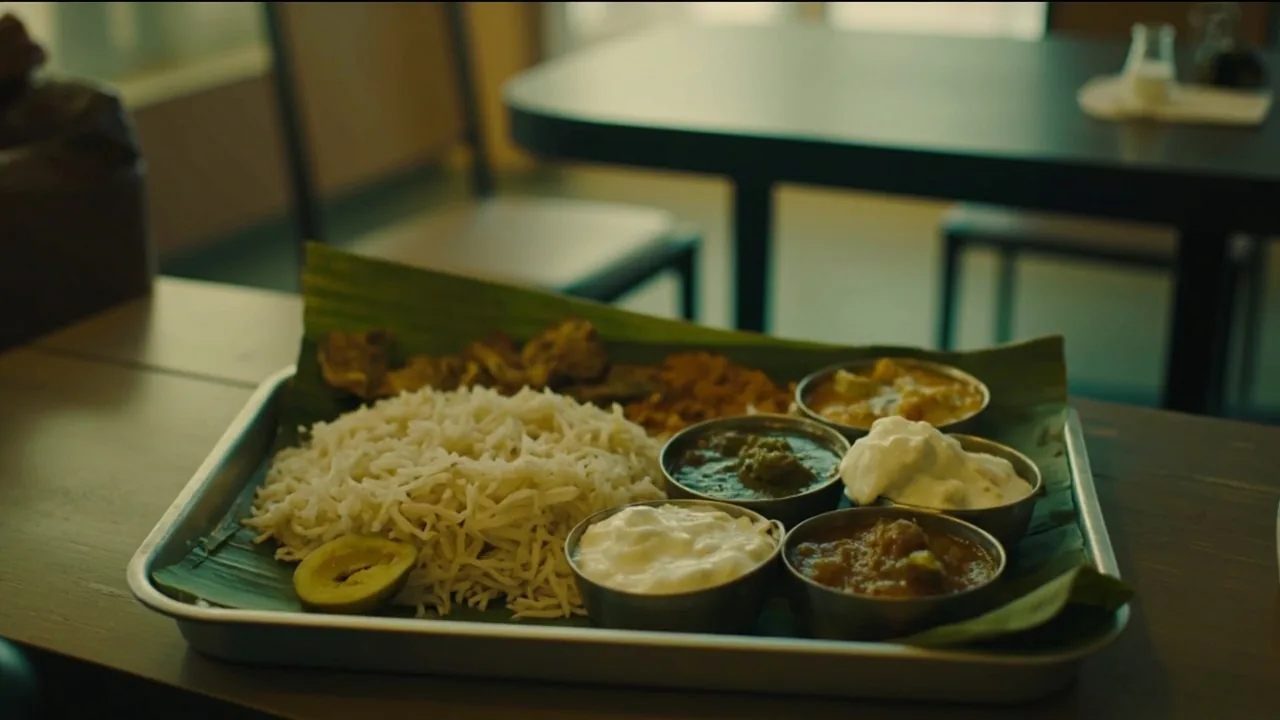
Indian & Vegetarian Food in the Philippines: Where to Eat, What to Order & Survival Tips
The Philippines is a meat-and-seafood country with a Catholic food culture built around pork, chicken, fish sauce, and shrimp paste. For a vegetarian Indian traveller, that sounds like a nightmare on paper. In practice, it’s a navigable one. Filipino cooks use animal products as flavour bases far more than as visible ingredients, which means a plate of vegetables can land on your table looking completely safe and then turn out to be hiding bagoong (fermented shrimp paste) under the sauce. The trick is learning the local menu vocabulary before you sit down, not after. This guide is built around that: how to order, how to read a Filipino menu, which cities have Indian restaurants worth your money, and where to find vegetarian food in grocery stores when every restaurant seems to assume you eat pork. For related planning, see our guides on Sea Backpacking Hub and Cebu Digital Nomad Cafes Wifi Workation Guide.
Quick Answers
| What | Answer | Price (INR) |
|---|---|---|
| Is the Philippines safe for vegetarian Indian travellers? | Yes, but plan ahead. Carry dry snacks, learn 5 Filipino menu words, and stay near Manila for the best Indian restaurants. | |
| How many dedicated Indian restaurants are there in Manila? | Around 30 to 40, concentrated in Makati, BGC, and Quezon City. Cebu has 8 to 12. Palawan (Puerto Princesa, El Nido, Coron) has few. | |
| What is the cheapest vegetarian meal in the Philippines? | A plate of rice + fried vegetables + egg from a karinderya (local eatery): PHP 80 to 120. | ₹80 (~$0.83) to 120 (~PHP 80-120 or ~$0.83-1.25) |
| How much does a meal at an Indian restaurant cost in Manila? | PHP 300 to 500 for a thali, PHP 200 to 350 for a single curry with rice. | ₹300 (~$3.11) to 500 (~PHP 300-500 or ~$3.10-5.20) |
| Do Filipinos understand “no meat, no fish sauce, no egg”? | Mostly no outside big-city restaurants. Always confirm with the specific ingredients rather than the broad term. |
All on-the-ground prices below are written in Philippine pesos (PHP) only. The current rate is 1 PHP ≈ ₹1.78 at time of writing, and a conversion appears where it adds clarity.
What Vegetarian Indian Travellers Face Here
Filipino food has a hidden-ingredient problem. Pork, shrimp, and fish sauce appear as background seasoning in dishes that look completely vegetarian. Even vegetables served at a clean-looking buffet can be cooked in bagoong (shrimp paste), or in patis (fish sauce), or have crispy pork bits hidden under the garnish. Sinigang, the national soup, is vegetarian only if you ask for it that way and confirm the cook is using tamarind broth without bagoong. Lumpia (spring rolls) are usually stuffed with pork. Pancit canton (stir-fried noodles) almost always has pork and shrimp. The list goes on.
This isn’t hostility. It’s just how the cuisine is built. Once you learn to read the menu, you can eat well here, including local food. But you’ll eat differently than you would in Thailand or Vietnam, where vegetarian street food is part of the daily rhythm.
Subodh’s Pro Tip: Download Google Translate and save the offline Filipino language pack before you fly in. The words “isda” (fish), “karne” (meat), “itlog” (egg), “patis” (fish sauce), and “bagoong” (shrimp paste) are the five you need to recognise on a menu. More on decoding menus below.
The Filipino Menu Decoding Cheat Sheet
Before we get into restaurants, this section matters more than the restaurant list. Competitor guides on this topic skip it or mention it in one paragraph. It’s the single biggest practical advantage you can have as a vegetarian in this country.
Hidden Animal Ingredients in “Veg” Dishes
| Filipino Word | What It Is | Where It Hides |
|---|---|---|
| Patis | Fish sauce | Almost every sauteed vegetable dish, sinigang broths, dipping sauces |
| Bagoong | Fermented shrimp paste | Sinigang, kare-kare (peanut stew), pinakbet, vegetable side dishes |
| Toyo | Soy sauce (often, but not always, with shrimp) | Adobo marinades, pancit, plain rice toppings |
| Itlog | Egg | Bibingka (rice cake), some lumpia, fried rice |
| Karne / Baboy / Manok | Meat / pork / chicken | The obvious one: longganisa, tocino, lechon kawali, sisig |
The five words above cover roughly 80% of surprises. If a dish is labelled “vegetable” or “ginisang gulay” (sauteed vegetables) but you see bagoong or patis on the ingredient list or in the cook’s pot, pass.
Filipino Dishes That Are Vegetarian (Close)
These are your safest orders at a Filipino restaurant when an Indian option isn’t nearby:
- Kare-kare (peanut stew). Vegetarian version uses vegetables only (no oxtail). Ask for “kare-kare with vegetables, no bagoong.” Some kitchens make it without shrimp paste by default.
- Pinakbet. Mixed vegetables (bitter melon, eggplant, squash, okra). Order it with “no bagoong,” which most kitchens will do. The flavour is different but still good.
- Ginataang gulay. Vegetables in coconut milk. Coconut milk is one of the safest default flavours in Filipino cuisine; almost always vegetarian.
- Lumpia ubod or lumpia sariwa. Fresh spring rolls with vegetables and heart of palm. Skip the fried kind unless you confirm the filling.
- Turon. Banana spring roll, fried. A common sweet snack, fully vegetarian.
- Halo-halo. Shaved ice dessert with beans, fruits, ube (purple yam), leche flan, and evaporated milk. Confirm there’s no egg in the leche flan if you’re strict veg; many versions are fine.
Filipino Dishes That Are Almost Never Vegetarian
- Sinigang (without asking), usually has fish or pork
- Adobo, chicken or pork, braised in soy + vinegar
- Pancit canton / pancit bihon, almost always has pork and shrimp
- Lumpia Shanghai, fried spring rolls, pork filling
- Sisig, chopped pork face and ears
- Lechon, whole roasted pig, the national dish
If you see any of these on a menu and the description doesn’t say “vegetable version,” assume non-veg.
Where to Eat Indian & Vegetarian Food: City-by-City
Manila (Makati, BGC, Quezon City)
Manila is the easiest place to eat as a vegetarian Indian in the Philippines. The Indian restaurant scene has matured over the last decade, partly because of the large Filipino-Indian business community and partly because of growing tourism from South Asia. You have three solid categories:
- Dedicated pure-veg Indian restaurants. Mostly run by Gujarati or Punjabi families serving a diaspora crowd. Expect thalis, dosas, paneer dishes, and proper dal. These are 100% safe for veg.
- Indian-fusion restaurants. More experimental, often with a Filipino or pan-Asian twist. Safe-ish; ask about specific dishes.
- Filipino restaurants with veg options. Local places where the kitchen understands “no meat, no fish sauce” if you explain in advance.
Subodh’s Pro Tip: Three real Indian spots worth a meal in Manila:
- Seven Mannah Indian Fusion Food in Quezon City gets consistent praise from Indian travellers for its biryani (around 300 to 500 PHP per person), and the casual vibe means solo travellers aren’t an awkward table.
- Flavours Indian & Mediterranean Cuisine in Bel-Air, Makati runs 101 to 500 PHP per person, with tikka masala being the safer veg pick.
- Queens at Bollywood - Halal Indian Restaurant - BGC in Bonifacio Global City covers Punjabi and Mughlai, in a family-friendly setting if you’re travelling with relatives.
For Filipino veg dishes when you want a break from Indian food:
- Kantina Manila has a high rating and is the safer pick for trying local dishes like kare-kare and ginataang gulay. Order vegetables only and confirm no bagoong.
- Manam | Robinsons Place is a popular comfort-food pick; their vegetable sinigang is one of the few versions you can order with confidence.
- Cafe Ilang-Ilang inside Sofitel Manila is a known stop for Indian business travellers, with a wide Asian/Western menu and a kitchen used to handling dietary requests.
- EMILIA, House of Filipino Food is a smaller, cozy option in the metro for an authentic Filipino sit-down meal where the staff will usually understand a veg request.
- Toshie’s Bar And Restaurant is Japanese, not Filipino, which makes it a useful escape hatch on meat-heavy days. Japanese kitchens use dashi (fish stock) in some dishes but their vegetable menu (agedashi tofu, vegetable tempura, edamame) is wider than most Filipino kitchens.
Cebu City
Cebu has a smaller but functional Indian scene, concentrated near the IT park area and the older commercial district. Expect 8 to 12 dedicated Indian restaurants, mostly serving the local Indian business community rather than tourists. Thalis and dals are the safer order; biryanis vary in spice and quality. Outside the Indian restaurants, your best move is Japanese or Korean restaurants in the IT Park area, where vegetable dishes are labelled.
If you’re moving around Cebu by scooter, review our Cebu scooter rental safety tips before renting.
Palawan (Puerto Princesa, El Nido, Coron)
This is where things get harder. Palawan has few dedicated Indian restaurants. Puerto Princesa has 2 to 3, mostly small and unremarkable. El Nido and Coron have none, which is why every other travel blog covers Boracay or Palawan for “Indian food” and skips the actual reality of these places.
Your realistic options in El Nido or Coron:
- Vegetarian-friendly Filipino karinderya. Local eateries that cook simple rice-and-veg meals. Ask for “ginisang gulay, no patis, no bagoong.” Confirmation by pointing is more reliable than words.
- Italian restaurants. Pizza with no cheese is universal in Palawan. Pasta with tomato sauce (no anchovies) is usually fine.
- Korean restaurants. Bibimbap and japchae, with egg on the side, is a safe bet if you remove the egg.
- Indian-run guesthouses. Some of the small guesthouses in El Nido town have an Indian owner and offer dal-rice to other travellers. Ask at your hostel reception; this isn’t always advertised.
Subodh’s Pro Tip: Bring 4 to 5 days’ worth of dry snacks if you’re going to El Nido or Coron for more than two nights. Maggi noodles, instant upma packets, khakra, and thepla are common Indian-traveller staples and buy you a fallback when every restaurant has run out of vegetable options.
Boracay and Siargao
Boracay has a few Indian restaurants in Station 2 and D’Mall, mostly serving Indian tour groups. Siargao has 1 to 2 small Indian cafes in General Luna; quality is inconsistent but a veg thali is usually available.
If you’re surfing in Siargao and need food advice beyond the surf scene, our Siargao vs Boracay beginner guide compares both islands.
Grocery Store Hacks: How to Eat Vegetarian Without a Restaurant
This is the section most competitor guides skip, and it’s the one that saves you on day three in El Nido when every restaurant is out of vegetable options.
What to buy at S&R, Rustans, SM Supermarket, and even 7-Eleven:
- Maggi noodles (the Indian export version, not the Filipino one). Available at S&R and some Rustans. The flavour packet is vegetarian. This is your emergency meal.
- Instant white rice (yes, microwave rice is sold in every 7-Eleven). PHP 40 to 60 per pack.
- Thai-style tofu. Sold at S&R in vacuum packs, around PHP 80 to 120. Better quality than Filipino supermarket tofu.
- Patanjali or Indian-brand atta, dal, and spices. Available at S&R Metro Manila and the larger SM Hypermarkets. Prices are higher than India but lower than buying equivalent from local ingredients.
- Coconut milk in cartons. Useful for cooking. Sold everywhere.
- Bread, peanut butter, bananas. Universal breakfast.
- Hummus and pita. S&R and Rustans stock both; not a Filipino thing but it solves dinner.
Indian restaurants on delivery apps. Foodpanda and GrabFood both work in Manila and Cebu. Search for “Indian” or “vegetarian” in the search bar. You’ll see the same restaurants as in the in-person lists.
For Manila nightlife options if you want to extend your day after an early veg dinner, the BGC area has the most veg-friendly late-night cafes.
The Philippines on a Vegetarian Budget
Here is roughly what a vegetarian day looks like across the budget tiers. All figures in PHP (1 PHP ≈ ₹1.78 at time of writing).
| Item | Backpacker | Mid-range | Comfort |
|---|---|---|---|
| Breakfast (carinderia rice + egg + coffee) | PHP 80 to 120 | PHP 200 to 350 (cafe) | PHP 400 to 700 (hotel breakfast) |
| Lunch (Indian restaurant thali) | PHP 200 to 300 | PHP 350 to 500 | PHP 600 to 900 |
| Dinner (Filipino veg dish + rice) | PHP 120 to 200 | PHP 350 to 600 | PHP 800 to 1,500 |
| Snacks (banana, peanut butter sandwich, halo-halo) | PHP 50 to 100 | PHP 100 to 200 | PHP 300 to 500 |
| Daily total (food only) | PHP 450 to 720 | PHP 1,000 to 1,650 | PHP 2,100 to 3,600 |
Add accommodation: dorms run PHP 270 to 600 in Manila, PHP 270 to 530 in Cebu, PHP 400 to 940 in El Nido, and PHP 330 to 800 in Siargao. Check prices for live rates across the country.
Getting Connected: SIM and eSIM
For Google Translate, Grab (ride-hailing), Foodpanda, and most importantly, ordering Indian food delivery when you’ve had enough local cuisine, you need data on day one. The two main operators are Globe and Smart. A 7-day tourist SIM runs PHP 50 at the airport, with a PHP 100 add-on for 5 GB of data. That’s enough for a week of normal use.
If you’d rather skip the airport queue, Get Nomad eSIM before you fly and activate on landing.
Common Vegetarian Mistakes Indians Make in the Philippines
- Trusting the word “vegetable” on a Filipino menu. “Ginataang gulay” sounds safe but often includes bagoong or dried fish. Always confirm with the cook.
- Assuming all Indian restaurants are pure veg. Most are not. Many serve meat biryani and chicken tikka; some have egg in their “veg” dishes. Confirm with the waiter.
- Skipping Google Translate. Filipino and English mix heavily on menus, and Tagalog terms for hidden animal products (isda, karne, patis, bagoong, itlog) are not obvious to a Hindi or Tamil speaker.
- Going to Palawan without backup snacks. El Nido has limited veg options. Bring Maggi noodles and instant rice for the days when every restaurant is closed or the kitchen can’t make you veg food.
- Not asking “may itlog ba ito?” (does this have egg?). Filipino breakfast staples like longsilog and tocilog come with a fried egg. Skip the egg, confirm with the server.
FAQ
Is it easy being vegetarian in the Philippines? It depends on the city. Manila and Cebu are easy. Palawan, especially El Nido and Coron, requires planning. Boracay and Siargao fall in between. The trick is learning Filipino menu vocabulary and carrying backup snacks for remote islands.
Are there Indian restaurants in Manila that are 100% vegetarian? Yes. Several pure-veg Gujarati and Punjabi restaurants operate in Manila, mostly in Quezon City, BGC, and the older Indian business district. Confirm at the time of ordering, since some “veg” dishes in Indian restaurants here still use egg.
What is “Indian vegetarian” called locally in the Philippines? The term “Indian vegetarian” is understood in Indian restaurants. For grocery stores, ask for “vegetarian, no meat, no fish, no egg.” In Tagalog, “hindi ako kumakain ng karne, isda, o itlog” (I don’t eat meat, fish, or egg) is the most useful sentence.
Can I find vegetarian food in 7-Eleven or convenience stores? Limited. Microwave rice, peanut butter sandwiches, and bananas are safe bets. The “instant noodles” section in Filipino 7-Eleven is mostly non-veg (chicken, beef, seafood flavour). Indian-traveller staples like Maggi and Haldiram snacks are only at S&R and Rustans supermarkets, not convenience stores.
Is Filipino food spicy? Not usually. Filipino cuisine uses vinegar and soy sauce more than chilli. Indian travellers often find Filipino food under-seasoned rather than too spicy. If you want heat, ask for “maanghang” (spicy) and expect a fraction of what an Indian kitchen delivers.
Do I need to know Filipino (Tagalog) to eat vegetarian here? No, English is widely spoken in cities. But learning five Filipino words (karne, isda, itlog, patis, bagoong) helps in carinderias and rural restaurants where the cook speaks limited English. Google Translate with the offline Tagalog pack handles the rest.
Subodh’s Take
The Philippines isn’t Thailand or Vietnam for vegetarians. You won’t find a vegetarian pad thai on every corner. But it’s far more navigable than first-time visitors expect, especially in Manila, where the Indian food scene has matured to a point where a veg thali is rarely more than a 10-minute Grab ride away. The real skill here is learning the five Filipino menu words that matter. Once you can spot bagoong, patis, and itlog on a menu or in a dish description, the whole country opens up. Bring dry snacks for El Nido and Coron. Spend 3 to 4 days in Manila first to settle your palate. And don’t skip Filipino vegetarian food entirely, because kare-kare with vegetables and ginataang gulay are genuinely good when you know what to ask for.
