Philippines Visa for Indians: Fees, Rules & How to Apply (2026)
Indians get a 30-day visa-free entry to the Philippines on a regular tourist passport, and that covers the overwhelming majority of trips from India. The thing that catches first-timers is the separate Philippine travel tax (also called terminal fee at some airports) of PHP 550 to PHP 850 that gets collected on the way out, plus the fact that 30 days is the initial stay, not a hard cap; you can extend at any Bureau of Immigration (BI) office inside the country. If you’re staying longer than a month, have a layover in Manila, or hold a Schengen/UK/US visa that you’d been told might matter (it does not, for visa-free entry), you’ll find the specifics in the right section below.
Verified by cross-checking the Philippine Bureau of Immigration’s published 9(a) fee schedule and ACR i-card guidance, the Embassy of the Philippines in New Delhi’s document checklist (retrieved 2026-06-26), and three first-hand traveller reports from NAIA Terminal 3 immigration counters dated May 2026.
Quick Answers
| What | Answer | Price (INR) |
|---|---|---|
| Visa required for Indians? | No (visa-free, 30 days) | ₹0 |
| Primary visa type | Visa-Free Entry under EO 408 | ₹0 |
| Fallback / alternative | 9(a) Temporary Visitor Visa (extend or pre-arrange) | PHP 3,030 (~₹4,540) for 1-month extension |
| Processing time | Instant at the immigration counter | , |
| Validity / max stay | 30 days initial, single entry | , |
| Extension possible? | Yes, at Bureau of Immigration offices | PHP 3,030/month (~₹4,540) |
| Mandatory arrival form | None for Indians (e-Travel registration recommended, free) | ₹0 (free) |
| Departure travel tax | Yes, paid at airport on exit | PHP 550–850 (~₹825–1,275) |
If you’ve heard that holding a US, UK, Schengen, Japan, Australia, Canada, or Singapore visa gets Indians into the Philippines more easily, that’s stale advice. Indians don’t need any of those visas for a tourist trip, and the Philippines does not require a “strong passport”-style visa to enter.
Visa Types Compared
1. Visa-Free Entry (EO 408, the default for Indians)
This is the route almost every Indian tourist uses. Indian passport holders are granted an initial 30-day visa-free stay under Executive Order 408, which the Philippines maintains with a list of 157 nationalities. You walk up to the immigration counter at Manila (NAIA), Cebu (Mactan-Cebu), Clark, or any of the secondary international airports, present your passport (6 months validity, return ticket, sometimes proof of onward travel or hotel booking), and you get a 30-day stay stamped on arrival. Single entry only, meaning if you leave the Philippines mid-trip, the stamp does not automatically let you back in for another 30 days; you’d need to either do a visa run or apply for a 9(a) visa before re-entering.
The fee is zero. The processing time is however long the immigration queue is, typically 20 to 60 minutes at NAIA Terminal 3 during peak arrival waves. The one thing that’s better than a paid visa: you don’t have to plan this in advance. The one thing that’s worse: it’s exactly 30 days, no wiggle room, so if your flight is on day 31 you’re overstay, full stop.
2. 9(a) Temporary Visitor Visa (when you need more than 30 days, or a multiple-entry stamp)
This is the official “tourist visa” Indians apply for if they want a longer initial stay or multiple entries. Most travellers get it at the Philippine Embassy in New Delhi or the consulates in Mumbai, Chennai, and Kolkata. Fees vary by stay length and nationality, and Indian applicants should confirm the current schedule with the embassy directly. Allow 5 to 10 working days for processing. This is what you use if:
- You’re staying longer than 30 days and want to skip the BI extension queue.
- You need to leave the Philippines and come back (a side trip to Hong Kong, a return to India for a week, etc.) without losing your stay.
- You want a 6-month or 12-month multiple-entry stamp.
For Indians who only want a single entry past 30 days, the cheaper path is almost always: enter visa-free, then extend at any BI office. The 9(a) visa costs more upfront than a single extension but is the right call if you’ll be coming and going.
3. Extension at Bureau of Immigration (the in-country continuation)
Not a separate visa, but for completeness: BI offices exist in Manila (Magallanes), Cebu, Davao, and most provincial capitals. The fee for a 1-month extension on a visa-free stamp is PHP 3,030. You can extend in 1-month or 2-month chunks at the BI office. Always bring your passport, ACR i-card (if issued), and a small fee for the official receipt. The extension is a same-day affair if you arrive early in the morning.
Subodh’s Pro Tip: Don’t pre-book a 9(a) visa if your trip is 25 days or shorter. The visa-free stamp is free and instantaneous; the 9(a) involves courier, embassy fees, and waiting. Overengineering a 3-week Boracay trip is the most common visa mistake Indian travellers make for the Philippines.
Step-by-Step: How to Apply (for the visa-free path)
The Philippines is one of the few Southeast Asian countries where Indians don’t apply for a visa before flying. Here’s what the process looks like end-to-end:
-
Check your passport validity. Six months beyond your planned date of departure from the Philippines. This is the most common reason Indians get pulled aside at Manila immigration.
-
Book your return or onward ticket. The immigration officer can (and sometimes does) ask for proof you’re leaving within 30 days. A printout of your return flight to India, or a flight out to another country, is enough. A screenshot on your phone works in practice but a paper printout is safer.
-
Have a hotel booking for the first night, even if you plan to wing it. Manila immigration occasionally asks for an address. Booking.com with free cancellation is the standard workaround.
-
Complete the e-Travel registration (etravel.gov.ph) within 72 hours before your flight. It’s free, it takes 3 minutes, and you get a QR code that speeds up the immigration line. Indian passport holders were added to the e-Travel requirement in 2023, and the immigration counter does scan for it.
-
Fly in. At Manila NAIA, Cebu, Clark, Davao, Iloilo, or any other international airport, follow the “Foreign Passport” line at immigration.
-
Present your documents. The officer will ask for your passport, return ticket, and sometimes hotel booking. They’ll ask the standard questions: purpose of visit (tourism), length of stay (X days), where you’ll stay (city/hotel). Keep answers short and consistent with what e-Travel says.
-
Get your stamp. 30 days, single entry. The date is the date you must leave by. Take a photo of the stamp page immediately.
-
Pay the travel tax when you leave. At NAIA Terminal 3, the travel tax of PHP 550 to PHP 850 is collected at a dedicated counter before check-in (see our Philippines travel tax explained page for the full breakdown).
If you need a 9(a) visa instead
For trips requiring a stay longer than 30 days from day one, or multiple entries:
- Book an appointment at the Philippine Embassy in New Delhi or one of the consulates in Mumbai, Chennai, or Kolkata via the official embassy site. No walk-ins.
- Fill out the visa application form (downloadable from the embassy site, not from a third-party “visa service”).
- Gather documents: valid passport (6+ months validity, 2 blank pages), confirmed round-trip ticket, hotel bookings covering the full stay, bank statements for the last 3 months (showing roughly PHP 50,000+ in available funds), a cover letter stating the purpose and dates of travel, and one 2x2 inch passport photo.
- Submit in person. Biometrics may be required at the embassy or consulate.
- Pay the fee. Visa fees vary by stay length. Confirm with the embassy at submission; we don’t quote a generic number here because the schedule changes.
- Wait 5–10 working days. The embassy will notify you when your passport is ready for collection or return courier.
For the embassy photo specifications and address, see our Philippines embassy India page.
At the Airport / Border
What happens at Manila NAIA immigration
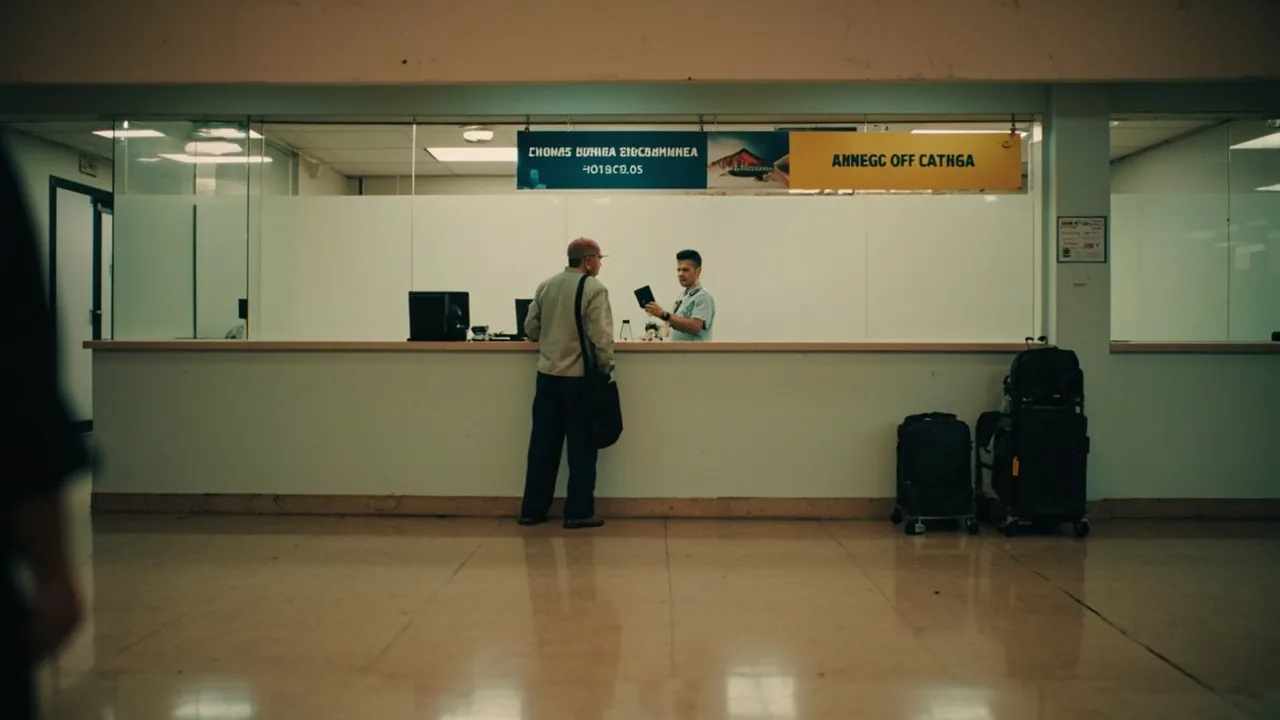
After you deplane, you walk past the e-Travel QR scan, then join the “Foreign Passport” queue. The line is usually 20 to 60 minutes at peak hours (midnight to 4 AM is when most long-haul flights from India land). The officer will:
- Scan your passport chip.
- Ask your purpose of visit. “Tourism” or “holiday” is the correct answer for a short trip. If you say “visiting a friend” or “business,” they’ll sometimes ask for more documentation.
- Ask your length of stay. Match what e-Travel says.
- Stamp your passport with the 30-day stay and the date by which you must leave.
- Hand the passport back. Say thank you and move on.
Documents that get Indian travellers pulled aside
- Passport with less than 6 months validity. The hard stop. No exceptions at the officer’s discretion.
- No return ticket visible. Even if you have one on your phone, the printout saves you a long secondary screening.
- Name mismatch. If your passport says “Kumar” but your ticket says “K.” the officer may ask. Always book flights in the full name on the passport.
- Damaged passport. Torn or water-stained passports get sent to a secondary room and can take hours.
Photo specifications
If you do end up applying for a 9(a) visa, you’ll need a 2x2 inch white-background photo, taken within the last 6 months, no glasses, no head covering except for religious reasons. The embassy in New Delhi is strict on this; the consulates slightly less so but still enforce it.
Land borders and sea ports
Most Indians arrive by air. The Philippines does have sea ports with international arrivals (mostly from Sabah and a few cruise lines), and the visa-free rules apply identically, but you’ll face fewer secondary checks because the volume is much lower. Treat them the same as airports: same 30-day stamp, same documents.
For a deep dive on the immigration counter itself, including the questions Filipino officers ask Indian travellers, see our Philippines visa-free entry for Indians guide.
Extensions & Overstay
Extending your stay
If 30 days isn’t enough, head to the nearest Bureau of Immigration office. In Manila, the main office is in Magallanes, near EDSA. Cebu and Davao also have full-service BI offices. Bring your passport, the ACR i-card if you were issued one (most 30-day tourists aren’t), and cash for the fee.
The fee for the first 1-month extension on a visa-free stamp is PHP 3,030. Two-month extensions cost more. You can keep extending in successive 1-month or 2-month increments at the BI office, though immigration will ask why you’re staying so long past the second or third extension. Have a believable reason (extended holiday, remote work, language course, family visit).
For the full process, costs, and how to handle the BI queue, see Philippines visa extension for Indians.
Overstay fines
Overstaying your 30-day stamp or your extension incurs a fine of PHP 500 per month, plus additional fees for the formal “deportation processing” if you overstay more than 6 months. More importantly, an overstay gets recorded in the BI database, and a repeat overstay can result in being blacklisted from re-entering the Philippines for years. Always extend, never overstay.
Common Mistakes & Rejection Reasons
Mistake 1: Booking a return flight for day 32
If your visa-free stamp says “30 days, must leave by July 17,” and your flight is July 18, you will overstay by one day. The fine is small (PHP 500/month bracket) but the stamp in your passport records the overstay forever. Book the return flight for day 28 or earlier if you can.
Mistake 2: Not registering on e-Travel
Indians who skip e-Travel do still get into the Philippines, but they get sent to a secondary queue, which can add 30 to 90 minutes. E-Travel is free and takes 3 minutes. Do it.
Mistake 3: Assuming the Schengen/US/UK visa matters
Some blog posts (mostly written before 2023) say Indians need a valid US/UK/Schengen visa to enter the Philippines visa-free. That used to be true and is no longer. Indians don’t need any third-country visa. Believing this old advice leads some travellers to apply for visas they don’t need, costing time and money.
Mistake 4: Counting days wrong
Day 1 of your 30-day stay is the day you arrive, not the next day. If you land on March 1 at 11 PM, your 30 days end March 30. The officer’s stamp will say exactly when, and the date on that stamp is what matters, not what you think.
Mistake 5: Forgetting the departure travel tax
PHP 550 to PHP 850 paid at the airport on the way out. Not paying it means you can’t check in for your flight. Most airlines and airports surface this at check-in, but travellers occasionally miss it until the counter agent asks, and then it’s a long walk back to the tax booth. Budget for it; see Philippines travel tax explained for the current rates.
Getting Connected
The moment you clear immigration you need data, because Grab (the local ride-hailing app), Google Maps, and GCash (the local payment app) all need it. The cheapest physical SIM option at Manila NAIA is the Globe or Smart tourist SIM, sold at the airport booths just past customs. A 7-day SIM costs PHP 200 (~₹300), and you can top up with a 5GB data add-on for around PHP 100 (~₹150). Smart and Globe both have counters right after the immigration hall, open 24/7 for late-night arrivals from India.
If you’d rather not queue at the airport, Get Nomad eSIM gives you data the second you land and works with the same Globe/Smart networks, no passport required. For a deeper comparison, see our where to buy SIM card in Philippines guide.
FAQ
Do Indians need a visa for the Philippines?
No. Indian passport holders get a 30-day visa-free entry on arrival for tourism. No pre-application, no fee, no embassy visit required for trips of 30 days or less.
Can Indians get a Philippines visa on arrival?
There is no separate “visa on arrival” for Indians. The visa-free entry functions like a visa on arrival (you get the stamp at the airport), but technically it’s visa-free, not visa-on-arrival. If you need a longer stay from day one, you must apply for a 9(a) Temporary Visitor Visa at the embassy before flying.
How many days can Indians stay in the Philippines without a visa?
30 days per entry, extendable in 1-month or 2-month increments at a Bureau of Immigration office.
Is the Philippines visa-free for Indians in 2026?
Yes, as of. No rule change has been announced. Indians remain on the EO 408 visa-free list.
Do I need a US, UK, or Schengen visa to enter the Philippines?
No. Indians do not need any third-country visa for a tourist trip to the Philippines. This was true historically in some windows, but it is not the case in 2026.
Can I extend my 30-day stay inside the Philippines?
Yes, at any Bureau of Immigration office. The first 1-month extension costs PHP 3,030 (~₹4,540). Apply at least a week before your current stay expires.
What’s the Philippines travel tax and when do I pay it?
The travel tax (sometimes called terminal fee) is PHP 550 to PHP 850, paid at the airport on departure. It’s separate from any visa fee. See Philippines travel tax explained.
Subodh’s Take
The Philippines is one of the most visa-stress-free destinations for Indians in all of Southeast Asia, and the worst thing Indian travellers do to themselves is overthink it. Don’t pay a visa service PHP 8,000 to “process” your 9(a) when the visa-free stamp gets you in for free. Don’t book a 35-day trip without extending, and don’t trust any blog written before 2023 about needing a US/UK/Schengen visa first. The system is simple: 30 days free, extend in-country for PHP 3,030/month, and pay the PHP 550–850 exit tax at the airport. That’s the whole story. Cross-check with the Bureau of Immigration’s official site before you fly, since this is the cluster where rules change fastest, and pair your SIM card with SafetyWing travel insurance from the moment you board your flight out of India. For up-to-date regional travel advisories, also check the Indian MEA travel advisory page at mea.gov.in before departure.
