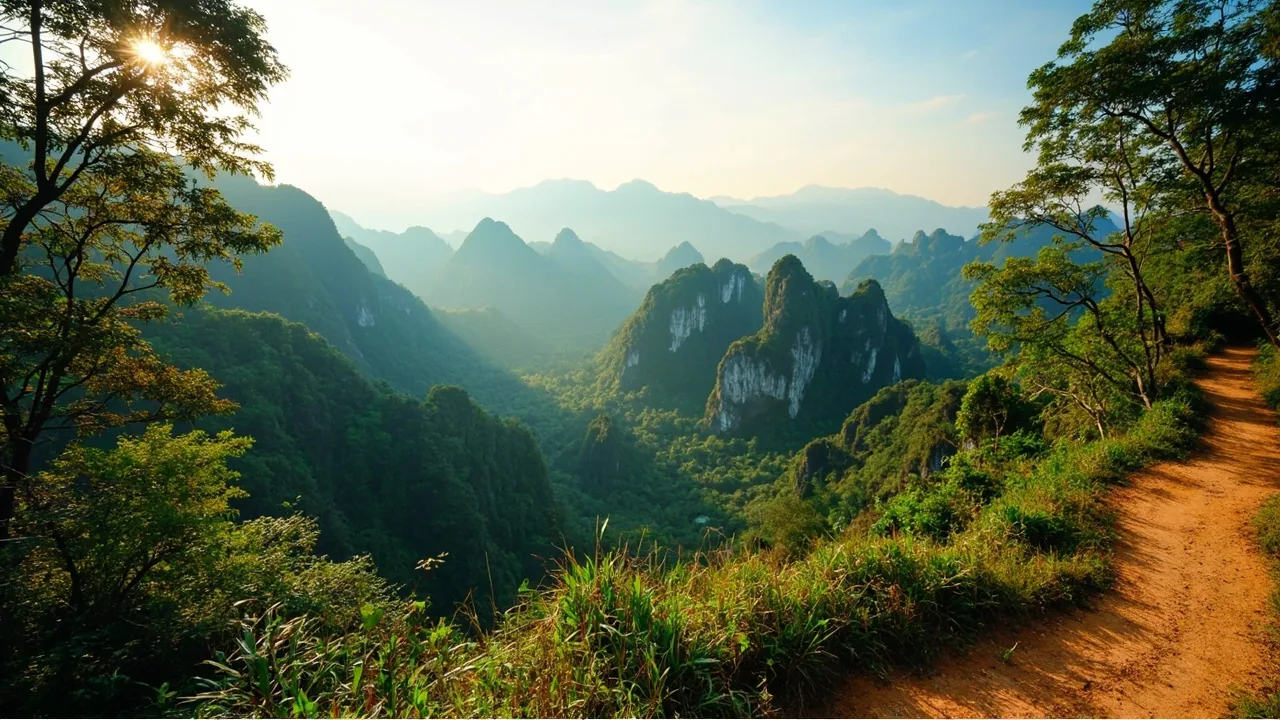
Phong Nha in 2026: Best Time to Visit (Budget Traveler’s Guide)
Looking for the best time to visit Phong Nha Ke Bang National Park? February to August is when cave systems, jungle treks, and the Son Doong permit window all line up. Skip October and November, those months flood rivers and close multi-day expeditions. March-April and June-July are the two sweet spots.
Temperatures and rainfall numbers below reflect 10-year averages for the Phong Nha area, cross-referenced with Oxalis and Jungle Boss operator schedules and Vietnam’s Quang Binh province tourism bulletins.
Quick Answers
| What | Answer | Price (INR) |
|---|---|---|
| Best overall month | March or June | |
| Worst month | October (Son Doong + Hang En closed) | |
| Son Doong permit season | February to August only | |
| Average dry-season temp | 24 to 32°C | |
| Hanoi to Phong Nha sleeper bus | 10-12 hours | ₹2,000 (~$20.75) |
| Phong Nha dorm bed (per night) | ₹737-₹1,473 (~200,000-400,000 VND or ~$7.64-$15.28) | |
| Tet (Lunar New Year) impact | Tours book out 2-3 months ahead |
Month-by-Month Breakdown
| Month | Weather | Crowds | Cost Level | Verdict |
|---|---|---|---|---|
| January | Cool, 17-23°C, mostly dry | Low | Budget (₹) | Quiet, some tours in shoulder mode |
| February | Dry, warming up, 19-26°C | Medium | Shoulder (₹₹) | Son Doong season opens, good value |
| March | Dry, 22-29°C, low humidity | Medium-High | Shoulder (₹₹) | One of the two best months |
| April | Hot, 25-32°C, dry | High (Tet spillover early-month) | Peak (₹₹₹) | Great weather, book hostels early |
| May | Hot, 27-34°C, afternoon storms building | Medium | Shoulder (₹₹) | Still trek-able, start of humidity |
| June | Hot, 28-34°C, short heavy showers | Medium | Shoulder (₹₹) | Second sweet spot, jungle is green |
| July | Hot, 28-33°C, regular rain | Medium-Low | Budget (₹) | Lush jungle, rivers still trek-able |
| August | Hot, 27-32°C, frequent rain | Low | Budget (₹) | Last month for Son Doong, rivers rise late-month |
| September | Wet, 26-30°C, heavy rain | Low | Budget (₹) | Multi-day trips cancelled, day caves OK |
| October | Wettest, 24-28°C, storms | Low | Cheapest (₹) | Son Doong + Hang En closed, avoid |
| November | Cooling, 21-26°C, rain easing late-month | Low | Budget (₹) | Late Nov reopening possible, risky |
| December | Cool, 18-24°C, mostly dry by mid-month | Low-Mid | Shoulder (₹₹) | Shoulder returns, water levels normalize |
Dry Season (Feb to Aug). Pros and Cons
Pros:
- Son Doong, Hang En, and Tu Lan expeditions all operate. Oxalis runs the only legal Son Doong permit system, and they shut it down outside this window.
- Jungle treks through Ke Bang forest are dry enough to walk without mud-soaked shoes. Phong Nha Botanic Garden trails and the multi-day Tu Lan route both run on schedule.
- Kayak access to Phong Nha Cave is at its clearest between February and June. The 4.5 km kayak expedition through the cave is one of the best-value day trips in Vietnam. See our full Phong Nha cave tour price guide for a cost breakdown.
- Long daylight hours (12+ in May-July) give you more time on the river.
- Vietnamese domestic flights into Dong Hoi (the gateway airport) are reliable. No typhoon disruptions from May through early August.
Cons:
- April hits 34°C with high humidity. Heatstroke on jungle treks is a real risk if you skip electrolytes.
- Tet (Lunar New Year, late January or early February depending on lunar calendar) spills into early February. Phong Nha Family Restaurant, Night Street Restaurant, and most homestays raise prices 20 to 30% for the Tet week. Tour operators close for 3 to 5 days around the actual holiday.
- July and August see flash-flood risk on the Son Doong approach rivers. Operators monitor levels and will cancel with 48 hours notice, full refund, but you need flexible plans.
- Accommodation prices in the Phong Nha Tuan Garden House bracket rise to ₹1,473 (~400,000 VND or ~$15.28) per dorm bed in March-April, then drop to ₹737 (~200,000 VND or ~$7.64) in late August.
The dry season is when the whole Phong Nha-Ke Bang system works as advertised. The national park’s caves are fed by an underground river system, and when surface rivers are low, the dry caves (Paradise, Phong Nha) stay dry, the wet caves (Hang En) are passable, and the Son Doong river crossings are shallow enough to wade.
Monsoon (Sep to Nov). Pros and Cons
Pros:
- Cheapest dorm beds of the year at Phong Nha Homie Home and similar spots, with no booking pressure.
- No crowds. You will have the Phong Nha Mountain House viewpoint to yourself at sunset.
- The jungle recovers and turns a green so saturated it looks edited. Photography is genuinely better in monsoon if you can handle wet gear.
- Phong Nha town itself stays open. Cafes, Phong Nha Vegan Restaurant, and the rooftop bar scene keep running.
Cons:
- Son Doong, Hang En, and Tu Lan multi-day expeditions are cancelled. Oxalis officially closes from late September to mid-January. No exceptions even for “experienced trekkers.”
- Sleeper buses from Hanoi to Phong Nha (10-12 hours, around ₹1,842 (~500,000 VND or ~$19.10) one-way) get delayed 2-4 hours by flooded highway sections on the Ho Chi Minh Road. Travellers report some October runs being cancelled outright.
- October has the heaviest rainfall of the year, sometimes 600mm in a single month. The Son River floods the riverside path to Phong Nha Cave, and kayak trips to Hang Thuỷ Cung get cancelled on rainy days.
- Phong Nha town has limited drainage. Some homestays report water coming into ground-floor rooms during October storms.
- Leech activity in the jungle peaks in September-October. Even day hikes to Hang Chỉ Huy - Commander Cave require salt and proper socks.
What to Pack Specifically for This Time
Dry season (Feb to Aug):
- Quick-dry trekking shirt (two, so one can dry while you wear the other)
- Lightweight long-sleeve for sun protection on multi-day treks
- Proper trekking shoes with grip. The limestone trails in Phong Nha - Ke Bang National Park are rocky and slippery even in dry weather.
- 2L water bladder. You cannot rely on filling up at trailheads.
- Reusable dry bag for electronics, especially for the Phong Nha Cave Expedition 4.5 km by Kayak.
- Sunscreen (reef-safe, the rivers feed straight to fishing communities)
- Headlamp with spare batteries. Cave sections on multi-day treks go fully dark.
Monsoon season (Sep to Nov):
- Poncho or rain jacket (a real one, not a 7-Eleven emergency one, which tears in jungle brush)
- Two pairs of quick-dry trekking shoes so you can rotate
- Dry bag rated to IP67 for phone, passport, power bank
- Salt packet for leeches on day hikes
- Anti-mold bag for clothes (ziplock will do)
- Mosquito repellent with DEET, dengue risk in Quang Binh province rises Oct-Nov
Tet (late Jan to early Feb):
- Book every tour, every hostel, every bus ticket at least 60 days in advance
- Bring small gifts (chocolates, souvenirs from India) if staying with a homestay family
- Cash in small VND denominations. ATMs run out and most homestays do not have card terminals during Tet.
Season Costs Comparison
| Item | Peak (Mar-Apr) | Shoulder (Feb, May-Jun) | Low (Sep-Nov) |
|---|---|---|---|
| Flight India to Hanoi (round trip) | ₹25,000 (~$259.33) | ₹18,000 (~$186.71) | ₹12,000 (~$124.48) |
| Hanoi to Phong Nha sleeper bus | ₹1,900 (~$19.71) | ₹1,900 (~$19.71) | ₹1,900 (~$19.71) |
| Dorm bed (per night) | ₹1,473 (~400,000 VND or ~$15.28) | ₹1,105 (~300,000 VND or ~$11.46) | ₹737 (~200,000 VND or ~$7.64) |
| Private room (per night) | ₹4,420 (~1,200,000 VND or ~$45.84) | ₹2,946 (~800,000 VND or ~$30.56) | ₹1,842 (~500,000 VND or ~$19.10) |
| Phong Nha day cave tour | ₹1,657 (~450,000 VND or ~$17.19) | ₹1,657 (~450,000 VND or ~$17.19) | ₹1,289 (~350,000 VND or ~$13.37) |
| Son Doong permit (4 days) | ₹265,176 (~72,000,000 VND or ~$2,750.68) | ₹265,176 (~72,000,000 VND or ~$2,750.68) | Closed |
| Bowl of pho at a local spot | ₹147 (~40,000 VND or ~$1.53) | ₹147 (~40,000 VND or ~$1.53) | ₹147 (~40,000 VND or ~$1.53) |
The Son Doong price is set by Oxalis, the official permit holder, and does not change by season. At ₹265,176 (~72,000,000 VND or ~$2,750) for the full 4-day expedition including guide, porters, food, and caving gear, Son Doong is not a budget activity, but it is the single most spectacular cave trip on earth.
Sweet-Spot Months for Indian Travellers
March-April is the first window to target. Temperatures stay in the high 20s, the jungle is fully accessible, and the Tet spike has cleared. Indian school holidays for summer break start in May, so if you are a family or college group planning around academic calendars, March is the only dry-season month that does not clash with Indian exam season or summer crowds at home.
June-July is the second window. It is hotter (32-34°C) but the rain is mostly afternoon downpours that last 90 minutes and clear up. Jungle rivers are still low enough for the Tu Lan and Hang En multi-day treks. Dorm prices at Phong Nha Cherish House drop to ₹921 (~250,000 VND or ~$9.55) and tours sometimes run 10% off to fill spots. July is also a strong month for spotting primates on a Morning Primate Watching Tour, since the canopy fruit is peaking.
Side Trips and How Travel Is Affected
The sleeper bus from Hanoi to Phong Nha runs year-round, but the reliability drops hard in October. Travellers report 4 to 6 hour delays when the Ho Chi Minh Road section through Ha Tinh province floods. If you are flying in from India, connect through Hanoi or Ho Chi Minh City and take a domestic flight to Dong Hoi Airport (~45km from Phong Nha) instead of the overnight bus. The From Hue: Phong Nha Cave Tour 1 Day route from Hue also runs on odd days only during monsoon, so plan around that schedule.
Hue itself sits in the typhoon belt and gets hit harder than Phong Nha during September-October. The Phong Nha caves are inland, behind the Truong Son range, so they get rain but not the coastal typhoon damage Hue takes. For more on Hue’s flood timing, see our Hue weather and typhoon risk guide.
Tet (Lunar New Year) Impact
Tet falls in late January or early February depending on the lunar calendar. In 2026, Tet is February 17. The seven days around Tet (Feb 14 to Feb 20 in 2026) see most Phong Nha tour operators either close or run on skeleton staff. Son Doong expeditions that would normally start on those dates are pushed back.
If you are planning around Tet:
- Book Son Doong, Hang En, and Tu Lan permits 3 to 4 months in advance, not 2.
- The 5-day window before Tet is a great time to visit. The weather is dry, crowds have left (Vietnamese tourists go home), and many cafes and restaurants stay open for the remaining travellers.
- The 5-day window after Tet is the worst. Everyone is travelling, prices are peak, and Phong Nha town is packed with domestic tourists doing cave day trips.
Getting Connected
Mobile data works well in Phong Nha town on Viettel and Mobifone. A local SIM is ₹368 (~100,000 VND or ~$3.82) for 30 days with 3GB/day. Buy at Dong Hoi Airport on arrival. If you want to skip the SIM counter, Get Nomad eSIM works on most Indian carrier-unlocked phones and activates the moment you land.
Subodh’s Pro Tip: Book Son Doong at least 4 months ahead, even for shoulder months. Permits for popular months sell out fast. The Oxalis booking system is the only legal channel, no resellers, no agents.
Safety Alert: Phong Nha sits in a region with periodic typhoon and flood risk from July through November. Before you travel, check the Indian MEA advisory at mea.gov.in and the Vietnam General Department of Tourism updates. Conditions can change week to week during monsoon.
For broader Vietnam timing, see our Vietnam month-by-month guide for Indian travellers and our Vietnam monsoon season explainer.
For our full Southeast Asia route, see the SEA backpacking hub.
FAQ
Is Phong Nha worth it during monsoon? Only if you are happy with day cave tours and don’t need the multi-day expeditions. October is the worst month. November starts reopening, but multi-day trips do not run until mid-January reliably.
How far in advance do I need to book Son Doong? Four to six months for peak dry season (March-June). February and August can sometimes be booked 2 to 3 months out.
Can I do Phong Nha in early February around Tet? Yes, but book everything in advance. The 5 days before Tet are a great time. The 5 days after Tet are chaos.
What is the cheapest way to get from Hanoi to Phong Nha? Sleeper bus, around ₹1,842 (~500,000 VND or ~$19.10), 10 to 12 hours. The bus runs year-round but monsoon delays are common in October.
Is Phong Nha safe for solo female travellers? Travellers report Phong Nha town feels safer than Hanoi or HCMC. The homestay culture is strong, and the tour groups are well-organized. Day trips and multi-day treks are fine solo.
Do I need a Vietnam visa in advance? Yes, Indian passport holders must pre-apply for the e-visa at the official portal. The fee is ₹2,410 (~25 USD), valid 90 days, multiple entry. Apply at least 3 days before travel.
What about vegetarian food in Phong Nha? Phong Nha Vegan Restaurant is the dedicated option. Most family-run spots like PHONG NHA FAMILY RESTAURANT can do veg versions of clay pot and stir-fry dishes on request.
Subodh’s Take
If you can move dates, target the last two weeks of March or the first two weeks of June. March is the textbook answer (dry, warm, all trips running, Son Doong permits easier to get than April). June is the under-the-radar answer (hotter but cheaper, jungle is at peak green, and tour groups thin out as European families head home). Skip October entirely. You will save money, but you will also save yourself a bus ride through flooded highways and a closed multi-day trip booking.
