Singapore Festival Guide for Indian Travelers: Deepavali, Pongal, Chinese New Year & Ramadan (2026)
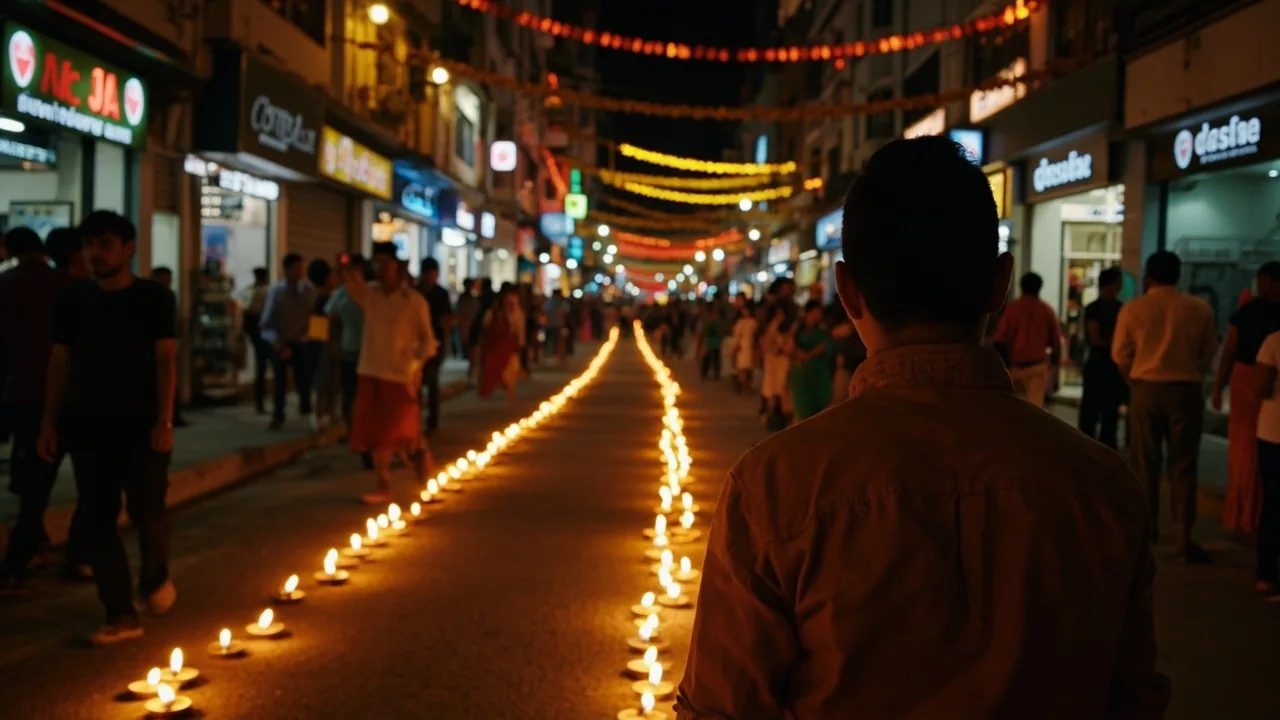
Singapore Deepavali celebrations when where to go during festival season, what to expect, and how to plan around Singapore’s four major festivals, namely Deepavali, Pongal, Chinese New Year, and Ramadan, and how each one reshapes the city for Indian travellers.
Quick Answers
| What | Answer | Price (Local / INR) |
|---|---|---|
| When is Deepavali 2026 in Singapore? | Monday, 17 November 2026 (public holiday); Little India street light-up runs 19 Sep to 26 Oct 2026 | Free entry to fest zone |
| When is Chinese New Year 2026 in Singapore? | 17–18 Feb 2026 are public holidays; festive light-ups run ~3 weeks | Free entry to fest zone |
| When is Thai Pongal 2026 in Singapore? | Wednesday, 14 January 2026 (main day); Tamil community events for 2 weeks around it | Free–₹1,108 (~15 SGD or ~$11.61) for temple/community events |
| When is Ramadan 2026 in Singapore? | Roughly 18 Feb to 19 March 2026 (dates depend on moon sighting; check MUIS.gov.sg for confirmed dates) | — |
| Typical hawker meal during festival weeks? | Often 20% price spike on Deepavali and CNY eve | ₹443-₹739 (~6-10 SGD or ~$4.64-$7.74) |
Festival Dates at a Glance (2026)
| Festival | 2026 dates | Public holidays | Where it shows up |
|---|---|---|---|
| Thai Pongal | 14–17 January 2026 | None (Tamil community events only) | Little India, Sri Senpaga Vinayagar Temple, Kampong Glam |
| Chinese New Year | 17–18 Feb (CNY day 1 & 2), festive period ~24 Jan to 22 Feb | 17 & 18 Feb (CNY day 1 & 2); 19 Feb is also a school holiday but not a statutory public holiday | Chinatown, Kreta Ayer, Hong Lim, Chinatown MRT area |
| Ramadan | ~18 Feb, 19 Mar 2026 (lunar) | None for non-Muslims, but Hari Raya Puasa on 20 Mar 2026 is a public holiday | Geylang Serai, Kampong Glam, Bussorah Street |
| Hari Raya Puasa | 20 March 2026 | Yes (1 day) | Same as Ramadan areas above |
| Vesak Day | 31 May 2026 | Yes | Buddha Tooth Relic Temple (Chinatown) |
| Deepavali | 17 November 2026 (Monday) | Yes | Little India, Serangoon Road, Campbell Lane, Tekka Centre |
For Ramadan timing, treat the table dates as working estimates. The Islamic calendar is lunar; Singapore’s Majlis Ugama Islam Singapura (MUIS) confirms the actual start ~24 hours before. Check MUIS.gov.sg a week before you fly.
Festival-by-Festival Breakdown
1. Deepavali in Singapore (the showpiece event)
Public holiday: Monday, 17 November 2026. Confirmed against the Ministry of Manpower’s 2026 gazetted holiday list.
Street light-up dates: 19 September to 26 October 2026 (Little India, Campbell Lane, Serangoon Road). Confirmed by the Singapore Tourism Board and the Little India Shopkeepers Association.
Where to be for the main celebration:
- Serangoon Road / Campbell Lane / Race Course Road is the centre of gravity. The whole street gets archways, oil lamps, and a footfall in the tens of thousands per night. Plan to arrive after 7pm and walk it as a loop, not a single line.
- Tekka Centre is where the food action moves. The two hawker floors bring on Deepavali specials from September to early November. A plate of murtabak is a reliable ₹443-₹591 (~6-8 SGD or ~$4.64-$6.19) here when you want a sit-down meal with air-conditioning.
- Sri Veeramakaliamman Temple on Serangoon Road runs a 5-day Deepavali cultural show around the festival week. The temple itself is over 140 years old and is one of the most photographed spots in Little India.
What to do as an Indian visitor:
The festival isn’t a spectator event with staged performances, it’s a living Tamil celebration that spills onto the streets. Watch the kuthu vilakku (oil lamp) lighting, walk the bazaars, eat the specials, and visit the temple. The dress code at Sri Veeramakaliamman is shoulders and knees covered, which fits Indian travellers’ default wardrobe.
The kampong spirit feels real because it is. Many of the businesses on Race Course Road are Tamil-run, and the festival is genuinely their New Year.
Costs during Deepavali week:
- Flights from Chennai, Bengaluru, and Hyderabad run 30–45% higher for the 5–7 November window than mid-October.
- The hostel and budget-hotel prices in Little India spike 20–30% from the week before Deepavali through to the holiday itself.
- Restaurants in Little India get reservation-heavy on the holiday eve and the holiday itself. Walk-ins at Indian restaurants get long queues.
2. Thai Pongal (smaller, but worth catching)
Dates: 14–17 January 2026, with 14 January being the main Pongal day. Singapore does not give a public holiday for Pongal, so the festivities run around the working week.
Where it shows up:
- Little India (Serangoon, Tekka, Buffalo Road). Most activity clusters here.
- Sri Senpaga Vinayagar Temple in Potong Pasir runs a public Pongal celebration with traditional cooking and kolams.
- Sri Krishnan Temple on Waterloo Street hosts similar events.
The Pongal observance tends to be more Tamil-community-internal than Deepavali (which is more pan-Indian). If you’re not connected to a Singapore-based Tamil family, you won’t get invited to a home Pongal celebration. What you can do as a tourist:
- Attend a temple’s public Pongal cooking event (check temple websites ~2 weeks ahead).
- Eat Pongal-specific meals at Tamil restaurants in Little India.
For veg Indian food outside festival days, the run-down local guide is in the Indian food Singapore vegetarian halal hawker guide. For a Hyderabadi fix, Chola Cafe - Biryani House in Little India does solid biryani. For North Indian tandoori, Zaffron Tandoori Restaurant at Boat Quay is a reliable pick.
3. Chinese New Year (the one that affects everyone)
Public holidays: Tuesday 17 February and Wednesday 18 February 2026 are the two CNY public holidays. Many family-run hawker stalls, mom-and-pop shophouses, and small businesses shut for 2–4 days, reopening around the third or fourth day of the new year.
Festive light-ups: Roughly late January to late February. Chinatown and Kreta Ayer get the lanterns.
What it means for Indian visitors:
This is the festival that surprises people the most, because the impact is felt by people who don’t celebrate it.
- Hawker centres thin out. On CNY Day 1 and 2, expect 30–50% of stalls to be closed at any given hawker centre. Larger ones stay open because they have tenants, not owner-operators. Lau Pa Sat, Maxwell, and the bigger heartland hawker centres stay staffed.
- Malls and hotels stay open. If you need a guaranteed meal, Orchard Road malls, hotel restaurants, and chain cafes operate as usual.
- Grab and taxi fares spike. Rain + holiday + surge = the worst Grab rates of the year on CNY eve (16 February 2026). Plan MRT for the eve.
- Chinese New Year light-up at Chinatown is free and walkable. The route runs from Pagoda Street to South Bridge Road, with the peak photo spots at the covered walkway near Temple Street.
The festive period also coincides with Ramadan 2026 (CNY 17 Feb overlaps with roughly Day 28 of Ramadan). The two festivals don’t conflict, but your eating schedule will get interesting: morning Ramadan fast for Muslim-run stalls in Geylang, daylight Chinatown closed for CNY prep, evening bazaar for both.
4. Ramadan & Hari Raya (the long, calm one)
Ramadan 2026 (Singapore): Begins the evening of ~17 February 2026 (magrib), runs through ~18 March, with Hari Raya Puasa on the morning of 20 March 2026. MUIS confirms within 24 hours of the new moon sighting.
Where it shows up:
- Geylang Serai and Kampong Glam. These are the two areas with the highest concentration of buka puasa (breaking of fast) stalls and Ramadan bazaars.
- Bussorah Street in Kampong Glam is the photo-worthy pedestrian strip with mosque views and the bazaar running the length of it.
- Geylang Serai Market is the heart of the buka puasa night market, with food stalls selling Malay, Indian Muslim, and Middle Eastern items. Going once is worth it; going twice in one trip is too much walking.
What it means for Indian tourists:
- Daytime attractions (Gardens by the Bay, Sentosa, museums) are unaffected. You can sightsee on a normal schedule from 9am to 6pm.
- Eating in public during daylight hours is technically not illegal for non-Muslims in Singapore, but it reads as tone-deaf, particularly around Kampong Glam and Geylang Serai. Stick to your hotel, a mall food court, or an Indian restaurant in Little India for lunch.
- Iftar (buka puasa) is around 7:20–7:25pm in mid-March, depending on the day. If you happen to be in the Geylang area at sunset, the bazaar and stall lighting is genuinely atmospheric. You’ll want a biryani, a murtabak, and the Ramadan-only drinks like bandung.
- The Ramadan bazaar food is some of the best cheap street food Singapore does. A full buka puasa plate is ₹591-₹887 (~8-12 SGD or ~$6.19-$9.28), lower than a typical mid-range restaurant.
5. Vesak Day (the Buddhist holiday Indians often catch by accident)
Not Indian, but worth noting because Singapore gives a public holiday. Vesak Day 2026 is Sunday, 31 May. The Buddha Tooth Relic Temple in Chinatown runs a public celebration. If you’re in Singapore on that date, walk by before the temple closes for the day.
What to Pack for Singapore Festivals
Singapore’s climate doesn’t change for festivals, so pack is the same all year. The festival-specific items are:
- Modest covering for temple visits: Shoulders and knees. A cotton scarf in your day bag saves you from borrowing one at the door.
- Reusable water bottle: Festival bazaars mean walking in crowds for 2–3 hours. The humidity doesn’t drop just because there’s a celebration.
- Solid walking shoes: The Deepavali light-up walk is 4 km if you do the full Serangoon. Campbell. Race Course loop. CNY light-ups are flat Chinatown pavement, but the crowds mean you walk slowly.
- Cash in small notes: Ramadan bazaars and Deepavali street stalls prefer cash. Plenty of ATMs around Little India and Kampong Glam.
- Portable charger: Walking the bazaars and using Google Maps and Grab eats battery.
Season Costs Comparison
Festival seasons don’t change Singapore prices the way monsoon seasons do in Thailand, but each festival has its own cost spike pattern.
| Item | Normal week | Deepavali week | CNY week | Bazaar week |
|---|---|---|---|---|
| Round-trip flight from Bengaluru/Chennai | ₹18,000-₹25,000 (~$188.50-$261.80) | ₹25,000-₹38,000 (~$261.80-$397.94) | ₹20,000-₹32,000 (~$209.44-$335.10) | ₹18,000-₹25,000 (~$188.50-$261.80) |
| Little India hostel dorm | ₹1,847-₹3,694 (~25-50 SGD or ~$19.34-$38.69) | ₹2,586-₹4,803 (~35-65 SGD or ~$27.08-$50.29) | ₹2,217-₹4,064 (~30-55 SGD or ~$23.21-$42.56) | ₹2,069-₹3,694 (~28-50 SGD or ~$21.66-$38.69) |
| Indian meal at Little India restaurant | ₹739-₹1,330 (~10-18 SGD or ~$7.74-$13.93) | ₹887-₹1,625 (~12-22 SGD or ~$9.28-$17.02) | ₹813-₹1,478 (~11-20 SGD or ~$8.51-$15.47) | ₹739-₹1,330 (~10-18 SGD or ~$7.74-$13.93) |
| MRT day pass | ₹591 (~8 SGD or ~$6.19) | ₹591 (~8 SGD or ~$6.19) | ₹591 (~8 SGD or ~$6.19) | ₹591 (~8 SGD or ~$6.19) |
Festival week price spikes are a real thing. Verified against aggregator data for November 2025 and the 2024 CNY window.
Getting Connected
Singapore 3G/4G coverage is good everywhere except MRT tunnels and a few basement malls. A Get Nomad eSIM is the cleanest option for a 3–10 day Indian trip, especially if you’re only in Singapore on a stopover. If you want a local SIM, M1, StarHub, and Singtel all sell tourist SIMs at Changi arrivals for ₹517-₹1,108 (~7-15 SGD or ~$5.42-$11.61) with limited data.
Use your data for live checks during your festival trip: confirm Deepavali light-up operational status, MUIS Ramadan timing, and CNY-day opening hours for the hawker centre you planned to visit.
How to Get There
Changi Airport Terminals 1, 2, 3, and 4 are all served by direct flights from major Indian cities (Bengaluru, Chennai, Hyderabad, Mumbai, Delhi, Kolkata). Indian passport holders need a visa, processed through Singapore ICA or via the Singapore eVisa affiliate link.
For visa applications during festival season, the wait time can stretch. Apply 3–5 working days ahead, longer for the immediate Deepavali or CNY weeks. The Singapore visa season rush is a known pattern; details in Singapore visa for Indians during festival season.
From Changi, the MRT to anywhere in central Singapore takes 30–45 minutes on the East-West or Thomson-East Coast line. The Changi Airport MRT operates roughly 5:30am to midnight, but confirm exact Changi Airport MRT hours before late-night arrivals.
Subodh’s Take
If you’re an Indian traveller picking a Singapore trip specifically around a festival, Deepavali in November is the move. Little India genuinely transforms for a month, the streets come alive at night, and the temple visits feel authentic rather than staged. Chinese New Year is the second pick because the hawker closures force you into a slower pace, which for a tired backpacker is a feature, not a bug. Ramadan in Singapore is honestly great if you’re Muslim or curious about Malay food culture, but Indian visitors should be aware that daylight eating in Geylang and Kampong Glam doesn’t read well, so plan meals around Little India or hotel buffets for midday. Pongal is the underdog; Tamil-run temples in Little India host community kitchens during the festival, and some welcome visitors who dress up and show interest.
The bigger picture: Singapore’s festival calendar is the cleanest in Southeast Asia to navigate because dates are all announced well in advance, public holidays are honoured properly, and the infrastructure around each event (MRT, parks, hawker centres) is built for the crowd. Use it.
FAQ
1. Is Deepavali a good time to visit Singapore for an Indian tourist? Yes, Deepavali is the best month of the year for Indian visitors to Singapore. Little India is decorated, restaurant specials run for weeks, the weather is finally cooler (24–30°C rather than 32–35°C), and there is a public holiday on Monday 17 November 2026. Book flights 6–8 weeks ahead for the best fares.
2. Does Singapore give a public holiday for Pongal? No. Thai Pongal (14 January 2026) is observed by the Tamil community but is not a gazetted public holiday in Singapore. Most festivals during Pongal week are temple or community-run events in Little India. Check the Sri Senpaga Vinayagar or Sri Krishnan Temple calendars closer to the date.
3. What happens to food and sightseeing during Ramadan in Singapore? Daytime sightseeing, attractions, and MRT operations are unaffected. Eating or drinking in public in Muslim-majority areas like Geylang Serai and Kampong Glam during daylight hours is discouraged. Hawker centres and non-Muslim-run restaurants in Little India and the rest of the island remain open normally.
4. Are hawker stalls closed during Chinese New Year? Many family-run hawker stalls shut for the two CNY public holidays (17 & 18 Feb 2026). Larger hawker centres (Lau Pa Sat, Maxwell, Tiong Bahru, heartland centres) stay open because they have tenancies, not owner-operators. Malls and hotel restaurants operate as usual throughout CNY.
5. When should I apply for a Singapore visa if travelling during Deepavali or Chinese New Year? Apply at least 3–5 working days before your flight, longer for festival weeks when the eVisa queue stretches. The Singapore visa is ₹1,900 (~30 SGD or ~$22), single-entry, valid 30 days. For full details, see the Singapore visa for Indians guide.
6. Is the month of festivals crowded in Singapore? Yes for Deepavali (Little India gets packed), moderate for CNY (Chinatown), and mild for Ramadan bazaars (Geylang and Kampong Glam take foot traffic well). Book Little India accommodation 3–4 weeks in advance for Deepavali week.
7. What’s the weather like during Singapore’s festival months? November (Deepavali) is one of the rainiest months but temperatures stay at 24–30°C. February (CNY and Ramadan) is one of the drier months. May (Vesak) is the hottest month. The Singapore weather month-by-month guide covers the climate in detail.
- Subodh
