Cebu Wildlife Sanctuaries: Marine Life, Dolphins & What to See (2026)
Yes, Cebu has dolphins and you can snorkel with them. The Visayan Sea between Cebu and Bohol sees spinner and bottlenose dolphins year-round, the islands off southern Cebu (Oslob, Moalboal, Bantayan) hold working marine sanctuaries with sea turtles and reef fish, and inside the province you also have the Cebu Safari and Adventure Park for the land-animal side. Skip the tourist-trap whale shark swim at Oslob if you care about ethics, head to Moalboal’s sardine run for the best guaranteed underwater show, and book any boat tour from Cebu City the night before for 1,500 to 2,500 PHP. For related planning, see our guides on Sea Backpacking Hub and How to Travel to Philippines Cheap.
What Is a Marine Sanctuary?
A marine sanctuary in the Philippines is a legally protected stretch of reef (usually 100 to 500 metres wide) where no fishing, anchoring, or fish-feeding is allowed. Inside the boundary line, fish populations recover to two to three times their levels outside. For a snorkeler, that means you see more species, bigger individuals, and healthier coral than you would at a non-protected beach. Cebu has both municipal-level sanctuaries (Cebu City and southern towns maintain their own) and a national one, the Apo Island Protected Landscape and Seascape, but Apo sits in Negros Oriental so it’s a 3 to 4-hour ferry plus a boat ride rather than a pure Cebu trip. You may also find How to Travel Abroad Cheap useful for this trip.
Quick Answers
| What | Answer | Price (INR) |
|---|---|---|
| Best sea-animal experience | Moalboal sardine run + Pescador Island | ₹2,021-₹2,527 (~1,200-1,500 PHP or ~$21.35-$26.69) |
| Best chance of dolphins | Badian / southern Cebu day tour (Bohol Sea) | ₹3,032-₹4,211 (~1,800-2,500 PHP or ~$32.03-$44.48) |
| Best land-animal park | Cebu Safari and Adventure Park, Naga | ₹1,432 (~850 PHP or ~$15.12) entry |
| Ethical whale sharks (NOT Oslob) | Donsol, Sorsogon, Luzon | , |
| Marine park entrance fees | 50 to 200 PHP per sanctuary | , |
| eSIM data for boat tour apps | Get Nomad eSIM | , |
Step-by-Step: How to Plan a Cebu Wildlife Trip
1. Pick your anchor: Moalboal, Oslob, Bantayan or Mactan
Southern Cebu is the marine-life core. Moalboal is the modern backpacker pick: sardine run every day, Pescador Island day trips, Apo Reef day trips, sea turtles, no crowds except weekends. Oslob is the one with whale sharks but it’s a heavily commercialised feeding operation (rice-bucket-feed) that trained-genuine marine biologists I know refuse outright. Bantayan and Malapascua are quieter islands on the north coast with small reef sanctuaries and the famous Monad Shoal thresher-shark dive (Malapascua only, certified divers). Mactan has the Cebu Ocean Park and a few resort-house reefs, but it’s more convenience than wildlife.
2. Get to Cebu City, then onward
Flights from India are limited and almost everything routes through Manila or Kuala Lumpur. Manila to Cebu is 1 hour and 15 minutes by Cebu Pacific or Philippine Airlines, often 2,500 to 5,000 PHP one-way on promo fares (AirAsia and Cebu Pacific frequently run sales). From Cebu City Airport, Moalboal is 3 hours by bus (Cebu South Bus Terminal, Ceres buses every 30 minutes), Bantayan is a ferry from Santa Fe, and Oslob is 3.5 hours south of the city.
Book your inter-island leg or bus in advance if your arrival is at a peak time: Book on 12go.
3. Book the boat tour
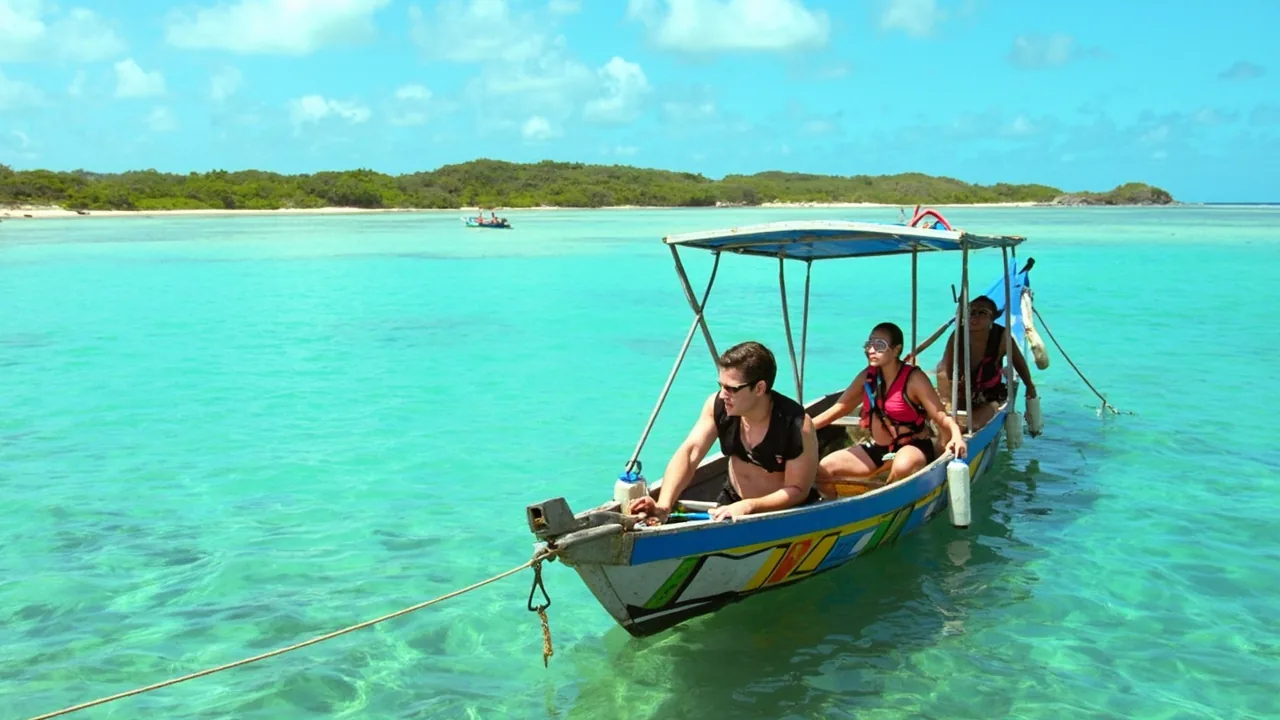
Whichever town you base in, the tours are identical shapes: 6 AM pickup, 3 to 5 snorkel stops, lunch on the boat, return around 4 PM. The Moalboal standard route is Panagsama Beach sardine run in the morning then Pescador Island marine sanctuary for the second stop. The Badian / southern Cebu dolphin route is mostly run out of Badian itself and aims for dolphin pods between Cebu and Bohol. Bantayan offers half-day reef snorkels for 600 to 1,000 PHP per person.
Book any of these the day before through your hostel reception or via: Check wildlife-sanctuaries sea tours on GetYourGuide.
4. Pack and check your gear
Most tours include mask, snorkel and fins. Bring your own mask if you wear glasses (the rental masks are all single-strength), an eco-friendly sunblock (Philippine marine parks sometimes charge extra or refuse you without one), a rashguard, and a dry bag for your phone. Reef-safe sunscreen matters more than people think. Philippine marine sanctuaries have started rejecting sunblock with oxybenzone on entry.
5. Pay the marine park fees on the day
Most sanctuaries charge a 50 to 200 PHP entry that the tour operator handles. Baeren Travel’s Pescador tour is 1,500 PHP including fees; Selfos Dive Centre’s dolphin-and-sardine combo is 1,800 PHP from Cebu City with van pickup. There’s normally no advance booking required for entry fees.
6. Decide on the land-animal day
If you’re staying a week, slot one day for Cebu Safari and Adventure Park in the town of Naga (south of the city, 1.5 hours by bus). They hold over 1,000 animals across 170 hectares including African wildlife zones (giraffe, zebra, white lion), an Australian section, the only Philippine tiger in captivity, and a covered aviary for the bird species. Entrance is 850 PHP.
Where to Stay
Moalboal is where to base yourself if the marine life is your main goal. Two reliable backpacker picks:
| Hostel | Area | Dorm | Private | Book |
|---|---|---|---|---|
| Check prices | Moalboal, Panagsama | 450 to 600 PHP | 1,200 to 1,800 PHP | Link |
| Check prices | Malapascua Island | 500 to 700 PHP | 1,500 to 2,200 PHP | Link |
Panagsama Beach is where the sardine run starts; you walk out from the shore and you’re at the wall of fish, no boat needed for the first view.
What Animals Live in Cebu
Sea animals
In the marine sanctuaries alone, snorkelers reliably report: green and hawksbill sea turtles (Turtle Bay, Moalboal, between 30 and 50 per day at peak season), clownfish (Nemo fish), the giant clams you see on the sandy patches, moray eels in the rocky areas, blacktip reef sharks on Pescador’s deep wall (rare for snorkelers, the reefs usually have smaller juveniles), barracuda, parrotfish, sergeant-major fish, triggerfish, and if you’re lucky, a passing manta ray in the deeper channels during the dry season (March to May). The sardine run in Moalboal is the headline: a permanent wall of sardinella between Panagsama Beach and the drop-off. They’re there every day, regardless of season, because of a feeding cycle, not a migration.
Subodh’s Pro Tip: Don’t chase, touch, or chase-feed the turtles. The Bantayan and Pescador regulations now impose on-the-spot fines (500 to 1,000 PHP) for touching marine life. The best distance is 2 metres; the turtles will come close on their own.
Dolphins in Cebu
Spinner dolphins and bottlenose dolphins are present year-round in the Bohol Sea (the body of water between Cebu and Bohol). Sunrise tours are best, sea state is calmer and the pods are more active. The boat captains look for colour changes on the water before surfacing (the dolphins scatter small fish ahead of them). The morning tours out of Badian and southern Cebu see dolphins on roughly 8 of 10 mornings. Malapascua also runs dolphin-watch boat trips though thresher-shark diving is usually the headline there.
Whales and whale sharks
You will see whale-shark tours advertised at Oslob but skip them. They swim with sharks only because the operators feed them by hand (rice-bucket feeding from a stick in the water); the sharks did not evolve to graze rice. Marine biologists and WWF Philippines all say the practice conditions the sharks to loiter and associate humans with food, which then raises strike risk outside Oslob. The Philippines also has a small pod of sperm whales off the Bohol Sea, but tours to see them are intermittent and unreliable from Cebu.
Land animals
For land animals, Cebu Safari is the place. Outside that, the only “land wildlife” you’ll see around Cebu itself are the obvious city crows, geckos that come out at night in every Philippine building, and the occasional monitor lizard at riverside places. There’s no equivalent to Thailand’s elephants here in tourist settings, and you should keep it that way; the local government and WWF have worked hard to keep wildlife-exploitation rides out of Cebu in a way that Thailand allowed to grow for decades.
Common Mistakes Indians Make
- Joining the Oslob whale-shark swim thinking it’s a unique experience: it’s not, it’s the most crowded commercialised marine-mammal experience in the Philippines, and you will queue 3 hours for a 30-minute swim. Moalboal is calmer and more rewarding.
- Forgetting reef-safe sunscreen: This is one tourist rule worth obeying. Sunscreens with oxybenzone have been shown to damage coral DNA at concentrations below the levels most snorkelers are applying. Buy one at Resorts Pharmacy or SM Supermarket before driving south.
- Booking a tour for Ape Island when you wanted Pescador: tour names and operators in Moalboal are fluid; confirm the day before. Pescador is the more reliable marine sanctuary, Ape is the longer boat ride with sometimes-duller snorkel sites.
- Going on a tour during the typhoon season without checking weather: the Philippines sees typhoons June to November. Many tour operators will still run, and you’ll see the worst reef in the rainier months because the salinity and runoff spike. Aim for March to May.
- Assuming you can fly drones at Cebu Safari: drone permits are required inside all Philippine protected areas now. Just use your phone.
What Most Guides Don’t Tell You
Safety Alert: Apo Reef off the south coast of Mindoro is sometimes confused with Apo Island, which lies a 3-hour-plus ride from Cebu. If a guide offers an “Apo Island day trip from Cebu”, budget 12+ hours door-to-door and confirm the boat is licensed; boats running Oslob-to-Apo combos are not safe in rough weather. Check the Philippine Coast Guard advisory the morning of.
The Moalboal sardine run is not a migration. People look it up, see “seasonal movement”, and arrive in the wrong month. The sardinellas are resident; they aggregate over the Panagsama drop-off daily, fed by plankton and small fish. You’ll see them every day of the year.
Malapascua’s Monad Shoal thresher sharks are deeper than 20 metres and need a deep dive and a known dive shop. Snorkelers don’t see threshers and shouldn’t book a dive expecting guaranteed sightings: encounters are about 60-70% on a normal clear-water day, 90%+ in April-May when visibility peaks.
The Indian rupee is not a usable currency in Cebu City. Most Moalboal and Bantayan ATMS do not accept foreign cards without a Philippine Bitcoin-bureau-style limit (typically 10,000 to 20,000 PHP per transaction). Carry more cash than you think, or use a forex card with a low foreign-loading fee. We’ve covered the forex-card guide here for Indian travellers, trip-by-trip.
FAQ
Are there dolphins in Cebu? Yes. Spinner dolphins (the main species) and bottlenose dolphins are resident in the Bohol Sea all year. Sunrise boats out of Badian and the south coast see them on 8 of 10 mornings in dry season, 6 of 10 in rainy season.
What sea animals can I see while snorkeling in Cebu? Green and hawksbill sea turtles (high chance at Pescador and Turtle Bay), clownfish, moray eels, barracuda, the Moalboal sardine run, and the occasional manta ray in the deeper channels. Blacktip reef sharks occasionally in deep water along the Pescador wall but unusual for snorkelers.
Is Oslob whale-shark swim ethical? No, in the opinion of WWF Philippines, marine biologists, and an increasing number of travel operators including most large Cebu hostels. Skip it and pick a different tour.
Do I need a dive certification? No, not for snorkeling. The dolphin-watch boat tours and sardine-run snorkel trips are surface-only. You only need certification for Malapascua’s thresher-shark Monad Shoal dive.
What’s the cheapest way to see dolphins from Cebu? The hostel-routed boat tours for 1,500 to 2,500 PHP including van pickup, sarongs, mask, snorkel, lunch, and marine-park fees. Day-tour packages quoted at 4,000+ PHP are the same trip with a more expensive operator.
Which months are best for snorkeling in Cebu? March to May (dry season, water clarity 25 to 30 metres). February and June are also good. Avoid typhoon-season tours that require multiple transfers between islands.
Can I stay in Cebu City and just day-trip south for snorkeling? Not really, the road time eats 6 to 8 hours of your day. Sleep in Moalboal, Badian, or Bantayan instead.
Subodh’s Take
Moalboal is the answer for almost everyone. If you’re the kind of backpacker who goes to a place for one reason, picking Moalboal over Oslob over Pamilacan gets you reliable sardine run, clean coral, decent turtles, and easy day trips for snorkeling. The dolphins live in the sea around Cebu so book one morning for them. Land-animal day at Cebu Safari gives you a bonus. Budget 3 nights in Moalboal (around 5,000 PHP in a hostel dorm and 1,000 PHP per day on food) for a solid marine-life trip. Skip Oslob. Aim for March-May.
