Vietnam eSIM 2026: Skip Roaming, Stay Connected & Translate Like a Local
Land in Hanoi or Ho Chi Minh City with data already firing, a translation app ready for the market, and a phone that survives the rain. This guide covers every digital decision you make before the plane touches down, verified against Nomad and Airalo’s current Vietnam listings and cross-checked with Viettel’s tourist SIM page in July 2026. For related planning, see our guide on Sea Backpacking Hub.
The biggest mistake Indian travellers make is walking out of the airport on ₹500/day international roaming, then queuing for forty minutes at a Viettel counter when they could have scanned a QR code at 30,000 feet. The second biggest mistake is assuming Google Translate works offline without the right download. Let’s fix both. You may also find Phu Quoc Sim Card for Indian Travelers Where to Buy Best Plans Airport Stalls useful for this trip.
Quick Answers
| What | Answer | Price (INR) |
|---|---|---|
| Best eSIM for Vietnam from India | Nomad eSIM (5GB / 30 days) | ₹450 (~$4.67) |
| Cheapest physical SIM at HCMC/Hanoi airport | Viettel Tourist SIM (6GB / 14 days) | ₹479 (~130,000 VND or ~$4.97) |
| Vietnam power socket type | Type A, C, D, G (Indian plugs work in most sockets) | , |
| Is Google Translate free in Vietnam | Yes, with offline Vietnamese pack (160MB) | Free |
| Do I need a VPN in Vietnam in 2026 | Facebook/Instagram work without one; some Indian banking apps get blocked | Free / paid apps |
The Connectivity Stack: eSIM vs Physical SIM vs Roaming
You have three realistic options. Each has a clear winner depending on your trip length and phone model.
Option 1: Nomad eSIM (The Best eSIM for Vietnam from India)
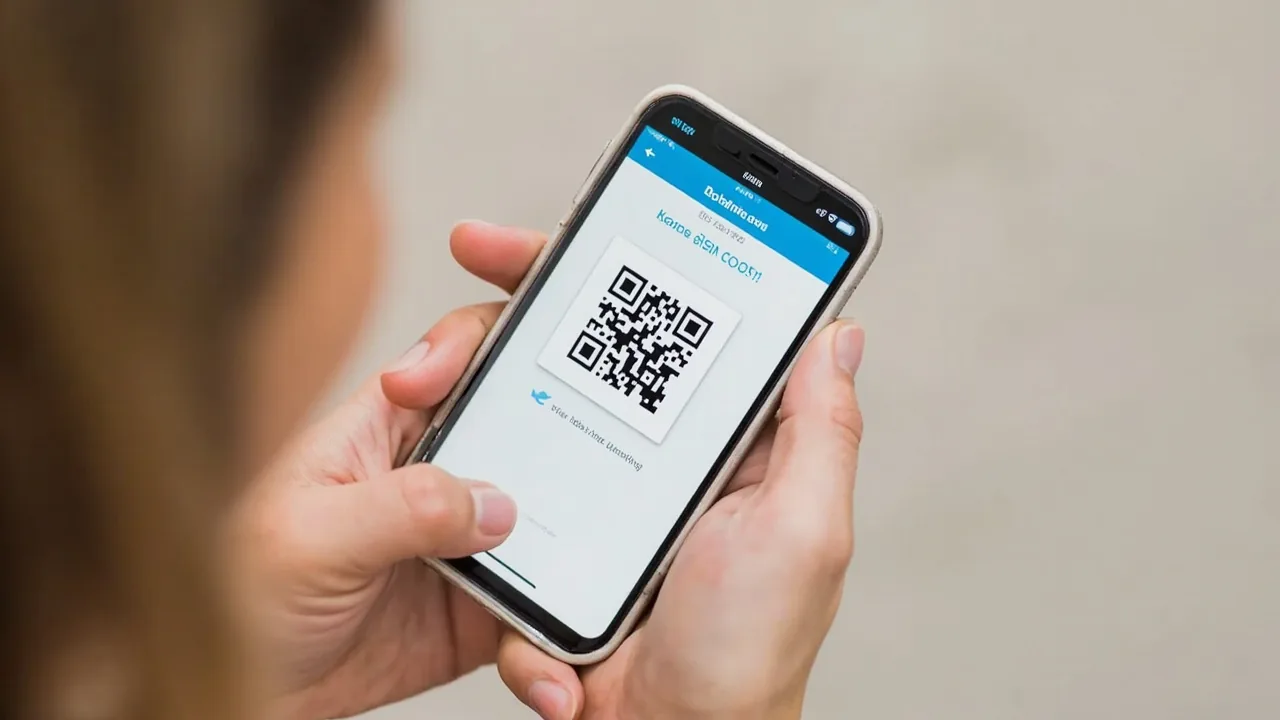
Buy before you fly, scan the QR code at home, land with data working in under a minute. No passport, no queue, no vendor trying to upsell you a 30-day plan you don’t need.
Nomad’s Vietnam regional plan covers 5GB over 30 days for around ₹450 (~$4.67). The bigger play is the Asia plan: 10GB across Vietnam, Thailand, Cambodia, and Laos for roughly ₹1,200 (~$12.45), which is what most backpackers doing the Bangkok-Hanoi-Siem Reap loop need. Get Nomad eSIM before you pack your bag, and your phone will be online before the captain switches off the seatbelt sign.
Airalo is the other big name you’ll see on Reddit threads about “best esim for vietnam reddit.” It’s fine. Nomad tends to be 15-20% cheaper on the same data buckets and the activation flow is cleaner. Holafly offers unlimited data but caps hotspot speeds at 1 Mbps after 3GB/day, which makes Grab maps painful.
Option 2: Viettel / Mobifone Physical SIM (The Cheapest Local Option)
If your phone is eSIM-locked, dual-SIM only, or you just like having a Vietnamese number for Grab and local OTPs, the airport kiosk route still works.
A Viettel tourist SIM with around 6GB over 14 days runs 130,000 VND, which at current rates (1 INR ≈ 268 VND) lands at roughly ₹485. Available at the arrivals hall in both Tan Son Nhat (HCMC) and Noi Bai (Hanoi). Bring your passport. The clerk activates it on the spot, registers the number to your name, and you walk out with a working SIM in under ten minutes. See the full price breakdown in our Vietnam SIM card cost guide.
Mobifone is a slightly cheaper alternative if you’re heading to Da Nang or Hoi An (their home turf), with similar 14-day tourist packs around ₹405-₹479 (~110,000-130,000 VND or ~$4.20-$4.97). Viettel has the best 4G coverage in rural areas like Sapa, Ha Giang, and the Phong Nha caves.
Subodh’s Pro Tip: Keep your Indian Airtel/Jio SIM active for OTPs (UPI, IRCTC, banking) and slot the Vietnamese eSIM in as your data line. Modern iPhones and Samsung flagships handle dual-SIM + eSIM simultaneously without breaking a sweat.
Option 3: Indian Carrier Roaming (The Trap)
Airtel and Jio both offer “International Roaming” packs at around ₹500-₹800/day. Sounds fine until you do the math: ₹800 × 14 days = ₹11,200, which is roughly 25× the cost of a Nomad regional eSIM. The daily packs also throttle to 256 kbps after 1GB, which means Google Maps reloads every time you swipe.
Roaming only makes sense for a 48-hour business stop, not a backpacking loop.
Power, Plugs & Charging
Vietnam uses Type A (two flat prongs, like the US), Type C (two round prongs, like most of Europe), and Type G (the British three-pin). Indian plugs (Type C and Type D) fit Type C sockets without an adapter. Most hostels and cafes have a mix of A and C sockets on the wall, so you can charge without buying anything in roughly 70% of Vietnam.
For the remaining 30%, carry a universal adapter that handles A, C, and G. Anker’s 30W dual-USB-C plug with a UK adapter sleeve costs around ₹1,500 (~$15.56) in India and weighs 95 grams. Worth it.
Voltage is 220V at 50Hz, same as India. Your Indian phone charger, hair dryer (if you must), and laptop brick all work fine without a converter.
Power Bank Rules for the Flight Home
Indian aviation rules (DGCA, mirrored by Vietnam’s CAA) restrict power banks under cabin baggage, not checked. Hard limits:
- Up to 100 Wh (roughly 27,000 mAh at 3.7V): allowed without airline approval.
- 100-160 Wh: airline approval required, varies by carrier.
- Above 160 Wh: banned.
A 20,000 mAh power bank from a brand like Ambrane or Mi sits around 74 Wh, well inside the safe zone. If you’re carrying two (one for the bus, one backup), label each with the capacity in mAh and Wh, and keep them accessible in your daypack, not stuffed at the bottom of your main bag during security.
Translation Apps That Work in Vietnam
Vietnamese is tonal, so audio translation matters as much as text. The English level in tourist zones is workable but drops to near-zero the moment you leave District 1 or the Old Quarter. Here’s the stack:
Google Translate (Free, Offline Capable)
Download the Vietnamese offline pack before you fly (Settings → Offline translation → Vietnamese, 160MB). Camera mode translates menus and street signs in real-time. Conversation mode handles back-and-forth bargaining at markets like Ben Thanh or Dong Xuan.
The catch: some features (camera, conversation) need a working data connection even with the offline pack installed. That’s why an eSIM or local SIM on landing isn’t optional, it’s how the translator translates.
Papago (Free, Better for Vietnamese Specifically)
Naver’s Papago handles Vietnamese better than Google for short phrases, especially market bargaining and food orders. Smaller app, smaller offline pack (~80MB).
Pleco (For Signboards and Menus)
Pleco is technically a Chinese-English dictionary but its OCR camera mode reads Vietnamese diacritics with surprising accuracy. Free version is enough.
What About ChatGPT?
Works fine in Vietnam with an eSIM, but the hallucination rate on Vietnamese-to-English translations of street signs is high. Use it for grammar and sentence construction, not for reading a menu.
Subodh’s Pro Tip: Learn five phrases that earn instant goodwill: “Xin chào” (hello), “Cảm ơn” (thank you), “Bao nhiêu tiền?” (how much?), “Rẻ hơn được không?” (can it be cheaper?), and “Ngon lắm” (delicious). Vietnamese people light up when a foreigner tries. It works on the price at every market from Hoi An to Sapa.
VPN in Vietnam in 2026: Do You Need One?
The short answer: most travellers don’t.
Facebook, Instagram, WhatsApp, Google Maps, Grab, Booking.com, YouTube, and Gmail all work in Vietnam without a VPN in 2026. The “Vietnam blocks everything” reputation is about a decade out of date. The current restrictions target Vietnamese users, not tourists, and mostly hit domestic political content.
Where a VPN becomes useful:
- Some Indian banking apps (HDFC, ICICI mobile) flag Vietnamese IP addresses as suspicious and lock OTP delivery.
- Accessing BBC, NYT, or other Western news sites sometimes requires a VPN from certain Vietnamese ISPs.
- If you’re doing work that touches Chinese apps (WeChat, certain enterprise tools), routing through a Hong Kong or Singapore server is more reliable.
Free VPNs (Hola, Turbo VPN) leak DNS like sieves and inject ads. NordVPN and Surfshark run around ₹300/month, Mullvad is €5/month flat with no email signup. Worth it if you need one, pointless if you don’t.
Rain-Proofing Your Phone: Vietnam’s Monsoon Reality
Northern Vietnam runs May-September (peak July-August), southern Vietnam runs May-November. If you’re landing in either window, your phone will get wet. Here’s how to keep it alive:
- Ziplock bag trick: A ₹10 (~$0.10) zip-lock from any Indian kirana store works. Slide the phone in, leave the top unsealed for the camera, and you’ve got a free waterproof case for tuk-tuk rides in Hanoi.
- Dry bag: Sea to Summit’s 5L dry bag (around ₹1,200 (~$12.45) in India) holds phone, wallet, passport, and a power bank. Mandatory for Ha Long Bay boats and Phong Nha caving.
- Rice/coffee trick (real, not a myth): If your phone takes a dive, power it off immediately, bury it in uncooked rice or silica gel packets for 48 hours. Rice works because Indian humidity is similar to Vietnamese humidity and most Indian homes already have it. Don’t plug it in until it’s bone dry.
- Insurance: Most Indian phone warranties don’t cover water damage abroad. SafetyWing covers the medical side but not your phone’s water death. Get a separate device policy from Acko or Bajaj Allianz before you fly if your phone cost over ₹50,000 (~$518.65).
For a deeper monsoon-specific packing run-through, our Vietnam packing list guide covers rain gear month by month.
Portable WiFi Hotspots: Mostly a Bad Deal
You’ll see pocket WiFi rentals at the airport for around $8-12/day. Skip them. They tether to the same 4G networks your eSIM already uses, drain battery in 4-5 hours, and need to be returned to the airport on departure (a hike if you’re staying in District 4 or Cau Giay).
The only case where pocket WiFi makes sense: you’re travelling with 3-4 people and want to share one data plan. Then $10/day ÷ 4 people = $2.50/day per head, cheaper than four separate eSIMs.
The Real Tech Stack I’d Pack
- Phone with eSIM + physical SIM dual-SIM support
- Nomad eSIM activated before takeoff (5GB Vietnam or 10GB Asia regional)
- Universal adapter (Type A/C/G)
- 20,000 mAh power bank with Wh label visible
- Google Translate with Vietnamese offline pack
- Grab app (Vietnam’s answer to Uber, takes foreign cards, no VPN needed)
- Offline Google Maps of HCMC, Hanoi, Da Nang, Hoi An (download in India on WiFi)
- Ziplock bag x3 for monsoon days
That’s the whole stack. Total weight: under 400 grams.
Where to Eat When You’re Tired of Tech
Long bus ride, translation app glitched, you just want a dal-chawal fix? These three spots have survived Indian traveller scrutiny:
- Shri Natraj Indian Cuisine in District 1, HCMC. North Indian curries, tandoori, and actual naan. Around ₹552-₹810 (~150,000-220,000 VND or ~$5.73-$8.40) for a full thali.
- MẸT Vietnamese Restaurant & Vegetarian Met 2 in HCMC. Pure vegetarian Vietnamese, lively atmosphere, great for a pho break without the meat.
- Now Restaurant - Cơm Niêu in Dalat. Vietnamese hotpot and claypot rice, family-style, warm setting on Dalat’s cool nights.
For Vietnamese staples done well: Nhà An (vegan-friendly local), NGON DA NANG (try the Bun Cha Ca and Banh Xeo), and Hoang’s Restaurant round out the local-flavour list across Da Nang, Hoi An, and beyond.
Common Mistakes Indians Make With Vietnam Tech
Mistake 1: Skipping the eSIM because “roaming is convenient.” You pay 25× more, get throttled speeds, and your phone bill still arrives in India showing the damage. Set up an eSIM the day you book your flight.
Mistake 2: Not downloading offline maps before takeoff. Grab needs a data connection for booking, but once the ride is locked in, the navigation runs on cached tiles. Download Hanoi, HCMC, Da Nang, Hoi An, and Sapa maps at home WiFi. They weigh 50-80MB each and save you when the eSIM hiccups in remote spots.
Mistake 3: Buying a 20,000 mAh+ power bank without checking the Wh rating. Anything over 100 Wh gets confiscated at Indian airport security. The rule is hard, the queue to argue is long.
Mistake 4: Trusting free VPNs. They sell your data to cover costs. If you need a VPN (for banking apps or news sites), pay for Mullvad or NordVPN.
Mistake 5: Forgetting a Type G adapter. Vietnam has British three-pin sockets in older buildings and upscale hotels. Your Indian Type C plug won’t fit a Type G wall. A ₹1,500 (~$15.56) universal adapter prevents that 10 PM scramble around Hoan Kiem Lake looking for a convenience store.
FAQ
Is Nomad or Airalo better for Vietnam?
Nomad wins on price for the same data buckets (typically 15-20% cheaper) and has cleaner activation. Airalo has more plan granularity if you need exactly 3GB for a 5-day stop. For a 14-day backpacking loop, Nomad’s Asia regional plan covers four countries and is hard to beat.
Will my Indian phone work in Vietnam?
Yes, on GSM 900/1800 MHz bands. All Indian smartphones (iPhone 7+, Samsung S8+, Xiaomi Redmi 6+, OnePlus 5+) support Vietnam’s 4G LTE bands. 5G is rolling out in HCMC and Hanoi but coverage is patchy outside central districts.
Can I use UPI in Vietnam?
No. UPI is India-only. You’ll need a Visa/Mastercard forex card (HDFC ForexPlus, Niyo Global, or ICICI Travel Card all work) or cash in VND. ATMs are everywhere in cities, withdraw ₹3,683-₹7,366 (~1,000,000-2,000,000 VND or ~$38.20-$76.41) at a time to minimize the ₹200-₹300 (~$2.07-$3.11) per-transaction fee most Indian banks charge.
Do I need a VPN to use WhatsApp in Vietnam?
No. WhatsApp, Telegram, Signal, Facebook Messenger, and iMessage all work without a VPN in Vietnam in 2026. You only need a VPN if specific Indian banking apps refuse to send OTPs to Vietnamese IPs.
How much data do I need for two weeks in Vietnam?
A typical backpacker uses 1-2GB/day (maps, translation, Grab, Instagram, video calls). Plan for 15-20GB over 14 days. Nomad’s 5GB plan is fine if you stay on WiFi at hostels; the 10GB Asia plan covers heavier users.
Is the Viettel airport SIM ₹479 (~130,000 VND or ~$4.97)?
Yes, as of July 2026. Price is set by Viettel and rarely varies. The SIM includes around 6GB data valid 14 days. You also get some free domestic minutes, which most backpackers don’t use. Register with your passport at the kiosk.
Can I top up my Vietnamese SIM from India?
Yes. Viettel, Mobifone, and Vinaphone all have top-up portals that accept foreign Visa/Mastercard. Our Viettel/Mobifone/Vinaphone recharge guide walks through each carrier step-by-step.
Subodh’s Take
Buy the Nomad eSIM the day you book your flight, not the day you land. Download Google Translate’s Vietnamese pack the same night. Carry one universal adapter and one 20,000 mAh power bank under 100 Wh. Skip the pocket WiFi, skip the airport roaming, skip the free VPN. That decision tree saves you roughly ₹8,000-₹12,000 (~$82.98-$124.48) on a two-week trip and means your phone works the second the wheels touch down, not forty minutes later when you’ve finally reached the Viettel counter with the wrong passport page open.
Safety Alert: Check the Indian Ministry of External Affairs travel advisory at mea.gov.in before departure. Vietnam is consistently rated Level 1 (exercise normal precautions), but the advisory is the right place to confirm any short-term advisories around Tet (Lunar New Year) or typhoon season.
