Sapa: A 1 Week Itinerary for the Indian Backpacker (2026)
✅ Last verified on-the-ground: 2026-07-17
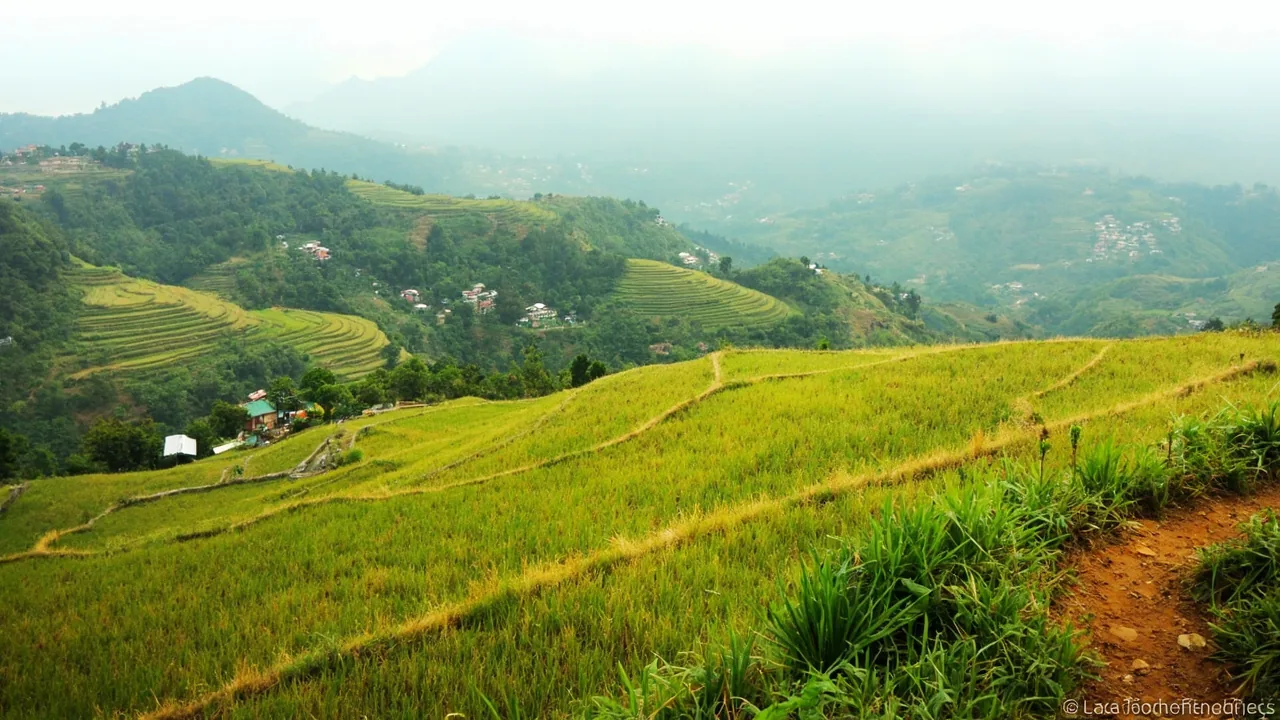
Sapa is rice terraces, cloud seas, and five different ethnic minorities living within a 20 km radius. It is also a place where your India-rupee wallet stretches further than almost anywhere else in Vietnam, once you get past the Hanoi sleeper bus. This is a focused, sapa 1-week guide with budget notes for Indian backpackers, verified against current traveller reports and the official Vietnamese immigration portal as of July 2026. For related planning, see our guide on Sea Backpacking Hub.
Most people rush Sapa in two days and leave disappointed. A full week lets you do one multi-day trek, two cultural village visits, and still have a recovery day for the inevitable fog burn. Skip it, and you will wonder why the photos looked better than the town. You may also find Ha Long Bay useful for this trip.
Quick Answers
| What | Answer | Price (INR) |
|---|---|---|
| Best days for Sapa | 5-7 days (any fewer is rushed) | Free to plan |
| Hanoi to Sapa sleeper bus | 6 hours, overnight | ₹1,560 (~16 USD) |
| Dorm bed in Sapa | 8-bed mixed dorm | ₹575 (~150,000 VND) |
| Best local SIM | Viettel or Vinaphone, 30-day data | ₹660 (~160,000 VND) |
| Week total budget (tight) | Dorm, street food, local buses | ₹12,500 (~3,250,000 VND) |
How to Get There (From Hanoi)
Almost everyone arrives in Sapa from Hanoi. The overnight sleeper bus is the default, and for good reason: it costs less than a hostel in Hanoi, drops you at the Sapa church square by 6 AM, and saves you a night of accommodation. See also: Ninh Binh.
| Mode | Duration | Price | Book |
|---|---|---|---|
| Sleeper bus (Sapa Express, EcoSapa) | 6 h | ₹867 (~9 USD) | Book on 12go |
| Limousine van (9-seater) | 5.5 h | ₹1,060 (~11 USD) | Book on 12go |
| Train + transfer (overnight to Lao Cai) | 8.5 h + 1 h transfer | ₹1,350 (~14 USD) | Book on 12go |
The sleeper bus wins on cost. Pick a reputable operator: Sapa Express and EcoSapa are the two that travellers consistently report clean buses and on-time arrivals. Avoid the cheapest options from unknown operators; travellers report borderline-broken mattresses and routes that stop at every village to pick up packages. For related planning, see our guide on Da Nang.
Subodh’s Pro Tip: Book the bus for the day you leave Hanoi, not the night before. Hanoi hostels fill up on weekends, and you do not want to be stranded at 11 PM looking for a room after the bus station. You may also find Mui Ne useful for this trip.
Where to Stay
Sapa’s backpacker scene has matured. There are now real hostels with hot water, fast WiFi, and common rooms where trekkers swap notes over cheap bia hơi. Most sit within a five-minute walk of the church square, which means you can stumble back from the night market without a taxi.
| Hostel / Guesthouse | Cost/night | Vibe | Book Here |
|---|---|---|---|
| Amica House | ₹420 (~110,000 VND) | Quiet, mountain views, great for couples | Check prices |
| Venus Sapa Hostel | ₹345 (~90,000 VND) | Budget dorms, central location | Check prices |
| The Zen House Sapa | ₹498 (~130,000 VND) | Calm garden setting, mid-range feel | Check prices |
| Moc Home Sapa | ₹383 (~100,000 VND) | Hmong-style decor, social common area | Check prices |
| Sapa Hub Hostel | ₹383 (~100,000 VND) | Central, easy meeting point for groups | Check prices |
| Subodh’s pick: Amica House for the mountain-facing rooms and quiet nights. If you want to be in the middle of the action and save 15%, Sapa Hub Hostel puts you two minutes from the night market. |
A 1-Week Sapa Itinerary
The trick with seven days in Sapa is to break it into three blocks: arrival buffer, multi-day trek, and slow cultural days. Here is how I would lay it out.
Day 1: Arrive, Acclimatise, Walk the Town
Most sleeper buses arrive between 5:30 and 6:30 AM. Drop your bag at the hostel (most let you check in early or at least store bags), grab a strong Vietnamese coffee, and spend the day walking the town.
Hit Sapa Park for the lake and locals doing morning exercise, then walk to Sapa Square for the church and the start of the night market. The night market lights up around 6 PM with grilled corn, sticky rice, and the occasional barbecue skewer. Eat dinner here on your first night.
Day 2-3: Multi-Day Trek with a Hmong or Dao Guide
Do not do Sapa as a day trip from Hanoi. The two-day trek into villages like Ta Van, Lao Chai, and Giang Ta Chai is the point of coming here. Book through your hostel or a Sapa-based operator: expect to pay around ₹1,730 (~1,800,000 VND) for two days, one night homestay, three meals, and a guide.
The Trekking Tour Sapa operators handle everything. You will sleep on a wooden floor in a Red Dao or Hmong home, eat what they eat (rice, greens, eggs, chicken if you ask), and walk through terraced fields that justify every Instagram photo you have seen.
Safety Alert: Always go with a registered local guide. Travellers report solo “trekkers” losing the trail in fog and ending up on someone’s farm at midnight. The official Sapa tourism desk at the church square can verify operator credentials.
Day 4: Rest Day, Visit Cat Cat Village
Cat Cat is the closest ethnic-minority village to Sapa town, and it is the easiest half-day cultural stop. Entry is around ₹72 (~75,000 VND). You will see a waterfall, a Hmong cultural show (paid extra, optional), and a lot of textile stalls. The Cat Cat Tourism Village visit takes about three hours round-trip including the walk down and back up.
Use the afternoon to recover. Book a massage in town (around ₹480/~₹1,842 (~500,000 VND or ~$19.10) for an hour) or just sit in your hostel common room and catch up on laundry.
Day 5: Fansipan Peak by Cable Car
Fansipan is the highest mountain in Indochina at 3,143 m, and the cable car from town takes about 15 minutes to the top. The round-trip ticket is around ₹2,210 (~2,300,000 VND) and includes the funicular up to the summit stairway. Go on a clear morning; fog rolls in by 11 AM most days and ruins the view.
If you have kids or want something tamer, the Swing Sapa is a separate paid experience near the cable car station with panoramic valley views.
Day 6: Ham Rong Mountain or Tả Phìn Monastery
Pick based on weather and energy.
Option A, Ham Rong Mountain: A small hill right behind Sapa town with gardens, orchid displays, and a clear view of the valley. Entry is around ₹96 (~100,000 VND). The Ham Rong Sa Pa Eco-Tourism Area takes two to three hours at a slow pace.
Option B, Tả Phìn Monastery: A Red Dao area about 12 km from town. The Tu viện Tả Phìn monastery is a quiet stone structure with working monks and a red-tiled roof. Rent a motorbike or take a taxi (around ₹288/~₹1,105 (~300,000 VND or ~$11.46) each way) and combine it with a Red Dao herbal bath in the village.
Day 7: Slow Morning, Departure
Pack, eat a final breakfast, and catch the afternoon bus back to Hanoi. If you have an evening flight out of Noi Bai, the Hanoi to Noi Bai Airport connection via Sapa is direct.
What to Eat
Sapa’s food scene is slanted toward meat-heavy Vietnamese staples, but the vegan movement has caught on here faster than in the rest of northern Vietnam. These are the spots to know.
Thong Dong Vegan Kitchen & Cafe is the standout. Travellers consistently rate it 4.9 for creative plant-based takes on Vietnamese dishes: vegan spring rolls, jackfruit curry, and a tofu banh mi that does not feel like a compromise. Expect ₹663 (~180,000 VND or ~$6.88) per dish.
Andee Sapa Restaurant & Vegan is the other vegan-leaning option with local flavors and rotating daily specials. Good backup if Thong Dong is full.
Nature View earns its name with a terrace overlooking the valley. Order the thang co (a Hmong horse-meat stew) if you eat meat, or the safer pumpkin flower soup if you don’t.
Sapa Center Cafe Restaurant is where to grab a quick, cheap pho or com ga (chicken rice) for ₹442 (~120,000 VND or ~$4.58) when you are in a rush between activities.
Sapa Emotion Restaurant (Nhà hàng Ngư Ông) is the seafood-heavy spot near the lake. Skip it if you are vegetarian; it is the place for grilled fish and claypot dishes, not plant-based options.
Subodh’s Pro Tip: Skip pork and beef-heavy stews unless you specifically want them. Most Hmong dishes are built around pork fat, which limits vegetarian options outside the dedicated vegan cafes.
Getting Connected
Sapa’s mobile coverage has improved sharply. Viettel and Vinaphone both sell tourist SIMs at the bus station and at shops on Cau May Street.
A 30-day data-only Viettel SIM runs around ₹660 (~160,000 VND) for 3-4 GB per day. Vinaphone is similar. Buy from a shop inside town rather than the bus station kiosks, where prices run 30-40% higher.
If you would rather skip the SIM card queue, the Get Nomad eSIM option lets you activate a Vietnam data plan before you land in Hanoi.
WiFi at the hostels listed above is reliable for video calls and uploads. Cafe WiFi is patchier, especially in fog.
Daily Budget Breakdown
Here is what a week in Sapa costs at a backpacker budget, based on traveller reports from the last six months.
| Category | Budget/day |
|---|---|
| Dorm bed | ₹575 (~150,000 VND) |
| Food (3 meals) | ₹575 (~150,000 VND) |
| Local transport (taxis, short hops) | ₹385 (~100,000 VND) |
| Activities (averaged across 7 days) | ₹770 (~200,000 VND) |
| Misc / drinks | ₹290 (~75,000 VND) |
| Total | ₹2,595 (~675,000 VND) |
Add the Hanoi sleeper bus on either end (₹867 (~$8.99)/ ~₹868 (~9 USD) each way), the two-day trek (~₹1,730 / ~1,800,000 VND), and the Fansipan cable car (~₹2,210 / ~2,300,000 VND) and your full week lands around ₹12,500 (~3,250,000 VND) excluding international flights.
“This is what travellers spent in the last six months, not what tourism blogs quote.”
Verified at 1 VND = ₹0.0037 (1 INR ≈ 270 VND), current as of July 2026.
Visa / Entry Notes
Vietnam’s e-visa is the cleanest option for Indians as of 2026. Apply through the official portal at thuvienvisa.vn (the only legitimate government-linked portal; ignore lookalike sites charging three times the fee).
Current fees for Indian passport holders:
- E-visa application fee: ₹2,410 (~25 USD)
- Stamping fee at immigration: separate, paid on arrival
The total land cost is closer to ₹2,800 (~$29.04) once you include the stamping fee and the service charge if you use a visa agent. Processing takes three working days. Apply at least a week before your flight.
Where to Go from Here
Most travellers continue north or back to Hanoi. From Sapa, your realistic options are:
| Destination | Mode | Duration | Price | Book |
|---|---|---|---|---|
| Hanoi | Sleeper bus | 6 h | ~₹867 (~9 USD) | Book on 12go |
| Ha Giang | Sleeper bus | 6 h | ~₹1,350 (~14 USD) | Book on 12go |
| Noi Bai Airport | Direct bus | 6 h | ~₹1,734 (~18 USD) | Book on 12go |
| Ninh Binh | Sleeper bus | 10-12 h via Hanoi | ~₹1,200 (~12 USD) | Book on 12go |
| Hoi An | Flight via Hanoi | 4 h total | ~₹3,275 (~34 USD) | Book on 12go |
| Da Nang | Flight via Hanoi | 5 h total | ~₹3,275 (~34 USD) | Book on 12go |
The sleeper bus to Hanoi is the default and almost always the right call. Hoi An and Da Nang overland are gruelling; fly.
Common Mistakes
Mistake 1: Doing Sapa as a day trip from Hanoi. The round-trip Hanoi to Sapa drive is six hours each way. A day trip means twelve hours in a bus for two hours of scenery. Stay at least two nights, ideally five to seven.
Mistake 2: Booking the cheapest “Sapa tour” from a Hanoi operator. Travellers report buses that break down, guides who speak no English, and itineraries that skip the villages you came to see. Book through your Sapa hostel or a local operator once you arrive.
Mistake 3: Wearing jeans and a hoodie on the trek. Sapa trails are muddy, even in dry season. Quick-dry pants and broken-in hiking shoes save you a ruined pair of jeans and a twisted ankle.
FAQ
Is Sapa safe for solo Indian women? Yes. The trekking routes are well-trodden and guides are used to solo female travellers. Standard precautions apply: don’t walk unlit roads after 9 PM, and book homestays through your hostel rather than random Facebook listings.
Can I get Indian food in Sapa? Not really. There is no dedicated Indian restaurant in the town centre as of mid-2026. The vegan cafes cover most dietary needs. If you need a dal-chawal fix, the nearest reliable Indian food is back in Hanoi.
What is the best month to visit Sapa? September to November for rice harvest terraces and clear skies. March to May for plum and peach blossoms. December to February is foggy and cold (it can drop below 5°C); June to August is the rainy season and trails turn slippery.
Do I need to speak Vietnamese? Not really. English is enough for hostels, tour operators, and most restaurants. Vietnamese helps at the market and with homestay hosts on the trek.
How much cash should I carry? Vietnamese Dong is the working currency everywhere. Carry ₹6,000-₹8,000 (~$62.24-$82.98) worth in VND (~1,500,000-2,000,000 VND) and top up at ATMs in town. Most hostels and restaurants accept card payments over ₹500 (~$5.19).
Is the Fansipan cable car worth it? Yes, on a clear day. The view from 3,143 m is the single best panorama in northern Vietnam. Skip it on a foggy morning; you will pay ₹2,210 (~2,300,000 VND) to see white.
Subodh’s Take
A week in Sapa is what converts this place from “nice rice terraces” to one of the best stops in Southeast Asia. The town itself is small and touristy, but the homestays, the Dao herbal baths, and the morning fog rolling off Fansipan are the kind of thing you remember ten years later. Stay longer than you think you need to.