Da Nang: The Indian Backpacker’s Guide (2026)
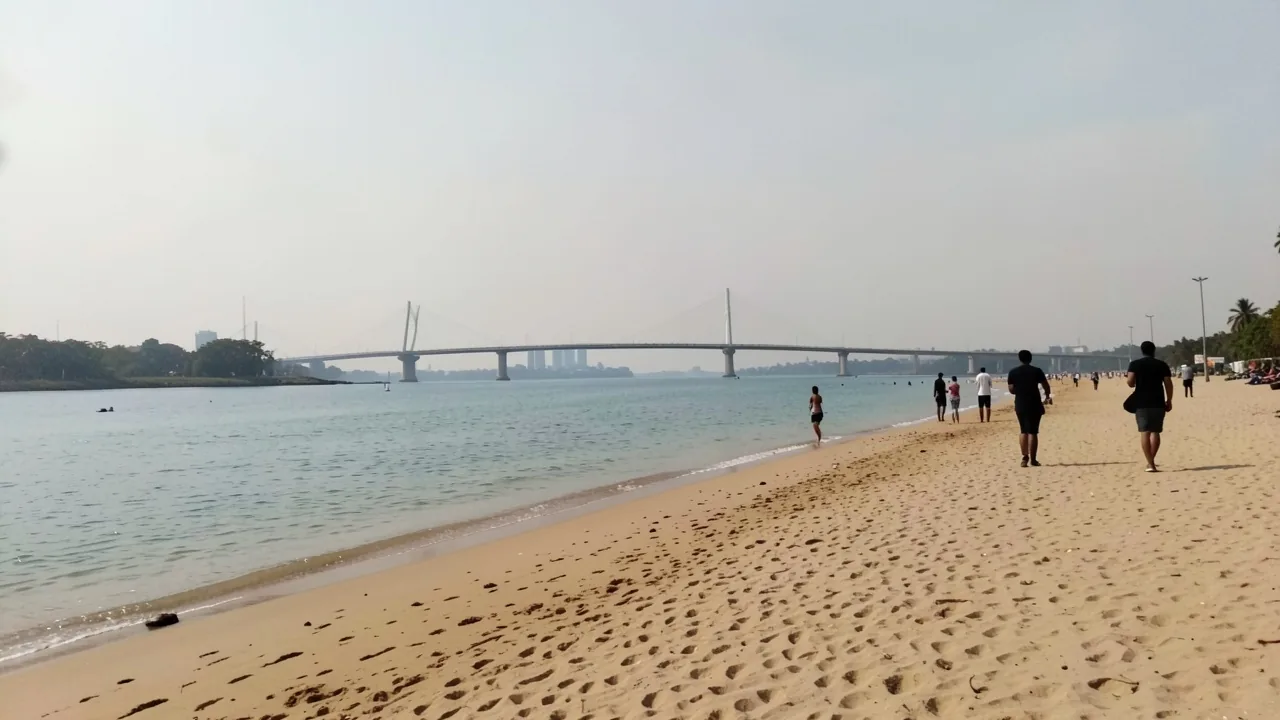
This da nang guide covers the practical basics for backpackers arriving on the Central Coast. Da Nang is Vietnam’s fourth-largest city and its most underrated one, a beach-and-bridges kind of town where backpackers normally stop for two or three nights on the way from Hoi An to Hue. Spend more than a night or two here and the city rewards you: the seafood is some of the best on the coast, the beaches are clean enough to swim, and the Han River at night is the kind of view that makes you forget Hanoi exists. For related planning, see our guide on Sea Backpacking Hub.
Quick Answers
| What | Answer | Price (INR) |
|---|---|---|
| Daily backpacker budget | ₹4 (~1,200 VND or ~$0.05)–₹7 (~2,000 VND or ~$0.08) range | ₹1,200 (~700,000 VND or ~$12) |
| Cheapest dorm bed (per night) | ₹442 (~120,000 VND or ~$4.58) | ₹400 (~120,000 VND or ~$4.50) |
| Banh Mi from a street stall | ₹55 (~15,000 VND or ~$0.57) | ₹50 (~15,000 VND or ~$0.55) |
| Two-day SIM with 6 GB data | see Getting Connected | ₹450 (~130,000 VND or ~$1.50) |
| Sleeper bus to Hue (2 h 30 m) | see 12go | ₹800 (~250,000 VND or ~$8) |
How to Get There (From the Previous City on the Trail)
Most Indian backpackers arrive in Da Nang from one of three places: Hanoi, Hoi An, or Hue. The Hoi An. Da Nang hop is the most common, because every Central Vietnam itinerary pairs the two. You may also find Ha Long Bay useful for this trip.
| From | Mode | Duration | Price (local) | Book |
|---|---|---|---|---|
| Hoi An | Local bus / Grab | 45 min | ₹294 (~80,000 VND or ~$3.05) | Book on 12go |
| Hue | Sleeper bus | 2 h 30 m | ₹920 (~250,000 VND or ~$9.53) | Book on 12go |
| Hanoi | Sleeper bus | 13 h 45 m | ₹3,129 (~850,000 VND or ~$32.41) | Book on 12go |
| Ho Chi Minh City | Flight | 1 h 35 m | from ₹5,522 (~1,500,000 VND or ~$57.20) | Book on 12go |
Hue to Da Nang is the easiest segment of any Vietnam itinerary, and worth waking up for. The Hai Van Pass road is one of the most scenic bus rides in Southeast Asia, and you’ll roll into Da Nang before lunch. See also: Ninh Binh.
If you’re flying in from Bangkok or another hub, Da Nang International Airport is genuinely a 10-minute Grab ride from the backpacker area around Bach Dang and the Han River waterfront, so skip the airport taxi touts. For related planning, see our guide on Mui Ne.
Where to Stay
Da Nang’s backpacker scene sits on the river-side of the city centre, walking distance to both the beach and the nightlife strip around An Thuong (also called “Little Korea”). Hostels here are cheap and the standards are higher than Hanoi, mostly because the city is newer to tourism and the properties are newer too. You may also find Phong Nha useful for this trip.
| Hostel | Cost/night | Vibe | Book |
|---|---|---|---|
| Rom Casa Hostel Da Nang | ₹920 (~250,000 VND or ~$9.53) | Quiet social hostel, river-adjacent, best for solo travellers who want to meet people without the party noise | Check prices |
| Seahorse Signature Da Nang Hostel by Havil | ₹1,178 (~320,000 VND or ~$12.20) | Newer build, slick design, near the river and walking distance to the night market | Check prices |
| Lighthouse Danang Hostel | ₹736 (~200,000 VND or ~$7.63) | Budget pick, smaller dorms, good for one or two nights | Check prices |
| Tropical Dorm Hostel Da Nang by Haviland | ₹1,031 (~280,000 VND or ~$10.68) | Mid-range social, rooftop common area, mixed dorms | Check prices |
| Sujet Beach Hostel and Hotel Danang by Haviland | ₹1,288 (~350,000 VND or ~$13.35) | Closer to My Khe Beach, slightly quieter, decent for a slow day | Check prices |
| Dorm Garden Hostel Danang By Haviland | ₹847 (~230,000 VND or ~$8.77) | Garden courtyard, smaller property, good value for a longer stay | Check prices |
| My pick is Rom Casa for the social vibe without the party noise. If you want beach over city, Sujet puts you closer to the sand. |
Subodh’s Pro Tip: Da Nang hostels fill up fast on weekends because Vietnamese tourists from Hanoi and HCMC fly down for two nights. Book Friday and Saturday at least a week ahead during summer.
What to Eat
Da Nang’s food scene is the best reason to spend an extra night. The city sits between two of Vietnam’s great culinary traditions: the lighter central-coast style of Hoi An and Hue, plus a serious seafood culture because the fish here is genuinely fresh.
Mi Quang (turmeric noodle soup) is the dish that defines the city. It’s a smaller bowl than the noodle soups in Hanoi, with thicker rice noodles, a turmeric-laced broth, and shrimp or chicken on top. A proper bowl runs ₹110-₹147 (~30,000-40,000 VND or ~$1.14-$1.53) at most places. Thìa Gỗ Restaurant Da Nang does a clean version of Mi Quang and other central Vietnamese staples in a sit-down setting, and most evenings it’s busy with Vietnamese families rather than tourists, which is the sign you’re in the right place.
Banh Xeo (sizzling crepe) at NGON DA NANG is the kind of dish you order once and then think about for the rest of the trip. The pancake is bigger than the Saigon version and stuffed with pork, shrimp, and bean sprouts. Budget ₹221-₹368 (~60,000-100,000 VND or ~$2.29-$3.81) per person.
Seafood at My Khe Beach is the move for one meal in Da Nang. The strip of seafood restaurants between the beach and the road has live-fish tanks out front; pick what you want, pay by weight. Expect ₹736-₹1,472 (~200,000-400,000 VND or ~$7.63-$15.25) per person with drinks. Go with one or two others to split the cost.
Banh Mi from a street stall at ₹55 (~15,000 VND or ~$0.57) is still the best value meal in Vietnam. Da Nang’s banh mi leans heavier on pâté and cold cuts than Hanoi’s version, which works for non-veg eaters but is harder for strict vegetarians.
Bun Cha Ca (fish cake noodle soup) is Da Nang’s answer to pho, lighter, fishier, and almost unknown outside central Vietnam. NGON DA NANG serves a strong bowl of it.
Veg / Indian food (when you need a break from fish and pork)
Strict-veg Indian backpackers in Da Nang have three solid options, all rated 4.5 or higher.
| Restaurant | Cost / person | Why go |
|---|---|---|
| MAMA MASALA INDIAN CUISINE Da Nang | ₹368-₹736 (~100,000-200,000 VND or ~$3.81-$7.63) | Casual, North Indian comfort food, mutton biryani gets repeat mentions in reviews |
| Indian Ganga Dining & Lounge Da Nang | ₹368-₹920 (~100,000-250,000 VND or ~$3.81-$9.53) | Lounge setting, chicken tikka masala is the standout, decent paneer options |
| Benaras Central Da Nang | ₹552-₹1,104 (~150,000-300,000 VND or ~$5.72-$11.44) | Sit-down North Indian menu, best for a nicer dinner or if you’re missing Indian food |
Safety Alert: Pork and fish sauce show up in most Central Vietnamese dishes, even the ones that look vegetarian. If you’re strict-veg, point specifically at “khong thit, khong nuoc mam” (no meat, no fish sauce) when ordering; English-only communication gets inconsistent results outside the tourist strip.
What to Do
Da Nang is one of those cities where you can pack in a lot without spending much. Most of the major attractions cluster within a 25 km radius.
1. Sun World Ba Na Hills (Gold Bridge & cable car). This is the half-day or full-day trip almost everyone does from Da Nang. The cable car up is one of the longest in the world, and the famous two-handed Gold Bridge at the top gets crowded by 10 a.m. Go on a weekday if you can, or take the first 8 a.m. Cable car up to beat the tour buses. Book Sun World Ba Na Hills Entry Ticket with Cable Car tour
2. Han River night cruise. The Han River cuts Da Nang in half and lights up after dark. The Saturday and Sunday night shows with the Dragon Bridge breathing fire are touristy but worth seeing once. Boats run ₹552-₹1,104 (~150,000-300,000 VND or ~$5.72-$11.44) per person. Book Du Thuyền Sông Hàn Đà Nẵng (2Da Tickets) tour
3. My Khe Beach. Free, swimmable year-round, and wide enough that it never feels packed even in high season. Lifeguards are on duty during the day. The beach is also the centre of Da Nang’s nightlife scene; an hour before sunset the whole strip turns into open-air bars and seafood grills. Book Danang Beach tour
4. Son Tra Reef Snorkeling by Speedboat. Half-day trip to the reefs off the Son Tra peninsula, with stops for swimming and the chance to see coral and reef fish. Travellers report visibility is best April to September. Book Son Tra Reef Snorkeling by Speedboat tour
5. Da Nang Museum of Cham Sculpture. Vietnam’s premier collection of Cham artefacts spanning the 7th to 15th centuries, showcasing Hindu-Buddhist art and architecture. Small enough to do in 90 minutes, and a good break from beach and bridge activities. Book Da Nang Museum of Cham Sculpture tour
6. Charming Da Nang Show. A 70-minute cultural performance featuring traditional Vietnamese music and Cham dance, with scene descriptions in three languages including English. Worth it if you’ve got an evening free and don’t want to do another bar. Book Charming Da Nang Show Ticket tour
Honourable mention: The 3D Museum Art in Paradise Da Nang is a fun rainy-day stop, but only if you’re travelling with friends or a partner. Solo, you’ll be in and out in 30 minutes. Book 3D Museum Art in paradise Da Nang tour
Where to Go from Here
Da Nang sits in the middle of Vietnam’s Central Coast, and almost every traveller’s next stop is either Hue to the north or Hoi An to the south.
| Destination | Mode | Duration | Price | Book |
|---|---|---|---|---|
| Hue | bus | 2h 30m | see 12go | Book on 12go |
| Sapa | sleeper | overnight | ₹3,185 (~33 USD) | Book on 12go |
| Phu Quoc | flight | 2h | see 12go | Book on 12go |
| Hanoi | sleeper bus | 13h 45m | ₹3,668 (~38 USD) | Book on 12go |
| Ho Chi Minh City | flight | 1h 35m | see 12go | Book on 12go |
| Mui Ne | sleeper | overnight | see 12go | Book on 12go |
If you came from Hoi An and have a few days, push north to Hue next. Hue is closer to Da Nang and cheaper to reach.
Getting Connected
Vietnam tourist SIMs from Viettel and Mobifone are easy to pick up. The standard 14-day pack with around 6 GB data runs ₹479 (~130,000 VND or ~$4.96). You can grab one at the airport kiosks the moment you land, or skip the lines and walk into any Viettel or Mobifone shop in the city centre with your passport. Both providers work fine on the Da Nang. Hue. Hoi An strip; signal drops on the Hai Van Pass section, but that lasts maybe 20 minutes.
If you’d rather not swap a physical SIM, Get Nomad eSIM works in Vietnam from the moment you land and avoids the airport queue entirely.
WiFi at hostels and cafes in Da Nang is generally solid. Most dorms offer 30 to 50 Mbps, and cafes along Bach Dang street have fast enough WiFi for video calls.
Daily Budget Breakdown
| Category | Budget/day |
|---|---|
| Dorm bed | ₹920 (~250,000 VND or ~$9.53) |
| Food (3 meals) | ₹736 (~200,000 VND or ~$7.63) |
| Local transport | ₹294 (~80,000 VND or ~$3.05) |
| Activities | ₹920 (~250,000 VND or ~$9.53) |
| Misc / drinks | ₹294 (~80,000 VND or ~$3.05) |
| Total | ₹3,166 (~860,000 VND or ~$32.79) |
This is what our travellers spent on a slow three-night stay, not what blogs say. On a tight budget you can run Da Nang on closer to 600,000 VND a day by skipping the beach seafood dinner and the Ba Na Hills day trip. Travellers who went heavy on guided tours and rooftop cocktails came in around ₹5,153 (~1,400,000 VND or ~$53.39) a day.
Visa / Entry Notes
Vietnam requires Indian passport holders to apply for an e-Visa in advance. There is no visa-on-arrival option for Indians. Apply at the official portal https://evisa.xuatnhapcanh.gov.vn at least three days before you fly. The fee is ₹2,413 (~25 USD), the visa is valid for 90 days, and allows multiple entries. You’ll need a 4x6 cm white-background photo taken within the last six months and a clear scan of your passport bio page.
Common Mistakes
Booking a “Da Nang city tour” from a Hoi An hostel for ₹2,945 (~800,000 VND or ~$30.51). Most Hoi An hostels will push a half-day Da Nang tour that includes Ba Na Hills and Marble Mountains. The same day on 12go or a private Grab runs half that, and you can skip the gift-shop stop. If you’re staying in Da Nang, ignore these pitches entirely.
Skipping Hoi An because “we already have a coastal town.” Da Nang is a city; Hoi An is the lantern-lit Old Town 30 minutes south. They’re different experiences, and most Indian backpackers regret not budgeting at least two nights in Hoi An. The combined Da Nang. Hoi An. Hue triangle is one of the best three-day stretches in Southeast Asia.
Exchanging money at the airport. The exchange counters at Da Nang International Airport mark up roughly 4 to 5 percent over the city rate. Better: withdraw VND from a Vietcombank or BIDV ATM inside the terminal; the rate is interbank and the fee is capped at ₹221 (~60,000 VND or ~$2.29) per withdrawal.
FAQ
Is Da Nang safe for solo Indian women travellers? Yes. Da Nang has a lower petty-crime rate than Hanoi or HCMC, the tourist areas are well-lit at night, and Grab works reliably so you don’t have to negotiate with taxis. Standard precautions: avoid walking alone on the beach after midnight and don’t accept rides from unmarked cars.
Can I get vegetarian Indian food in Da Nang? Yes, three rated Indian restaurants cover the city (MAMA MASALA, Indian Ganga, Benaras Central). Outside those, you’ll be eating Vietnamese vegetarian, which is doable but requires the “no fish sauce” conversation almost every meal.
How many days should I spend in Da Nang? Two nights covers the major attractions. Three nights if you want a slower beach day or to add the Ba Na Hills day trip. Anything more, and you’re cutting into time better spent in Hoi An or Hue.
Is Da Nang expensive compared to Hanoi or HCMC? Slightly higher dorm prices (₹736-₹1,288 (~200,000-350,000 VND or ~$7.63-$13.35) vs ₹552-₹1,104 (~150,000-300,000 VND or ~$5.72-$11.44) in Hanoi) but food and transport costs are similar. Seafood is more expensive than Hanoi because it’s fresh and locally caught.
Do I need a separate visa for Da Nang? No. Your Vietnam e-Visa covers the entire country, including Da Nang, Hoi An, and Hue. No additional permits or border stamps needed for the Central Coast.
What’s the best time of year to visit Da Nang? February to May is the sweet spot: warm, dry, low typhoon risk. June to August is hot and humid, plus crowds. September to November is typhoon season; check the Indian MEA travel advisory before you fly during those months.
Can I fly Da Nang to Bangkok or another SEA hub? Yes. Da Nang has direct flights to Bangkok, Kuala Lumpur, Singapore, and Siem Reap. Most are 2 to 3 hours and cheaper than routing through Hanoi or HCMC.
Subodh’s Take
Da Nang is the city I underrated the first time through Vietnam. Two nights turned into four, mostly because of the seafood at My Khe and the way the city cleans itself up after dark. If you’ve got the time, slow down here: skip the half-day tour, eat a bowl of Mi Quang at a sit-down place, and walk the river at 10 p.m. When the bridges light up. Da Nang isn’t loud. It’s the city version of a good deep breath.