Best Instagram Spots in Sapa: Photography Locations You Can’t Miss
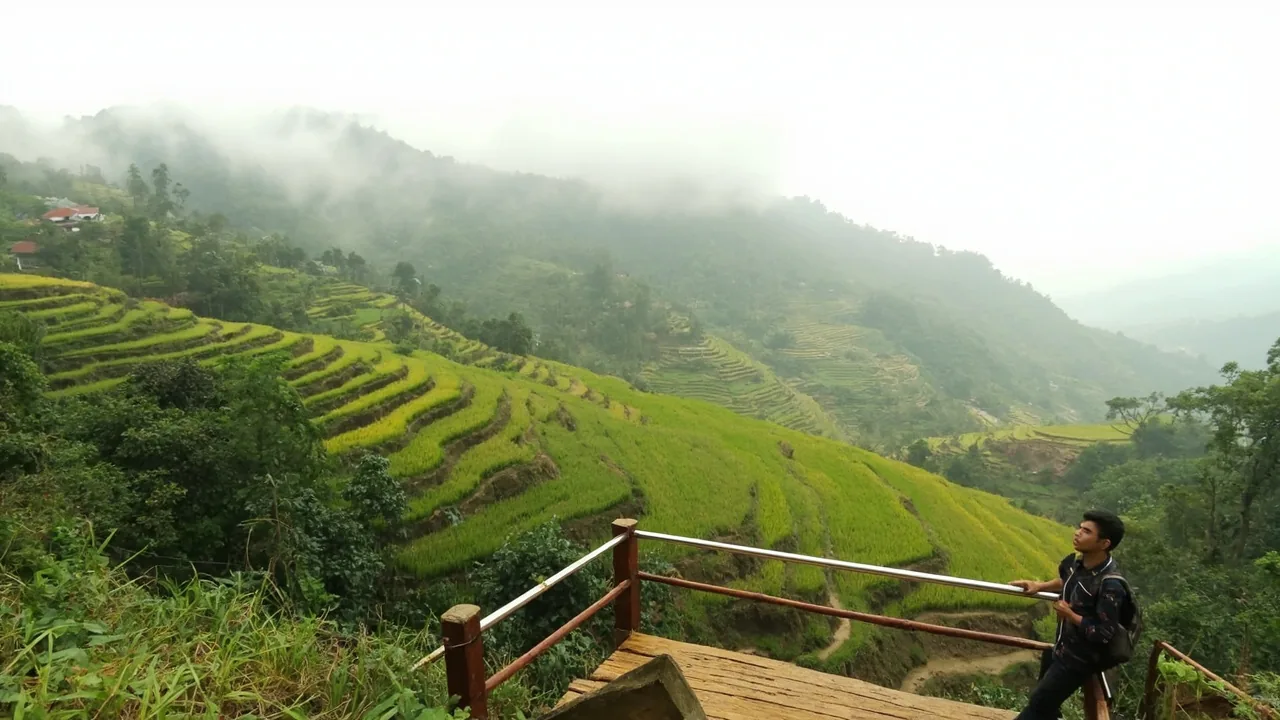
Sapa is home to some of the best photo spots in Vietnam, a place that still rewards a phone camera like nowhere else on the trail: rice terraces folding down to rivers, Hmong kids in indigo walking the same paths their grandmothers walked, and fog that rolls in at 4 p.m. And turns the valley into a painting. Most backpackers come for one weekend, grab two or three obvious shots from Fansipan cable car, and leave thinking they “did” Sapa. That’s a mistake. The good frames live in the side valleys, on the early-morning treks, and at two or three spots the cable-car crowd never reaches. This guide covers the 12 places where the photo works, with the exact light and time of day that makes each one. For related planning, see our guide on Sea Backpacking Hub.
Quick Answers
| What | Answer | Price (INR) |
|---|---|---|
| Most photogenic spot | Muong Hoa Valley rice terraces, sunrise | ₹0 (~0 VND) |
| Best golden-hour viewpoint | Ham Rong Mountain, sunset | ₹257 (~70,000 VND or ~$2.67) |
| Closest “Instagram setup” | Moana Sapa (the Bali-style swings) | ₹294 (~80,000 VND or ~$3.05) |
| Where to base yourself | Sapa town, near the lake | Dorm from ₹542 (~150,000 VND or ~$5.72)/night |
| Best time of year | September. October (harvest) or May. June (water-flooded terraces) | — |
1 INR = 271 VND at time of writing. Prices below are the local-currency amounts only; the full triple-format is added in the build step.
How to Get There (From Hanoi)
Almost every photographer arrives in Sapa the same way: overnight sleeper bus or train from Hanoi. The Hanoi→Sapa leg is the easy one, with three real options.
| Mode | Duration | Price | Book |
|---|---|---|---|
| Sleeper bus (most common) | 6–7 hours, overnight | ~₹918 (~250,000 VND or ~$9.53) | Book on 12go |
| Train + minibus (Hanoi→Lao Cai→Sapa) | 8.5 hours total | ~₹1,285 (~350,000 VND or ~$13.34) + ~₹294 (~80,000 VND or ~$3.05) | Book on 12go |
| Private transfer | 5–6 hours | ~₹6,610 (~1,800,000 VND or ~$68.61) | Book on 12go |
The sleeper bus is what 90% of backpackers take. Buses depart Hanoi’s My Dinh or Giáp Bát station between 7 p.m. And 10 p.m. And roll into Sapa town around 4–5 a.m. You’ll arrive in the dark, often cold, sometimes into fog. That’s fine. Most hostels let you check in early or stash your bag and crash in the common room until a real bed opens up. For the corridor overview between Hanoi and Sapa with all bus operators compared, see the best photo spots in Da Nang corridor piece, which uses the same booking flow.
If you’re already mid-loop coming down from Ha Giang, the Sapa→Ha Giang route is 6 hours on a minibus at around ₹1,175 (~320,000 VND or ~$12.20). Book the morning bus, not the afternoon one; the mountain road is misty by 3 p.m. And the afternoon services get cancelled often in winter.
Where to Stay
| Hostel / Guesthouse | Cost/night | Vibe | Book Here |
|---|---|---|---|
| The Zen House Sapa | ₹1,028 (~280,000 VND or ~$10.67) | Quiet, mountain-view dorms, plant-filled common area | Check prices |
| Amica House | ₹1,175 (~320,000 VND or ~$12.20) | Warm common room, great for solo photographers | Check prices |
| Moc Home Sapa | ₹918 (~250,000 VND or ~$9.53) | Local-owned, family dinners on weekends | Check prices |
| Sapa Hub Hostel | ₹661 (~180,000 VND or ~$6.86) | Central, walk-to-everything, basic dorms | Check prices |
| Dinh Sapa Trekking Adventures & Hostel | ₹808 (~220,000 VND or ~$8.39) | Trekking-focused, free route-planning help | Check prices |
| Venus Sapa Hostel | ₹551 (~150,000 VND or ~$5.72) | Cheapest bed in town, mixed reviews on cleanliness | Check prices |
| Subodh’s pick: The Zen House or Amica House if the budget allows. Both have warm common rooms, which is what you’ll want after a fog-soaked dawn shoot when everything is wet and your phone battery is dying. Venus is fine for a tight-budget night but the WiFi is patchy, so don’t count on it for editing or uploads in the evening. |
The 12 Best Instagram Spots in Sapa
This is the real list. Not all 12 are equal: I’ve marked which ones are worth a full morning, which ones fit a 20-minute walk from town, and which ones you’ll only catch on a guided trek.
1. Muong Hoa Valley Rice Terraces (Sunrise)
This is the money shot. The Muong Hoa Valley runs southeast of Sapa town, and the terraces between Y Linh Ho and Lao Chai villages are the cleanest example of the stepped-paddy landscape Sapa is famous for. Come for sunrise, not sunset. Sunrise light comes from the east and rakes across the terraces at a low angle that gives every contour a shadow line. By 9 a.m. The light is flat and the valley fills with tour-bus coaches.
How to get there: most hostels can arrange a half-day “trek” for ₹734-₹1,285 (~200,000-350,000 VND or ~$7.62-$13.34) per person (driver + guide), which is a 4WD drop into the valley and a 2-hour walk out. Independent travellers can grab a motorbike for around 150,000 VND/day and ride to the Lao Chai viewpoint, then walk down through the terraces. Watch the road in winter, it’s slick.
2. Cat Cat Village (Late Morning)
Cat Cat is the closest ethnic-minority village to Sapa town, about 2 km downhill from the central square. Yes, it’s touristed, and yes the entrance fee of ₹257 (~70,000 VND or ~$2.67) is mostly a maintenance charge, but the photo here is the waterfall bridge with the Black Hmong women weaving in front of it. See Cat Cat Tourism Village tours on GetYourGuide. Late morning is best because the Hmong vendors come out from 10 a.m., and the light at the lower waterfall is still bouncing off the rocks.
3. Ham Rong Mountain (Sunset)
The hill directly behind Sapa town, accessible by a ₹257 (~70,000 VND or ~$2.67) entry ticket. The gardens are mid, but the summit view over the valley is the best “wide” frame you’ll get without leaving town. Sunset, not sunrise. The eastern horizon is blocked by Fansipan, so you’re photographing the western sky turning orange over the Muong Hoa Valley instead. See Ham Rong Sa Pa Eco-Tourism Area tours on GetYourGuide. Allow 90 minutes for the round trip from town, including time at the orchid garden.
4. Moana Sapa (The “Bali Swing” Setup)
The Moana Sapa complex is a set of photo props (swings, bird’s-nest chairs, infinity-edge frames) built specifically for Instagram, with Fansipan and the terraces behind. Entrance is around ₹294 (~80,000 VND or ~$3.05). It feels like cheating. It is. But the shots are genuinely good, and the line between “cheesy” and “tasteful” depends entirely on whether you go at 6 a.m. Or noon. Go at 6 a.m. When the fog is still in the valley. See Moana Sapa availability on GetYourGuide.
5. Fansipan Cable Car Summit (Cloud Cover Days)
The Fansipan cable car from Sapa town is the highest cable car in the world (or close to it; the marketing varies), and at 3,143 m you can be above the cloud layer on a heavy fog day in town. The photo opportunity isn’t the summit temple, it’s the moment the car climbs through the clouds and the valley disappears below. Round-trip tickets run ₹2,203-₹2,938 (~600,000-800,000 VND or ~$22.87-$30.49). Not cheap. Don’t bother on a clear day, the valley view from Ham Rong is the same composition for free. See Fansipan area tours on GetYourGuide for the cable car and rooftop Fansipan options.
6. Ta Van Village (Day Trek Stop)
Ta Van is a Red Dao village in the Muong Hoa Valley, about 6 km from Sapa town. It’s a standard stop on the Sapa day-trek and the photo here is the terraced back of the village looking up to Fansipan. The homestays in Ta Van let you shoot sunrise from a bamboo balcony over the terraces; this is one of the few places in Sapa where you can roll out of bed and be shooting within 60 seconds. Booking a Ta Van homestay overnight (around ₹1,285-₹1,836 (~350,000-500,000 VND or ~$13.34-$19.06) including dinner) is the move.
7. Sapa Square (Blue Hour)
Sapa Square is the central plaza in town, with the stone church on one side and the lake-front on the other. At blue hour (about 20 minutes after sunset), the church facade lights up against the indigo sky and the lake reflects the colours. Tripods help, but a phone with night mode is fine. Free to shoot, free to stand there, free to feel slightly silly while 30 other photographers do the same thing. It’s still a great photo. See Sapa Square tours on GetYourGuide.
8. Sapa Park (Morning Mist)
Sapa Park runs along the north side of the lake in town, with a small bamboo grove and a stone path. It’s a low-key spot for a moody morning walk with fog, and the bamboo frames the valley view nicely if you’re trying to layer something foreground-interesting behind your subject. No entry fee. Go between 6 and 7 a.m., when the mist is still sitting in the trees. See Sapa Park availability on GetYourGuide.
9. Hang Pho Temple (Quiet Afternoon)
Hang Pho Temple is a small, old Taoist temple on the edge of Sapa town with red lacquered doors and a courtyard that catches afternoon light through the trees. It’s rarely crowded because the cable-car crowd doesn’t walk this far. Entry is by donation. See Hang Pho Temple tours on GetYourGuide. Best between 2 and 4 p.m., when the side light comes through the courtyard gate.
10. Sapa Green Valley (Easy Half-Day Ride)
Green Valley is a few kilometres east of town, with the “sky gate” arch and a long stone path leading into the terraced valley. It’s a private garden set up for photography, and the cost is around ₹367 (~100,000 VND or ~$3.81) entry. Less famous than Moana but the angles are cleaner. See Sapa Green Valley availability on GetYourGuide.
11. Sapa Story (The Ethnic-Culture Frame)
Sapa Story is a small cultural-display setup (weaving demonstrations, indigo dyeing, ethnic costumes) that doubles as a back-of-house photo studio. The real use for photographers is the indigo-dyeing workshop at Sapa Little Artisan nearby, where you can shoot a frame of freshly dyed fabric laid out against a wooden wall. Workshop entry is around ₹294 (~80,000 VND or ~$3.05). See Sapa Little Artisan Indigo Dyeing tours on GetYourGuide and Check Sapa Story availability on GetYourGuide.
12. Swing Sapa / Alpine Coaster (For the Reel)
Two of the more “TikTok-coded” setups in the area: Swing Sapa (the giant valley-edge swing) and the Alpine Coaster (a toboggan-style ride through the hillside). Swing Sapa entrance is around ₹367 (~100,000 VND or ~$3.81) and the Alpine Coaster ride is about ₹367 (~100,000 VND or ~$3.81) per lap. Photographically these are mid; the value is video. The swing gives you a 3-second slow-mo into the valley that does numbers on Instagram Reels. See Swing Sapa availability on GetYourGuide and Check Alpine Coaster Sapa availability on GetYourGuide.
What to Eat
You will not be eating Indian food in Sapa. There isn’t a real Indian restaurant scene here the way Hanoi or HCMC have. The smarter move is to lean into Vietnamese food at spots that have a few vegetarian-friendly dishes, plus the Indian-friendly cafés that do veg breakfast and dal.
Andee Sapa Restaurant & Vegan is the cleanest vegetarian-friendly spot in town. Most of the menu is vegan, the staff understand “no fish sauce” if you ask, and a veg bowl runs ₹220-₹330 (~60,000-90,000 VND or ~$2.29-$3.43). This is where to go if you’re craving something plant-based after three days of rice-and-egg breakfasts. Their tofu in ginger sauce is the right order.
Viet Dela Sapa - Restaurant & Coffee does the panoramic-deck thing for sunset, with egg coffee (₹147 (~40,000 VND or ~$1.52)) and a vegetarian pho (₹202 (~55,000 VND or ~$2.10)) that’s about as good as any pho you’ll find at this altitude. The mountain view from the back deck is the secondary reason to come.
KHOI Restaurant (Sapa) is the homestyle Vietnamese stop. Grilled fish, sticky rice, and a few vegetarian stir-fries if you ask. A full meal with rice is around ₹367 (~100,000 VND or ~$3.81) per person. The space is small and warm, which is the whole point in winter.
Sapa Emotion Restaurant (Nhà hàng Ngư Ông) is the seafood-leaning option. Skip it if you’re vegetarian, but if you’re with a non-veg friend group and want a sit-down hot-pot dinner, the pricing is fair (₹734-₹918 (~200,000-250,000 VND or ~$7.62-$9.53) per person for a full seafood spread).
Nhà Hàng Hương Rừng Sapa is the “rustic mountain lodge” dinner option with grilled meats and local corn wine. Not vegetarian-friendly, but worth one visit for the atmosphere.
Subodh’s Pro Tip: Almost every Vietnamese dish in Sapa can be ordered “chay” (vegetarian), but the default seasoning still includes fish sauce unless you specifically say “không có nước mắm” (no fish sauce). It’s a two-word phrase that saves you from a week of accidentally non-veg dinners.
Where to Go from Here
| Destination | Mode | Duration | Price | Book |
|---|---|---|---|---|
| Hanoi | Sleeper bus | 6h | ₹918 (~250,000 VND or ~$9.53) | Book on 12go |
| Ha Giang | Minibus | 6h | ₹1,175 (~320,000 VND or ~$12.20) | Book on 12go |
| Ninh Binh | Sleeper bus | 19h | varies | Book on 12go |
| Hoi An | Sleeper bus | ~24h | ~₹2,938 (~800,000 VND or ~$30.49) | Book on 12go |
| Noi Bai Airport (Hanoi) | Bus | 6h | ~₹1,579 (~430,000 VND or ~$16.39) | Book on 12go |
If you’re heading north into the loop, Ha Giang is the next stop and the road is famous for good reason. If you’re heading south, the Hanoi sleeper is the right call and from there you can connect to Ninh Binh or down to Hue (see hidden gems in Ho Chi Minh City for what’s waiting on the southern end of the loop). For more on the broader Vietnam photography trail, see 12 best Instagram spots in Hanoi.
Getting Connected
The cheapest reliable SIM in Vietnam is a Viettel tourist SIM from the official Viettel counter at Noi Bai Airport when you arrive in Hanoi. Tourist packages run ₹551-₹918 (~150,000-250,000 VND or ~$5.72-$9.53) for 5–7 days of data, with 3–4 GB/day on the newer plans. If you’d rather sort it before you land, the Get Nomad eSIM gets you a Vietnam-specific data plan activated on arrival, no counter queue required.
Sapa town itself has reliable 4G on Viettel and Mobifone, and most hostels have WiFi that’s fine for messaging but patchy for uploading 50-MB raw photo files. Download the Google Photos app and pre-set backups before you leave the hostel, or carry a small phone tripod and edit on the road.
Daily Budget Breakdown
| Category | Budget/day |
|---|---|
| Dorm bed | ₹734 (~200,000 VND or ~$7.62) |
| Food (3 meals) | ₹551 (~150,000 VND or ~$5.72) |
| Local transport (motorbike or taxi) | ₹367 (~100,000 VND or ~$3.81) |
| Activities (1 entrance + 1 guide per day) | ₹441 (~120,000 VND or ~$4.57) |
| Misc / drinks / coffee | 50,000 VND |
| Total | 620,000 VND |
1 INR ≈ 271 VND at time of writing. This is what photographers spend here, not the “from $10/day” number you’ll see in hostel pamphlets. The motorbike line is the one that surprises people; in Sapa you do need one or you need to factor in guided-trek pricing every single day.
Visa / Entry Notes
Sapa isn’t a border crossing, so the visa discussion is just a reminder that India-passport holders need a Vietnam e-visa before flying into Hanoi. Apply online at the official Vietnam Immigration portal, pay the ₹2,408 (~25 USD) fee (around ₹2,400 (~$24.91)), and you’ll get the e-visa by email within 3 working days. For the full step-by-step plus what to do at the airport, see our Vietnam safety guide for Indian travellers.
Common Mistakes
Coming for one day. Sapa in a single day means a rushed trek, a cable-car trip to Fansipan, and a night bus out. You’ll get maybe one or two of the 12 spots on this list. Three days minimum, ideally four, gives you sunrise, sunset, a trek day, and a rest/edit day.
Shooting in midday sun. Sapa’s terraces need low-angle light. From 10 a.m. To 3 p.m. The light is harsh, the photos are flat, and the tour buses have arrived. Adjust your sleep schedule to the sun, not the other way around.
Hiring the first trek guide you meet on the street. Most are fine, but a few push you through souvenir shops where they get commission. Ask at your hostel for a recommended guide, agree the route in writing, and clarify the price (₹918-₹1,469 (~250,000-400,000 VND or ~$9.53-$15.25) for a half-day is fair) before you leave.
Skipping the Sapa weather window. November to February is cold and damp, fog often obscures the views. May to June is water-flooded planting season (stunning), September to October is harvest (also stunning). December trips can work but plan for fog days.
FAQ
Is Sapa safe for solo Indian women?
Yes. Sapa town is small, walkable, and the hostels are used to solo travellers. The standard Vietnam safety caveats apply (watch your phone in night markets, take registered taxis), and the Vietnam safety guide has the full rundown. Day treks with a hostel-recommended guide are safe and common.
Can I get Indian food in Sapa?
Honestly, not reliably. There are one or two small places serving curry in season, but they open and close. Eat Vietnamese for your stay and load up on Indian food in Hanoi before the bus up. If you need a curry, ask at your hostel; some homestays in Ta Van will cook Indian food on request with a day’s notice.
Do I need a guide for the photo spots?
Not for the spots inside Sapa town (Moana, Ham Rong, Sapa Square, Sapa Park, Hang Pho, Cat Cat). Yes for the valley spots (Muong Hoa, Ta Van, Lao Chai, Ta Phin) if you want the off-the-path frames and the best morning light. A guide is also how you get the Hmong-kids-in-indigo photo without it being awkward.
What camera gear do I need?
A modern phone is enough for everything on this list. The 12 spots are not technically demanding; they’re lighting and timing demanding. If you do bring a mirrorless camera, a 24–70 mm lens covers all of them. Skip the tripod in the rainy season, the rocks are wet and you’ll be miserable.
When is the absolute best time for Instagram shots?
September to October, harvest season. The terraces turn gold, the light is soft, and the early-morning shots have a colour palette that nothing else matches. May to June, water-flooded planting season, is the runner-up, with reflective mirror terraces at sunrise.
Is the Fansipan cable car worth the price?
Only on a foggy day when you can break through the cloud layer. On a clear day, Ham Rong Mountain is the same view for free. Round-trip tickets are ₹2,203-₹2,938 (~600,000-800,000 VND or ~$22.87-$30.49).
Subodh’s Take
Sapa is the most photogenic stop on the Vietnamese stretch of the trail, but it’s also the easiest place to waste a trip if you roll in without a plan. Show up with three days, do the sunrise trek on day one, the cable-car-or-Ham Rong sunset on day two, and a slow Ta Van morning on day three. That’s the trip. Skip the night-market food stalls and the Fansipan photo ops unless conditions are right, and you’ll come away with 30 or 40 frames that hold up on a big screen, not just a phone.
