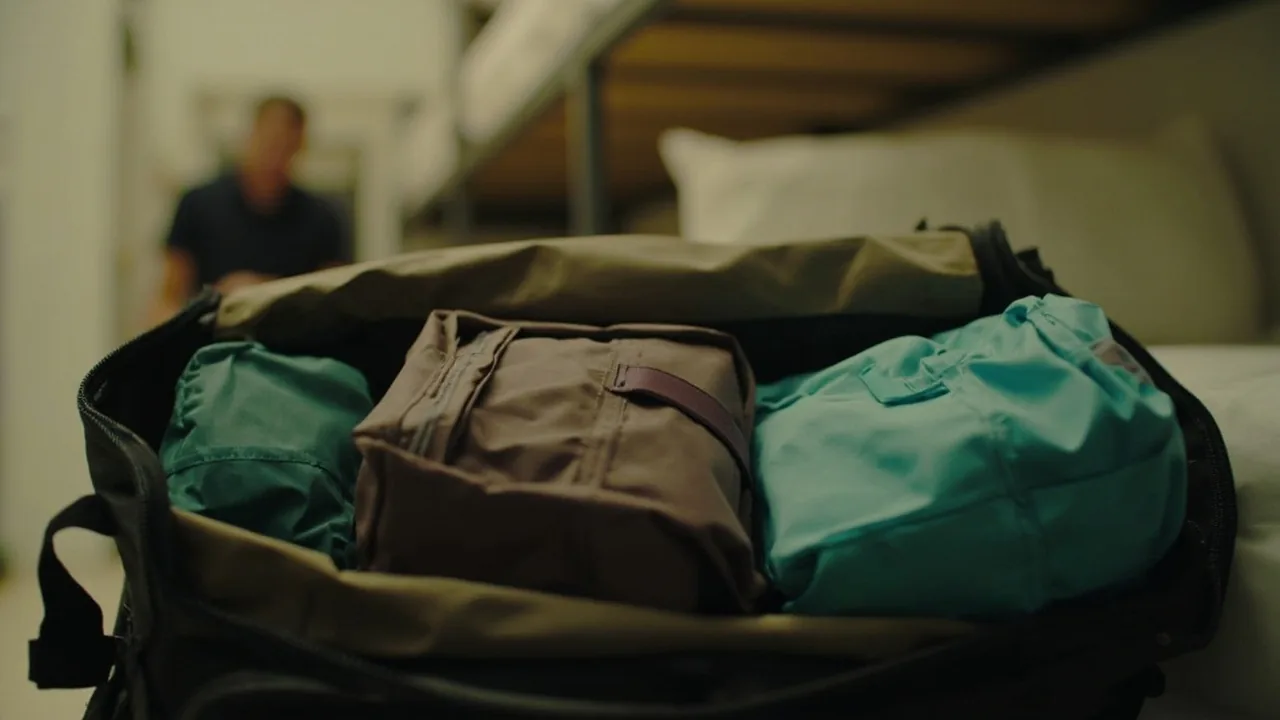
Best Packing Cubes for Southeast Asia Backpacking
A set of packing cubes will not make your bag lighter, but they will make your bag faster to live out of. In a dorm in Hanoi where you share a 4-foot-wide locker with a Pad Thai-stained bag from last night, the difference between “where are my socks” and “second cube, right side, middle layer” is the difference between enjoying the trip and resenting it. For related planning, see our guides on Sea Backpacking Hub and Airtel International Roaming Thailand Plans Review.
This guide covers the sizes, materials, and Amazon India-available options that hold up to humidity, hostel storage, and three countries of daily repacking. Everything below is grounded in current 2026 listings and what Indian travellers buy before flying out of Delhi or Mumbai. You may also find Buying a Sim Card At Don Mueang Airport Prices Operators What to Skip useful for this trip.
Quick Answers
| What | Answer | Price (INR) |
|---|---|---|
| Best overall cube set for SEA | 6-piece eBags Packing Cubes (compression zips, multiple sizes) | ₹2,800 (~$29.06) |
| Best budget set on Amazon India | 6-piece Gonex packing cubes (polyester, mesh top, mid-weight) | ₹899 (~$9.33) |
| Best ultralight pick for 40L backpacks | Eagle Creek Pack-It Specter cubes (30D ripstop, lightest in class) | ₹1,200 (~$12.46) each |
| Best compression cube for thick jeans/hoodies | eBags Slim Pack cubes (built-in compression panel) | ₹1,400 (~$14.53) each |
| Best cube material for SEA humidity | Ripstop nylon or coated polyester (not canvas, not cotton) | Varies |
Why Packing Cubes Matter on the SEA Trail
Hostel storage in Southeast Asia falls into two camps. Camp one is a proper under-bed locker, usually 30-40 cm wide, and cubes slot in like Tetris blocks. Camp two is the open-shelf wardrobe where everyone sees your underwear, and cubes double as drawers. Either way, organisation wins. See also: Dtac Thailand Sim Card for Indian Travelers Plans Prices Where to Buy.
Humidity is the second reason. SEA averages 70-85% humidity from April through October. Canvas and untreated cotton absorb moisture and stay damp. Ripstop nylon and coated polyester shed it. After a 6-bus journey from Vientiane to Luang Prabang, your bag smells like a wet towel, and cubes with mesh tops let things air out instead of stewing. For related planning, see our guide on Thailand Sim Card in Koh Samui Where to Buy Best Plans What Actually Works.
Third, repacking speed. Moving hostels every two or three nights means you unpack and repack roughly 10-15 times per trip. Without cubes, every repack is a Tetris round. With cubes, every repack is four discrete blocks you can stack back the same way.
Cube Sizes, Count, and Configuration
The standard “6-piece set” sold on Amazon India usually breaks down as: 2 small (about 25×18×10 cm), 2 medium (35×25×10 cm), 1 large (43×33×12 cm), and 1 slim (43×33×6 cm). That configuration covers most 40-50L backpacks for a 3-4 week trip.
A more useful split for SEA travellers:
- 3 small cubes for underwear, socks, swimwear
- 1 medium cube for quick-dry tees and shorts
- 1 large compression cube for trousers, light fleece, or your rain jacket
- 1 laundry cube (mesh top, no lid) for worn clothes heading to the next washer
A laundry cube is the most underrated addition. Without one, dirty clothes migrate into clean ones. With one, the cube itself goes straight into the hostel’s laundry bag (which typically charges ₹286 (~100 THB or ~$2.97) to ₹143 (~50 THB or ~$1.48) per kg depending on the country).
What Materials Survive SEA
Ripstop nylon (20D-30D) is the lightest option. It dries in minutes and packs down small. The trade-off: the lightest versions (15-20D) snag on zippers and rough hostel walls. Mid-weight ripstop (around 30D) is the sweet spot.
Coated polyester is the bulkier but tougher choice. It resists abrasion better than thin ripstop, costs less, and shows up on most sub-₹1,200 (~$12.46) sets. The downside: it’s heavier and the coating can peel after a couple of years.
Canvas and cotton look nice in the Airbnb listing photos. They mildew. Skip them.
Mesh-top panels matter more than people think. Full-solid cubes trap moisture. A mesh top lets damp tees air out between hostels. Every set worth buying has mesh on at least one face.
The Five Sets Worth Buying on Amazon India
These five picks cover the realistic budgets: ₹900 (~$9.34) from a Flipkart product page, ₹2,800 (~$29.06) at the high end. All are stocked locally and ship in 2-3 days.
1. EBags Packing Cubes (6-piece, compression zip)
The reference set for a reason. The compression zip cuts cube volume by roughly 30%, which matters when you have a thick hoodie or fleece you couldn’t leave behind. Build quality is solid, zippers run smooth out of the box, and the medium cubes fit perfectly into a 40L Osprey or a Decathlon Forclaz. On Amazon India, the current 2026 price is around ₹2,800 (~$29.06).
2. Gonex Packing Cubes (6-piece)
The budget default on Amazon India, usually listed in the ₹800-₹1,000 (~$8.30-$10.38) band. Polyester body, mesh top, mid-weight zippers, no compression panel. For a 14-day first trip where you don’t know if you’ll use cubes after this, this is the safest entry-level buy.
3. Eagle Creek Pack-It Specter (single cubes, sold individually)
If you only want three or four ultralight cubes for an ultralight kit, Eagle Creek’s Specter line sells individual cubes in 30D ripstop. The medium weighs around 50 grams and packs to the size of a fist. It’s the pick for travellers obsessed with grams.
4. EBags Slim Pack Cubes (compression-specific)
These are the wider, flatter cubes built around compression. They’re the right shape for a stack of folded trousers or towels, not the right shape for rolled tees. Useful as a complement, not a primary set, unless you’re packing heavy cotton items.
5. TR-ESS or Tripped Travel Gear (India-first brands)
Two Indian D2C brands making direct Amazon India listings in the ₹1,200-₹1,800 (~$12.46-$18.68) range. Build quality has improved year-on-year; current 2026 batches are competitive with the mid-tier imported sets and benefit from Indian return policies if a zipper fails on day one. Worth a look if you want to support Indian sellers.
Cube Setup That Works on Hostel Trips
Here’s the routine that holds up across SEA hostels:
- Cube 1 - Base layer (small, bottom of pack): Documents, passport, cash, spare debit card, photocopy bundle. Keep the cube on top of your clothes, not below, so you can grab it without unpacking at bus terminals.
- Cube 2 - Tops (medium): 5-7 quick-dry tees, folded or rolled. Rolled tees fit denser; folded tees air out faster. Pick one and stick with it.
- Cube 3 - Bottoms (medium): 2 light trousers, 3 shorts, 1 swim trunks. This is the cube you unpack least often.
- Cube 4 - Sleep layer (large compression): Light fleece, hoodie, or sleepwear. The compression cube keeps this from eating half your bag.
- Cube 5 - Laundry (mesh top): Worn clothes, separated by hostel’s laundry-bag day.
- Cube 6 - Quick-access (small): Headlamp, power bank, cables, earplugs, eye mask, sanitizer. This cube moves between daypack and main bag every morning.
You’ll rarely rearrange all six. You’ll grab Cubes 1, 5, and 6 on the move, and the others stay packed for days.
Monsoon Adjustments (June-October)
The wet season adds two requirements cubes need to handle:
- Mesh-topped cubes become non-negotiable. Wet tees that go into a solid cube stay wet for the rest of the trip.
- A separate dry cube for electronics. Many travellers pack a small dry bag or a roll-top cube for phone, power bank, and cables. The alternative is to wrap each item in a ziplock, which works but burns through bags.
- Compression cubes can trap moisture. If you’re in monsoon and have a compression cube, leave the compression zip partially open overnight so air circulates.
Dry Season Adjustments (November-March)
Dry season means sand, dust, and sweat. Cubes help here by acting as dust covers, since most 40L backpacks don’t fully seal. A mesh-top design still wins because it lets sweat-damp gym clothes air out between showers.
Common Mistakes Indians Make With Packing Cubes
Buying a set with all the same size. A “6 small cubes” set sounds tidy until you try to fit a folded kurta inside. You need at least one large and one compression piece, even in a starter set.
Packing a 6-cube set into a 30L bag. If your backpack is below 40L, you don’t have room for a full set. Cut down to 3-4 cubes, prioritise the laundry and electronics cubes, skip the rest.
Skipping the laundry cube. Without one, dirty clothes mix into clean. With one, you can hand-wash a few tees on bus days and keep them physically separated.
Choosing canvas because the listing photo looks nice. Canvas is heavier, absorbs humidity, and mildews. It’s the wrong material for SEA. Don’t let the listing photos convince you otherwise.
Treating cubes as waterproof. They aren’t. They organise; they don’t protect from rain. Carry a pack cover, a bin liner inside the bag, or a roll-top dry bag for true waterproofing.
FAQ
Are 6-piece sets on Amazon India the same as the international brands? The premium sets (eBags, Eagle Creek) are imported and officially listed in 2026. Some “eBags” listings on Amazon India are reseller or parallel-import stock. Buying directly from Amazon’s “Fulfilled by Amazon” listings gives you the standard return policy.
Are packing cubes worth it for a 7-day trip? Honestly, no. For under 10 days, you can live out of a single packing cell or a small daypack. Cubes start paying off around day 10 onwards, when repacking fatigue becomes real.
Can I use compression cubes as a substitute for vacuum bags? No. Compression cubes cut volume by 25-35%. Vacuum bags cut it by 50-70%. If you’re packing bulky winter gear, vacuum bags win. For the kind of summer-weight kit SEA requires, compression cubes are enough.
Will packing cubes slow down airport security checks? Not significantly. TSA and Indian CISF scanners see clothing and fabric as opaque blobs either way. Cubes just make the pile look tidier in the tray.
Do I need a separate cube for shoes? A separate shoe bag is useful, but a spare cheap laundry cube with a few holes punched in the corners works just as well. The whole point is to keep dirty soles off clean clothes.
Where do I store cubes when I check out? Most hostels have shelf storage for bags during the day. Leaving cubes inside the bag is fine. The exception: laundry and quick-access cubes stay with you until the next bed.
Subodh’s Take
Buy one good 6-piece ripstop set on Amazon India before you fly out, not three “almost” sets from a local market in Khao San. The middle-tier ₹1,500-₹2,000 (~$15.57-$20.76) range is the sweet spot for SEA: light enough to matter, durable enough to survive 30 days of repacking, and replaceable if a zipper fails in month two. Skip canvas, skip the matching-colour 12-piece bundle, and buy one mesh-topped laundry cube separately. That’s the whole setup.
