How to Find Chef-Led Cooking Classes in Southeast Asia (2026)
A real cooking class in Southeast Asia runs 3-5 hours with a market visit, hands-on cooking, and a sit-down meal of what you made. Skip anything that promises “authentic local cuisine” in two hours flat: that’s a stir-fry demo dressed up as a class.
Cooking schools are the one activity category in SEA where booking in advance is genuinely worth it: the popular ones cap at 8-12 students and sell out 2-3 days ahead in peak season.
Quick Answers
| What | Answer | Price (INR) |
|---|---|---|
| Average cost in Thailand | 1,000-1,800 THB or $29.79-$53.62 | ₹2,872-₹5,169 |
| Average cost in Vietnam | 850,000-1,500,000 VND or $32.47-$57.31 | ₹3,131-₹5,524 |
| Average cost in Laos (Luang Prabang) | 250,000-450,000 LAK or $11.19-$20.14 | ₹1,079-₹1,942 |
| Average cost in Cambodia (Siem Reap) | 28-45 USD | ₹2,699-₹4,338 |
| Class length | 3-5 hours | — |
| Group size | 8-12 students max | — |
| Includes market visit? | Yes, in good classes | — |
| Vegetarian-friendly? | Most Thai/Vietnamese schools offer it on request | — |
| Book on | GetYourGuide | — |
What Counts as a “Chef-Led” Class (and What Doesn’t)
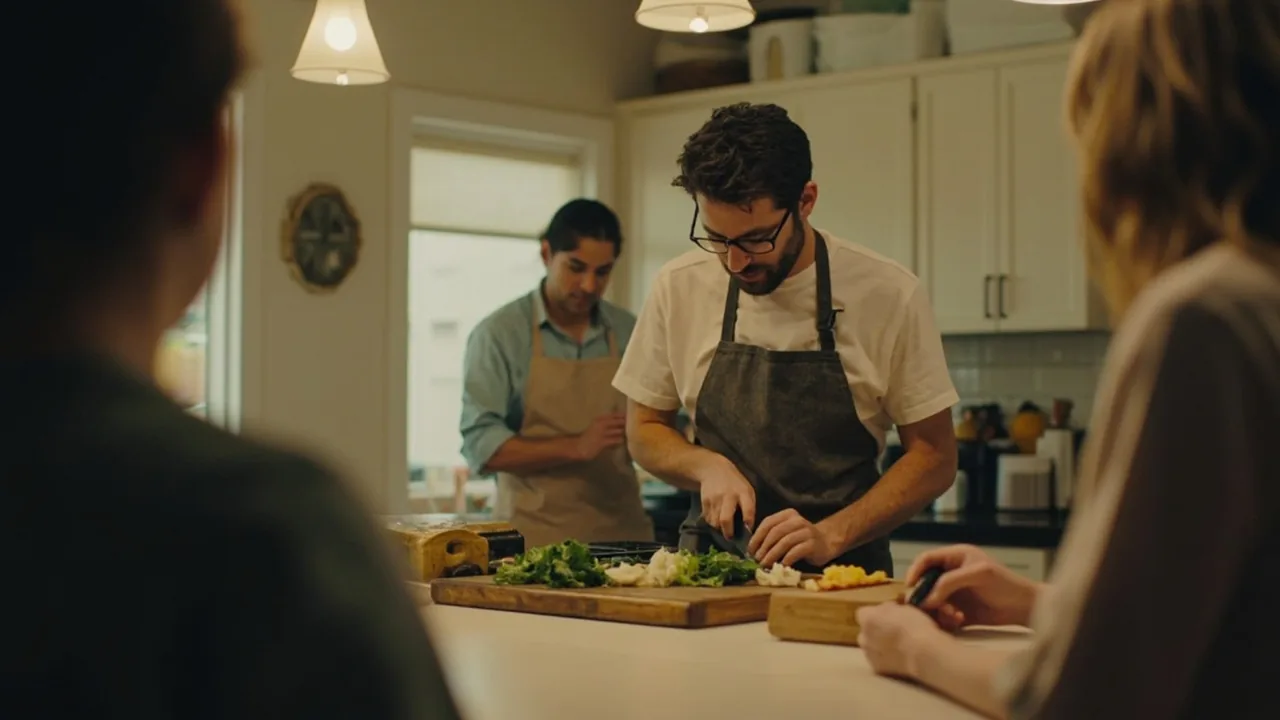
A chef-led class has a working cook or restaurant owner as the instructor, usually someone who learned the cuisine at home and now runs a school or teaches out of their own kitchen. The format is fixed: market walk at dawn, back to the teaching kitchen, prep your own dishes under supervision, sit down and eat what you cooked. You’ll leave with recipes and the muscle memory to attempt them at home.
What doesn’t count: a hotel buffet with a “chef demo” attached. A two-hour “make pad thai” tourist trap with a translator reading from a card. A food tour mislabelled as a class (see our street food safety guide for how to tell the difference). If the class doesn’t take you to a market, doesn’t let you touch a knife, and doesn’t run longer than three hours, it’s not a class, it’s a photo op.
The real schools split into three types. Independent home kitchens (smallest, cheapest, most personal, hardest to book). Established cooking schools (slightly more structured, mid-range price, easy online booking). Restaurant-hosted classes (run by a working chef out of their own restaurant, fall somewhere between the two). The first type is the best if you can find one through local referrals. The third is the most common on GetYourGuide. The second is the safest bet for a first-timer.
How to Spot a Quality Class Before You Book
Eight checks, in order of importance:
- Group size under 12. Above that, you’re watching, not cooking. The best schools cap at 6-8.
- Market visit included. Without it, you’re just chopping in a hot room. The market is where you learn what ingredients look like in this country, which matters more than the recipe.
- Real length, not advertised length. A “5 hour class” with 90 minutes of eating and certificate photos is a 3.5 hour class. Read recent reviews for the actual hands-on time.
- The chef’s name and face on the page. Generic “experienced local chef” copy is a red flag. You want to see who you’re learning from.
- Vegetable options you can choose. If the booking form asks “any dietary restrictions” and lets you tick “vegetarian,” the school cooks that menu regularly. If they say “we can arrange it,” they sometimes can and sometimes can’t. See our vegetarian food guide for tips on eating veg across SEA.
- Recipes sent after class. Either printed and handed over or emailed within a week. If they don’t mention it, ask.
- Reviews from the last 3 months. Older reviews go stale. Classes change chefs, change menus, sometimes change ownership.
- Price transparency. All-inclusive with the market trip, lunch, recipes, and water. If the listed price excludes ingredients, walk away.
If a school fails two or more of these, skip it.
Step-by-Step: Booking a Class Without Getting Burned
- Pick your city first, not your class. The Thai cooking school scene is concentrated in Bangkok and Chiang Mai; the Vietnamese scene in Hoi An, Hanoi, and Ho Chi Minh City; Laos in Luang Prabang; Cambodia in Siem Reap. Each city has 5-15 active schools. Don’t book a Bangkok class if you’re going to be in Pai.
- Search “cooking class” plus the city name on GetYourGuide. The results are sorted by traveller volume, which loosely correlates with quality. Filter to “cooking class” only, skip “food tour” results. Confirm the school name on the listing matches the school’s own website, scammers clone listings.
- Open the school’s own site and cross-check the price. GetYourGuide adds a booking fee. The direct price is often 10-15% lower and includes more (free hotel pickup, recipe book PDF). Book direct when you can; book GetYourGuide when the class is sold out or you’re doing it last-minute.
- Email two questions before booking. “What’s the group size on [your travel date]?” and “Are vegetables/vegan options on the standard menu, or a separate menu?” If they don’t reply within 24 hours, book elsewhere. Responsiveness now = quality control in the kitchen.
- Pay a deposit, not full price. Most schools take 20-50% deposit to hold the spot, balance on arrival. Anyone demanding 100% upfront through a wire transfer is a scam.
- Confirm pickup the night before. Most Bangkok and Chiang Mai classes include hotel pickup from the old town. The driver will text or call on WhatsApp between 6 and 8 PM the night before. If you don’t hear from them, call the school, don’t just show up at 9 AM wondering. Check our SE Asia trip cost breakdown to budget for classes alongside transport and accommodation.
- Wear closed-toe shoes and clothes that can stain. You’ll be handling fish sauce, tamarind, turmeric, and chilli. The schools don’t supply aprons consistently.
Subodh’s Pro Tip: Book your class for day 1 or day 2 in a city, not the day you leave. If you like cooking the dishes, you’ll want to repeat them at a local market the next day, and you’ll have fresh memory of the ingredients and ratios.
Where the Good Classes Are
Bangkok. The biggest scene, the widest price range, and the most variance in quality. The standout schools have been running for 15+ years, take you to a wet market that’s not the tourist one, and run half-day (morning) and full-day versions. Book at least 3 days ahead in November-February. Budget ₹3,446-₹5,169 (~1,200-1,800 THB or ~$35.74-$53.62) for a half-day class with market visit.
Chiang Mai. The original Thai cooking class city, and still the best for it. Classes run out of orchards and home gardens north of the old city, include a herb garden walk, and serve what you cook as a proper sitting lunch. The good ones teach northern Thai dishes (kao soi, sai ua, laab) that you won’t find in Bangkok schools. Budget ₹2,872-₹4,307 (~1,000-1,500 THB or ~$29.79-$44.68).
Hoi An. Famous for its classes, mostly because the central market is so photogenic that the schools lean into it. The best classes here are half a day at most, then send you off with the rest of the day to wander the lanterns. Vietnamese cuisine is technique-driven (knife skills, balance of fish sauce/sugar/lime), so a class here teaches more transferable skills than a Thai one. Budget ₹4,420-₹5,524 (~1,200,000-1,500,000 VND or ~$45.84-$57.31).
Hanoi. Smaller scene than Hoi An, more focused on pho and bun cha. Classes here often run in family homes around the Old Quarter, which means smaller groups and a more conversational pace. Budget ₹3,315-₹5,156 (~900,000-1,400,000 VND or ~$34.38-$53.49).
Luang Prabang. The whole country runs cooking classes through one town. The market is on the peninsula between the Mekong and the Nam Khan, and the schools cluster around it. The cuisine is simpler than Thai or Vietnamese (more sticky rice, more jeow dipping sauces, less wok work), so classes here are gentler and faster. Budget ₹1,079-₹1,942 (~250,000-450,000 LAK or ~$11.19-$20.14).
Siem Reap. Khmer cooking is underrated and the classes here are the cheapest in the region. Most include a trip to a local market that’s far less crowded than Angkor Wat, which is a bonus. The amok and kuy teav you’ll learn to make you won’t find in restaurants easily. Budget US ₹2,699-₹4,338 (~28-45 USD).
Safety Alert: Camera-bag theft happens in SEA cooking schools far more than the schools admit. Most schools have you set bags down in a shared area while you cook. Bring only what you need, leave passport and extra cash at the hotel.
What a Class Costs (City by City)
| City | Price Range | Includes |
|---|---|---|
| Bangkok | ₹3,446-₹5,169 (~1,200-1,800 THB or ~$35.74-$53.62) | Market, 3-4 dishes, recipes, lunch |
| Chiang Mai | ₹2,872-₹4,307 (~1,000-1,500 THB or ~$29.79-$44.68) | Herb garden, 4-5 dishes, lunch |
| Hoi An | ₹4,420-₹5,524 (~1,200,000-1,500,000 VND or ~$45.84-$57.31) | Market boat ride, 4 dishes, lunch |
| Hanoi | ₹3,315-₹5,156 (~900,000-1,400,000 VND or ~$34.38-$53.49) | Market, 3 dishes, lunch |
| Luang Prabang | ₹1,079-₹1,942 (~250,000-450,000 LAK or ~$11.19-$20.14) | Market, 3 dishes, lunch |
| Siem Reap | US ₹2,699-₹4,338 (~28-45 USD) | Market, 3-4 dishes, lunch |
Common Mistakes Indians Make With Cooking Classes
Booking a “Thai cooking class” that turns out to be a pad-thai-only stir-fry demo at a tourist cafe. The famous Bangkok school that does this exact thing books 60+ students a day. If your class has more than 12 people and only teaches 2 dishes, you booked the wrong one.
Skipping the market visit to save an hour. You’ll learn more about Southeast Asian cooking in 30 minutes at a wet market than in 3 hours at a chopping board. Fish sauce smells different at the source. Tamarind pods open differently than the paste you’ve been buying. The recipes only make sense once you’ve seen the raw ingredients.
Not telling the school you’re vegetarian until you arrive. If you want a real vegetarian menu (not just “we removed the chicken from this dish”), book at least 48 hours ahead. Some schools have a separate vegetarian curriculum; others improvise. The good ones plan for it.
Paying for pickup from a hotel you’re not at. Most Bangkok schools include pickup from the BTS Sukhumvit line or Khao San Road area. If you’re staying in Silom or Thonglor, the pickup bus doesn’t come to you. Confirm the pickup zone before booking.
Confusing a food tour with a cooking class. A food tour has you walking and eating. A cooking class has you cooking and then eating. Different activity, similar listing photos. Read the duration: under 3 hours = food tour, over 3 hours = class.
What Most Guides Don’t Tell You
The morning class beats the afternoon class. Every city runs both, and the morning class goes to the market when it’s busy (6-8 AM). The afternoon class gets the dregs of the market and an exhausted chef. The morning class also starts cooler, which matters in Bangkok and Siem Reap where the teaching kitchens aren’t always air-conditioned.
Recipe cards are valuable, but recipes in your phone are better. Most schools email a PDF after class. Save it immediately to a cloud folder you can access offline. Half the schools’ printed recipe cards get sauce on them in the first 10 minutes of cooking. The PDF lasts.
You will not replicate the dish at home. Southeast Asian cooking depends on ingredients you can’t buy in India: Thai holy basil, Vietnamese fish sauce brands, Lao sticky rice, Khmer kaffir lime leaves. The skill you take home is the technique (how hot the wok is, how short the stir-fry, how much sugar in the tamarind paste), not the exact dish. Aim to learn one technique per class, not five dishes.
School staff double as translators; use them. Many Thai and Vietnamese schools hire English-speaking kitchen assistants specifically to bridge between the chef and the foreign students. They live locally, eat locally, and know things the chef doesn’t volunteer. Ask them where the chef eats on days off. That answer alone is worth the class fee.
Group composition matters more than school reputation. A school with a quiet chef and a rowdy group of bachelor-party backpackers is a worse experience than a lesser-known school with engaged solo travellers. Read recent reviews for crowd type, not just star rating.
Subodh’s Take
Pack light — a solid packing list keeps your bag under 7 kg so you can move between cities without checking luggage.
A cooking class is the single best activity in Southeast Asia for backpackers who want more than photos from their trip. You leave with a skill, a meal you remember, and a working knowledge of how the local food economy runs (the market, the vendors, the supply chain). Pick a school that fails fewer than two of the eight checks above, book it for your first day in the city, and don’t book it for your last day: you want one afternoon to cook the dish again with fresh memory and a market map. If you can only afford one class in the whole region, do it in Chiang Mai: the cuisine is varied, the schools are well-run, and the herb garden walk is worth the trip on its own.
FAQ
Are cooking classes in Southeast Asia safe for vegetarians?
Yes, and most schools run a separate vegetarian curriculum on request. Book at least 48 hours ahead so the chef plans the menu. Vegans can be harder: fish sauce and shrimp paste are in nearly every Thai and Vietnamese dish, and “fish sauce on the side” requires the school to know in advance. Email them before booking.
Do I need to speak Thai or Vietnamese to take a class?
No. Every established school has an English-speaking assistant or translator. The chef may only speak Thai or Vietnamese, which is part of the experience. Independent home kitchens sometimes have less English; the established cooking schools have full bilingual operations.
How early should I book a cooking class in Thailand?
3-5 days ahead in Chiang Mai year-round, 5-7 days in Bangkok during November-February peak season. Luang Prabang and Hoi An are easier, 1-2 days ahead usually works. If you walk in the morning of, you’ll find something in Hoi An and Chiang Mai; you won’t in Bangkok on a peak weekend.
Should I book the class directly or through GetYourGuide?
Direct is 10-15% cheaper and includes more (pickup, recipes, sometimes a transfer to a different neighbourhood). GetYourGuide is good for last-minute bookings, sold-out popular classes, and when you want the booking confirmation in your email without negotiating over WhatsApp. Both are reliable; direct is just cheaper.
What should I bring to the class?
Closed-toe shoes, clothes that can stain, a phone with enough storage for photos, a hair tie if you have long hair, and a reusable water bottle. Bring small notes for tipping (₹144-₹287 (~50-100 THB or ~$1.49-$2.98) for the assistant). Don’t bring a backpack, you won’t have a secure place for it in the kitchen.
Can children take the class?
Most schools accept kids 8-12 with a parent, with a discounted child rate. Under 8 is awkward because the knives are real. Some Chiang Mai schools have a dedicated kids’ cooking class that’s shorter and uses wooden tools; book this in advance if you’re a family.
