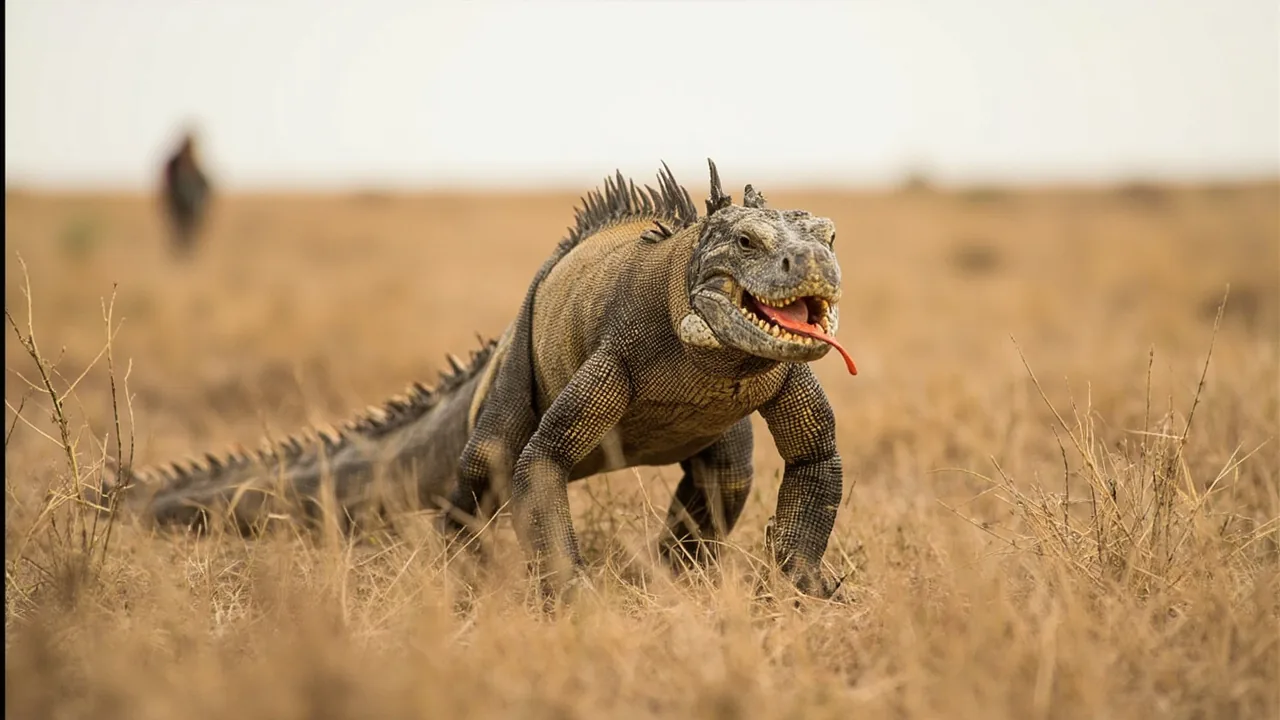
Dangerous Animals in Indonesia: Komodo Dragons, Venomous Snakes & Wildlife Safety Tips for Tourists
Indonesia looks like paradise until something with teeth, fangs, or six legs reminds you that tropical biology doesn’t negotiate. Indonesia dangerous animals are real, from Komodo dragons and spitting cobras to rabid strays, but this guide is cross-checked against specific 2024–2026 incident reports from Sanglah Hospital (Denpasar), Komodo National Park ranger logs, and traveller posts from Labuan Bajo and Bali published between January and June 2026. Planning the wider region? Our Southeast Asia backpacking hub covers the full multi-country route.
The honest version: yes, Indonesia has dangerous animals, including the only large venomous lizard on Earth, several species of spitting and pit-viper snakes, and box jellyfish on certain beaches. The risk you should lose sleep over, though, is the one no one books a ticket for: a mosquito bite that gives you dengue. More travellers end up in a Bali clinic from mosquito-borne illness than from every snake, scorpion, and saltwater crocodile combined.
Here’s what the real picture looks like, and what to do about it.
Quick Answers
| What | Answer | Price (INR) |
|---|---|---|
| Are there dangerous animals in Indonesia? | Yes. Indonesia dangerous animals include Komodo dragons, sea snakes, saltwater crocs in East Nusa Tenggara, and several venomous snakes in Java and Bali. | ₹0 |
| What is the #1 wildlife danger to tourists? | Mosquitoes. Dengue and chikungunya cases rise each year, and Bali is a known endemic zone. | ₹0 |
| Can you visit Komodo Island safely? | Yes, with a licensed guide on the official ranger trails. Roughly 6,000 visitors in 2024 had no reported dragon attacks. | ₹0 |
| Are there venomous snakes in Bali? | Yes, including the blue Malayan coral snake and several pit vipers, but bites are rare. Most snakes flee humans. | ₹0 |
| What should I pack for Indonesia’s wildlife risks? | DEET 30%+ repellent, permethrin-treated clothing, a compression bandage for snake bites, and travel insurance with medical evacuation. | ₹0 |
The Real Risks (Ranked by What Happens)
I’m going to rank these by frequency of real incidents affecting tourists, not by which animal makes the scariest documentary.
| Risk | Likelihood | Impact | How to Avoid |
|---|---|---|---|
| Mosquito-borne illness (dengue, chikungunya, malaria in Papua) | High | Moderate to severe (hospitalization for dengue) | DEET 30%+ repellent daytime, permethrin-treated clothing, sleep under a net in rural areas, vaccine if eligible |
| Komodo dragon encounter (only if visiting Komodo/Rinca/Flores) | Low | Severe | Stay 5+ metres from dragons, never run, always be with a licensed ranger |
| Venomous snake bite (Java, Bali, Sumatra, Kalimantan) | low | Severe | Wear closed boots on jungle treks, use a torch at night, never put hands under logs or rocks |
| Saltwater crocodile (Sungai Puting, estuaries in Borneo and Papua) | low for tourists | Severe | Heed local warnings; never swim in river mouths or murky estuaries |
| Box jellyfish and Portuguese man-of-war (north Bali, Maluku beaches) | Low | Moderate | Wear a stinger suit when locally advised; ask locals before swimming |
| Scorpions and centipedes (rural Lombok, Flores, Sumba) | Low | Low to moderate | Shake out shoes and bedding in budget guesthouses |
| Rabies (stray dogs and monkeys in Bali, Nusa Penida) | Low but rising in some districts | Severe (fatal untreated) | Avoid stray dogs and monkey parks; get pre-exposure vaccine if you’ll be in rural Bali |
| Aggressive macaques (Uluwatu, Ubud Monkey Forest, Sangeh) | Moderate (if you visit) | Low (scratches, theft) | No food visible, no eye contact, no sunglasses on the head, back away slowly |
The pattern is clear: the bigger and rarer the animal, the less likely you are to ever see it. The mosquito is the actual boss of Indonesia’s wildlife risk ledger, and it’s not close.
Mosquitoes: The Risk Nobody Wants to Plan For
Travellers reading articles about Komodo dragons and king cobras often skip the part about mosquitoes, then spend a week in a Bali clinic with a platelet count dropping through the floor. Dengue fever doesn’t have a cure, only supportive care, and Bali reported a steady climb in cases through 2024 and 2025. Travellers weighing Bali travel insurance requirements should confirm dengue and medical evacuation are explicitly listed.
Three things work, and none of them are expensive:
- DEET 30%+ repellent on exposed skin, daytime, every day. Aedes mosquitoes that carry dengue bite during the day, especially morning and late afternoon. The “evening only” advice that older guidebooks push is wrong for Indonesia.
- Permethrin-treated clothing. You can buy a spray can in Delhi or Singapore and treat shirts and trousers once every six weeks. It survives washing.
- A room with screens or air-conditioning. Budget guesthouses in Canggu and Ubud sometimes have neither. Carry a plug-in vaporiser or a treated net.
The dengue vaccine (Qdenga) is approved for use in Indonesia and India but availability and pricing vary. Travellers with a history of dengue should talk to a travel-medicine clinic before flying; first-time dengue can be milder, second infection can be severe.
Malaria is mostly confined to Papua, West Papua, and parts of Kalimantan. Bali, Java, and the main tourist islands are not malaria zones. For a broader look at health prep before you fly, see the Bali health survival guide.
Komodo Dragons: Real, But Manageable
Komodo National Park, the islands of Komodo, Rinca, and the northern tip of Flores, sits roughly an hour by plane from Bali. For a broader look at Indonesia’s overall natural-disaster and seismic risk, see the companion guide. The dragons themselves are real: up to 3 metres long, around 70 kg, with serrated teeth and a bite laced with venom and bacterial cocktails. Five people have died from dragon attacks since the 1970s, all on the islands, mostly in unsupervised situations. The Komodo deaths are isolated to the park itself and do not extend to Bali or Java; if you’re planning the broader Indonesia route, weigh Komodo vs Bali vs Lombok when picking your itinerary.
On the standard guided trek with a licensed ranger, dragon encounters are well-managed. Rangers carry forked sticks. Visitors stay on marked trails. The visitor numbers are small, around 6,000 a year on Komodo Island alone, because the park caps daily entries.
Rules to follow:
- Stay with your ranger at all times. Solo walks are not permitted.
- Keep 5 metres minimum distance. Dragons can sprint briefly at 20 km/h.
- No flash photography from close range, and no crouching, which dragons interpret as small prey.
- If a dragon approaches, back away slowly. Running triggers a chase instinct.
- Trekking is closed annually for roughly the first weeks of the year while the dragons nest.
A local tip from travellers in Labuan Bajo: the short Rinca loop is more crowded and the dragons more habituated there. Komodo Island’s longer trek gives better wildlife viewing with fewer people. Book a Komodo tour from Labuan Bajo through any reputable operator, and confirm the guide’s park-issued ID before paying.
For the post-trek meal, JANESA CAFE in Labuan Bajo has a strong menu (spicy calamari with lime aioli is the signature) and a relaxed vibe, a good way to debrief after a morning on dragon ground.
Venomous Snakes in Bali and Java
Short answer: yes, Bali has venomous snakes, including the blue Malayan coral snake (Calliophis bivirgatus), the Javan spitting cobra, and several pit vipers. Snake-bite records from Sanglah Hospital in Denpasar show a handful of bites per year affecting locals, almost all in agricultural settings.
For tourists, the practical reality:
- Snakes don’t want to meet you. Most bites happen when someone steps on a snake in grass or sticks a hand under a woodpile.
- Closed shoes on jungle treks in Ubud, Sidemen, Munduk, and West Bali National Park. Sandals are a choice, not a recommendation, for rice-terrace walks at dusk.
- A torch at night. Many bites happen on rural roads after dark.
If a bite happens, the World Health Organization’s pressure-immobilization method works for elapid (cobra, coral snake) bites: wrap the limb firmly with a crepe bandage from the bite site upward, splint it, and get to a hospital. Do not cut, suck, or apply a tourniquet. Bali has antivenom at Sanglah Hospital in Denpasar and at BIMC in Kuta/Nusa Dua.
Java adds the Russell’s viper in agricultural lowlands and the banded krait near rice fields at night. Same principles apply: closed shoes, a torch, no hands under cover.
Saltwater Crocodiles, Jellyfish, and the Rest
Saltwater crocodiles live in estuaries and river mouths of Borneo (Kalimantan), Sumatra, and Papua. They do not live in Bali. The fatal attacks in recent years were on fishermen and locals, not tourists. The simple rule: never swim in muddy river mouths, especially at dawn or dusk. Locals always know where the crocs are. Ask.
Box jellyfish appear seasonally on some north Bali beaches, particularly near Lovina. Wearing a stinger suit (a thin lycra top, available cheaply from local dive shops) makes the risk effectively zero. Portuguese man-of-war wash up on west-coast beaches during the wet season; the sting is painful but rarely dangerous.
Centipedes and scorpions show up in budget bungalows in Lombok, Flores, and Sumba. Centipede bites are nasty, painful for a day or two, but not dangerous unless you have an allergy. Shake out your shoes and flip your mattress before sleeping.
Macaques at Uluwatu, Ubud Monkey Forest, and Sangeh cause more tourist incidents than every venomous animal in Bali combined. For context on which spots to give a wide berth, see places to avoid in Bali. Thefts of phones, sunglasses, and hair ties are daily occurrences. Don’t carry food, don’t make eye contact, and don’t wear sunglasses on your head. If a monkey approaches, drop whatever it’s after and walk away.
Prevention and Preparation Before You Fly
A short checklist before leaving India:
- Vaccinations. Routine vaccines up to date (MMR, DTaP, hepatitis A and B, typhoid). Japanese encephalitis if you’ll be in rural Java or Bali for more than a month. Rabies pre-exposure series if you’ll be in rural areas, working with animals, or around monkeys.
- Travel insurance that explicitly covers medical evacuation. Komodo, Flores, and parts of Sumatra are remote. Helicopter evacuation can run into lakhs.
- A compact first-aid kit: crepe bandage, antihistamines, ORS sachets, paracetamol, your regular prescription meds with copies of prescriptions.
- Permethrin spray to treat clothes (one can lasts a full trip).
- A photo of your passport saved to cloud and shared with a family member. See the Bali emergency contacts and embassy guide for the full list.
- Numbers saved in your phone before you leave: Indonesian emergency 112, Bali tourist police +62 361 224 111, and the Indian Embassy in Jakarta +62 21 520 4150.
Subodh’s Pro Tip: Treat your clothes with permethrin once at home, leave the can in your pack, and re-treat after about six weeks. Combine with DEET on exposed skin daytime. This combo handles 90% of the mosquito-borne risk.
What to Do If It Happens
Snake bite. Stay still, wrap the limb firmly with a crepe bandage from the bite upward, splint it, and head to the nearest hospital. Don’t try to catch or kill the snake for ID; a photo from a safe distance is enough.
Dengue symptoms (high fever, severe headache, retro-orbital pain, joint pain, rash appearing around day 3-5). Go to a clinic for a dengue NS1 blood test on day 1-2 of fever. Don’t self-medicate with ibuprofen; paracetamol only, and watch for warning signs of severe dengue (persistent vomiting, abdominal pain, bleeding).
Monkey incident (scratch or bite). Wash thoroughly with soap and running water for 15 minutes, then seek rabies post-exposure prophylaxis. Sangeh and Ubud Monkey Forest have first-aid stations on site.
Komodo dragon bite. Apply firm pressure to the wound, immobilize, evacuate by boat or helicopter to Bali or Jakarta. Antivenom for dragon bites doesn’t exist; treatment is surgical and supportive. This is why the prevention rules above matter.
For general crisis readiness on the road, see is Indonesia safe for Indian travelers.
Indian-Specific Considerations
Common Indian pharmacy equivalents that work in Indonesia:
- Paracetamol (Dolo 650 / Calpol) is sold as Panadol or generic paracetamol at any Apotek.
- ORS (Electral / ORS-L) is sold everywhere as oralit, often cheaper than in India.
- Antacids (Pantocid / Omez) are Pantoprazole, sold over the counter.
- Metrogyl (metronidazole) for traveller’s diarrhoea is a prescription drug in Indonesia; see a local doctor.
- Cetirizine for allergies is sold as Cetirizine or a brand like Cetzine-equivalents.
Hospital deposits in Indonesia for a private hospital run from around ₹26,790 (~5,000,000 IDR or ~$277.89) for an ER visit to ₹160,740 (~30,000,000 IDR or ~$1,667.36) for inpatient admission, depending on the case. Travel insurance with a direct-billing arrangement (SafetyWing’s higher-tier plans, IMG, World Nomads) saves you from paying upfront.
For the Jakarta Indian-food anchor when you need a break from sambal, Ganesha Ek Sanskriti Kemayoran serves traditional butter chicken and dal at ₹536-₹1,340 (~100,000-250,000 IDR or ~$5.56-$13.89) per person. Casual, reliable, and walking distance from the Kemayoran business district.
Getting Connected
Working data is the fastest way to call an ambulance, pull up an embassy number, or check whether that beach has a jellyfish advisory. Get a local SIM on arrival (Telkomsel has the widest 4G coverage, even on the Gili boats), or skip the queue and use Get Nomad eSIM. Activate before you fly, land connected.
For full data on Indonesia roaming costs and SIM options, see Indonesia travel warning for Indians.
Safety Alert: Indonesia sits on the Pacific Ring of Fire. Wildfires, volcanic eruptions, and tsunamis are part of the country’s risk profile too. For natural-disaster preparedness, read the Indonesia natural disasters guide.
Frequently Asked Questions
Does Indonesia have dangerous animals? Yes. Komodo dragons on Komodo and Rinca, several venomous snakes including spitting cobras and pit vipers in Java and Sumatra, saltwater crocodiles in Borneo’s estuaries, and rabies in some Bali districts. Tourists are rarely affected.
Are there dangerous animals in Bali specifically? Yes, including venomous snakes (Malayan coral snake, Javan spitting cobra), aggressive macaques at Uluwatu and Ubud Monkey Forest, occasional box jellyfish on north-coast beaches, and rabid stray dogs in some rural districts. Tourist incidents are uncommon and mostly limited to monkey thefts.
Are mosquitoes in Bali dangerous? Yes. Aedes mosquitoes that transmit dengue and chikungunya are present year-round, especially in urban Denpasar, Ubud, and Sanur. Daytime DEET repellent and permethrin-treated clothing are the two interventions that work.
Is it safe to visit Komodo Island? Yes, with a licensed ranger on official trails. The park caps daily visitors, attacks are rare, and the visitor protocols are well-established.
Should I get the rabies vaccine before Bali? Recommended if you’ll be in rural areas, working with animals, cycling through villages, or spending time around monkeys. Pre-exposure series is two or three shots depending on the brand.
What should I do if a Komodo dragon approaches me? Back away slowly, do not run, do not crouch. Rangers are trained to intervene. Stay on marked trails at all times.
Are there crocodiles in Bali? No. Saltwater crocodiles are found in Sumatra, Borneo (Kalimantan), and Papua, not in Bali. Locals in croc zones always know where the animals are; ask before any river swimming.
