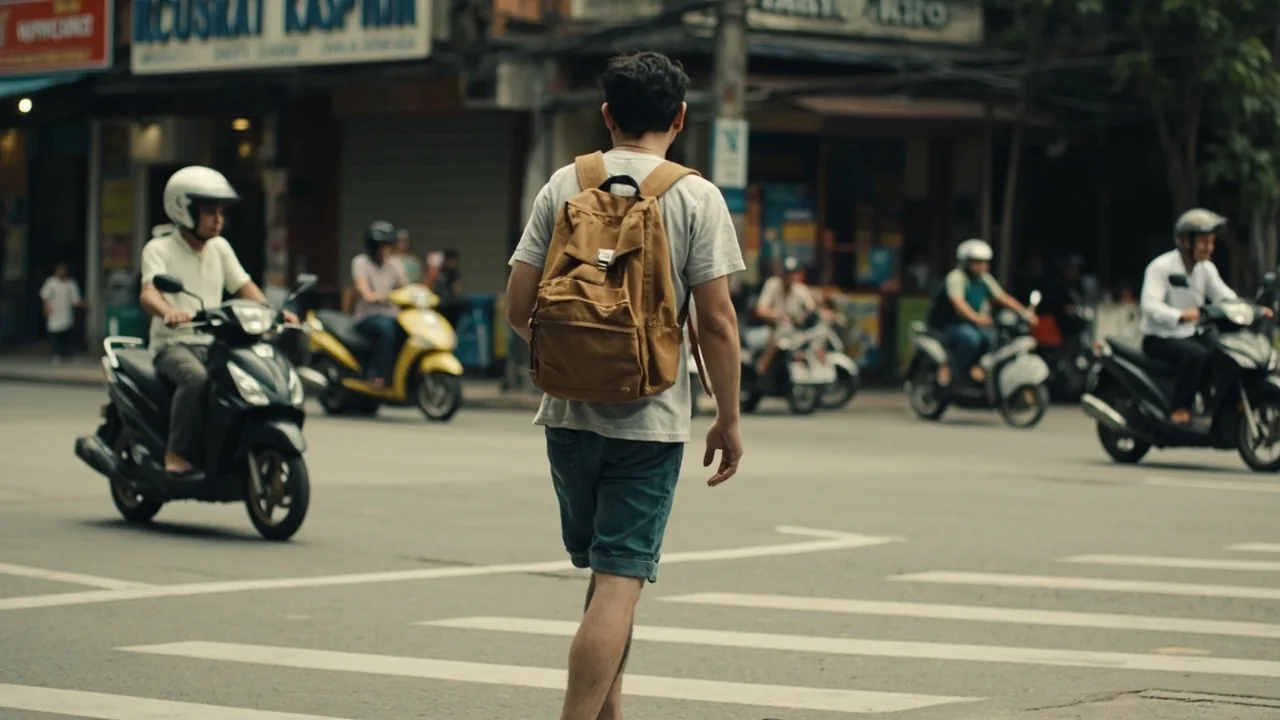
Is Vietnam Safe? A Practical Safety Guide for Indian Travelers (Scams, Women Solo Travel & Emergency Help)
Short answer: yes, Vietnam safety for Indian travellers is generally good — it’s one of the safer countries in Southeast Asia, including for solo women. Petty crime and traffic are the real risks, not violent crime. If you can handle the traffic in Delhi or Pune, you already have the situational awareness you need.
This guide covers the specific concerns Indian travellers Google most: how Vietnam compares to Thailand, whether it’s safe for women, what scams to watch for, and what to do in an emergency. Everything is cross-checked against the Indian embassy’s travel advisories and traveller reports from the last 90 days.
For broader Southeast Asia backpacking advice, see our SEA Backpacking Hub.
Quick Answers
| What | Answer | Price (INR) |
|---|---|---|
| Overall safety for Indians | safe. Petty theft and traffic are the only real risks. | — |
| Safety vs Thailand | Roughly equal. Vietnam has fewer scams, Thailand has better tourist infrastructure. | — |
| Safety for solo women | safe. Standard precautions apply. | — |
| Biggest scam risk | Overcharging taxis, fake “tour guide” touts, bag snatches on motorbikes. | — |
| Emergency ambulance | 115 (national). Private clinic visits: ₹1,842-₹7,366 (~500,000-2,000,000 VND or ~$19.10-$76.41). | ₹1,842-₹7,366 (~500,000-2,000,000 VND or ~$19.10-$76.41) |
The Real Risks (What to Worry About)
Vietnam ranks moderately on the Global Peace Index for the region. But rankings don’t tell you where the actual risks are. Here’s what to watch for, ranked by likelihood:
| Risk | Likelihood | Impact | How to Avoid |
|---|---|---|---|
| Scooter / Traffic Accidents | High | Severe (fractures, head injuries) | Never ride without a helmet and an International Driving Permit (IDP). Avoid riding at night or in rain. |
| Bag Snatching (Drive-by) | High | Moderate (phone, cash, passport gone) | Cross-body bags only, worn on the building side. Never walk with your phone out near the road. |
| Petty Theft / Pickpocketing | Moderate | Low to Moderate | Standard city awareness. Use a money belt for passport. Don’t leave valuables in scooter compartments. |
| Tarmac / Pavement Falls | Moderate | Low (scrapes, sprains) | Pavements are broken, narrow, and often blocked by parked scooters. Watch your step. |
| Food Poisoning (“Hanoi Belly”) | Moderate | Low | Eat at busy stalls. Avoid raw vegetables washed in tap water. Carry ORS and Electral. |
| Scams (Taxi, Tour, Price Hikes) | Moderate | Low | Use Grab for all rides. Agree on a price before getting in any non-Grab vehicle. |
| Violent Crime | Low | Severe | Standard city awareness. Avoid dark, empty alleys after midnight. |
| Rabies (Stray Dogs) | Low | Severe (if untreated) | Don’t pet stray dogs. If bitten, wash the wound and get post-exposure vaccine within 24 hours. |
Subodh’s Pro Tip: The number one reason Indian travellers end up in a Vietnamese hospital is scooter accidents, specifically riding without experience, without a helmet, or in sandals. Vietnam technically requires a license for any scooter, including under 50cc; in practice enforcement is uneven, but your travel insurance will refuse to pay without an IDP either way. Either get the IDP before you leave India, or don’t ride.
Prevention and Preparation
Most safety issues are solved before you board the flight. Here’s what to do in India, before you go.
Vaccines and Medicines No vaccines are legally required for Indians entering Vietnam. Recommended: Hepatitis A and Typhoid (both common for Southeast Asia), and routine boosters. Japanese Encephalitis if you’re spending time in rural Mekong Delta areas.
Travel Insurance This is non-negotiable. Vietnam’s public hospitals are functional but crowded; private clinics (Family Medical, Vinmec) are excellent but expensive without insurance. A scooter accident requiring an X-ray, a cast, and a follow-up visit can run ₹29,464-₹55,245 (~8,000,000-15,000,000 VND or ~$305.63-$573.06) out of pocket. See our Cambodia medical emergency guide for a regional cost comparison.
Critical: confirm your policy covers motorbike accidents and requires a valid Indian motorcycle license + IDP. Most “backpacker” policies exclude motorbikes above 50cc, or above 150cc, or both. Read the fine print.
Documents and Backups
- Photograph your passport, visa, and Indian driver’s license. Store in Google Drive and WhatsApp to yourself.
- Carry the Indian embassy number: +84-24-3845-3736 (Hanoi).
- Keep ₹19,281 (~200 USD) cash in a separate location from your main wallet. Vietnam prefers cash for small purchases; cards are accepted in cities but not in rural areas.
City-by-City Scams and Gotchas
Vietnam’s scams are less aggressive than Bangkok’s, but they’re specific to each city. Here’s what travellers report in the last six months:
Hanoi
- The “Shoelace Trick” or “Tear Gas Smell”: A group of young people approach you saying you have something on your shoe, then another sprays something in your face. Distraction theft. Keep walking; don’t stop. Also see our 12 things Indian tourists should avoid in Vietnam.
- Fake Taxi Meters: Old Vios and Vinasun taxis occasionally run rigged meters. Always use Grab. If a driver refuses to use the meter, get out.
- Train Street Overcharge: The famous Hanoi train street now charges a ₹184-₹368 (~50,000-100,000 VND or ~$1.91-$3.82) entry fee at most cafes, and some add a “drink minimum” of ₹737 (~200,000 VND or ~$7.64). Confirm the price before sitting.
Ho Chi Minh City (Saigon)
- Cyclo Overcharging: Cyclo drivers in District 1 quote ₹1,842 (~500,000 VND or ~$19.10) for a ride that should be ₹368 (~100,000 VND or ~$3.82). Agree on a price before getting in, or just take a Grab.
- Motorbike Bag Snatches: Most common at intersections and traffic lights. Wear your bag across your body, on the side away from the road.
- Bến Thành Market “Sale”: Vendors quote one price, then triple it at the till. Standard market haggling, but some Indian travellers report aggressive behaviour when refusing.
Da Nang
- Beach Locker Scams: Some attendants at the public beach demand ₹184 (~50,000 VND or ~$1.91) for a “locker” that is just a wire basket. Free parking is available further up the beach. See our Da Nang tap water guide for more practical tips.
- Marble Mountain Overcharging: Some unofficial “guides” at the entrance demand ₹737 (~200,000 VND or ~$7.64) for a tour. The official entry is only ₹147 (~40,000 VND or ~$1.53).
Hoi An
- Tailor Quality Disputes: Hoi An tailors are world-class, but “rush” jobs (24-hour suits) often come with stitching errors. Allow 3-4 days and get a fitting before you leave.
- Lantern Festival “Photo Fees”: During the monthly lantern festival, some “performers” demand payment after taking photos with tourists. Politely decline or pay upfront.
Nha Trang, Da Lat, Phong Nha
- These are quieter, scam-light destinations. The main issue is road safety on mountain passes, especially the Hai Van Pass. Don’t rent a scooter for the pass unless you have prior experience.
What to Do If It Happens
Scooter Accident
- Don’t move if you suspect a fracture. Call 115 (national ambulance) or your hotel front desk.
- Take photos of the scene, your injuries, and the other vehicle’s plate.
- Call your travel insurance’s 24/7 hotline before paying anything. They will direct you to an approved clinic.
- The nearest private hospital with English-speaking staff: Family Medical (Hanoi, HCMC, Da Nang) or Vinmec International.
Passport Stolen
- File a police report at the local precinct. Get the stamped report; you’ll need it for the embassy.
- Contact the Indian Embassy in Hanoi: +84-24-3845-3736. They issue emergency certificates, which the Vietnamese immigration office accepts for exit.
- Carry a digital copy of your passport visa page on your phone and in your email. This speeds up the emergency certificate process from days to hours.
Severe Food Poisoning
- Rehydrate with ORS (Oral Rehydration Salts) or Electral sachets. Carry these from India; Vietnamese pharmacies sell them under different names. See our Vietnam emergency medical help guide for clinic locations.
- If symptoms persist beyond 24 hours or include blood, visit a private clinic. Cost: ₹3,683-₹11,049 (~1,000,000-3,000,000 VND or ~$38.20-$114.61) including tests and IV fluids.
Lost Phone or Wallet
- Use Find My iPhone / Find My Device immediately.
- Block your SIM at the carrier’s store (Viettel, Mobifone, Vinaphone have stores in every district).
- Indian travellers can block their cards via the banking app; HDFC, ICICI, and SBI all have international toll-free lines.
Indian-Specific Considerations
Medicines Most Indian medicines are available in Vietnamese pharmacies, but under different brand names. Here’s what to ask for:
| Indian Medicine | Vietnamese Equivalent | Where to Find |
|---|---|---|
| ORS / Electral | Oresol (pharmacies stock it) | Any pharmacy |
| Paracetamol (Crocin, Dolo) | Paracetamol 500mg (generic) | Any pharmacy |
| Metrogyl (Metronidazole) | Flagyl or Metronidazole | Pharmacy, prescription sometimes required |
| Pantocid (Pantoprazole) | Pantoprazole 40mg | Pharmacy |
| Avomine (motion sickness) | Dimenhydrinate | Pharmacy |
| Combiflam | Ibuprofen + Paracetamol combo | Pharmacy |
Subodh’s Pro Tip: Pharmacies in Vietnam are staffed by qualified pharmacists who can advise on most over-the-counter issues. If you’re unsure, show them the Indian brand name on your phone. They speak enough English in the tourist districts to help.
Indian Embassy in Vietnam
- Hanoi: 58-60 Tran Hung Dao Street. Phone: +84-24-3845-3736. Email: [email protected]
- Ho Chi Minh City (Consulate): 55 Nguyen Dinh Chieu, District 3. Phone: +84-28-3822-7063.
- Working hours: Monday-Friday, 9:00 AM-5:30 PM. For after-hours emergencies, call the MEA 24/7 helpline in Delhi: +91-11-2301-2113.
Hospital Costs Without Insurance
| Treatment | Cost (VND) | Approx. INR |
|---|---|---|
| Private clinic consultation | ₹1,842-₹5,524 (~500,000-1,500,000 VND or ~$19.10-$57.31) | ₹1,842-₹5,524 (~500,000-1,500,000 VND or ~$19.10-$57.31) |
| Emergency room visit | ₹7,366-₹18,415 (~2,000,000-5,000,000 VND or ~$76.41-$191.02) | ₹7,366-₹18,415 (~2,000,000-5,000,000 VND or ~$76.41-$191.02) |
| X-ray | ₹2,946-₹5,524 (~800,000-1,500,000 VND or ~$30.56-$57.31) | ₹2,946-₹5,524 (~800,000-1,500,000 VND or ~$30.56-$57.31) |
| Simple fracture (cast + follow-up) | ₹29,464-₹55,245 (~8,000,000-15,000,000 VND or ~$305.63-$573.06) | ₹29,464-₹55,245 (~8,000,000-15,000,000 VND or ~$305.63-$573.06) |
| Hospital deposit (required upfront) | ₹36,830-₹110,490 (~10,000,000-30,000,000 VND or ~$382.04-$1,146.12) | ₹36,830-₹110,490 (~10,000,000-30,000,000 VND or ~$382.04-$1,146.12) |
Private hospitals will not treat you without a deposit. This is why insurance with a direct-billing network matters: SafetyWing and World Nomads have direct-billing agreements with Family Medical and Vinmec.
Getting Connected
Working data is the fastest way to call for help, pull up an embassy number, or use Grab when stranded. Vietnam has 4G coverage in all major cities and most tourist towns.
Physical SIM: Viettel is the best network for coverage, including rural and mountain areas. A 30-day tourist SIM with 3GB/day costs around ₹737-₹1,105 (~200,000-300,000 VND or ~$7.64-$11.46). Buy at the airport Viettel counter or any Viettel store in the city.
eSIM alternative: Get Nomad eSIM, works before you land, no passport handover required, and you can top up from your phone.
Where to Stay
Vietnam has excellent hostels in every major city. Ho Chi Minh City’s District 1 and District 3 are the most popular bases for backpackers. Hanoi’s Old Quarter puts you within walking distance of most scams and attractions. Da Nang and Hoi An have quieter, beach-focused hostel scenes. Search hostels on Hostelworld (https://www.hostelworld.com/) in District 1/3 (HCMC), the Old Quarter (Hanoi), or near the beach in Da Nang and Hoi An, and look for tours separately on GetYourGuide.
FAQ
Is Vietnam safer than Thailand? Roughly equal, with different risk profiles. Thailand has more aggressive scams (tuk-tuk, gem, Grand Palace closed). Vietnam has more bag snatches and worse traffic. Both have low violent crime.
Is Vietnam safe for solo female Indian travellers? Yes. Vietnamese people are generally respectful, and solo women travellers report feeling safe even at night in tourist areas. Standard precautions: avoid isolated areas after midnight, don’t accept drinks from strangers, and use Grab instead of unmarked taxis.
Do I need a yellow fever vaccine for Vietnam? No, unless you’re arriving from a yellow fever country (most of Africa and South America). India is not a yellow fever country, so no certificate is required.
Is tap water safe to drink in Vietnam? No. Always use bottled water, including for brushing teeth if you have a sensitive stomach. Ice in restaurants is generally safe (commercial ice), but street stalls sometimes use tap-water ice. When in doubt, skip the ice.
What happens if I lose my Indian passport in Vietnam? The Indian Embassy in Hanoi issues an emergency certificate, valid for exit. You’ll need a police report, two photographs, and a copy of your original passport. The process takes 1-3 working days.
Is it safe to ride a scooter in Vietnam without a license? Legally, no. The Vietnamese government has been cracking down on unlicensed tourists, and police checkpoints in Da Nang, Nha Trang, and Hoi An now fine riders ₹3,683-₹7,366 (~1,000,000-2,000,000 VND or ~$38.20-$76.41). More importantly, your travel insurance will not cover an accident if you don’t have a valid IDP. Read our Vietnam motorbike safety guide for more details.
How do I check the latest safety situation before my trip?
- Indian MEA advisory: mea.gov.in (search “Vietnam”)
- Vietnam’s official tourism site: vietnam.travel
- Your travel insurance’s 24/7 assistance line
Subodh’s Take: Vietnam is genuinely one of the easiest and safest countries in Southeast Asia for first-time Indian travellers, including solo women. The risks are real but boring: traffic, petty theft, and the occasional scam. None of them are dealbreakers. If you keep your phone in your bag, your bag on your body, and your hands on the Grab app, you’ll have a great trip. Oh, and the food. Don’t sleep on the food.
