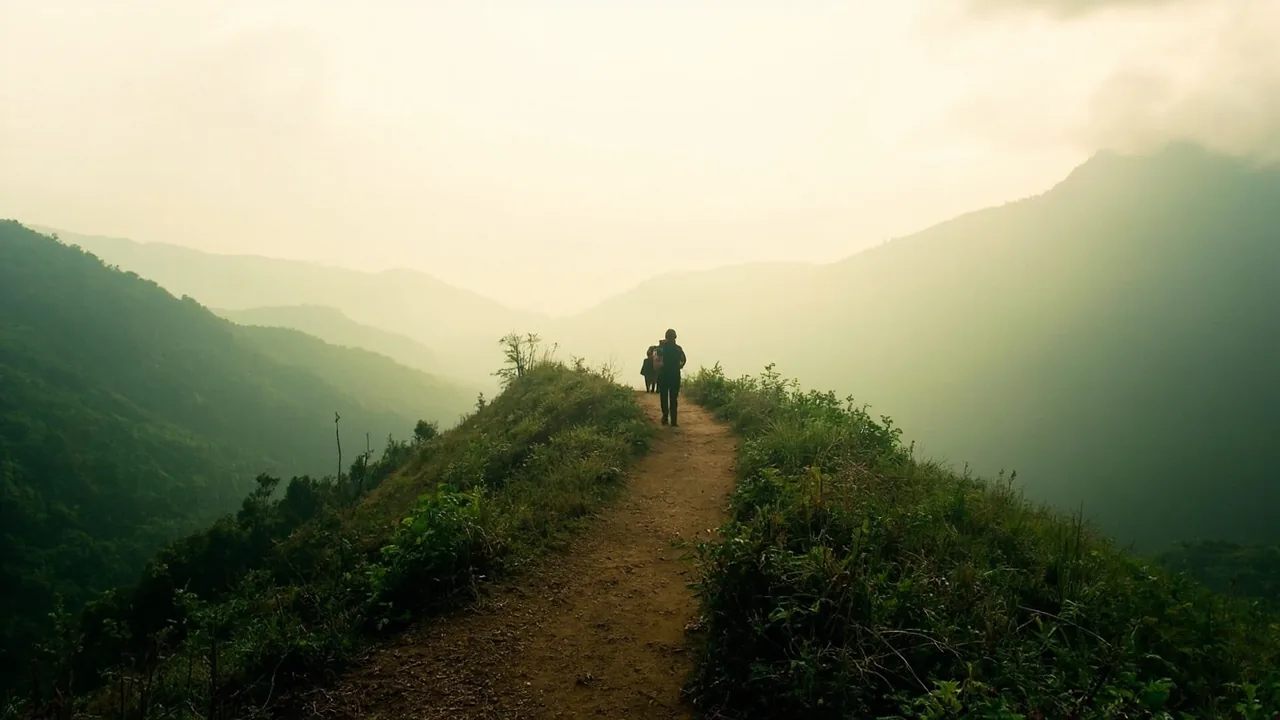
Pai & Mae Hong Son Trekking: Best Months to Go (And When to Avoid It)
Thailand trekking weather best months Pai Mae Hong Son are clear: November to February is the only time trails deliver what Instagram promises. Cool nights, dry trails, gold rice terraces, and Karen village homestays. Here is the month-by-month reality, a 5-day trek budget, and what to pack. This guide sits within our South East Asia backpacking hub.
Quick Answers
| What | Answer | Price (INR) |
|---|---|---|
| Best months | November to February | , |
| Worst months | July, August (monsoon mud, leeches, road closures) | , |
| Typical trek cost (5D/4N, solo) | ~₹13,500 (~4,700 THB) | ₹13,500 (~$141.37) |
| Dorm bed in Pai | ₹487-₹859 (~170-300 THB or ~$5.10-$9) per night | ₹490-₹860 (~$5.13-$9.01) |
| Chiang Mai to Pai minivan | ₹430 (~150 THB or ~$4.50) one way | ₹430 (~$4.50) |
FX at 1 THB = ₹2.8642, verified 2026-07-14.
Month-by-Month Breakdown
| Month | Weather | Crowds | Cost Level | Verdict |
|---|---|---|---|---|
| January | Cool, dry, 22-30°C days | High | Peak (₹₹₹) | Best of the best (January in Thailand), book hostels 2 weeks ahead |
| February | Warming up, still dry | High | Peak (₹₹₹) | Excellent, but haze from burning season starts late month |
| March | Hot, 30-36°C, smoky | Medium | Shoulder (₹₹) | Burning season peaks; treks dusty and visibility poor |
| April | hot, Songkran week | Medium | Shoulder (₹₹) | Skip trekking; Songkran is for the city |
| May | Pre-monsoon, scattered showers | Low | Budget (₹) | Hit-or-miss; some operators suspend treks |
| June | Monsoon starts, heavy afternoon rain | Low | Budget (₹) | Trails turn to mud; leeches appear |
| July | Full monsoon, daily downpours | low | Budget (₹) | Avoid; Mae Hong Son loop has road closures |
| August | Peak monsoon, landslides common | low | Budget (₹) | Avoid; some villages cut off |
| September | Tail monsoon, rain eases late | Low | Budget (₹) | Possible for solo budget; expect cancellations |
| October | Rain mostly gone, trails drying | Medium | Shoulder (₹₹) | Good value; rice terraces are greenest now |
| November | Cool, dry, fresh | Medium-High | Shoulder to Peak | Best budget-quality balance (November in Thailand) |
| December | Cool nights (down to 10°C), dry | High | Peak (₹₹₹) | Book everything in advance |
Cool Season (November to February). Pros and Cons
Pros:
- Dry trails, clear views, cool nights (10-15°C in Pai valley)
- Karen and Hmong villages welcome trekkers; homestays are comfortable
- Rice harvest in late November turns terraces gold
- All operators run; full menu of 2D/1N to 7D/6N routes available
- Mae Hong Son loop road (the 1,864-curve route from Chiang Mai) sees its heaviest traffic on dry-day weekends, so ride defensively despite familiar conditions
Cons:
- Peak prices; Pai dorms jump to ₹859 (~300 THB or ~$9) per night
- Burn residue haze creeps in from late February as farmers clear fields (burning season survival guide)
- Christmas/New Year week: book hostels 3 weeks ahead, restaurants packed
- Cold nights in mountain homestays without heating; bring a proper sleeping layer
Subodh’s Pro Tip: November is the sleeper pick. Trails are dry, water levels are still high enough for swimming holes, and Pai is past the October green-season rush. Dorms are ₹573-₹716 (~200-250 THB or ~$6-$7.50), not the December ₹859 (~300 THB or ~$9) peak.
The cost reality in peak season: a 5-day trek with a licensed operator in Pai runs ₹10,025-₹14,321 (~3,500-5,000 THB or ~$104.98-$149.97) including guide, food, homestays, and park fees. In monsoon you will find some operators offering ₹7,160 (~2,500 THB or ~$74.98) but the catch is last-minute cancellation when rain hits.
Monsoon (June to October). Pros and Cons
Our Thailand monsoon season honest review covers the national picture; here is what it means specifically for Pai and Mae Hong Son trekking.
Pros:
- Cheapest hostels of the year, ₹487 (~170 THB or ~$5.10) dorms easy to find
- Lush green rice terraces, especially September-October
- Almost no tourists on the trails; genuine village contact
- Hot springs and waterfalls are full and swimmable
Cons:
- Daily 2-4 hour downpours, sometimes all-day
- Leeches from July to September on every trail below 1,000m
- Mae Hong Son loop road has documented landslide closures; check the Thai Department of Highways daily
- Some trek operators close entirely; those that run often cancel last-minute
- Mud means slower walking, dirtier gear, harder homestay sleeping
- Misty viewpoints: the famous Pai Canyon and Yun Lai often sit in morning cloud cover during monsoon afternoons
Subodh’s Pro Tip: If you go in monsoon, carry salt packets for leeches and budget for extra rest days. A 5-day trek often stretches to 7.
Burn Season (Late February to Mid April)
A Pai-specific warning that gets missed: the rice farmers in Mae Hong Son province burn their fields from late February through April. Smoke rolls into the valley, visibility drops to 500m on bad days, and mornings are harsh on asthmatic lungs. Treks still run, but views are gone and the air is uncomfortable.
If you want warm weather without burning, hit Pai in early November or May. If you want cool weather without burning, hit it in January. February is the gamble month.
What to Pack Specifically for This Trek
Cool-season list (Nov-Feb):
- Fleece or light down jacket (Pai nights hit 10-12°C)
- Quick-dry trekking pants, two pairs
- Merino or synthetic base layer
- Trail runners or light hiking boots (no need for heavy boots on these trails)
- 30L daypack with rain cover
- 1.5L water bladder + purification tabs (streams are clean but check with guide)
- Headlamp (homestays have poor lighting)
- Mosquito repellent with DEET (dengue is present year-round)
Monsoon additions:
- Dry bag for electronics and sleeping layer
- Leech socks (long socks tucked into pants)
- Salt packets or tobacco (leeches hate both)
- Two pairs of trekking shoes, you cannot dry one pair overnight
- Anti-fungal foot powder
Optional but worth it:
- Power bank 10,000mAh+ (villages have no charging outside homestays)
- Quick-dry towel
What to Eat in Pai
Pai’s food scene is one reason backpackers extend their stay past the trek. Five spots from the shortlist that are worth the walk:
Ganita Cafe is the garden breakfast stop. The avocado toast is what people Instagram, but the homemade yogurt with seasonal fruit is the actual winner after a trek day. Expect to pay ₹344-₹516 (~120-180 THB or ~$3.60-$5.40) for a full breakfast.
Kwanjai Thai food is where you go for the regional dish you came to northern Thailand to eat. Khao Soi, the curry noodle soup Chiang Mai is famous for, is better here than at half the Chiang Mai spots. ₹172-₹229 (~60-80 THB or ~$1.80-$2.40) for a bowl that fills you up after a trail.
Earth Tone is the answer for vegetarians. The pumpkin curry is the dish, but the menu rotates with what’s growing on their farm. Most plates run ₹286-₹430 (~100-150 THB or ~$3-$4.50). This is the cleanest veg food in Pai and one of the few spots serious about organic.
Na’s Kitchen is the local Northern Thai specialist. Khao Soi again, but also Gaeng Hang Lay (a pork curry you will not find in Bangkok) and sai oua sausage. ₹229-₹344 (~80-120 THB or ~$2.40-$3.60). Family-run, no English menu, point at what the table next to you is having.
Thai food bar is the street-food mood, sit-down. Papaya salad, grilled skewers, sticky rice. ₹143-₹286 (~50-100 THB or ~$1.50-$3). Loud, casual, exactly right after a trek day.
Subodh’s Pro Tip: Pai has limited Indian restaurants. The two operating in 2026 charge ₹573-₹859 (~200-300 THB or ~$6-$9) per thali. If you need Indian food every meal, Pai will exhaust your budget fast. Build your meal plan around Thai and vegetarian spots like Earth Tone instead.
5-Day Trek Budget (Solo, Cool Season)
This is the realistic budget an Indian solo backpacker should plan for, based on current operator rates in Pai, July 2026.
| Item | Cost (THB) | Cost (INR) |
|---|---|---|
| 5-day guided trek (incl. Food, homestays) | 4,500 | ₹12,890 (~$134.98) |
| Dorm bed in Pai (2 nights, post-trek) | 600 | ₹1,720 (~$18.01) |
| Food in Pai (2 days, ~₹717 (~250 THB or ~$7.45)/day) | 500 | ₹1,430 (~$14.97) |
| Chiang Mai to Pai minivan (return) | 300 | ₹860 (~$9.01) |
| Mae Hong Son loop songthaew (if extending) | 200 | ₹575 (~$6.02) |
| Misc (water, snacks, souvenirs) | 500 | ₹1,430 (~$14.97) |
| Total | 6,600 | ₹18,905 |
FX: verified 2026-07-14 at 1 THB = ₹2.8642.
A budget version (monsoon, dorm-stay, group trek of 4+) drops to around ₹12,030 (~4,200 THB or ~$125.97) but adds rain risk.
Getting Connected
Pai has decent 4G on AIS and TrueMove. Buy a tourist SIM at Chiang Mai airport on arrival (AIS ₹856 (~299 THB or ~$8.97) for 15 days, 50GB), or use an eSIM before you fly so you have data the second you land. Useful for checking the Thai Department of Highways road status during monsoon. Get Nomad eSIM is the lighter alternative if you do not want a physical SIM.
Season Costs Comparison
| Item | Peak (Dec-Feb) | Shoulder (Nov, Mar) | Low/Monsoon (Jun-Sep) |
|---|---|---|---|
| Dorm in Pai | ₹859 (~300 THB or ~$9) | ₹630 (~220 THB or ~$6.60) | ₹487 (~170 THB or ~$5.10) |
| 5-day trek | ₹14,321 (~5,000 THB or ~$149.97) | ₹12,030 (~4,200 THB or ~$125.97) | ₹8,020-₹10,025 (~2,800-3,500 THB or ~$83.98-$104.98) |
| Chiang Mai-Pai minivan | ₹516 (~180 THB or ~$5.40) | ₹430 (~150 THB or ~$4.50) | ₹430 (~150 THB or ~$4.50) |
| Guesthouse private | ₹2,291 (~800 THB or ~$24) | ₹1,719 (~600 THB or ~$18) | ₹1,146 (~400 THB or ~$12) |
| Meal at local spot | ₹286 (~100 THB or ~$3) | 80 THB | 60 THB |
FX: verified 2026-07-14 at 1 THB = ₹2.8642.
The 50% monsoon discount on treks is real, but the operator cancellation rate is also 30-40% in July and August. Budget for one extra Pai night in case your trek gets pushed.
Safety Notes
Beyond leeches, monsoon road closures, and burn-season haze, the area is generally low-risk for Indian backpackers. Standard precautions apply: check your government’s travel advisory (MEA advisory at mea.gov.in) before monsoon travel, since flash floods have historically affected parts of Mae Hong Son province.
Subodh’s Pro Tip: The Chiang Mai to Pai road (Route 1095) has tight curves and one-lane sections. If you are riding a motorbike up, do it in daylight and skip it in rain. The songthaew (shared pickup) is safer at ₹430 (~150 THB or ~$4.50) and the bus is safest at ₹430 (~150 THB or ~$4.50) from Arcade Bus Terminal.
FAQ
Is Pai worth visiting outside of cool season?
October and May are the shoulder windows. October has green rice terraces, May has fewer crowds and pre-monsoon swimming. Both work if you accept some rain risk.
How many days do I need for Pai and the trek?
Minimum 7 days total: 1 day Chiang Mai to Pai, 5 days trek, 1 day back. Add 2 more for Pai itself if you want to relax and visit the hot springs, canyon, and walking street.
Do I need a guide for the trek, or can I solo?
Villages and most operators expect you to come with a guide. Solo treks also miss the homestay network that makes the experience worth it.
What is the burn-season haze like in Pai?
Worst in mid-March through early April. Mornings are smoky, afternoons clear up. If you have asthma or breathing issues, skip this period. Late February is the edge.
Can I extend my Thai visa while in Pai?
Yes. The Pai immigration office handles extensions at the standard fee of ₹5,442 (~1,900 THB or ~$56) for an extra 30 days. Bring your passport, one photo, and the fee. Same-day turnaround.
What if my trek gets cancelled for rain?
Most Pai operators offer free rebooking or partial refund. Read the cancellation policy before paying; reputable shops will refund 50-70% if they cancel on their side.
Subodh’s Take
If your dates are flexible, hit Pai in November. You get cool-season weather at shoulder-season prices, the trails are still quiet, and the rice terraces are turning gold. December through February is the dream, but you will pay for it. Monsoon trekking is only for travellers who genuinely do not care about views and have buffer days to absorb cancellations. Most Indians reading this should book for November or early December and skip the gamble.
