Phnom Penh: The Indian Backpacker’s Guide (2026)
This Phnom Penh guide was re-verified against the official Cambodia e-Visa portal on 22 July 2026 and cross-checked with traveller reports from June 2026. Dorm and hostel rates come from Hostelworld listings fetched the same week. For related planning, see our guide on Sea Backpacking Hub.
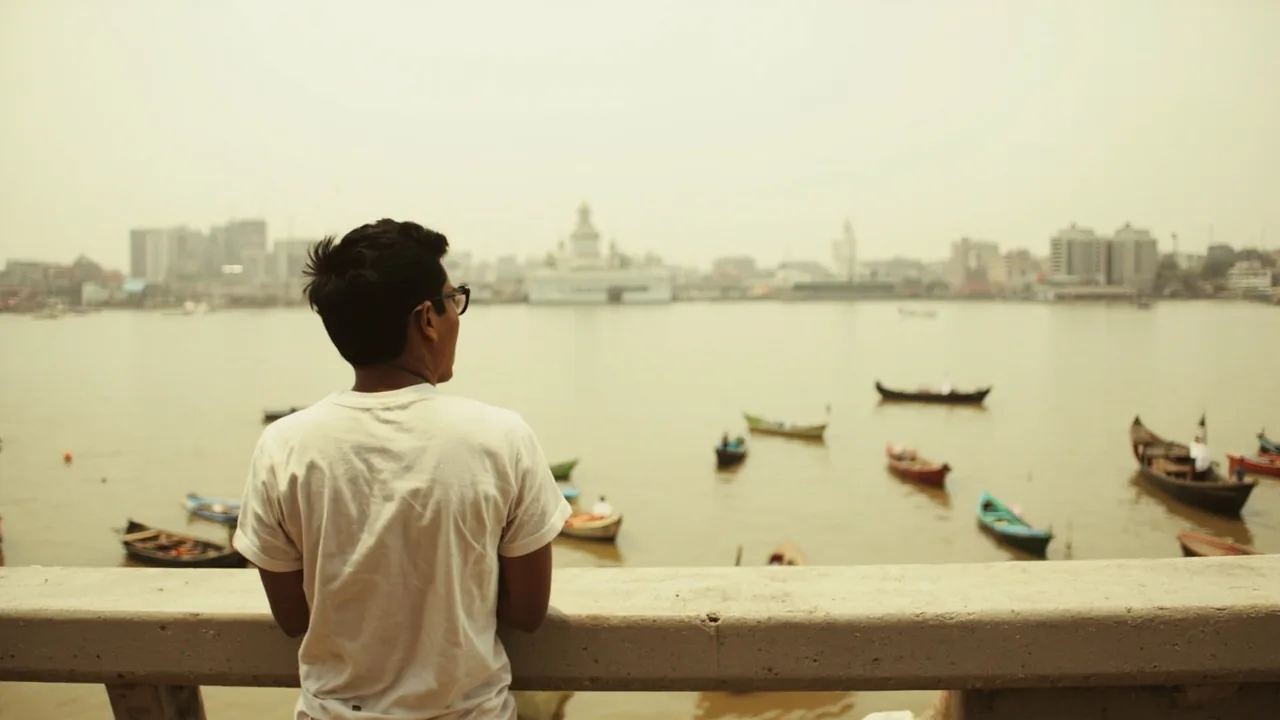
Phnom Penh is Cambodia’s river capital and the country’s most emotionally loaded city. The Khmer Rouge killed roughly a quarter of Cambodia’s population between 1975 and 1979, and the memorials here, Choeung Ek and Tuol Sleng, sit inside a working city of monks, motorbikes, and Mekong sunsets. You come here to understand Cambodia, not to escape it. Two or three nights is the right amount; less feels rushed, more starts to drag. You may also find Siem Reap useful for this trip.
Quick Answers
| What | Answer | Price (INR) |
|---|---|---|
| Visa on arrival for Indians | ₹2,896 (~30 USD), 30 days, single entry at Phnom Penh airport | ₹2,890 (~$29.94) |
| e-Visa fee (apply online) | ₹3,475 (~36 USD) via evisa.gov.kh, 30 days | ₹3,470 (~$35.95) |
| Dorm bed in Phnom Penh | ₹483-₹965 (~5-10 USD) per night (Mad Monkey, Onederz, Pooltop) | ₹480-₹960 (~$4.97-$9.95) |
| Street food meal | ₹97-₹290 (~1-3 USD), fish amok or num pang | ₹95-₹290 (~$0.98-$3) |
| Tuk-tuk across town | ₹193-₹483 (~2-5 USD) within Riverside/BKK area | ₹190-₹480 (~$1.97-$4.97) |
Subodh’s Pro Tip: ₹2,896 (~30 USD) cash for the visa on arrival. They prefer a crisp, unfolded bill; a torn or wrinkled note can get sent to a different queue. Carry two.
How to Get Here (From Bangkok or Ho Chi Minh City)
Most Indian backpackers arrive in Phnom Penh from Bangkok, Ho Chi Minh City, or Siem Reap. Direct flights from India are scarce and expensive (₹38,612 (~400 USD)+ round trip from Delhi or Mumbai), so overland from Bangkok is the standard move on the Banana Pancake Trail.
| From | Mode | Duration | Price | Book |
|---|---|---|---|---|
| Bangkok | sleeper bus / minivan | 14-16 hrs | ₹2,413-₹3,379 (~25-35 USD) | Book on 12go |
| Ho Chi Minh City | bus (Mekong Express) | 6-7 hrs | ₹1,158-₹1,738 (~12-18 USD) | Book on 12go |
| Siem Reap | bus / minivan | 5-7 hrs | ₹772-₹1,448 (~8-15 USD) | Book on 12go |
Buses from Bangkok deposit you at central Phnom Penh offices or hostels (Mad Monkey and Onederz both have their own pickup arrangement, worth asking when you book). From Ho Chi Minh, Mekong Express and Giant Ibis are the two operators most travellers report as reliable; the road is paved but bumpy, so grab the front row if you can.
The full overland corridor from Bangkok through Siem Reap is covered in the Cambodia border crossings corridor guide.
Where to Stay
Hostels in Phnom Penh cluster around three areas: the Riverside/Sisowath Quay strip (where most backpackers end up first), Boeung Keng Kang (BKK1 to BKK3) slightly inland, and the slightly quieter streets near Tuol Tom Poung (Russian Market).
| Hostel | Cost/night | Vibe | Book Here |
|---|---|---|---|
| Mad Monkey Phnom Penh | ₹483-₹965 (~5-10 USD) | Riverside party hostel, rooftop bar, biggest social scene | Check prices |
| Onederz Phnom Penh | ₹579-₹1,158 (~6-12 USD) | Clean, social, slightly calmer than Mad Monkey, pool | Check prices |
| Pooltop Phnom Penh | ₹676-₹1,062 (~7-11 USD) | Riverside pool deck, smaller crowds than Mad Monkey | Check prices |
| Sacred Lotus - Vegan - Café x Hostel | ₹772-₹1,255 (~8-13 USD) | Riverside, plant-based café attached, best veg option in town | Check prices |
| THE PLACE Hostel Phnom Penh | ₹579-₹965 (~6-10 USD) | Budget dorms, central, no frills | Check prices |
| The Big Easy Phnom Penh | ₹676-₹1,158 (~7-12 USD) | Riverside bar-and-grill, live music, social but louder | Check prices |
| Subodh’s pick: Onederz for the pool and the location. Mad Monkey if you want the full backpacker party. Sacred Lotus if you’re vegetarian, the café downstairs solves half your meals. |
What to Eat
Phnom Penh’s food scene is Cambodia’s best. Khmer cuisine shares flavour DNA with Thai food but pulls back on the chilli and sugar, leaning on lemongrass, galangal, and prahok (fermented fish paste). Most street food is pork- or seafood-based; veg travellers should plan around the dedicated spots below.
- Num pang (₹145 (~1.50 USD) / ₹145 (~$1.50)): The Cambodian answer to a banh mi. Grilled pork or chicken baguette with pickled carrot, cucumber, and a heavy lick of mayo. Travellers report the best carts along Street 136 near the Russian Market.
- Fish amok (₹386 (~4 USD) / ₹385 (~$3.99)): Coconut-fish curry steamed in banana leaves, mild, rich, and the closest Cambodian dish to a Thai green curry. Order at Phnom Penh Three Rivers Restaurant or any local Khmer spot.
- Lok lak (₹290-₹386 (~3-4 USD) / ₹290-₹385 (~$3-$3.99)): Stir-fried beef in a Kampot-pepper sauce over rice, served with lime and a small salad. The pepper makes it. Skip if you’re strict veg, the sauce often uses shrimp paste.
- Kuy teav (₹145-₹193 (~1.50-2 USD) / ₹145-₹190 (~$1.50-$1.97)): The breakfast noodle soup of Cambodia, pork-broth rice noodles eaten before 9am at any of the riverside stalls. Light, clean, cheap.
- Bay srae (₹193-₹290 (~2-3 USD) / ₹190-₹290 (~$1.97-$3)): “Happy pancakes,” small coconut-rice crepes with a sweet filling. Cheap street dessert, no dairy.
- Anchor beer (₹72 (~0.75 USD) / ₹70 (~$0.73) per large bottle): The national lager. Cold, drinkable, your cheapest way to sit by the river for an hour.
Subodh’s Pro Tip: Tap water in Phnom Penh is not safe. Bottled water is ₹48 (~0.50 USD) a litre, every convenience store stocks it. Refill your bottle at the hostel, don’t buy a new plastic one every meal.
Vegetarian and Indian food
Phnom Penh has a strong Indian restaurant scene for a small capital. Three reliable options:
- MDSK - Best Vegan Masala Dosa & Indian Street Food (BKK1 area, ₹290-₹483 (~3-5 USD) / ₹290-₹480 (~$3-$4.97) per meal): Vegan dosas, vada pav, and proper South Indian filter coffee. Minimalist spot, cheap, fast.
- Gorkha Palace Phnom Penh Indian and Nepalese Restaurant (₹483-₹772 (~5-8 USD) / ₹480-₹770 (~$4.97-$7.98)): Indian and Nepalese thalis, dal-bhat, momos. Solid backup when you want a curry-and-rice reset.
- Indian Royal Halal Food Restaurant (Riverside) (₹579-₹965 (~6-10 USD) / ₹580-₹960 (~$6.01-$9.95)): Upscale Punjabi and Mughlai, riverside view, more of a sit-down dinner than a quick meal.
For strictly plant-based without cooking yourself, Sacred Lotus (the hostel above) runs a vegan café open to non-guests.
What to Do
The monuments and the food markets are the two reasons most travellers spend real time in Phnom Penh. Most things are cheap or free.
- Tuol Sleng Genocide Museum (S-21): ₹483 (~5 USD) entry + ₹290 (~3 USD) audio guide. Allow 2-3 hours. The audio guide is narrated partly by a survivor of the prison. Plan this before Choeung Ek, not after; S-21 explains what Choeung Ek shows.
- Choeung Ek Killing Fields: ₹579 (~6 USD) entry + ₹290 (~3 USD) audio. 30 minutes south of town by tuk-tuk (₹676-₹965 (~7-10 USD) return). Most travellers book a half-day combined S-21 + Choeung Ek tour for ₹1,448-₹1,931 (~15-20 USD).
- Royal Palace & Silver Pagoda: ₹965 (~10 USD) entry, closed on Fridays and during Buddhist holidays. 2 hours is enough; the Throne Hall is the highlight, dress code is enforced (covered shoulders and knees).
- Wat Phnom Daun Penh: The hilltop temple that gave the city its name. $1 USD entry, 30 minutes, on a small hill in the north of the city.
- Russian Market (Tuol Tom Poung): Free to wander. Better for clothes, souvenirs, and Khmer coffee than the riverside night market.
- Mondap Hill (Wat Phnom area): Free sunset views over the Mekong-Riverside intersection. 20 minutes at golden hour.
- Kun Khmer kickboxing at a stadium: Matches most weekends, ₹965-₹2,413 (~10-25 USD) per ticket depending on seat. Loud, raw, different from Muay Thai.
Day trips from Phnom Penh
The Siem Reap / Angkor day trip is the most common extension:
- Phnom Penh to Angkor Wat, Bayon & Ta Prohm Day Trip: 1-day Angkor Wat tours from Phnom Penh run ₹8,688-₹12,549 (~90-130 USD) plus the ₹3,572 (~37 USD) temple pass; the round trip is 12+ hours by road, so it’s a day trip in calendar terms only. Travellers who care about Angkor should consider the sleeper bus to Siem Reap and 2 nights instead.
For something lighter inside the city:
- Cambodian Chocolate Workshop: 2-hour bean-to-bar class, ₹2,413-₹3,379 (~25-35 USD). The Cambodia Chocolate brand sources cacao from local smallholder farms; you’ll grind, temper, and take home a small bar.
- Watch Kun Khmer Kickboxing Matches at a Stadium: Usually weekend evenings. Guided ticket booking gets you seats in the foreigner section without the tout hassle.
For sunset and city views:
- Mondap Hill and Wat Phnom Daun Penh: two versions of the same hilltop, both free, both popular at golden hour.
- Independence Monument: lotus-shaped stupa in the middle of a traffic circle, lit up at night, best photographed from the surrounding park benches.
Safety Alert: Tuk-tuk drivers in Phnom Penh will quote you ₹1,448-₹1,931 (~15-20 USD) for Choeung Ek. The going rate is ₹676-₹965 (~7-10 USD) return, including 30 minutes wait. Negotiate before you get in, not after. Same for the Royal Palace, where drivers often try to add a “tour guide” surcharge that doesn’t exist.
Getting Connected
Cambodia’s mobile market is small. Smart (Cellcard) and Metfone are the two networks; tourist SIMs are sold at Phnom Penh airport, at any 7-Eleven, or at the Smart/Cellcard shop on Monivong Boulevard.
- Smart (Cellcard) tourist SIM, 7 days: ₹290 (~3 USD), ~10GB data. Available at airport kiosks (longer queue, no extra markup) and 7-Eleven.
- Smart 30-day SIM with data: ₹483-₹772 (~5-8 USD), 30-50GB.
If you want to land online before your flight, the Nomad eSIM covers Cambodia and activates on landing.
WiFi at hostels and cafes is generally strong (50-100 Mbps typical in BKK and Riverside). Most hostels also have a small work area; Mad Monkey and Onederz both have decent common-room setups if you need to push work forward.
Getting Around
Phnom Penh is small, flat, and traffic-choked. Three modes matter:
- Tuk-tuk (remork): ₹193-₹483 (~2-5 USD) within town. The default. Always agree the fare before you get in.
- PassApp / Grab: Both apps work for cars and tuk-tuks, prices are metered and slightly higher than street tuk-tuks but no negotiation.
- Walking: Riverside, BKK1, and the Royal Palace area are all walkable in 15-25 minutes. Anything further, take a tuk-tuk.
From the airport, official taxis are ₹1,158-₹1,448 (~12-15 USD) into town. Grab is usually ₹869-₹965 (~9-10 USD); the airport’s tuk-tuk mafia sometimes blocks ride-hailing pickups, walk 200m to the main road if you hit that.
Daily Budget Breakdown
Phnom Penh is one of the cheaper capitals in Southeast Asia. A backpacker who cooks none of their own food and stays in dorms can run a tight day here.
| Category | Budget/day |
|---|---|
| Dorm bed | ₹483-₹965 (~5-10 USD) |
| Food (3 meals, mostly street) | ₹579-₹965 (~6-10 USD) |
| Local transport (tuk-tuk + walking) | ₹290-₹483 (~3-5 USD) |
| Activities (museums, kickboxing) | ₹483-₹965 (~5-10 USD) |
| Misc / drinks | ₹290-₹483 (~3-5 USD) |
| Total | ₹2,124-₹3,861 (~22-40 USD) |
This is what our travellers spent, not what blogs say. The lower end assumes one paid activity per day; the upper end is a kickboxing ticket plus a Royal Palace visit. Verified 2026-07-22 at 1 USD = ₹96.33.
Visa / Entry Notes
Indian passport holders get a 30-day visa on arrival at Phnom Penh International Airport (and Poipet, Bavet, and Cham Yeam land borders) for ₹2,896 (~30 USD). The process:
- Queue at the visa counter before immigration, pay ₹2,896 (~30 USD) cash.
- One passport photo (4x6 cm, white background) required; spares cost ₹97-₹193 (~1-2 USD) at the counter if you forget.
- Form filled in on the plane or at the counter; pen provided.
- Sticker pasted into your passport at the immigration desk.
The e-Visa costs ₹3,475 (~36 USD), takes 3 business days, and is processed online. Slightly more expensive but it skips the visa-on-arrival queue. Both are single-entry.
Extensions are ₹4,344 (~45 USD) at the immigration office on the riverfront, valid for another 30 days.
Subodh’s Pro Tip: Don’t exchange money at the airport counter. The rate is 5-8% worse than any Phnom Penh gold shop or ABA Bank ATM in town. Walk out, find an ATM, withdraw USD if your card supports it.
Common Mistakes
- Paying tuk-tuk drivers up front for Choeung Ek. Settle on ₹676-₹965 (~7-10 USD) return, including wait time. The drivers quote high because they assume you don’t know.
- Skipping S-21 before Choeung Ek. The museums build on each other. Choeung Ek without S-21 context is a field; with it, it’s the answer to a question you just learned to ask.
- Exchanging INR at the airport. The riel (KHR) is the local currency but USD cash is king in Phnom Penh, most prices are quoted in dollars. Carry small USD notes (₹97 (~1 USD), ₹483 (~5 USD), ₹965 (~10 USD)) and you’ll get clean change in riel.
- Wearing shorts to the Royal Palace. They check at the gate. Sarongs are usually available for hire at the entrance, $1 USD deposit.
Where to Go from Here
Most backpackers move on after 2-3 nights. Siem Reap (Angkor Wat) is the obvious next stop; the sleeper bus is the cheapest and runs overnight.
| Destination | Mode | Duration | Price | Book |
|---|---|---|---|---|
| Bangkok | flight | 1 hr 15m | varies | Book on 12go |
| Phuket | flight | 10 hr+ (via BKK) | ₹59,269 (~614 USD) | Book on 12go |
| Hanoi | flight | 7 hr+ (via BKK or REP) | ₹24,325 (~252 USD) | Book on 12go |
| Battambang | bus | 4 hr 10m | from ₹772 (~8 USD) | Book on 12go |
| Pakse (Laos) | sleeper bus | 11 hr | ₹4,247 (~44 USD) | Book on 12go |
| Siem Reap (Angkor) | sleeper bus | 6 hr | from ₹772 (~8 USD) | Book on 12go |
If you’re heading south for beaches, Koh Rong is the standard Cambodian beach stop. If you’ve got time to detour inland, Kampot and Kep are the slow-travel towns most travellers skip and regret skipping.
FAQ
Is Phnom Penh safe for solo Indian women? Generally yes in the tourist zones. Riverside, BKK1, and the Royal Palace area are well-patronised after dark. Standard big-city precautions apply: don’t walk alone in unlit areas after midnight, use Grab/PassApp at night, and watch for bag-snatches from passing motorbikes.
Can I get Indian food in Phnom Penh? Yes, easily. MDSK (veg), Gorkha Palace, and Indian Royal Halal are all reliable. Strict veg travellers should plan around the hostel café at Sacred Lotus as a fallback.
How many days do I need in Phnom Penh? Two full days is the minimum (one for S-21 + Choeung Ek, one for the Royal Palace + markets). Three days is comfortable, anything more and you’re stretching.
Do I need a visa for Cambodia? Yes, Indian passport holders need a visa. VoA is ₹2,896 (~30 USD) cash at the airport, e-Visa is ₹3,475 (~36 USD) online via evisa.gov.kh. Both give 30 days.
Is Phnom Penh worth visiting? Yes, if you treat it as a history stop, not a beach or party town. Travellers who treat it as a quick overnight on the way to Siem Reap regret it. The Choeung Ek audio guide alone justifies the stop.
What’s the best time to visit? November to February (dry season, 25-30°C). March to May is brutally hot (35-40°C). June to October is wet but cheaper and less crowded.
Subodh’s Take
Phnom Penh is the city backpackers skip because they don’t want to feel heavy on the trail. Don’t skip it. The Choeung Ek audio guide is forty minutes long and it’s the most important audio you’ll hear this side of Mumbai. Two nights, three days, then the sleeper bus to Siem Reap.
For safety, currency, and weather conditions, check the MEA travel advisory before you fly and re-check the Cambodia e-Visa portal closer to departure for any rule changes.
