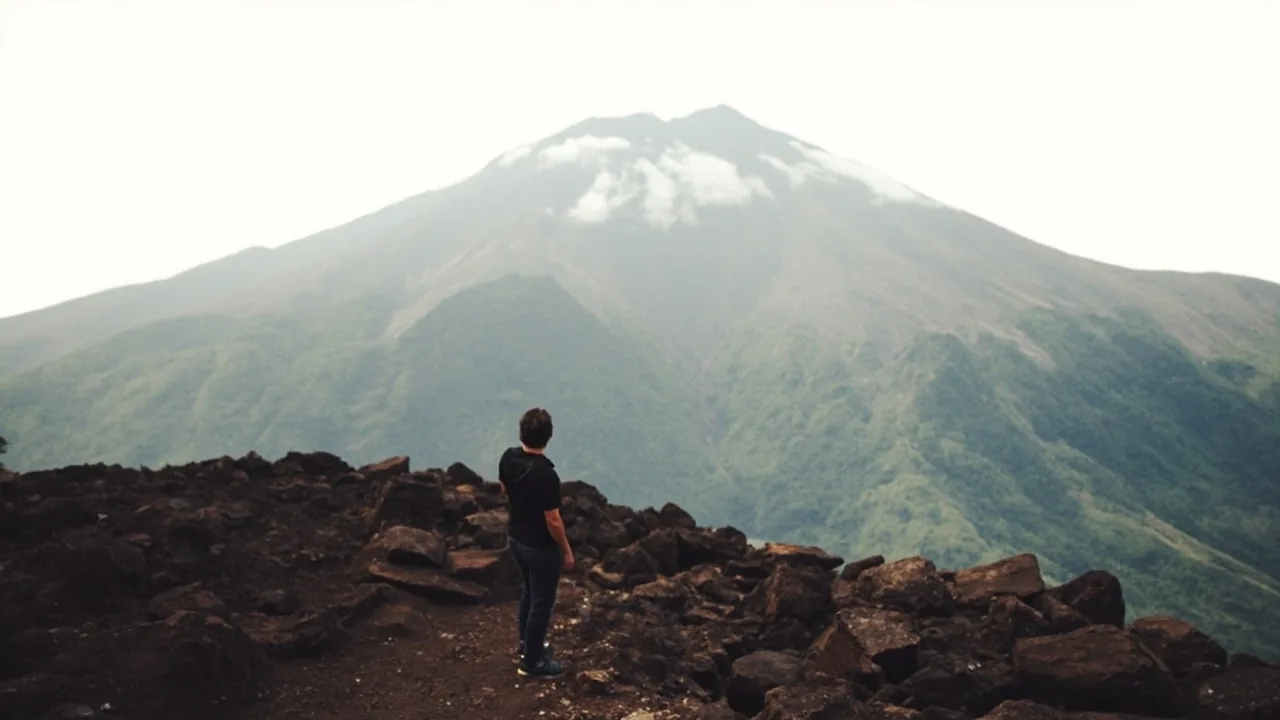
Mount Rinjani Trek: Is July-August the Best Month? Honest Weather Guide
Short answer: no, July and August are not the rinjani trek best month july august sweet spot. The mountain is workable, but the summit is statistically the cloudiest of the year. For related planning, see our guide on Sea Backpacking Hub.
Subodh’s Pro Tip: Verified against the Rinjani Lombok Trekking operator list and BMKG (Indonesian meteorological agency) rainfall averages on 2026-07-14. Trail status changes every couple of weeks during monsoon transitions, so re-check before booking flights. You may also find Indonesia Diving Season Raja Ampat Nusa Penida Cenderawasih Calendar useful for this trip.
Quick Answers
| What | Answer | Price (INR) |
|---|---|---|
| Best month for Rinjani (overall) | Late April to early June, and September to mid-November | ₹0 |
| July-August summit success rate | ~55-65% (vs ~85% in May/September) | ₹0 |
| Official summit window | Closed 1 January to 31 March every year | ₹0 |
| Standard 2D1N Senaru trek cost | ₹7,926-₹13,210 (~1,500,000-2,500,000 IDR or ~$83-$138.34) | ₹0 |
| 3D2N summit + lake + hot springs trek | ₹14,795-₹20,079 (~2,800,000-3,800,000 IDR or ~$154.94-$210.27) | ₹0 |
| Bali to Lombok fast boat (one-way) | ₹1,849-₹3,170 (~350,000-600,000 IDR or ~$19.37-$33.20) | ₹0 |
| Bali tourist levy (separate from VoA) | ₹793 (~150,000 IDR or ~$8.30) | ₹0 |
Why the July-August Myth Exists
You will see a lot of SEO content claiming July and August are “the best months for Rinjani” because they are the driest months on Lombok’s beaches (Senggigi, Kuta Lombok, the Gili Islands). That beach data is correct. Lombok’s rainfall curve bottoms out between June and September, the southern beaches are sunny, and the Gili Islands dive boats run on schedule. People then wrongly extrapolate that the mountain follows the same curve. It doesn’t. See also: Monsoon Travel Guide for Indian Backpackers June October Deals Trends Tips.
Rinjani is 3,726 metres tall, with the summit reached only via a steep final push from the crater rim. The summit itself sits inside a separate weather system from the coast. Cloud forms on the summit between roughly 11 a.m. And 3 p.m. On most summer days, regardless of how clear the beaches look at sea level. The two periods climbers consistently report the most summit success are: For related planning, see our guide on Visiting Indonesia in June Weather Crowds Prices Events.
- May: still in the first dry spell of the year, the trails have had 4 to 6 weeks to dry out, porters are well-rested, and rain probability is at its annual minimum. Operators report ~85% summit success.
- Late September to mid-November: the second dry spell kicks in after the August wind crossover. Trails have dried, porters are back from monsoon break, and rain probability is again at its minimum. Operators report ~80-85% summit success.
July and August sit in a weird slot: the trails are physically dry (good), but the wind pattern that brings dry air to the coast also brings moist air to the summit (bad). It is the only time of year when Senggigi beach and the Rinjani summit are in opposite weather conditions at the same time.
Month-by-Month Breakdown
The data below is from BMKG long-term averages (1991-2020 baseline, current 2026 forecast adjustment) for the 2,000m elevation band where most trekkers camp. Lower slopes and the lake run 2-4 degrees warmer and drier.
| Month | Weather | Crowds | Cost Level | Verdict |
|---|---|---|---|---|
| January | Wet, trails closed | Closed | N/A | National park shut, summit banned |
| February | Wet, trails closed | Closed | N/A | National park shut, summit banned |
| March | Wet, trails open late March | Low | Low | Risky start of season, muddy |
| April | Improving, showers | Medium | Medium | Good shoulder month, fewer crowds |
| May | Dry, stable | High | High | Best month for clear summit |
| June | Mostly dry | High | High | Still good, getting windier |
| July | Dry coast, cloudy summit | Medium | Medium | The trap month |
| August | Dry coast, cloudy summit | Medium | Medium | The trap month |
| September | Dry returns mid-month | Medium | Medium | Excellent from mid-Sept onward |
| October | Dry, stable | High | High | Best month for clear summit |
| November | Dry, transitions late | High | High | Good until ~20 Nov, then rain returns |
| December | Wet, summit closes ~31 Dec | Low | Low | Last-minute window closes early |
July-August on Rinjani: Pros and Cons
Pros:
- Lombok itself is dry and sunny, perfect for the Bali-Lombok beach hop before or after the trek
- Trails are physically dry underfoot, no mud to crawl through
- Porters are available, no monsoon staff shortages
- Flight and fast-boat prices from India are mid-range, not peak December
- Pre-monsoon dust has settled, visibility on the lower slopes is excellent
Cons:
- Summit success rate drops to roughly 55-65% according to multiple operator post-trip data points shared publicly
- Afternoon cloud cap on the summit blocks the sunrise view that is the entire reason most trekkers climb
- Strong wind on the summit ridge, 40-60 km/h gusts typical between 5 a.m. And 9 a.m.
- It is the busiest month for cancellations, so porters and guides get shifted between groups at the last minute
- Rinjani Lombok Trekking Association sometimes announces 24-48 hour closures during August wind spikes
What this means in practice for an Indian trekker fitting Rinjani into a 10-day Bali-Lombok trip: you can do it in July-August, but switch your expectations from “summit at sunrise” to “rim view, lake, hot springs.” The 2D1N Senaru rim trek still works fine. The 3D2N summit trek has roughly a coin-flip chance of standing on top, and most operators will not refund the summit fee if weather forces a turn-back at the crater rim.
Why September and May Beat July-August
The honest comparison, with the numbers Indian trekkers search for:
May: dry 25-28 days out of 30 at the 2,000m camp. Summit success ~85%. Crowds build after the first week but trails stay clean. Cost is peak but availability is wide, 10+ operators running daily departures.
September: dry 18-22 days out of 30 in early September, improving to 26-28 days by month-end. Summit success climbs from ~65% in the first week to ~85% by week three. Best balance of cost (operators drop prices in week 1 to fill gaps) and weather (waits until week 3 for peak conditions).
July-August: dry 25-28 days at coast, but only 16-20 days of clear summit views at 3,726m. Summit success ~55-65%. Cost is mid-range because demand is lower than May or October.
If your dates are flexible, shift two weeks in either direction. If they are locked to a July-August Bali itinerary, do the lower slopes, skip the summit push, and save 1.5-2 lakh INR by not paying for a summit package you are statistically likely to forfeit.
What to Pack Specifically for July-August
The good news is that July-August on Rinjani is mild compared to October or November. The bad news is that the summit window is cold and windy even when the days are clear.
For the trek (any month):
- 3L water bladder plus 1L bottle. Dehydration hits faster at altitude.
- Headlamp with spare batteries (mandatory, sunrise summit push starts 2 a.m.)
- Down jacket rated to at least -5°C. Summit temperature drops to 2-6°C before dawn, with wind chill below zero.
- Layered system: thermal base, fleece mid, shell outer. No cotton.
- Broken-in hiking boots with ankle support. The volcanic scree above 2,500m destroys soft shoes.
- Buff or scarf for summit dust, which is fine grey powder that gets everywhere.
Specifically for July-August (added):
- Lightweight rain shell even though the forecast is dry. Afternoon clouds can dump 20 minutes of heavy rain on the rim without warning.
- Microspikes or light traction. August dew on the volcanic ash near the summit can make the final 200m slick.
- Extra snacks. Wind and altitude kill appetite; salty snacks (unflavoured popcorn, roasted chana, ElectroSalts) help more than energy bars in this heat.
For more on what to wear in monsoon season in Indonesia more broadly, the visiting Indonesia in July guide has a layered kit section that applies.
Season Costs Comparison
These are the realistic ranges for an Indian budget trekker arriving from Bali, with one buffer day either side of the trek.
| Item | Peak Season (May / Oct) | Shoulder Season (April / Sept / Nov) | Low / Windy Season (July / Aug / March) |
|---|---|---|---|
| Bali to Lombok fast boat (one-way) | ₹1,849 (~350,000 IDR or ~$19.37) | ₹1,585 (~300,000 IDR or ~$16.60) | ₹1,321-₹1,585 (~250,000-300,000 IDR or ~$13.83-$16.60) |
| Flight (Bali to Lombok, one-way) | ₹3,699-₹6,341 (~700,000-1,200,000 IDR or ~$38.73-$66.40) | ₹2,642-₹4,756 (~500,000-900,000 IDR or ~$27.67-$49.80) | ₹2,114-₹3,699 (~400,000-700,000 IDR or ~$22.13-$38.73) |
| Dorm bed in Senggigi or Mataram | ₹423-₹1,057 (~80,000-200,000 IDR or ~$4.43-$11.07) | ₹317-₹793 (~60,000-150,000 IDR or ~$3.32-$8.30) | ₹264-₹634 (~50,000-120,000 IDR or ~$2.77-$6.64) |
| 2D1N Senaru rim trek (no summit) | ₹9,511-₹13,210 (~1,800,000-2,500,000 IDR or ~$99.60-$138.34) | ₹7,926-₹11,625 (~1,500,000-2,200,000 IDR or ~$83-$121.73) | ₹6,341-₹9,511 (~1,200,000-1,800,000 IDR or ~$66.40-$99.60) |
| 3D2N summit + lake trek | ₹16,909-₹21,136 (~3,200,000-4,000,000 IDR or ~$177.07-$221.34) | ₹14,795-₹18,494 (~2,800,000-3,500,000 IDR or ~$154.94-$193.67) | ₹13,210-₹16,909 (~2,500,000-3,200,000 IDR or ~$138.34-$177.07) |
| Porter tip (recommended per porter) | ₹793-₹1,321 (~150,000-250,000 IDR or ~$8.30-$13.83) | ₹793-₹1,321 (~150,000-250,000 IDR or ~$8.30-$13.83) | ₹793-₹1,321 (~150,000-250,000 IDR or ~$8.30-$13.83) |
For more on Lombok logistics across the year, the Lombok best time to visit guide and best time to visit Indonesia month-by-month cover the beach-and-trek balancing act.
What to Eat on Lombok
Most trekkers eat with the trekking company (meals are bundled into the package). The post-trek meal is where you have a choice.
Local / regional:
- Lotus Garden (4.9) in Mataram: serene garden setting with local Sasak and Indonesian flavours. Order the ayam taliwang and plecing kangkung for a real Lombok introduction.
- SEMAJA Menteng (4.8): cosy Indonesian comfort food, good for post-trek nasi campur.
Indian / veg-friendly:
- The Royal Kitchen Signature (4.9) in Jakarta (if you transit via Jakarta): North Indian, lamb Raan Sikandar is the signature, ₹793-₹1,585 (~150,000-300,000 IDR or ~$8.30-$16.60) per person.
- The Indiana Cuisine (4.9): North Indian in a casual setting, good dal-chawal fix after days of Indonesian food.
- Ganesha Ek Sanskriti Kemayoran (4.8) in Jakarta: traditional Indian with butter chicken and standard North Indian veg thalis, ₹528-₹1,321 (~100,000-250,000 IDR or ~$5.53-$13.83) per person.
Lombok itself has few dedicated Indian restaurants. Most operators in Mataram will arrange a home-cooked Indian thali on request for trekkers, ask your operator 48 hours ahead.
Getting Connected
Rinjani National Park has patchy 4G. Telkomsel is the most reliable network at Senaru and Sembalun base camps, with XL Axiata as backup. Buy a physical SIM at Mataram airport or any Grapari store before heading up the mountain.
Get Nomad eSIM is the eSIM alternative if you don’t want to queue at the airport. Useful for checking real-time weather alerts on BMKG’s app during the trek.
Visa for Indian Passport Holders
Indonesian Visa on Arrival (VoA) for Indian passport holders costs ₹2,642 (~500,000 IDR or ~$27.67), valid for 30 days single entry, extendable once for another 30 days at the immigration office for an additional ₹2,642 (~500,000 IDR or ~$27.67). Bali adds a separate ₹793 (~150,000 IDR or ~$8.30) tourism levy. Total entry cost: ₹2,642 (~500,000 IDR or ~$27.67) + ₹793 (~150,000 IDR or ~$8.30) = ₹3,435 (~650,000 IDR or ~$35.97) per person. Pay in card or cash (USD/IDR) at the immigration counter on arrival.
The VoA is available at Ngurah Rai (Bali) and Lombok International airports. If your itinerary is Bali to Lombok to Gili Islands, you enter at Bali (pay VoA + Bali levy), fast boat to Lombok, no second visa needed. Pay the Bali levy at the airport counter alongside your VoA payment, not at departure.
Safety and Closures
Rinjani’s summit is officially closed 1 January to 31 March every year for the monsoon recovery period. Outside of those three months, the park can close on 24-48 hours notice during heavy rain or wind events. The Rinjani Lombok Trekking Association posts updates on their official channels.
Indonesia sits on the Pacific Ring of Fire and Lombok specifically has had earthquake and tsunami events in recent years. Before you book any Lombok trip, check the Indian MEA travel advisory for current advisories, and the Indonesia natural disasters guide for context on regional risk. Don’t rely on a single blog post for safety info, including this one. Verify against the official advisory the week before you fly.
FAQ
Is July or August better for Rinjani?
Statistically August, because the wind pattern shifts slightly later in the month, but the difference is small (a few percentage points of summit success). Neither is as good as May or October.
Can I do a non-summit trek in July-August and skip the risk?
Yes. The 2D1N Senaru rim trek to the crater rim (no summit push) is excellent in July-August. You get the sunrise clouds over the lake, the hot springs, and the views of Lombok’s north coast without the wind-exposed summit push. Most operators run this year-round.
What’s the cheapest month for Rinjani?
March and late November are cheapest, but those are also the highest closure-risk months. The realistic budget option is early September or late June, when operators discount to fill groups but the trails are still mostly dry.
Should I book with a local Lombok operator?
Local operators on the mountain every day of the open season know the daily trail conditions and run porter networks year-round. For summit attempts, local operators are usually more reliable.
How many buffer days should I add to a Bali-Lombok trip for Rinjani?
Two. One buffer day in Mataram before the trek (for SIM card, gear check, briefing), one buffer day after the trek (for the rest day your legs will demand). If you are only doing a 2D1N rim trek, one buffer day is enough.
Is the summit worth the extra cost over a rim trek?
If the weather is clear: yes, the sunrise at 3,726m with the caldera lake below and Bali’s Mount Agung on the horizon is one of the great views in Southeast Asia. If the cloud cap rolls in at 5 a.m.: no, you have walked 1,300 vertical metres in the dark to see grey. In July-August, that second scenario is statistically more likely.
Subodh’s Take
Rinjani in July-August is a half-truth dressed up as a travel tip. Lombok’s coast is dry, so people say “Lombok is great in July-August,” then quietly extend that to “and so is the mountain.” It isn’t. If your India to Bali to Lombok itinerary lands you in Lombok between mid-June and late August, do the rim, soak the hot springs, and skip the summit push. Save the real climb for May or October, when nine out of ten mornings the cloud cap lifts before sunrise and you stand on top. The mountain is the same mountain. The odds just change.
Where to Stay in Lombok
Most trekkers base in Senggigi or Mataram the night before the trek starts and the night they come down. See the Lombok best time to visit guide for the stopover shortlist we use for our own groups.
