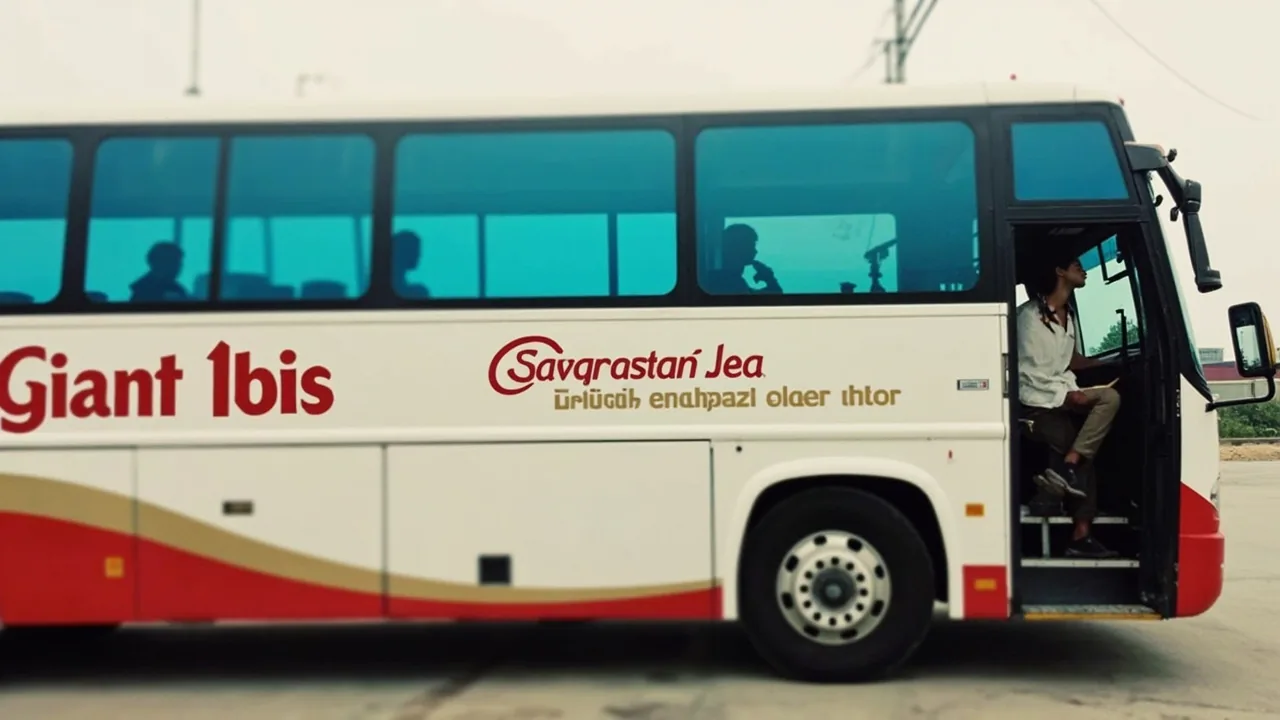
Siem Reap to Phnom Penh by Giant Ibis: Honest Review, Timings, Price & What Happens on Board
The Siem Reap to Phnom Penh Giant Ibis bus is the most reliable way to travel between the two cities in 2026. Tickets cost ₹1,157 (~12 USD), the daytime ride takes about 6 hours, and the overnight sleeper departs at 11:30 PM. There is no border crossing on this route. Planning the wider region? Our Southeast Asia backpacking hub covers the full multi-country route.
Quick Answers
| What | Answer | Price (INR) |
|---|---|---|
| Operator | Giant Ibis Transport | , |
| Route | Siem Reap to Phnom Penh (no border) | , |
| One-way ticket | ₹1,157 (~12 USD) | ₹1,156 (~$11.99) |
| Daytime duration | 5.5 to 6 hours | , |
| Overnight duration | 7 hours including boarding | , |
| Daytime departures | 7:00 AM, 8:30 AM, 1:30 PM, 2:45 PM | , |
| Overnight departure | 11:30 PM (sleeper bus) | , |
| Siem Reap pickup | Giant Ibis office, Sivutha Blvd | , |
| Phnom Penh drop | Giant Ibis office, Sangkat Phsar Kandal | , |
| Onboard | AC, free water, Wi-Fi, USB charging | , |
| Toilet | No onboard toilet, 1 food stop | , |
| Baggage | 1 carry-on + 1 checked (20 kg) included | , |
| Book via | giantibis.com or hostel counter | , |
What Is Giant Ibis?
Giant Ibis is a Cambodian-owned intercity bus company that started in 2012 and now runs the largest premium bus network inside Cambodia. Their main routes are Siem Reap to Phnom Penh, Siem Reap to Sihanoukville, and Phnom Penh to Ho Chi Minh City. The fleet is a mix of 40-seat VIP single-deckers for daytime runs and 30-bed sleeper buses for the overnight Siem Reap to Phnom Penh service. They are the operator most hostels in Siem Reap recommend by default.
Where Giant Ibis Picks Up and Drops Off in Each City
Siem Reap pickup: Giant Ibis office on Sivutha Boulevard, around 700 metres south of Pub Street. The easiest way to get there is a tuk-tuk from the Old Market area for ₹193-₹289 (~2-3 USD). Show up at least 20 minutes before departure because the bus does not wait.
Phnom Penh drop-off: Giant Ibis office in Sangkat Phsar Kandal, on the corner of Street 106 and Street 13, near the Central Market (Phsar Thmei) area. From here you can grab a tuk-tuk or PassApp for ₹193-₹482 (~2-5 USD) to most hostels in BKK1 or the riverfront.
Subodh’s Pro Tip: If your Phnom Penh hostel is in the BKK1 area, the Giant Ibis drop-off is closer than the Mekong Express or Virak Buntham drop-offs, so you save a tuk-tuk on arrival.
Daytime Timings and What the Journey Looks Like
The daytime buses are 40-seat VIP single-deckers with reclining seats, AC, free Wi-Fi, USB charging at every row, and a bottle of water at boarding. There is no onboard toilet. You will stop once, around the 3-hour mark, at a roadside restaurant complex in Kampong Thom. The stop is 25 to 30 minutes long, the toilets are squat and cost ₹24 (~1,000 KHR or ~$0.25), and the food is mid-range (rice and chicken curry for around ₹386 (~4 USD)).
Safety Alert: Lock your backpack to the seat frame with a small padlock, not just the overhead rack.
The four daytime slots in 2026 are:
- 7:00 AM (good if you want to reach Phnom Penh by lunchtime)
- 8:30 AM (the most popular slot, fills up 2 to 3 days ahead in peak season)
- 1:30 PM (lazy morning in Siem Reap, evening arrival in Phnom Penh)
- 2:45 PM (the one most backpackers end up on if they book the night before)
Realistic arrival in Phnom Penh is between 12:30 PM and 8:30 PM depending on which slot you pick.
The Overnight Sleeper Bus: What Sleep Looks Like
This is the section no other guide on this route covers properly. The Giant Ibis overnight bus departs Siem Reap at 11:30 PM and arrives in Phnom Penh around 6:30 AM. The bus is a 30-bed sleeper, arranged in 15 left-side single berths stacked two high.
Sleep quality is genuinely okay, not great. The mattress is thin, the sheets are clean, the AC is cold enough to need the blanket they hand you at boarding, and the road is mostly smooth National Route 6 with one rough stretch around Kampong Thom. Most passengers report getting around 4 to 5 hours of broken sleep, which is fine if you can sleep on buses. If you are a light sleeper, you will wake up at every fuel stop and every tuk-tuk the bus overtakes.
Pros of taking the overnight sleeper:
- You save one night’s hostel (₹386-₹1,157 (~4-12 USD) in a Siem Reap dorm).
- You arrive at sunrise and can check into your Phnom Penh hostel for early bag drop.
- Traffic in Phnom Penh is at its lightest at 6:30 AM, so the tuk-tuk to your hostel is faster and cheaper.
Cons:
- You arrive exhausted, which is a bad start to a new city.
- There is no proper toilet, only a plastic porta-potty at the back of the bus that smells by hour two.
- The Wi-Fi works for about 90 minutes, then drops.
- Border-style stops are minimal, but the engine noise and AC hum will keep light sleepers awake.
Subodh’s Pro Tip: If you take the overnight bus, bring earplugs, a neck pillow, and a light jacket. The blanket they hand out is thin, the AC runs at about 18°C, and the seat-bed combo is harder than a hostel mattress. Also charge your phone before boarding. The USB ports cut out about 90 minutes in.
Ticket Price and How to Pay
A one-way ticket is ₹1,157 (~12 USD) at the Giant Ibis counter or on their official site. Bookings via hostel front desks sometimes add a 1 USD service fee, which is fair for the convenience. Most hostels in Siem Reap will book you on the morning bus same-day if you walk in by 7 AM.
Payment options:
- Cash in USD at the Giant Ibis office (preferred).
- Card on giantibis.com (works, but charges a 1.5% processing fee on Visa/Mastercard).
- ABA KHQR or Wing for Cambodians, not useful for Indian travellers.
- Wise or forex card at the counter works, but cash USD is simpler.
Indian travellers should note that the eVisa-on-arrival for Cambodia costs ₹2,892 (~30 USD) at the airport, but you do not need it for this bus because both cities are inside the country. (See the full Cambodia visa breakdown in our Cambodia travel essentials guide.)
How to Book Step by Step
- Go to giantibis.com and pick “Siem Reap to Phnom Penh.”
- Choose your departure (7 AM, 8:30 AM, 1:30 PM, 2:45 PM, or 11:30 PM overnight).
- Pick your seat. Front-row seats (1 to 4) are quieter. On the overnight bus, lower berths are easier to get in and out of, upper berths have less road vibration.
- Pay by card or choose “Pay at Office” if you want to pay cash USD in Siem Reap.
- Save the QR ticket on your phone. The Giant Ibis counter in Siem Reap prints a paper boarding pass at check-in.
- Show up 20 minutes before departure. They scan your passport at the door.
Subodh’s Pro Tip: If you cannot book online (some Indian cards get blocked on Cambodian payment gateways), just walk into any hostel in Siem Reap and ask them to book Giant Ibis for you. They charge 1 USD extra and it is the easiest workaround.
Giant Ibis vs Mekong Express vs Virak Buntham: Honest Comparison
There are three main operators on this route. Here is how they differ, based on traveller feedback and the official fares verified in July 2026.
| Operator | Price (one-way) | Daytime slots | Overnight? | Wi-Fi | Seat pitch | Toilet |
|---|---|---|---|---|---|---|
| Giant Ibis | ₹1,157 (~12 USD) | 4 | Yes (11:30 PM) | Yes, decent | Best | No, 1 stop |
| Mekong Express | ₹1,253 (~13 USD) | 5 | No | Yes, weak | Medium | No, 1 stop |
| Virak Buntham | ₹964 (~10 USD) | 6 | Yes (10:00 PM) | Spotty | Worst | No, 1 stop |
Giant Ibis is ₹193 (~2 USD) more than Virak Buntham because the buses are newer, the seats have more legroom, the Wi-Fi works, and the company runs on schedule. Mekong Express has more departure slots but older buses and a worse safety record. If price is the only factor, Virak Buntham wins. If everything else matters, Giant Ibis wins.
For a wider breakdown of how all the bus operators compare across Cambodia, see our Cambodia backpacking budget guide.
What to Carry On Board
- Water bottle (refillable). They hand out one 500 ml bottle at boarding, which is not enough for a 6-hour ride in AC.
- Snacks. The Kampong Thom stop has rice and noodle stalls, but if you are picky, carry biscuits, nuts, or banana chips from the Siem Reap market. Avoid anything heavy or smelly.
- Headphones. The bus plays Khmer karaoke videos at low volume, which is fine until a kid screams.
- Light jacket or shawl. The AC is set cold.
- Earplugs and eye mask for the overnight bus. Non-negotiable.
- Padlock for your backpack.
- Passport on you, not in checked luggage. There are occasional police checks on the highway.
Subodh’s Pro Tip: Skip the Cambodian sim card market on the bus. Some hostels in Siem Reap will sell you a Cellcard or Smart 7-day SIM for ₹289 (~3 USD), which is the same price as the airport. If you want to land in Phnom Penh already online, the Get Nomad eSIM activates before you board and works across both cities.
Common Mistakes Indians Make on This Route
- Booking the overnight bus thinking it saves a full day. It saves a hostel night, not a day. You will arrive exhausted and waste the morning. The 7 AM or 8:30 AM bus is better for almost everyone.
- Paying in INR at a hostel. Some Siem Reap hostels quote ₹1,500-₹1,800 (~$15.56-$18.67) for the same ₹1,157 (~12 USD) ticket. Pay in USD or on the official site.
- Forgetting the visa run if you are extending your stay. The bus is domestic, but if your 30-day Cambodia visa is about to expire, sort the ₹4,338 (~45 USD) extension before boarding. See the Cambodia visa extension guide for the actual process.
- Sitting at the back of the bus for the “view.” Back rows feel every bump and hear the engine. Front four rows are quietest.
- Not eating before the 11:30 PM overnight bus. The Siem Reap night market closes by 10:30 PM. Grab dinner at Street Three Eatery Siem Reap earlier, or hit Paratha House & Academy Siem Reap for Indian-style wraps before you board.
What Most Guides Don’t Tell You
- There is no border crossing. Unlike the Siem Reap to Bangkok route, this is fully inside Cambodia. You do not need a Thailand visa, you do not need to carry an extra photo, and you do not get off the bus. Phnom Penh and Siem Reap are about 320 km apart on National Route 6.
- The bus does not always run on time. In rainy season (August to October), the 8:30 AM and 1:30 PM buses can run 30 to 60 minutes late because of flooded roads near Kampong Thom. The overnight bus is the most likely to be cancelled in heavy rain.
- You can stay on the bus at the Kampong Thom stop. The driver parks for 25 minutes. The toilets are squat and cost ₹24 (~1,000 KHR or ~$0.25). Bring your own snacks.
- Giant Ibis sometimes swaps buses last-minute. If the sleeper is full, they put you on a Virak Buntham sleeper instead. The ticket price stays the same, the bus is older, and the Wi-Fi does not work. This is rare but does happen in peak season (December to February).
- There is no discount for booking a return. Round-trip tickets are two one-ways. Book them separately if your dates are fixed.
Quick Comparison: Is Giant Ibis Worth It Over Minivans?
Minivan services (Nick VIP, Sovan Rithy, etc.) cost ₹868-₹1,060 (~9-11 USD) and run more frequently. They are faster on paper (5 hours vs 6 hours) because they do not stop. But they cram 12 passengers into a 12-seat van, drive aggressively, and have a worse safety record. For ₹96-₹289 (~1-3 USD) more, Giant Ibis gives you a real seat, real AC, real Wi-Fi, and a scheduled food stop. If you have luggage, take the bus. If you are a solo traveller with a daypack and zero back issues, the minivan is fine.
For the broader Phnom Penh arrival side, including SIM cards, tuk-tuk scams, and where to stay, see our Phnom Penh city guide.
Subodh’s Take
Giant Ibis is the operator I default to on this route, and most Indian backpackers I have spoken to land on the same answer after one bad minivan experience. The ₹1,157 (~12 USD) price is fair, the daytime buses are genuinely comfortable, and the overnight sleeper is a real sleeper, not a tilted seat. Take the 8:30 AM if you can. Skip the overnight unless you are tight on money or you sleep well on moving vehicles.
FAQ
Is the Giant Ibis bus safe for solo female Indian travellers?
Yes. Daytime buses are calm, the staff check passports at boarding, and the bus does not pick up random roadside passengers. Sit near the front if you want extra peace of mind.
Can I book Giant Ibis on the official site with an Indian debit card?
Most Indian Visa and Mastercard debit cards work on giantibis.com. If yours fails, just book at your hostel or walk into the Giant Ibis office in Siem Reap with cash USD.
Is there a bathroom on the bus?
No. There is one 25-minute stop at a roadside restaurant complex in Kampong Thom. Toilets are squat, cost ₹24 (~1,000 KHR or ~$0.25), and you should carry your own tissue.
Does the overnight Giant Ibis bus let you sleep?
Most passengers report 4 to 5 hours of broken sleep on a good night. The mattress is thin, the AC is cold, and the road is smooth except for one stretch around Kampong Thom. Bring earplugs, an eye mask, and a neck pillow.
What happens if I miss the bus?
Giant Ibis does not refund missed departures. You can rebook on the next slot for free if seats are open, but peak season fills up. Show up 20 minutes early to be safe.
Is Giant Ibis cheaper than Mekong Express?
No. Mekong Express is 1 USD more expensive (13 USD vs 12 USD), but they have more departure slots and older buses. Giant Ibis has newer buses, better Wi-Fi, and the only overnight sleeper on the route that runs reliably.
Do I need a Cambodian visa to take this bus?
No, this bus is fully inside Cambodia. You only need a visa if you are flying into Cambodia for the first time. See the Cambodia e-visa entry points guide for the airport process.
