Is Street Food in Myanmar Safe for Indians? A Honest 2026 Guide
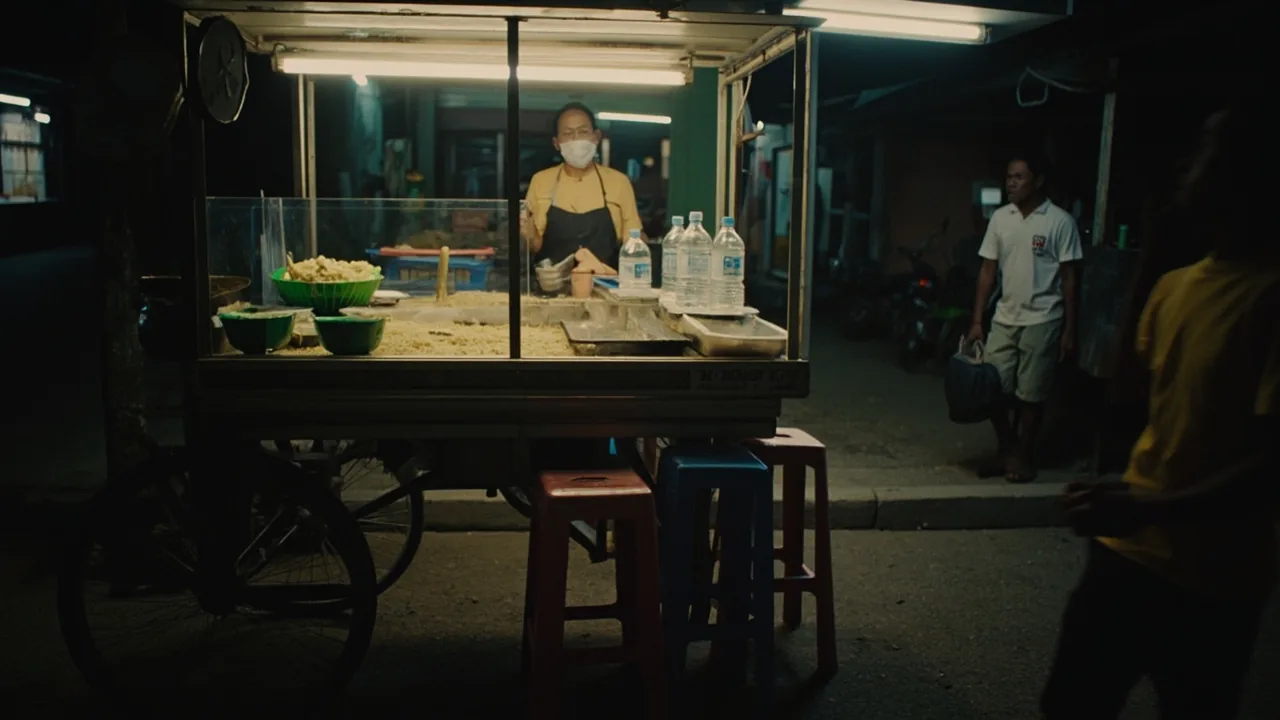
Is street food safe in Myanmar? Yes, mostly. Myanmar street food is one of the most underrated parts of the Southeast Asia corridor. Indian travellers almost always notice the food is cheaper than Thailand. You can eat well here, but treat the water question casually and you may pick up a gut bug. See Sea Backpacking Hub and Best Time Visit Myanmar Cyclone Season Inle Lake for planning.
This guide is practical, regional, and specific to Indian travellers, for someone who is food-curious, budget-conscious, and not interested in eating plain rice for two weeks. You may also find Cat Ba Safety Guide for Solo Travelers Tips Scams Trusted Areas to Stay useful for this trip.
Quick Answers
| What | Answer | Price (INR) |
|---|---|---|
| Is street food safe in Myanmar? | Yes, at busy stalls with high turnover, cooked fresh in front of you. Avoid pre-cooked food sitting out, raw salads, and unpeeled fruit. | , |
| Can you drink the tap water in Myanmar? | No. Always use bottled, filtered, or properly boiled water. Assume ice is made from tap water unless a trusted source confirms otherwise. | 500 MMK per 1.5L bottle |
| What is the most common food-related illness for tourists? | Traveller’s diarrhoea (mostly bacterial, occasionally viral). Usually self-resolves in 24–48 hours with ORS and rest. | , |
| How does Myanmar compare to Thailand/Vietnam/Cambodia for food safety? | Comparable to Cambodia, slightly riskier than Thailand or Vietnam on a strict hygiene basis, but the gap closes quickly if you follow the same stall-selection rules. | , |
| What should I do if I get food poisoning in Myanmar? | ORS + loperamide for symptom control, see a doctor if it lasts over 48 hours, blood in stool, or fever above 38.5°C. | Clinic visit ~30,000-50,000 MMK |
The Real Risks: What to Worry About
The food-and-water risk stack in Myanmar is real, but it ranks below transport, conflict, and a few other things. This is the order I’d worry about them, based on what consistently sends Indian travellers to a clinic.
| Risk | Likelihood | Impact | How to Avoid |
|---|---|---|---|
| Traveller’s diarrhoea from contaminated water/ice | High | Low to Moderate | Bottled or filtered water only; skip ice from unverified sources. |
| Bacterial infection from undercooked meat at roadside stalls | Moderate | Moderate | Stick to fully cooked, hot-off-the-grill food; avoid pre-cooked meat sitting in trays. |
| Hepatitis A (water/food-borne viral) | Low to Moderate | High (lasts weeks) | Get vaccinated before flying out. Two doses give long-term protection. |
| Typhoid (contaminated food/water) | Low | High | Vaccine recommended for longer stays or street-food-heavy trips. |
| Scooter accident (unrelated to food but the headline risk) | High | Severe | Don’t ride without a helmet and an IDP. |
| Severe dehydration from diarrhoea in heat | Moderate | Moderate | Carry ORS sachets from India; rehydrate aggressively. |
The food and water risks are real, but they are also the most controllable. The scooter risk is the one I keep writing guides about because it ends trips.
Prevention and Preparation (Before You Leave India)
A few things you sort out before you fly make the food question almost boring by the time you land.
Vaccines. Hepatitis A is the headline one for any street-food-heavy Southeast Asia trip. Hepatitis B, typhoid, and Japanese encephalitis (if you’re going into rural areas for more than a month) are worth discussing with your travel medicine doctor. Routine boosters (Tdap, MMR) should be current. Our Myanmar vaccinations and health kit guide has the full list.
Your India-side medicine kit. The medicines that matter in Myanmar are mostly the ones you’d find at any chemist in Delhi or Mumbai. Pack:
- ORS sachets (brand names: Electral, ORS-L, Walyte), the single most useful thing you can carry
- Loperamide (brand: Imodium, or cheaper Indian generics), for emergency symptom control, not a cure
- Metronidazole (Metrogyl), for confirmed amoebic dysentery, prescribed by a doctor
- Pantoprazole (Pantocid), for acid reflux if spicy Burmese food hits you wrong
- Paracetamol (Crocin/Dolo), for fever
- A small bottle of hand sanitiser you use before eating
- Probiotics (Enterogermina or generic Bacillus clausii), start a few days before flying
Water purification backup. A SteriPen or a LifeStraw bottle weighs almost nothing and means you can refill from any tap without thinking. Pair it with bottled water at the start and you’ll never worry about the question.
Insurance. Myanmar’s healthcare outside Yangon and Mandalay is thin, and serious cases need medical evacuation to Bangkok or Singapore. Make sure your policy covers both. SafetyWing is the most common one I see Indian backpackers carrying, and it covers emergency evac across Southeast Asia. Get SafetyWing travel insurance, covers Indian travelers from ~$62/month (~₹5,900).
Photocopies and digital backups. Passport, visa, insurance card, vaccine record. WhatsApp yourself a photo, email a copy, keep one physical photocopy separate from the originals. If you do end up in a Yangon clinic, having your blood type and known allergies on your phone saves real time.
Street Food: The Actual Rules That Work
These are the rules I’d give my own sister. None of them are exotic. All of them work.
1. Busy stalls only. A stall with a queue is a stall with high turnover, which means the food has been sitting out for minutes, not hours. Empty stalls can be great. They can also be where the food has been cooling since lunch. The queue is your signal.
2. Watch it get cooked. Mohinga bubbling in the pot, skewers going onto charcoal right in front of you, parathas flipped on a hot tawa. If you can see the raw ingredients and the cooking process, you can trust the result.
3. Skip the cold stuff at stalls. Pre-made salads, raw vegetables, fermented leafy stuff sitting out, cut fruit you didn’t see get cut. Burmese lahpet thoke is delicious but it’s also one of the higher-risk dishes for an uninitiated stomach. Try it on day three, not day one.
4. Peel it, boil it, cook it, or skip it. The old backpacker rule still works in 2026. Fruit you peel yourself (bananas, mangoes), food boiled or fried fresh, cooked-through meat and seafood. Anything else gets a pass.
5. Hands and surfaces. Street vendors in Myanmar are usually clean and many wear aprons, but hand-washing is the variable. Carry a small bottle of sanitiser and use it before eating, even if the stall looks spotless.
6. Ice. The ice question is its own topic (next section).
7. Start slow. Day one, eat at a sit-down place or a well-known local restaurant. Day two, hit the street stalls. Day three, you’re calibrated.
Subodh’s Pro Tip: The single best early indicator of a good street stall in Myanmar is the oil. If the oil in the wok looks fresh and isn’t visibly darkened from hours of use, the stall is busy enough to change oil regularly. Dark oil, slow stall, walk on.
Tap Water and Ice: The Question That Matters
Food choices get all the attention, but the water question is what separates travellers who get sick from travellers who don’t.
Tap water in Myanmar is not safe to drink. Straight, simple, no exceptions. Yangon’s municipal supply has improved over the years, but it is not at a standard an Indian (any) traveller should drink untreated. Use bottled water, filtered water, or water you’ve boiled or sterilised yourself.
Bottled water. Widely available everywhere from Yangon to Inle to Bagan. A standard 1.5L bottle is around 500 MMK at local shops, more at tourist-area restaurants. Check the seal. Refill only from sealed bottles.
Filtered water. A growing number of guesthouses and hostels now have refill stations with proper UV or ceramic filters. Ask. A SteriPen or a Lifestraw bottle in your pack gives you independence from the bottled-water question.
Ice. This is the trap. Ice in Myanmar is often produced locally in small plants, and there is no guarantee it came from purified water. The general rule: ice at a known restaurant chain or a hotel is usually fine. Ice at a roadside stall from an unverified source is a coin flip. If you are early in the trip and your stomach isn’t calibrated, ask. If the server looks confused, skip the ice.
Hot drinks. Burmese tea and coffee are boiled, so safe. Sugar-cane juice from a street cart? Boiled briefly but the glass and the ice are the variable. Bottled or fresh-pressed juice you saw pressed in front of you: fine.
Myanmar vs Thailand vs Vietnam vs Cambodia: How Does It Stack Up?
Indian backpackers routing through the region almost always compare notes, and the food safety comparison is one of the most common conversations at hostels. Here’s the honest read.
| Country | Street Food Hygiene | Tap Water | Indian Traveller Notes |
|---|---|---|---|
| Thailand | Excellent, well-regulated stalls, food hygiene generally a step above | Don’t drink | Bangkok’s food scene is the gold standard; Chiang Mai and Pai are spotless. |
| Vietnam | good, pho and banh mi cooked to order, high turnover | Don’t drink | Northern Vietnam has the cleanest stalls in SEA. |
| Cambodia | Comparable to Myanmar, slightly inconsistent outside Phnom Penh and Siem Reap | Don’t drink | Phnom Penh street food is improving fast but quality varies. |
| Myanmar | Comparable to Cambodia, with some excellent spots and some sloppy ones | Don’t drink | Less tourist infrastructure means you have to rely on your own eyes more. |
The honest read: Myanmar’s street food scene is on par with Cambodia’s, slightly behind Thailand’s and Vietnam’s, and improving year over year. The gap is small if you follow the stall-selection rules above. The gap is large if you eat whatever is put in front of you without looking.
The places in the shortlist below are where the gap closes the most. Kyal Sin Thit (4.7 rating) is a known clean spot for Burmese flavours. Aung Thu Kha Traditional Myanmar Food House (4.2) is popular with locals, which is itself a hygiene signal. Zee Yeik Akyaw Street Food (4.3) has the lively turnover that means fresh food all night.
If you want a familiar fallback, The Moon Vegetarian Restaurant (4.4) and Khaing Shwe Wha Vegetarian Restaurant (4.6) are both plant-based Burmese spots that tend to attract a slightly more health-conscious local crowd. Unique Mandalay Tea Room (4.2) is a calmer option for a light snack and a tea break. For a sit-down Burmese meal, Unique Myanmar Restaurant (4.2) is a steady pick.
For something genuinely different, Bagan Beach Food Garden (5.0) is a riverside barbecue and seafood setup in a lush garden setting, well-reviewed and a good example of a higher-end local food experience if you want a break from the stall circuit.
What to Do If You Get Sick
The realistic scenario: you eat something off, your stomach turns within 12 hours, you spend a day on the toilet, you recover. Most traveller’s diarrhoea is self-limiting. Here’s the protocol.
Step 1: ORS aggressively. One sachet in 1L of bottled or purified water, sip through the day. Dehydration is what hurts you, not the diarrhoea itself. If you can’t keep water down for more than 4 hours, escalate.
Step 2: Loperamide for emergency symptom control. Useful if you need to take a 10-hour bus from Bagan to Inle and can’t afford a stop every 30 minutes. Not a substitute for treatment.
Step 3: Rest and bland food. Plain rice, plain noodle soup, bananas. Avoid dairy, spicy food, alcohol, and caffeine until you have a full day without symptoms.
Step 4: See a doctor if: it lasts more than 48 hours, there’s blood in the stool, fever above 38.5°C, severe abdominal pain, or signs of dehydration (dizziness, dark urine, dry mouth). A basic clinic visit in Yangon or Mandalay runs around 30,000-50,000 MMK. Outside the main cities, clinic quality drops sharply, and serious cases need hospital transfer. Yangon has the best private hospitals (Pun Hlaing, Asia Pacific), Mandalay has a couple of decent options. For a deeper dive, our Myanmar emergency, hospitals and embassy guide covers the full list.
Step 5: Antibiotics only by prescription. Metronidazole (for amoebic dysentery) and ciprofloxacin or azithromycin (for bacterial) require a doctor. Self-prescribing is common among backpackers and usually fine, but if you’re not improving in 48 hours, get seen.
Safety Alert: If symptoms escalate fast (high fever, bloody stool, inability to keep water down), do not wait. Get to a clinic in Yangon or Mandalay, or contact your insurance for evacuation. The healthcare gap between the main cities and rural Myanmar is the single biggest reason medical insurance matters here.
Indian-Specific Considerations
Indian embassy. The Embassy of India in Yangon is at 15-19, University Avenue Road, Bahan Township, Yangon. Phone: +95-1-391-410, +95-1-391-411. Emergency number outside office hours is on the embassy’s official site. Keep this saved on your phone and on a piece of paper in your wallet.
Hospitals and clinics. For anything non-trivial, go to a private hospital. Public hospitals in Myanmar are under-resourced and the language barrier is steeper. Pun Hlaing International Hospital in Yangon is the most common referral for foreign travellers. Mandalay has a smaller private hospital scene. Outside these two cities, your real option for serious issues is medical evacuation.
What a clinic visit costs. A general consultation at a private clinic runs 30,000-50,000 MMK. Blood tests and stool tests add to this. A basic IV drip for rehydration can be 20,000-40,000 MMK. Hospital admission, if needed, can run several hundred thousand MMK per night. This is exactly why insurance matters.
Medicines from India. Most Indian brand names work. Paracetamol is paracetamol. ORS is ORS. Bring a small personal kit and you’ll save both money and the time of trying to explain what Pantocid is to a Burmese pharmacist.
Vegetarian food. Myanmar is not as vegetarian-friendly as Thailand or Vietnam, but it is improving. The Moon Vegetarian Restaurant, Khaing Shwe Wha, and a few dhaba-style Indian spots in Yangon and Mandalay keep Indian vegetarians fed. Use them when you need a dal-rice break, not as your default.
Getting Connected
Working data is the fastest way to call for help, pull up an embassy number, or Google-translate a menu. Local SIMs are cheap (1,500-3,000 MMK for a tourist pack with 5-10 GB) and available at the airport and at any MPT, Ooredoo, or Telenor store. Bring your passport.
For a faster setup that doesn’t require finding a store, an eSIM lets you activate a Myanmar data plan before you land. Get Nomad eSIM is the option I usually point people to, especially if you’re connecting onward from Bangkok and don’t want to spend your first morning in Yangon hunting for a SIM kiosk.
FAQ
Do I need a yellow fever vaccine for Myanmar?
No, yellow fever is not a risk in Myanmar and the vaccine is not required for entry from India. Yellow fever vaccination is only required if you’re coming from a country with risk of yellow fever transmission (mostly parts of Africa and South America). For Myanmar, focus your vaccine budget on Hepatitis A, typhoid, and any routine boosters you’re missing.
Is tap water safe to drink in Myanmar?
No. Don’t drink it. Use bottled water (500 MMK per 1.5L), filtered water, or boiled water. Ice from unverified sources is also risky. The same rule applies across Thailand, Vietnam, Cambodia, and Laos, by the way.
Which is safer for Indian travellers: Myanmar or Thailand street food?
Thailand, by a clear margin. Thailand’s food hygiene standards are the most developed in the region, the stall culture is regulated, and the supply chains are cleaner. Myanmar is comparable to Cambodia. Both are fine if you follow the stall-selection rules. If your stomach is sensitive or you’re new to Southeast Asia street food, Thailand is the gentler entry point.
Can I eat Mohinga safely? It looks like it sits out all day.
Mohinga is the national dish, a fish-based noodle soup, and yes, the pot is usually simmering all day, which is the point. Long-simmered broths at busy stalls are safer than they look because the boil kills bacteria continuously. The risk with mohinga is less the broth and more the garnishes (raw herbs, raw vegetables, lime) and the noodles (which can sit in water). Ask for the broth piping hot, skip the raw garnishes on day one, and you’ll be fine.
What about Hepatitis A? Should I get the vaccine before going?
Yes. Hepatitis A is transmitted through contaminated food and water, is the most common vaccine-preventable food-borne illness for Southeast Asia travellers, and the vaccine is a two-dose series that gives long-term (lifelong) protection. The first dose protects you for the trip. The second dose, given 6-12 months later, extends coverage to decades. If you’ve never had the vaccine, get the first dose at least two weeks before flying out.
Is it safe to eat street food in Yangon vs Mandalay vs Bagan?
Yangon has the most developed street food scene and the highest concentration of reliable stalls. Mandalay is close behind and is famous for its tea-shop breakfast culture. Bagan’s food scene is smaller and more tourist-oriented, with less variance in quality. Outside these main hubs, options thin out fast and you end up eating at your guesthouse more often. All three are safe by the same rules.
What’s the safest food for an Indian vegetarian in Myanmar?
Rice and dal at the Indian restaurants, vegetable curries at The Moon Vegetarian Restaurant or Khaing Shwe Wha, and the broader category of cooked Burmese vegetable dishes (shan tofu, fried greens, lentil soup). Avoid raw salads and fermented leafy dishes for the first few days. Myanmar’s vegetarian scene is smaller than Thailand’s but it has improved noticeably in recent years.
Subodh’s Take
Myanmar’s street food is genuinely good and most Indian travellers eat their way through the country without a single sick day. The ones who do get sick almost always trace it back to water or ice they didn’t think twice about, not to the food itself. Stick to bottled water, eat at busy stalls, watch your food get cooked, and don’t stress the rest. That’s the whole playbook. Myanmar is one of the food highlights of the region if you treat it with the same care you’d use anywhere unfamiliar.