Visiting the Philippines in September: Weather, Crowds, Prices & Events
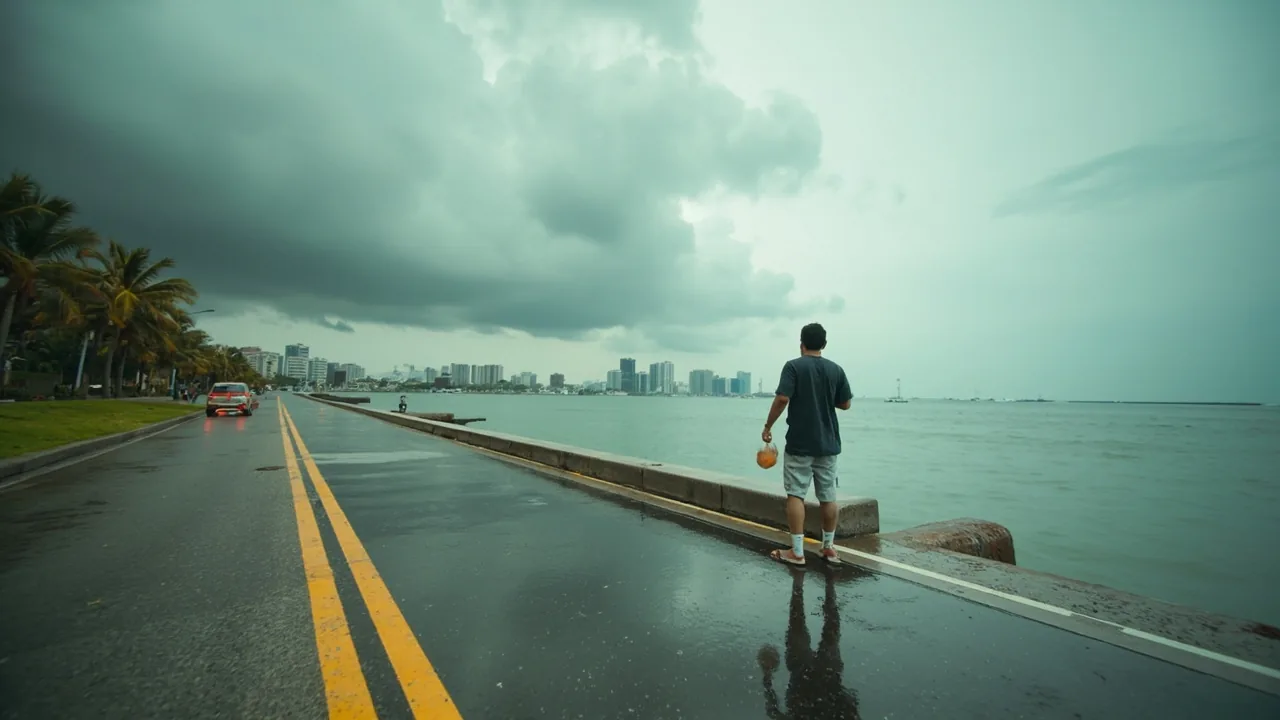
September is the riskiest month to plan a Philippines trip around, and the month where your itinerary flexibility matters more than your packing list. Rain is not a question of “if” but “how long” and “which islands get spared.” For Indian backpackers weighing a last-minute monsoon-season deal, the honest answer is: yes, you can have a good trip, but only if you keep the first three days refundable and you don’t push deep into remote islands where ferries stop running. For related planning, see our guide on Sea Backpacking Hub.
If your dates are firm and you cannot absorb a one-day delay, look at October or November instead. If you can roll with weather windows and you want the cheapest dorm beds of the year, September is hard to beat on price. Read on for the full breakdown.
Subodh’s Pro Tip: Book your Manila hotel for at least the first two nights with free cancellation. Most flight cancellations during September are 12-24 hour delays, not full cancellations, and a refundable hotel means you can rebook domestic flights or ferries without losing money.
Quick Answers
| What | Answer | Price (INR) |
|---|---|---|
| Is September a good time to visit the Philippines? | Risky, but workable for flexible itineraries | — |
| Typhoon season severity | Peak month. 4-6 typhoons enter PAR in an average year | — |
| Average rainfall (Manila) | 330-420 mm in September, second-wettest of the year | — |
| Flight from India (round trip) | Cheapest window of the year | ₹22,000-₹30,000 (~$228.36-$311.40) |
| Hostel dorm bed (Manila) | Low season floor | ₹400-₹900 (~$4.15-$9.34) |
Month-by-Month Breakdown for the Philippines
This table covers the rainfall-and-typhoon curve from the dry-season peak into the September wet peak and back out. Use it to see how September compares to the months around it.
| Month | Weather | Crowds | Cost Level | Verdict |
|---|---|---|---|---|
| January | Dry, 27-30°C, cool nights | High | Peak (₹₹₹) | Best weather, expect crowds |
| February | Dry, 28-31°C | High | Peak (₹₹₹) | Still excellent, slightly less crowded |
| March | Hot and dry, 30-33°C | Medium-high | Peak (₹₹) | Hot season starts, fewer rains |
| April | Hottest, 32-35°C | Medium | Shoulder (₹₹) | Hot but dry, Holy Week spikes prices |
| May | Hot, scattered showers begin | Medium | Shoulder (₹₹) | Rain starts returning to the east |
| June | Wet west, east still dry | Low | Shoulder (₹) | Eastern islands (Siargao, Batanes) peak |
| July | Heavy rain, west monsoon | Low | Low (₹) | Cheapest flights, gloomy skies |
| August | Peak southwest monsoon | low | Low (₹) | Siquijor and inner Visayas risky |
| September | Peak typhoon season | Lowest | Lowest (₹) | Cheapest, most disruption risk |
| October | Typhoon tail, recovering | Low | Low (₹) | Eastern islands reopen late-month |
| November | Dry season begins | Medium-high | Shoulder (₹₹) | Best balance of weather and price |
| December | Cool dry, 26-29°C | High | Peak (₹₹₹) | Christmas and New Year peaks |
September sits at the bottom of the price curve because it sits at the top of the weather risk curve. The 50-60% drop in accommodation prices versus December isn’t charity, it’s the market pricing in real typhoon exposure.
September in the Philippines: Pros and Cons
Pros:
- Lowest flight and accommodation prices of the year, often 40-50% below December rates
- Empty beaches even at the most popular spots like Boracay and Palawan
- Lush green landscapes, waterfalls run at full volume, rice terraces are at their greenest
- Local tourist operators often offer discounted packages to fill empty slots
- Visa-free 30-day entry for Indian passport holders means no advance paperwork
Cons:
- Peak typhoon season, with PAGASA tracking an average of 4-6 cyclones entering or forming in the Philippine Area of Responsibility
- Ferry cancellations between islands are common, especially for routes like Manila-Cebu or Cebu-Siargao
- Day trips to island chains (El Nido tours, Coron Ultimate Tour) can be cancelled 24-48 hours out
- Flash flooding in Manila and Cebu city after 2-3 hours of sustained rain
- Some smaller island-hopping operations (Bantayan, Camiguin) close for maintenance in low season
The honest reality: most September days in the Philippines are not “lost” to rain. A typical rainy day starts clear, builds clouds around 11am, drops heavy rain for 2-4 hours in the afternoon, and clears by evening. What makes September risky is the 1-in-7 chance of a typhoon day, where rain lasts 12-24 hours and ferries stop. Travellers with a fixed 5-day Manila itinerary rarely notice this. Travellers with a 14-day island-hopping plan will hit at least one disruption.
Safety Alert: Check your government’s official travel advisory before booking. The Indian Ministry of External Affairs publishes country-specific advisories at mea.gov.in, and typhoon-tracking from PAGASA (the Philippine weather agency) is updated every 6 hours during active weather systems.
For Indians planning this trip, the 30-day visa-free entry makes September far easier than destinations requiring advance visa applications. You can decide at the last minute based on the weather forecast for your specific week. If you need more time, the Bureau of Immigration extends tourist visas for PHP 3,030 (~₹4,330) per month, and there’s a separate airport terminal fee of PHP 550-850 (~₹825-1,275) you’ll pay at the Manila or Cebu airport on departure.
Where to Stay in September
Dorm prices in September hit the floor of the year’s range. The hostels below have the strongest reputations for both value and typhoon-season flexibility (free cancellation, dry common areas, generator backup for power outages).
If you need a vegetarian-friendly base in Manila, hostels in the Ermita and Malate districts put you within 15 minutes of several Indian restaurants including Biryanista and Agni - By Mantra. For Cebu, base yourself near Colon Street or IT Park, both of which have Indian food within walking distance.
| City | Hostel | Dorm Range (Local) | Book |
|---|---|---|---|
| Manila | A centrally located budget hostel near Intramuros | 270-600 PHP | Check prices |
| El Nido | A beachfront hostel in Corong-Corong | 400-940 PHP | Check prices |
| Siargao | A hostel within 10 minutes of Cloud 9 surf break | 330-800 PHP | Check prices |
| Cebu | A hostel near IT Park or Colon Street | 270-530 PHP | Check prices |
| All dorm ranges above are taken from the standard low-season baseline. September sits at the bottom of this range, so you can often negotiate the lower end, especially for stays of 4+ nights at smaller properties. |
Subodh’s Pro Tip: If your itinerary is Manila-only, hostels in Malate and Ermita give you the most weather flexibility because the LRT-1 line and taxi supply keep moving during most typhoon-related flooding. Ermita-adjacent dorms around PHP 350-500 (~₹500-720) include free breakfast and a generator, which matters more than a pool during typhoon season.
What to Pack Specifically for September
Standard “tropical” packing lists fail in September. You need rain-rated gear, fast-drying fabrics, and electronics protection. Here’s what matters:
- Dry bag 10-20L: For day trips and ferry crossings. A backpack rain cover is not enough on a typhoon-day boat ride.
- Quick-dry shirts (2-3): Cotton stays wet for hours. Quick-dry poly or merino dries in 30 minutes.
- Waterproof shoes or sandals: Closed shoes get soaked. Keens, Tevas, or similar drainage sandals handle flooded streets.
- Power bank 10,000+ mAh: Typhoon-related brownouts last 2-8 hours. Charging points may be down.
- Microfiber towel: Even hostels with good towels can’t always dry them during multi-day rain.
- Light rain shell: Ponchos tear. A proper packable rain jacket (Decathlon Forclaz at ~₹1,500 (~$15.57) is fine) lasts longer.
- Refillable water bottle: Floodwater makes bottled water scarce. Filtered tap stations (Water stations at 7-Eleven cost PHP 5-10 per refill) stay open during most weather.
Skip: heavy jeans, leather shoes, anything that can’t be wrung out and hung to dry in a humid room.
Season Costs Comparison
The 40-50% savings on September versus December is real. Here’s the realistic breakdown for an Indian backpacker on a 10-day Philippines trip:
| Item | Peak Season (Dec-Feb) | Shoulder Season (Mar-May, Oct-Nov) | Low/Monsoon (Jun-Sep) |
|---|---|---|---|
| Flight (from India, round trip) | ₹35,000 (~$363.30) | ₹25,000 (~$259.50) | ₹22,000-₹30,000 (~$228.36-$311.40) |
| Dorm Bed (per night, Manila) | ₹900-₹1,400 (~$9.34-$14.53) | ₹600-₹1,100 (~$6.23-$11.42) | ₹400-₹900 (~$4.15-$9.34) |
| Private Room | ₹2,500-₹4,000 (~$25.95-$41.52) | ₹1,800-₹2,800 (~$18.68-$29.06) | ₹1,200-₹2,000 (~$12.46-$20.76) |
| El Nido Island Tour A | ₹2,800-₹3,500 (~$29.06-$36.33) | ₹2,000-₹2,800 (~$20.76-$29.06) | ₹1,500-₹2,200 (~$15.57-$22.84) |
| Local Meal (karinderya) | 120-180 PHP | 100-150 PHP | 80-130 PHP |
The El Nido Tour A drop is the cleanest example of September pricing: tour operators cut prices by 30-40% to fill boats that would otherwise run empty. Same tour, same route, same lunch, lower price.
Subodh’s Pro Tip: For Indian travelers, dorm beds at PHP 350-500 (~₹500-720) in Manila and PHP 400-600 (~₹575-860) in Cebu are common in September if you book direct with the property through WhatsApp rather than via Booking.com or Hostelworld. Most hostels offer this and drop the platform commission by 10-15%.
Getting Connected
A working SIM and data connection lets you check PAGASA typhoon bulletins every 6 hours and rebook ferries the moment a cancellation is announced. Globe and Smart both sell tourist SIMs at Manila, Cebu, and other major airports for PHP 40-150 (~₹575-2,150) depending on data allowance and validity.
For travelers who want to skip the airport counter, Get Nomad eSIM activates before you fly and works across all three major Philippine carriers. Data coverage during typhoons is generally more reliable than your hotel WiFi.
Typhoon Tracking: What Happens
PAGASA classifies incoming weather into four stages:
- Tropical Depression: Winds 30-60 km/h. Rain, some flight delays, no major disruption.
- Tropical Storm: Winds 61-88 km/h. Ferry cancellations start, some domestic flights delayed.
- Severe Tropical Storm: Winds 89-117 km/h. Most domestic flights cancelled, classes suspended in affected regions, work-from-home declarations.
- Typhoon: Winds 118+ km/h. Full transport shutdown in affected provinces, airport closures possible for 6-24 hours.
September averages 3-4 typhoons entering or forming in the Philippine Area of Responsibility. Most make landfall in Luzon (northern Philippines) rather than Visayas or Mindanao. Travellers planning to spend most of their time in Cebu, Bohol, or Siargao have lower exposure than Manila-heavy itineraries.
The local response is well-organized. Within 30 minutes of a typhoon signal being raised, you’ll see SMS alerts from your carrier, announcements on hotel TVs, and Grab/Angkas suspending service in affected zones. The risk for tourists isn’t the typhoon itself, it’s showing up at the airport for a flight that’s been cancelled 4 hours earlier without checking.
What to Eat in September (Even When It’s Raining)
When the rain starts and you don’t want to leave the hostel, food delivery still works for most of the day. Local options worth knowing:
- Kantina Manila in Manila is known locally for its sisig and adobo. A full meal with rice runs around PHP 200-300 (~₹290-430). This is one of the few spots where the “Filipino classic” version is worth ordering, not the tourist menu.
- Leandro’s Bistro is a good rainy-day pick in Cebu and other Visayan cities, with hearty Filipino dishes that hold up during power dips.
- The New White Gold House Rest offers budget-friendly local cuisine and works well for travelers who want a simple PHP 80-150 meal (~₹115-215) when budgets are tight.
For vegetarian Indian travelers:
- Biryanista in Manila specializes in Hyderabadi biryanis. The chicken and vegetable biryanis run around PHP 350-500 (~₹500-720). Strict-veg travelers should call ahead and confirm the veg version uses a separate pan.
- Seven Mannah Indian Fusion Food offers Indian fusion at PHP 300-500 per person (~₹430-720). The chicken biryani is the recurring pick in reviews, but veg options like paneer tikka and dal are also well-rated.
- Agni - By Mantra in Manila is the upscale choice, with North Indian dishes in a modern setting. Count on PHP 600-1,000 per person (~₹860-1,430) for a full meal.
If you’re in Siquijor, Hill-Top Cuisine offers panoramic views and is one of the few places in the central Visayas where you can get both local Filipino and basic vegetarian options in the same spot.
For more on Filipino food and island-to-island planning, see our Philippines month-by-month guide for August, which has a similar rainy-season profile.
Getting Around During Typhoon Season
Domestic flights are the most reliable way to skip weather disruption. The major routes and their September patterns:
- Manila to Cebu: Philippine Airlines, Cebu Pacific, and AirAsia run 6-10 daily flights. Roughly 1 in 4 flights in September runs 30-60 minutes late. Full typhoon-day cancellations affect 1 in 8 flights on average.
- Cebu to Siargao: Cebu Pacific runs 1-2 daily. This route has the highest cancellation rate in September. If the typhoon forecast is orange or red for your travel day, book the day before.
- Manila to El Nido: AirSWIFT runs daily. Smaller planes mean stricter weather minimums. Typhoon Signal #2 causes full cancellation.
- Manila to Coron: Cebu Pacific runs 2-3 daily. Generally reliable, but the smaller Coron airport closes earlier than Manila during storms.
Book transport on 12go using their flexible booking options where available. Ferry routes (Cebu to Tagbilaran, Cebu to Cagayan de Oro, Manila to Coron via 2GO) cancel more frequently than flights and offer less rebooking flexibility.
Safety Alert: Renting a scooter in typhoon-season Philippines adds risk that doesn’t exist in dry months. Wet asphalt, flooded intersections, and reduced visibility mean a single September trip is statistically more dangerous than the same route in March. See our scooter rental safety guide before deciding.
Events and Festivals in September
September isn’t a peak event month for the Philippines, but two things matter:
- Month of the Modern Hero (August-September): A recognition month for Filipino overseas workers, with events concentrated in Manila and major provincial capitals. No travel impact, but Manila hotels occasionally book up around late-September ceremonies.
- Feast of San Pedro (Sept 29): Localized celebrations in coastal towns, including general food and music. Worth experiencing if you’re already in a smaller coastal town, not worth planning a trip around.
- Bar Exams Week (varies): Manila sees a spike in mid-range hotel prices during the bar exam week, which falls in different weeks of September each year. Check the Supreme Court calendar if you’re booking Manila in the second half of the month.
For November-onwards travel, see our November Philippines guide for the start of the dry season and major festival season including the MassKara Festival in Bacolod.
Daily Budget for September
A typical day in the Philippines in September costs an Indian backpacker:
| Item | Cost (Local) | Notes |
|---|---|---|
| Dorm bed | 300-500 PHP | Cheapest floor of the year |
| Three local meals | 250-400 PHP | Karinderya + sari-sari store snacks |
| Two jeepney rides | 30-50 PHP | Within Manila or Cebu city |
| One tuk-tuk or Grab | 80-150 PHP | Short intercity hop |
| One drink (San Miguel, local) | 50-80 PHP | At a sari-sari store |
| One eSIM data day | 80-150 PHP | Or use free hostel WiFi |
| Total per day | 790-1,330 PHP (~₹1,130-1,910) |
That’s the daily floor in September, including a buffer for a missed ferry rebooking or an unexpected Grab trip during typhoon-related transit. At current rates (1 PHP ≈ 1.44 INR right now), 1,000 PHP ≈ ₹1,440.
For solo female travelers, our Philippines solo female safety guide covers the September-specific changes in movement patterns, including which areas to avoid after dark during heavy rain (poorly lit flooded streets are a robbery risk).
FAQ
Is September typhoon season in the Philippines? Yes. It’s the peak month for typhoons, with PAGASA tracking an average of 4-6 cyclones entering the Philippine Area of Responsibility. Most months see fewer systems, but the intensity is concentrated in August-September.
Will my September trip to the Philippines get cancelled? The trip itself won’t cancel, but specific legs might. Budget for at least one rebooking per 7-day itinerary. Cebu Pacific and Philippine Airlines allow rebooking for a PHP 1,500-2,500 fee (~₹2,150-3,580) depending on fare class.
Which islands are safest in September? The central Visayas (Cebu, Bohol, Siquijor) and parts of Mindanao (Davao) have the lowest historical typhoon landfall rates. Manila, northern Luzon, and the Batanes islands take the most direct hits. The eastern seaboard (Siargao, eastern Mindanao) gets affected by typhoons but less than Luzon.
Are flights cheaper in September? Yes. Manila round trips from India run ₹22,000-₹30,000 (~$228.36-$311.40) in September versus ₹35,000 (~$363.30)+ in December. Domestic Cebu Pacific flights within the Philippines drop 30-40% on weekdays.
Can I still go island-hopping in El Nido in September? Yes, but with a caveat. Tours A, B, C, and D run year-round. September cancellations affect 15-25% of bookings, usually on days with tropical storm warnings. Tours can be rebooked for the next dry day at the same operator, often at no charge.
Is Boracay worth visiting in September? Boracay is open in September and quieter than peak months. White Beach is still walkable, restaurants stay open, and Puka Shell Beach and Diniwid are nearly empty. The risk is on water sports: parasailing and island-hopping cancel more often than in dry months. Prices for beachfront hotels drop 40-50% versus December.
What’s the difference between September and October? October is the recovery month. Typhoon frequency drops by 30-40%, prices stay low for the first three weeks, and the eastern islands (Siargao, Batanes) start reopening late-month. October is the better choice if you’re locked into specific dates and want lower typhoon exposure.
Subodh’s Take
September is the cheapest month of the year to visit the Philippines, and that price gap is the cleanest indicator that the weather risk is real. Travellers who book a 7-10 day trip with flexible internal flights and at least one buffer day per island will do fine and pay half what December visitors pay. Travellers who book a tightly-packed island-hopping itinerary with non-refundable ferries will spend their trip at the airport rebooking. The deciding factor isn’t budget, it’s flexibility. If you can free up your schedule two weeks before departure, September is the best deal of the year. If your dates are fixed, push to November.
