Visiting Vietnam in August: Weather, Crowds & Prices (Full Guide)
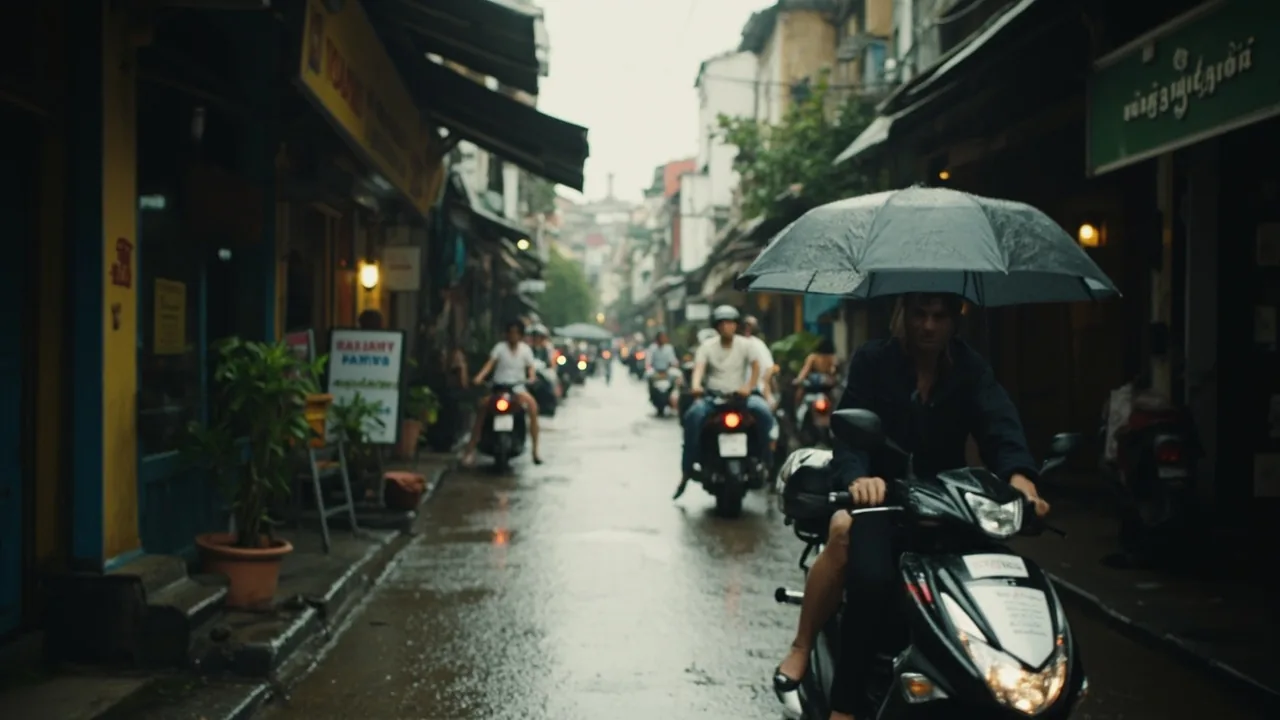
August splits Vietnam down the middle. The north is in the middle of its monsoon: Hanoi gets daily downpours, Halong Bay turns grey and choppy, and Sapa is a wet, slippery version of its usual self. The south, meanwhile, is dry, sunny, and 32°C. Ho Chi Minh City, the Mekong Delta, Phan Thiet, Mui Ne, and the southern beaches all do their best work in August. Central Vietnam (Hoi An, Da Nang, Hue) sits between the two: typhoon risk rises late in the month, but early August is often still fine. For related planning, see our guide on Sea Backpacking Hub.
For an Indian traveller booking in July for a same-month departure, this split matters more than any other variable. Pick the wrong region and you spend your week staring at puddles. Pick the right one and you get the cheapest hostel rates of the year and warm, dry days. Below is the breakdown.
Quick Answers
| What | Answer | Price (INR) |
|---|---|---|
| Is August a good time to visit Vietnam? | Yes for the south, risky for the north, mixed for the centre | , |
| North Vietnam weather in August? | Heavy monsoon rain, 28-32°C, daily afternoon showers | , |
| South Vietnam weather in August? | Dry season, 30-33°C, mostly sunny with short showers | , |
| Cheapest month for hostels? | Yes, low-season rates across the country | ₹661-₹1,322 (~180,000-360,000 VND or ~$6.86-$13.72) |
| Vietnam e-Visa fee for Indians? | ₹2,408 (~25 USD), apply online 3 days before travel | ~₹2,413 (~$25.05) |
Month-by-Month Breakdown
Vietnam does not have one weather pattern. It has three running at once, and August is the month where the gap between them is widest. The table below shows the whole year so you can see where August sits.
| Month | North (Hanoi) | Central (Hoi An/Da Nang) | South (HCMC) | Crowds | Cost (₹/night dorm) | Verdict |
|---|---|---|---|---|---|---|
| January | Cool, 15-20°C, dry | Mild, 20-24°C, occasional rain | Dry, 25-30°C | High (Tết push) | ₹700-₹1,400 (~$7.27-$14.53) | Best weather, book early |
| February | Cool, 16-21°C, dry | Mild, 21-25°C, light rain | Dry, 26-31°C | High | ₹700-₹1,400 (~$7.27-$14.53) | Tết week is chaos, avoid 8-14 Feb |
| March | Warming, 19-24°C, light rain | Warming, 23-27°C, dry | Hot, 27-32°C, dry | High | ₹800-₹1,500 (~$8.30-$15.57) | Spring, popular |
| April | Warm, 22-28°C, showers | Hot, 25-30°C, dry | Hot, 28-33°C, dry | high | ₹800-₹1,500 (~$8.30-$15.57) | Reunification Day crowds |
| May | Hot, 26-32°C, rain rising | Hot, 27-32°C, dry | Wet season starts, 28-33°C | Medium | ₹700-₹1,200 (~$7.27-$12.46) | South turns wet |
| June | Hot, 28-33°C, monsoon | Hot, 28-33°C, dry spells | Wet, 27-32°C, daily showers | Low | ₹500-₹1,000 (~$5.19-$10.38) | South monsoon, north still fine |
| July | Hot, 28-33°C, full monsoon | Hot, 28-33°C, typhoon watch | Wet, 27-31°C | Low | ₹500-₹1,000 (~$5.19-$10.38) | Cheapest month, wet both ends |
| August | Hot, 28-32°C, monsoon peak | Hot, 28-33°C, typhoon risk | Dry, 27-32°C | Lowest | ₹500-₹1,000 (~$5.19-$10.38) | Best for south, worst for north |
| September | Cooling, 26-30°C, rain easing | Hot, 27-32°C, typhoon peak | Wet, 27-31°C | Low | ₹500-₹1,000 (~$5.19-$10.38) | Avoid central coast |
| October | Cool, 22-27°C, dry | Cooling, 24-28°C, rain easing | Wet, 26-30°C | Rising | ₹600-₹1,100 (~$6.23-$11.42) | North reopens |
| November | Cool, 18-23°C, dry | Mild, 22-26°C, rain easing | Wet, 25-29°C, rain easing | Medium-high | ₹700-₹1,300 (~$7.27-$13.49) | North peaks, south still wet |
| December | Cold, 14-19°C, dry | Cool, 20-24°C, occasional rain | Drying, 25-30°C | High | ₹700-₹1,400 (~$7.27-$14.53) | Winter season begins |
The numbers above are pulled from the Vietnam weather by month and region guide, which has the longer breakdown if you want to dig into a specific province.
August in Vietnam. Pros and Cons
Pros:
- South Vietnam at its best: dry, sunny, warm seas from HCMC down to Mui Ne and Phu Quoc
- Cheapest dorm beds of the year across the country (₹661-₹1,322 (~180,000-360,000 VND or ~$6.86-$13.72) in Hanoi)
- Hanoi and the north are quiet, no Western summer crowds
- Phong Nha and the central caves are still accessible, the rivers run high so cave trips feel different
- August is peak mango season in the Mekong Delta
Cons:
- North Vietnam monsoon is at its heaviest, Halong Bay trips get cancelled when seas exceed 1.5 m swells
- Central coast typhoon risk climbs late in the month, watch the forecast if you have fixed flights
- Hanoi humidity sits at 80%+ every afternoon, clothes stay damp
- Some Hanoi homestays and Sapa treks pause operations or run at reduced capacity
- Hue and Da Nang can get hit by flooding even outside typhoon direct landfall
What happens on the ground
The split-region thing is the headline. Travellers report that Hanoi in August is humid and grey, with afternoon thunderstorms rolling in around 3-4 PM that last 90 minutes to three hours, then clearing for the evening. The Old Quarter drains well, but the side streets around St. Joseph’s Cathedral and the train street puddle up. Halong Bay cruises run, but operators cancel the overnight boats on rough-weather days, and day cruises get rerouted to the calmer Lan Ha side.
Ho Chi Minh City, by contrast, is in its dry season. Expect 30-33°C, 60-70% humidity (lower than Hanoi), and rain only on the occasional late-afternoon day. District 1’s cafés are full of Korean and Chinese tourists on package tours, but backpacker hostels in District 4 and along Bui Vien stay quiet and cheap. Phu Quoc is in its peak dry window, with calm Gulf of Thailand water and snorkeling season running at full capacity. Mui Ne has steady offshore winds for kitesurfing.
Central Vietnam is the wild card. Hoi An in early August often still works, with the Thu Bon River calm enough for lantern boat rides. By the last week of the month, typhoon formation in the East Sea picks up, and even storms that do not make direct landfall push rain bands and rough surf into Da Nang and Hue. Check the Vietnam typhoon and flooding risk guide if your trip overlaps with the last ten days of August.
Where to Go in August (and Where to Skip)
Go: Ho Chi Minh City, Mekong Delta, Phan Thiet, Mui Ne, Phu Quoc, Dalat (mild highland weather), Hanoi (if you don’t mind rain), Phong Nha.
Skip or push to September/October: Halong Bay (rough seas), Sapa (slippery trails, leeches), Hue (typhoon risk), Hoi An (typhoon risk late month).
If you want a full country loop in August, route it south-to-north: land in HCMC, work your way up the coast slowly, and end in Hanoi with a buffer day before flying out. Going north-to-south is the wrong order, because you’d hit Hanoi at the start (wet) when you have the most flexibility, then Da Nang and Hoi An later when typhoon risk is worst.
For a fuller breakdown on the central coast, see the Hue typhoon and flooding risk guide.
What to Pack Specifically for August
- Quick-dry shirts and pants, cotton stays damp in Hanoi humidity for hours
- Packable rain jacket or poncho. Hanoi gets 200-300 mm of rain across the month, mostly in 90-minute bursts
- Dry bag for electronics, 5-10 litre dry bag, not the 50L kayak kind, fits a phone, power bank, passport, and a change of socks
- Closed-toe shoes with grip. Sapa, Phong Nha, and even Hanoi pavements get slick
- Mosquito repellent with DEET, north Vietnam mosquito pressure peaks in the monsoon
- Sunscreen SPF 50+, south Vietnam UV is strong even with cloud cover
- Light fleece or hoodie. Dalat nights drop to 15°C, and Hanoi AC in cafes and buses runs cold
Do not bother packing heavy winter gear, even if you’re from Delhi. August is warm everywhere except Dalat and Sapa at night.
August Costs Compared to Peak Season
Prices below are pulled from the dorm bed ranges in Vietnam weather by month, which track the same hostel inventory across the year.
| Item | Peak Season (Dec-Feb) | Shoulder (Mar-May, Oct-Nov) | Low/Monsoon (Jun-Sep) |
|---|---|---|---|
| Round-trip flight from India (Delhi/Mumbai-HCMC) | ₹28,000-₹38,000 (~$290.64-$394.44) | ₹22,000-₹30,000 (~$228.36-$311.40) | ₹15,000-₹22,000 (~$155.70-$228.36) |
| Hanoi dorm bed (per night) | ₹918-₹1,652 (~250,000-450,000 VND or ~$9.53-$17.15) | ₹734-₹1,395 (~200,000-380,000 VND or ~$7.62-$14.48) | ₹661-₹1,322 (~180,000-360,000 VND or ~$6.86-$13.72) |
| Hoi An dorm bed (per night) | ₹734-₹1,469 (~200,000-400,000 VND or ~$7.62-$15.25) | ₹551-₹1,102 (~150,000-300,000 VND or ~$5.72-$11.43) | ₹386-₹881 (~105,000-240,000 VND or ~$4-$9.15) |
| HCMC dorm bed (per night) | ₹808-₹1,469 (~220,000-400,000 VND or ~$8.39-$15.25) | ₹661-₹1,285 (~180,000-350,000 VND or ~$6.86-$13.34) | ₹551-₹1,212 (~150,000-330,000 VND or ~$5.72-$12.58) |
| Da Nang dorm bed (per night) | ₹734-₹1,395 (~200,000-380,000 VND or ~$7.62-$14.48) | ₹588-₹1,138 (~160,000-310,000 VND or ~$6.10-$11.82) | ₹441-₹991 (~120,000-270,000 VND or ~$4.57-$10.29) |
| Bowl of pho (street stall) | ₹129-₹184 (~35,000-50,000 VND or ~$1.33-$1.91) | ₹110-₹165 (~30,000-45,000 VND or ~$1.14-$1.72) | ₹92-₹147 (~25,000-40,000 VND or ~$0.95-$1.52) |
| Banh mi | ₹73-₹110 (~20,000-30,000 VND or ~$0.76-$1.14) | ₹55-₹92 (~15,000-25,000 VND or ~$0.57-$0.95) | 12,000-20,000 VND |
For context on the exchange rate, 1 INR ≈ 270 VND at time of writing. That is the rate to use when you mentally convert a 200,000 VND hostel bed into rupees.
Flights are the biggest variable. Booking a Delhi-HCMC round trip two weeks out in August will land you in the ₹15,000-₹22,000 (~$155.70-$228.36) range, half what the same seat costs in January.
Getting Connected
A working SIM is more useful in August than in most months, because you’ll be refreshing rain radar and typhoon-track pages daily. The standard tourist SIM from Viettel or Mobifone at the HCMC or Hanoi airport counter runs around ₹734-₹1,102 (~200,000-300,000 VND or ~$7.62-$11.43) for 7-10 days of data. Bring your passport, they activate it at the counter in five minutes. If you want to land already connected, Get Nomad eSIM works on most Indian-unlocked phones and activates the moment you hit Saigon or Hanoi’s tarmac.
Visas for Indians in August
The Vietnam e-Visa is unchanged across months. Indian passport holders apply online at the official portal (https://evisa.xuatnhapcanh.gov.vn), pay ₹2,408 (~25 USD), and get a 90-day multiple-entry visa back in three working days. Apply at least a week before your flight to leave buffer for photo upload rejections (4x6 cm white background, taken within six months).
There is no visa-on-arrival for Indians anymore, the e-visa is the only route. For the full India-Vietnam visa checklist, see Best Time to Visit Vietnam.
FAQ
Is August the worst month to visit Vietnam? Not for the whole country, no. It is the worst month for north Vietnam (Hanoi, Halong Bay, Sapa) because of monsoon rain. It is one of the best months for south Vietnam (HCMC, Mekong, Phu Quoc, Mui Ne) because of the dry season. Central Vietnam sits in between, with early August usually fine and late August risky for typhoons.
Can I do Halong Bay in August? Day cruises and Lan Ha Bay (the quieter alternative on the other side of Cat Ba island) usually still operate. Overnight cruises get cancelled when seas exceed 1.5 m, which happens 4-6 days a month on average in August. Book a refundable night-one hotel in Hanoi as backup, and keep day two free for a Halong trip if conditions are good.
What about Phu Quoc in August? Phu Quoc is at its peak in August. Dry season, calm Gulf of Thailand water, snorkeling trips to the An Thoi archipelago running daily. It is the single best beach destination in Vietnam in this month.
Will typhoons cancel my Da Nang trip? Early August, typhoon formation is still slow and direct hits on Da Nang are rare. Late August, the East Sea spins up more storms, and even systems that track north push heavy rain bands into central Vietnam. If your trip is in the last 10 days of August, check the Joint Typhoon Warning Center or the Indian IMD tropical cyclone page before flying.
Is it cheaper to book Vietnam in August? Yes, across the board. Dorm beds, hostels, internal flights, and tours all sit at low-season rates. The savings versus December-January are 30-50% on accommodation and around 40% on India-HCMC round-trip airfare.
What should I do if it rains all day in Hanoi? The Hanoi coffee scene saves the day. Try the egg coffee shops around the Old Quarter, the Vietnam Museum of Ethnology (indoor, half-day), the Hoa Lo Prison museum, or just sit in a backpacker cafe and let the rain pass. The storms usually clear by 6 PM, and the night markets stay open.
Subodh’s Take
August in Vietnam is the cheapest month of the year and the clearest month to plan around: avoid the north if rain bothers you, lean into the south if you want sun and beaches. Indian travellers who book Hanoi-HCMC-Hanoi loops in August always have a better time than the ones who try to “do everything” and end up stuck on a cancelled Halong boat. Pick your region, check the typhoon forecast for the last week of the month, and book a refundable hotel for the first night in case your inbound flight gets rerouted.
