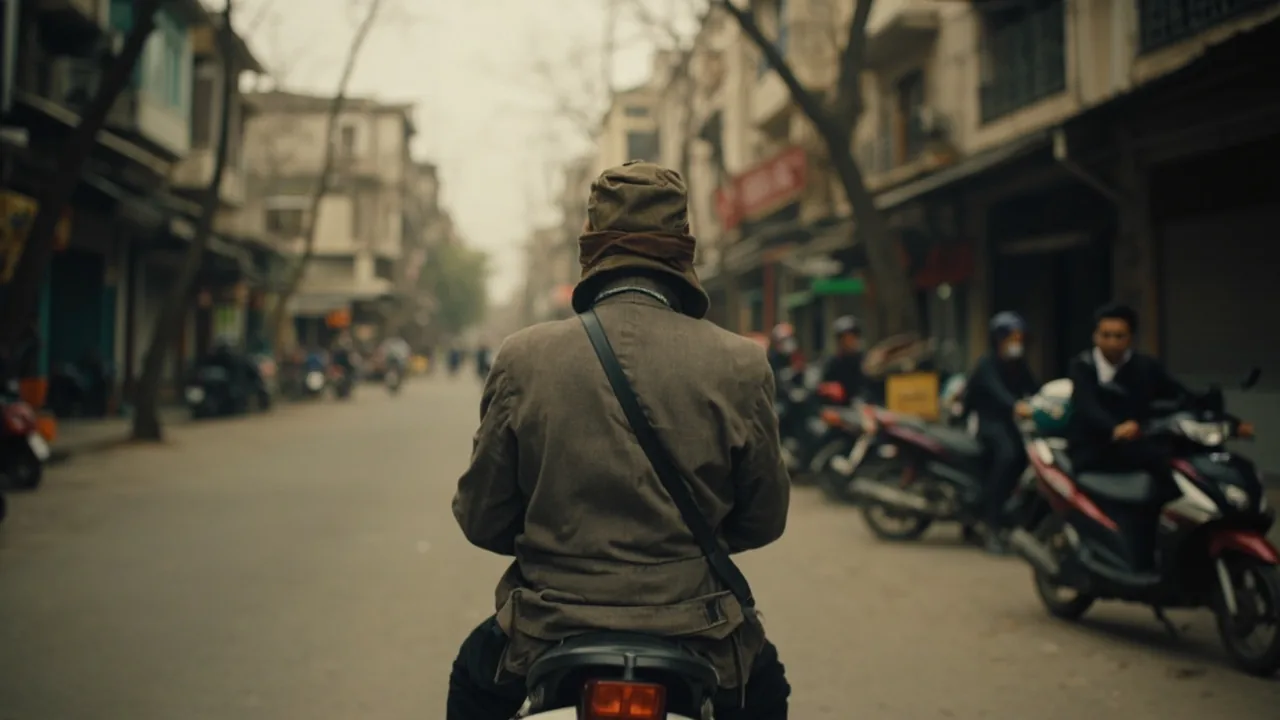
Visiting Vietnam in January: Weather, Crowds, Prices & Events
January sits inside Vietnam’s dry season (verified on-the-ground 2026-07-23), with Tet 2026 confirmed for 17 February and Tet 2027 for 6 February per the official lunar calendar. The south is bone-dry, the beaches are usable, and the central coast sits in its cool, breezy sweet spot. The catch is the calendar: Tet (Lunar New Year) usually lands in late January or early February, and the week before and after Tet sends hotel and flight prices into orbit while shops, restaurants, and even some buses shut down for the holiday. If your dates are flexible, January is a near-perfect month. If they collide with Tet, you need to plan around it. For related planning, see our guide on Sea Backpacking Hub.
Quick Answers
| What | Answer | Price (INR) |
|---|---|---|
| Is January a good time to visit Vietnam? | Yes, except during Tet week (relevant mainly for January 2027, not January 2026) | ₹0 |
| What’s the weather like in northern Vietnam? | Cool and dry, 10–18°C, fog possible in highlands | ₹0 |
| What’s the weather like in central Vietnam? | Cool, 18–23°C, occasional rain | ₹0 |
| What’s the weather like in southern Vietnam? | Dry season, 25–32°C, sunny | ₹0 |
| When is Tet in 2026? | Mid-February (so January 2026 is pre-Tet, safe) | ₹0 |
Tet 2026 falls on 17 February, which means the entire month of January 2026 is technically before Tet. January 2027 is the year with Tet risk in the back half of the month, so always check the lunar calendar before booking.
Month-by-Month Breakdown
January sits inside Vietnam’s dry season, but the country’s long shape means three different weather systems are running at once. Here’s how it stacks up across the calendar, with January framed against the surrounding months:
| Month | Weather (N / C / S) | Crowds | Cost Level | Verdict |
|---|---|---|---|---|
| November | Cool, dry, warming / Pleasant, rainy patches / End of wet | Medium, building | Moderate (₹₹) | Excellent shoulder month, fewer tourists |
| December | Cold, dry / Cool, rainy / Dry, sunny | High | Peak (₹₹₹) | Christmas + New Year rush, book early |
| January | Cool, dry / Cool, breezy / Dry, hot | High, drops after New Year | Peak (₹₹₹), eases mid-month | Best weather, Tet risk late month in 2027 |
| February | Cold, damp / Cool / Dry, hot | Mixed, Tet spike | Tet week expensive, rest normal | Tet week chaos, then quiet by month-end |
| March | Warming, mist lifting / Hotting up / Hot, dry | Medium | Moderate (₹₹) | Great month, fewer tourists |
| April | Hot, dry / Hot, dry / hot | Medium | Moderate (₹₹) | Hottest month in south, manageable |
What “high crowds” means in January
The “high” rating in December and January is not European-summer high. Vietnam’s peak season is busy by Vietnamese standards, but you’ll still find dorm beds and bus seats with a day or two of notice. The exception is the Christmas-to-New-Year fortnight (roughly 22 Dec to 5 Jan), when Hanoi Old Quarter hostels fill up and Hanoi’s airport queues stretch past the kerb. If you can fly between 8 and 14 January, you’ll get the same weather as everyone else at half the hassle.
January. Pros and Cons
Pros:
- Dry season across the entire country, only the central highlands see occasional fog
- Southern beaches (Mui Ne, Phu Quoc, Nha Trang) are at their best, calm sea and blue sky
- Central Vietnam (Hoi An, Da Nang, Hue) sits in its cool, low-humidity sweet spot
- Fewer domestic tourists than during Tet, since most Vietnamese travel home for family
- Long daylight hours, especially in the south
Cons:
- Christmas/New Year rush (22 Dec to 5 Jan) spikes flight and hostel prices
- Late January carries Tet-prep anxiety (in Tet years): flower markets appear, prices start to climb
- Northern Vietnam gets genuinely cold at night, sometimes dropping below 10°C in Hanoi and below 5°C in Sapa
- Central coast can see 2–3 days of cold rain when a northeast monsoon pulse rolls through
- Dalat and the central highlands sometimes fog in, ruining mountain viewpoints
What happens on the ground
In Hanoi, January mornings are jacket weather and afternoons are T-shirt weather. The Old Quarter’s café scene doesn’t mind either. Dorm beds in Hanoi in early January run ₹661-₹1,322 (~180,000-360,000 VND or ~$6.86-$13.72), almost identical to November, but the same bed costs 25–40% more during the Christmas week. Flights from India into Hanoi are cheapest mid-week, with Tuesday and Wednesday departures roughly ₹4,000-₹6,000 (~$41.52-$62.28) cheaper than Saturday flights on the same route.
In Da Nang and Hoi An, the beaches are usable but the sea has a slight swell. Surfers like it; swimmers don’t always. Daytime temperatures sit around 22–24°C, which is the year’s most comfortable window before the May. August heat kicks in. Dorm beds in Hoi An in January run ₹386-₹881 (~105,000-240,000 VND or ~$4-$9.15), slightly above the November baseline.
Ho Chi Minh City and the south are hot, dry, and a bit smoggy. The 25–32°C range is fine for walking around District 1, but the lack of rain means dust builds up and the air quality index often tops 150. Dorm beds in HCMC run ₹551-₹1,212 (~150,000-330,000 VND or ~$5.72-$12.58) in January.
What to Pack Specifically for January
Subodh’s Pro Tip: Pack for two seasons. If your route hits Hanoi and HCMC, you’ll wear a fleece on the Hanoi train platform and a linen shirt the same afternoon in Saigon. Layering is the only honest answer.
- Light fleece or hoodie for Hanoi, Sapa, and the northern highlands after sunset
- Long-sleeve shirts for central Vietnam evenings
- Quick-dry T-shirts and shorts for the south
- Compact umbrella for the 2–3 rainy days in central Vietnam, not for daily use
- Sunscreen SPF 50 for southern beaches, UV index hits 11+ in January
- Refillable water bottle with a built-in filter, tap water is not safe anywhere in Vietnam
- Flip-flops for beach and hostel showers, plus lightweight sneakers for Old Quarter cobblestones
January Costs Compared to Other Seasons
Vietnam’s peak season is short and concentrated around Christmas, New Year, and Tet. January sits inside peak pricing but mostly avoids the Tet spike (in 2026). Here’s how a typical backpacker’s costs shift:
| Item | Peak (Dec, early Jan, Tet week) | Shoulder (Nov, Mar. Apr) | Low (May. Sep rainy season) |
|---|---|---|---|
| Flight from India (round trip) | ₹28,000 (~$290.64) | ₹18,000 (~$186.84) | ₹12,000 (~$124.56) |
| Dorm bed in Hanoi | ₹918-₹1,322 (~250,000-360,000 VND or ~$9.53-$13.72) | ₹661-₹1,102 (~180,000-300,000 VND or ~$6.86-$11.43) | ₹551-₹918 (~150,000-250,000 VND or ~$5.72-$9.53) |
| Dorm bed in Hoi An | ₹661-₹881 (~180,000-240,000 VND or ~$6.86-$9.15) | ₹386-₹734 (~105,000-200,000 VND or ~$4-$7.62) | ₹330-₹661 (~90,000-180,000 VND or ~$3.43-$6.86) |
| Dorm bed in HCMC | ₹808-₹1,212 (~220,000-330,000 VND or ~$8.39-$12.58) | ₹551-₹1,028 (~150,000-280,000 VND or ~$5.72-$10.67) | ₹477-₹881 (~130,000-240,000 VND or ~$4.96-$9.15) |
| Dorm bed in Da Nang | ₹661-₹991 (~180,000-270,000 VND or ~$6.86-$10.29) | ₹441-₹808 (~120,000-220,000 VND or ~$4.57-$8.39) | ₹367-₹734 (~100,000-200,000 VND or ~$3.81-$7.62) |
| Vietnamese e-Visa | ₹2,408 (~25 USD) | ₹2,408 (~25 USD) | ₹2,408 (~25 USD) |
| Bus Hanoi to Sapa | ₹1,285-₹1,836 (~350,000-500,000 VND or ~$13.34-$19.06) | ₹918-₹1,469 (~250,000-400,000 VND or ~$9.53-$15.25) | ₹734-₹1,285 (~200,000-350,000 VND or ~$7.62-$13.34) |
The e-Visa fee is flat year-round: ₹2,408 (~25 USD) for 90 days, multiple entry. Apply at the official portal at least three days before flying. No visa-on-arrival for Indian passport holders, so this is a non-negotiable pre-trip step.
Where to Go in January by Region
North Vietnam (Hanoi, Sapa, Ha Giang, Ninh Binh)
This is the cold, dry window. Temperatures in Hanoi run 12–20°C, Sapa gets down to 5°C at night, and Ha Giang’s mountain passes are clear and safe. The fog risk in Sapa is highest in December and improves through January. This is the single best month for the Ha Giang loop motorbike route.
In Hanoi, the Old Quarter’s phở stalls and coffee shops don’t slow down for the cold. You’ll find warming bowls of phở bò (beef noodle soup) at the usual spots, and the city’s bia hơi (fresh beer) street culture moves indoors. Vegetarian travellers do fine at any “cơm chay” (vegetarian rice) counter, including simple spots in the Old Quarter, and Indian travellers find a small cluster of North Indian restaurants around the cathedral and St Joseph’s Church area.
For the highlands, the dress code is warmer than most travellers expect. Bring a real jacket if you’re going to Sapa or Ha Giang in January.
Central Vietnam (Hue, Da Nang, Hoi An, Quy Nhon)
This is the cool, slightly breezy window. Temperatures run 18–23°C, the sea is mostly calm with occasional swell, and the beaches of Da Nang and Hoi An are at their most pleasant. Hue gets occasional rain, but it’s the 2–3 hour afternoon shower pattern, not the road-blocking downpours of October and November.
Hoi An’s ancient town is busy but not crushing in January, the lanterns look better against the cooler sky, and the river boat rides are calm. Hue’s citadel is most photogenic in the soft January light.
South Vietnam (Ho Chi Minh City, Mui Ne, Phu Quoc, Mekong Delta)
This is peak beach season. Mui Ne’s sand dunes are dry and warm, Phu Quoc’s water is glass-flat, and the Mekong Delta’s floating markets are at their most accessible. Temperatures run 25–32°C, humidity is moderate by Vietnamese standards, and rain is rare. If you’ve ever wanted to learn to surf in warm water without a wetsuit, Mui Ne in January is the answer.
For our complete regional weather breakdown, see the Vietnam weather by month and region guide.
Where to Stay (Dorms and Hostels)
January is busy in Hanoi and Hoi An but not sold-out. Book 5–7 days ahead for the Christmas-to-New-Year window, 2–3 days ahead for the rest of the month. Here are reliable dorm picks across the four main hubs:
| City | Hostel | Vibe | Price (VND) | Book |
|---|---|---|---|---|
| Hanoi | Any well-reviewed dorm in the Old Quarter | Social, central, walking distance to Hoan Kiem Lake | 180,000–360,000 | Check prices |
| Hanoi | Any well-reviewed dorm near St Joseph’s Cathedral | Quieter, near the cathedral | 200,000–350,000 | Check prices |
| Da Nang | Any well-reviewed beachfront dorm near My Khe Beach | Beachfront, party-friendly | 150,000–270,000 | Check prices |
| Hoi An | Any well-reviewed social dorm near the old town | Social, pool, free bikes to the beach | 140,000–240,000 | Check prices |
| HCMC | Any well-reviewed dorm in District 1 | Rooftop bar, mixed dorms | 180,000–330,000 | Check prices |
For more on the December side of the same seasonal pattern, see visiting Vietnam in December.
What to Eat in January
January is a strong food month across the country. Northern Vietnam leans into warming dishes (phở, bún chả, bánh cuốn), the central coast celebrates fresh seafood, and the south pushes tropical fruit and cold drinks. Travellers report that January’s cooler nights in Hanoi make street-side phở feel even more right than usual.
For a grounding bowl of phở in Hanoi, try a long-running local spot like Hello Hanoi Restaurant in the Old Quarter, where the broth is the main event and the menu stays tight on the classics. In Hoi An, Hong Hoai’s Restaurant is a family-run operation that nails the local Cao Lầu and white-rose dumplings. Across the country, Nhà An leans vegetarian-friendly with vegan options on a Vietnamese menu. For a more street-style experience, Vietnamese Soul Food does the kind of bánh mì and bún bowls you’d otherwise have to chase around a wet market. In the highlands, Quán 668 in Hà Giang is a reliable stop for hearty mountain-region dishes.
Vegetarian and Indian-flavour travellers have it easier in January than in summer because the cool weather brings out the chay (vegetarian) menus. For a hotpot that works for mixed groups, Now Restaurant in Dalat does family-style Vietnamese hotpot and clay-pot rice, and a stretch of vegetarian-only spots keep things simple for strict-veg travellers, including the well-rated Vegetarian Restaurant. If you want a break from Vietnamese and need a familiar Italian-style option, Aldente DaLat is the rare Italian spot that Indian travellers consistently rate well.
Getting Connected
Safety Alert: Vietnam is politically stable but petty theft rises in tourist zones around Christmas and Tet. Use the hotel safe for your passport, and never leave phones on café tables. Check the Indian MEA travel advisory before flying.
You’ll want data for Grab, Google Maps, and weather alerts. Vietnam’s three mobile networks (Viettel, Mobifone, Vinaphone) all sell tourist SIMs at the airport for ₹551-₹734 (~150,000-200,000 VND or ~$5.72-$7.62) with 5–7 GB and 30 days. For an eSIM you can activate before you land, Get Nomad eSIM covers Vietnam across all three carriers.
Getting Around in January
January is one of the safest months for overland travel in Vietnam. The north has no rain, the central coast has only minor showers, and the south is bone dry. Trains and buses run on schedule.
| Route | Option | Time | Price (VND) | Book |
|---|---|---|---|---|
| Hanoi → Sapa | Sleeper bus | 6 hrs | 350,000–500,000 | Book on 12go |
| Hanoi → Da Nang | Overnight train (soft sleeper) | 14–16 hrs | 800,000–1,400,000 | Book on 12go |
| HCMC → Mui Ne | Sleeper bus | 5 hrs | 200,000–350,000 | Book on 12go | | Hanoi → HCMC | Flight (VietJet, Bamboo) | 2 hrs | 800,000–2,500,000 | Book on 12go |
For travellers building a north-to-south route, see the Vietnam weather by month and region guide to time each segment.
Events Worth Knowing
Tet (Lunar New Year)
In 2026, Tet falls on 17 February, so January 2026 is Tet-free. Travellers heading out in January 2027 should know that the week before Tet sees shops, restaurants, and even some buses shut down for family travel. The week of Tet itself is the quietest, most surreal week in Vietnam: streets empty out, the Old Quarter becomes pedestrian-only, and flower markets bloom across every city. Plan around it, don’t fly into it.
Tet Trending Events (Late January 2027 Risk Window)
Flower markets appear across Hanoi and HCMC about a week before Tet. They’re photogenic, free, and packed. If your January dates are fixed, target 20–25 January for the flower market window.
Other January Events
- Tet preparations at the Quốc Tử Giám (Temple of Literature) in Hanoi, especially in Tet years
- Yen Tu Festival begins in the second week of January in some years, Buddhist pilgrimage site in Quang Ninh province
For the December counterpart, see new year celebrations by the sea.
FAQ
Is it worth going to Vietnam in January?
Yes, especially if you can avoid the Christmas/New Year week. The weather is dry nationwide, beaches are usable, and crowds are lighter than in summer elsewhere. The only real risk is Tet, and only in years when Tet falls in late January.
When is Tet in 2026 and 2027?
Tet 2026 is 17 February, so January 2026 is Tet-free. Tet 2027 is 6 February, meaning late January 2027 is the risk window. Always check the lunar calendar for your specific travel dates.
What is the weather like in northern Vietnam in January?
Cool and dry. Hanoi runs 12–20°C, Sapa drops below 5°C at night. Fog is possible in the highlands but improves through the month.
What is the weather like in southern Vietnam in January?
Dry season, 25–32°C, sunny. This is the best month for Phu Quoc and Mui Ne.
Can I get a Vietnamese e-Visa in January?
Yes. The e-Visa is available year-round at ₹2,408 (~25 USD) for 90 days, multiple entry. Apply at the official portal at least three days before flying. Photo must be 4x6 cm, white background, taken within six months.
How far in advance should I book accommodation for January?
For the Christmas-to-New-Year week (22 Dec to 5 Jan), book 2–3 weeks ahead. For the rest of January, 3–5 days ahead is enough in Hanoi and HCMC, 5–7 days ahead in Hoi An.
Are flights from India cheap in January?
Yes, mid-January (8–14) is among the cheapest windows of the dry season. Tuesday and Wednesday departures from Delhi or Mumbai to Hanoi or HCMC are typically ₹4,000-₹6,000 (~$41.52-$62.28) cheaper than weekend flights on the same route.
Subodh’s Take
January is the safest “great weather” bet for Vietnam. Just check whether Tet is going to bite the tail end of your month before you book, and aim for the second or third week of January if you want a balance of good weather, low hassle, and reasonable prices. If you’re flexible enough to skip it, March is the underrated sibling, same dry skies, half the tourists, and no Tet risk at all. For more, see the best month to visit Vietnam guide.
