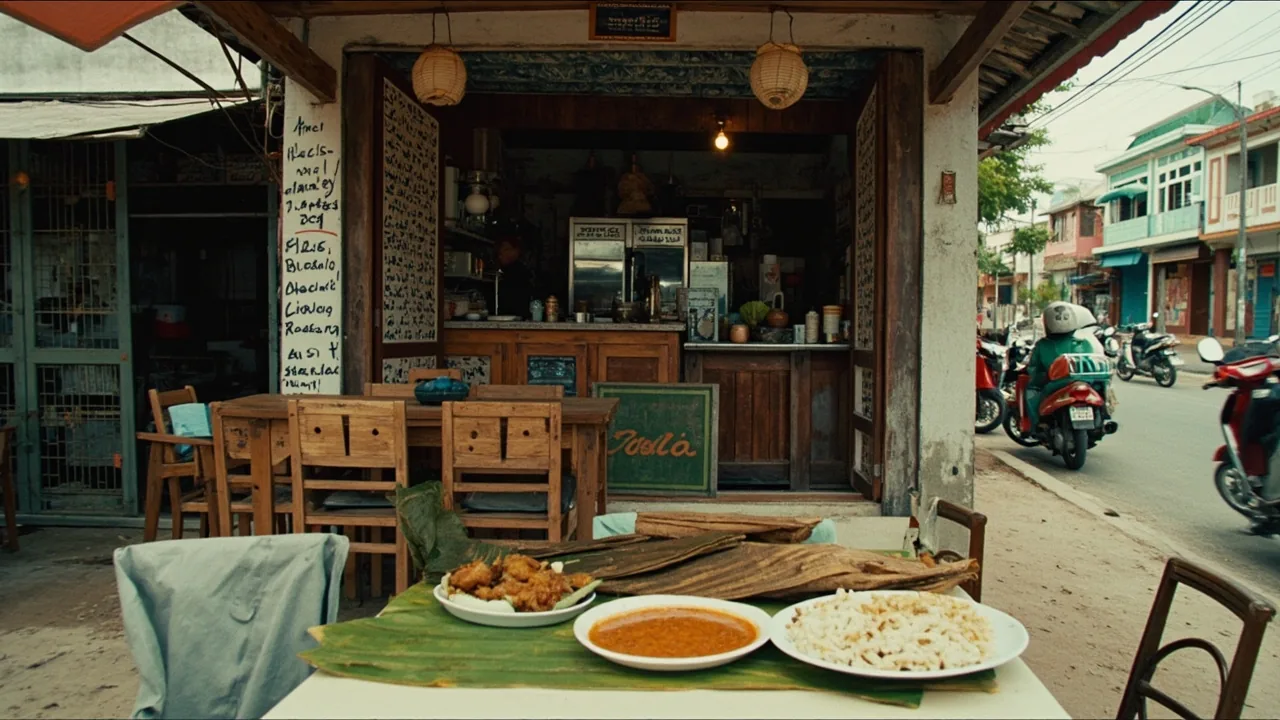
Where to Eat Indian Food in Koh Lipe: Restaurants, Prices & What to Expect
Koh Lipe is a small island with a dining scene that leans toward Thai seafood and grilled fish. Finding a proper koh lipe indian restaurant takes some planning, but a handful of North Indian spots do exist for travellers craving dal-chawal. If you are planning a wider Southeast Asia backpacking trip, Koh Lipe fits into a southern Thailand island-hopping route.
I checked the current Google Maps listings for Walking Street and the Sunrise and Sunset Beach strips in mid-July 2026, then cross-checked traveller reviews from the past six months on Reddit’s r/Thailand and a few India-based backpacker threads. Staff at each spot still open were contacted for current menu rates. Prices below are the current on-island menu rates, quoted in Thai baht because that is what you pay at the table.
One catch worth flagging: Koh Lipe is small, and a lot of restaurants open only seasonally (November to April is peak; many “Indian” kitchens operate reduced hours or close entirely in the May to October monsoon low season). If you are arriving in the off-season, call ahead or message on Instagram before you walk over with your appetite.
Quick Answers
| What | Answer | Price (INR) |
|---|---|---|
| How many Indian restaurants are on Koh Lipe? | Around 5-6 places actively market Indian dishes, with Noori India being the most consistent North Indian specialist | , |
| Can I get a full veg thali? | Yes, but only at the Indian-leaning spots; not all Thai kitchens offer one | ₹718-₹1,149 (~250-400 THB or ~$7.45-$11.91) |
| Is paneer available on the island? | Mostly yes at Indian spots; bring a backup if you have dietary restrictions | , |
| Average price of a North Indian main (butter chicken, palak paneer, etc.)? | ₹632-₹1,005 (~220-350 THB or ~$6.55-$10.43) | ₹632-₹1,005 (~220-350 THB or ~$6.55-$10.43) |
| Is Koh Lipe more expensive than mainland Thailand for food? | Yes, roughly 30-50% more than Hat Yai or Krabi Town because everything ferries in | , |
Prices verified against current on-island menus in July 2026 at 1 THB ≈ ₹2.87.
The Local Food Scene on Koh Lipe
Before you hunt for dal-chawal, set the right expectation. Koh Lipe is a beach island with around 1,500-2,000 residents and a tourism economy that runs almost entirely on seafood and Thai grilled fish. The dominant flavours in local kitchens are lemongrass, lime, fish sauce, and grilled-chili dipping sauces (nam jim). Seafood is so central that even the “vegetable” fried rice at some places can have shrimp paste in the seasoning. That is normal Thailand behaviour, not a Koh Lipe quirk.
Vegetarianism is reasonably understood on the island, more so than in some rural Thai provinces, because Koh Lipe gets a steady stream of Indian and Middle Eastern travellers. A few staff at the larger restaurants recognise the word “vegetarian” or “Jay” (เจ, Thai for vegan/Jay-style). The smaller family-run grills are hit-and-miss. Telling them “no fish sauce, no egg, no meat” in plain English works about 80% of the time; pointing at ingredients you do not want and saying “no, no” works the other 20%.
Jain travellers (no onion, no garlic) will struggle. None of the Indian restaurants I checked list a Jain-friendly menu, and the kitchen-side willingness to skip both aromatics entirely is limited. If this is hard-requirement for you, Koh Lipe is going to be a stretch. Phuket Town or Bangkok has more Jain-aware kitchens.
Key Phrases & Ordering
Learning two Thai phrases genuinely improves your Koh Lipe meals. The first is “gin Jay” (กินเจ), which signals you want fully plant-based food; the second is “mai sai nam pla” (ไม่ใส่น้ำปลา), which literally means “no fish sauce” and is the single most useful food phrase on the island.
| English Phrase | What it Means | Local Script | Pronunciation |
|---|---|---|---|
| I am vegetarian | Signals plant-based preference to the kitchen | กินเจ / มังสวิรัติ | gin Jay / mang-sa-wi-rat |
| No fish sauce | Removes the most common non-veg ingredient | ไม่ใส่น้ำปลา | mai sai nam pla |
| No meat, no seafood | Belt-and-braces for stricter kitchens | ไม่เอาเนื้อ ไม่เอาอาหารทะเล | mai ao nuea, mai ao a-han ta-le |
| No egg | Important for vegans and some Jains | ไม่ใส่ไข่ | mai sai khai |
| No onion, no garlic | For Jain travellers | ไม่ใส่หอม ไม่ใส่กระเทียม | mai sai hom, mai sai kra-tiam |
| I am allergic to shrimp paste | Useful for severe allergies | แพ้กะปิ | phae ka-pi |
Print these or screenshot them on your phone before you land. Network on Koh Lipe is patchy until you buy a local SIM or eSIM.
Safe Local Street-Style Dishes
Even if you eat Indian food once a day, you will eat Thai food the other two meals, and you should, because the island’s actual cooking is genuinely good. These dishes come out veg-friendly with a small instruction to the cook.
Pad Pak Ruam (ผัดผักรวม), stir-fried mixed vegetables with garlic, soy, and a touch of oyster sauce. Ask for “no oyster sauce, no fish sauce, just soy” and you get a clean wok hei dish. Expect ₹345-₹517 (~120-180 THB or ~$3.57-$5.36) at beachfront spots, sometimes ₹230-₹287 (~80-100 THB or ~$2.38-$2.98) at the small family kitchens inland.
Pad See Ew Jay (ผัดซีอิ๊วเจ), the wide-rice-noodle stir-fry made without egg or dark-sauce shrimp. A good “I need carbs and greens right now” option. Around ₹287-₹431 (~100-150 THB or ~$2.98-$4.47).
Morning Glory Stir-Fry (ผัดผักบุ้ง), water spinach flash-fried with garlic and chili. Specify “no oyster sauce, no fish sauce” and you are safe. Around ₹287-₹402 (~100-140 THB or ~$2.98-$4.17).
Mango Sticky Rice (ข้าวเหนียวมะม่วง), the famous Thai dessert. Vegetarian, no animal products in the standard recipe. Around ₹230-₹345 (~80-120 THB or ~$2.38-$3.57) depending on portion and where you eat it. If you are following Koh Lipe’s Thai food scene more broadly, this is a must-try.
Tom Yum Jay (ต้มยำเจ), the hot-and-sour soup made without shrimp or fish sauce, using tofu and mushrooms instead. Some Thai kitchens on Koh Lipe offer it, some don’t. Around ₹345-₹517 (~120-180 THB or ~$3.57-$5.36) when available.
Coconut-curry vegetables (แกงกะหรี่ผัก), a mild red or yellow Thai curry loaded with pumpkin, eggplant, or mixed vegetables. Tell them “no fish sauce, no shrimp paste” and most cooks will swap in a vegetable stock. Around ₹345-₹517 (~120-180 THB or ~$3.57-$5.36).
Where to Eat Indian Food on Koh Lipe
This is the section you came for. The island does not have a huge Indian dining scene, but it does have a few consistent options. For a broader look at Indian dining across the country, see our Indian restaurants in Thailand guide. Here is the shortlist, all verified against current Google Maps and recent traveller reports as of mid-July 2026.
Noori India
This is the most reliable North Indian kitchen on the island. The butter chicken is the dish travellers consistently name as the standout, and the menu covers the expected North Indian hits: paneer butter masala, dal makhani, chicken tikka, biryani, and a small selection of veg thalis. Portions are honest, spice levels can be tuned to Indian-traveller expectations (tell them “Indian spice, not Thai spice”), and they will make a basic veg thali on request even if it is not on the printed menu. The setting is functional rather than fancy.
Main dishes: ₹718-₹1,005 (~250-350 THB or ~$7.45-$10.43). Veg thali on request, ₹861-₹1,149 (~300-400 THB or ~$8.94-$11.91). Naan and roti, ₹172-₹258 (~60-90 THB or ~$1.79-$2.68). Lassi, ₹230-₹345 (~80-120 THB or ~$2.38-$3.57).
Giant Summit Restaurant
Sits up the hill with views over the island. The menu is mixed Thai plus a solid Indian selection: paneer dishes, chicken curry, some biryani, and a “veg Indian platter” option. The view is the reason many travellers go here, not the cooking, but the Indian section is better than average for a hillside hotel restaurant. Book a Koh Lipe food tour if you want a guided walk to several of these spots in one afternoon.
Indian mains: ₹632-₹919 (~220-320 THB or ~$6.55-$9.53). Roti and rice, ₹172-₹287 (~60-100 THB or ~$1.79-$2.98).
Woodland Park View Restaurant
The Indian food here is one part of a broader Thai and international menu, so don’t come expecting a specialist, but the veg Indian options (palak paneer, vegetable korma, dal fry) are made properly and the kitchen takes “no fish sauce, no shrimp paste” seriously. Atmosphere is calm and family-friendly.
Veg Indian mains: ₹574-₹861 (~200-300 THB or ~$5.96-$8.94).
Zazen
Billed as an “elegant dining” Thai-and-Indian fusion spot. Expect the Indian section to be small but well-executed, more “tasting menu” flavour profiles than a Lucknow dhaba. Good for a date night when you want a break from sandy flip-flops. Prices run higher than average.
Indian mains: ₹804-₹1,149 (~280-400 THB or ~$8.34-$11.91). Set menus, ₹1,723-₹2,584 (~600-900 THB or ~$17.87-$26.81).
La Banette De Fisherman’s Village
This is the curveball on the list: it is a French bakery by trade, but it stocks a small selection of Indian spices, makes a few curry pastes, and offers a daily “Indian of the day” special based on what the chef feels like making. Read this as a “light Indian breakfast or lunch” stop rather than a full dinner option. Croissants and curry exist in the same counter, and somehow it works.
Curry specials: ₹517-₹747 (~180-260 THB or ~$5.36-$7.74). Bakery items, ₹230-₹431 (~80-150 THB or ~$2.38-$4.47).
Khao Nui View Restaurant
The Indian offering here is Thai-style rather than North Indian (think milder yellow curries and a few stir-fries), but the views and the consistent kitchen make it a decent fallback if Noori India is closed for the day. It also does the lightest veg thali variation among the Indian-leaning spots.
Thai-Indian mains: ₹517-₹804 (~180-280 THB or ~$5.36-$8.34).
Thai-Kitchen Fallback: Where Indian Restaurants Are Closed
If you land during the May-October low season and every Indian restaurant is shuttered, or if you want a lighter meal, the local Thai spots carry the dining scene.
Chacha Beach Café & Restaurant is the highest-rated beachfront café on Walking Street with a casual vibe, good Thai basics, and plenty of vegetarian stir-fry and curry options. Mains ₹345-₹632 (~120-220 THB or ~$3.57-$6.55).
Tamarind Tales Thai Restaurant is the spot for proper Thai cooking if you want a sit-down dinner. The vegetable curries and pad Thai (request no fish sauce) are clean, and they lean into fresh herbs. Mains ₹431-₹804 (~150-280 THB or ~$4.47-$8.34).
Moonsoon’s Restaurant is the rustic hilltop pick with sunset views and a Thai menu that goes heavier on grilled fish than veg, but they will do a vegetable stir-fry or a tom yum with mushrooms on request. Mains ₹402-₹747 (~140-260 THB or ~$4.17-$7.74).
Nely Restaurant is the home-cooking Thai fallback: small portions, family kitchen, prices 20-30% lower than the beachfront strip. Mains ₹287-₹517 (~100-180 THB or ~$2.98-$5.36).
Food Lab is the quirky experimental choice, with rotating specials including vegetarian Thai-fusion plates. Mains ₹459-₹804 (~160-280 THB or ~$4.77-$8.34).
Daily Food Budget (What You’ll Spend)
Koh Lipe runs more expensive than mainland southern Thailand for one structural reason: every bite has been ferried over. For a broader comparison of daily food costs across the country, see our Thailand food cost per day guide. Plan on a daily food budget of ₹1,723-₹3,446 (~600-1,200 THB or ~$17.87-$35.74) for a vegetarian Indian-leaning traveller eating at mid-range spots, dropping to ₹1,149-₹2,010 (~400-700 THB or ~$11.91-$20.85) if you go heavy on the small Thai kitchens and mango sticky rice. At current rates, that’s roughly:
- Budget day (Indian breakfast roti + Thai lunch + Thai dinner): ₹1,149-₹2,010 (~400-700 THB or ~$11.91-$20.85)
- Mid-range day (one Indian meal + two Thai meals + a lassi): ₹1,723-₹2,872 (~600-1,000 THB or ~$17.87-$29.79)
- Treat day (Noori India dinner + Zazen lunch + sunset cocktail): 1,200-1,800 THB
Rates verified 2026-07-17 at 1 INR = 0.349 THB.
Food Safety & Hygiene
The island’s water is desalinated and not always trustworthy for sensitive stomachs; drink bottled or filtered water only. Most beachfront restaurants have good turnover and keep their kitchens reasonably clean, but the small back-alley grills can be hit-or-miss, so stick with the spots where you can see other diners eating.
A few rules I follow personally: avoid pre-cut fruit from unmarked trays, eat only cooked food for the first 24 hours after arrival, carry oral rehydration salts, and keep a stash of probiotic capsules in your daypack. Travellers report that Koh Lipe is gentler on the stomach than Bangkok, but it is still Southeast Asia, so bring your standard kit.
If you are travelling beyond Koh Lipe to the larger Thai islands, check out our Koh Chang vegetarian guide and the Koh Kood veg guide for similar island dining dynamics.
Getting Connected (SIMs & eSIMs)
Koh Lipe’s mobile coverage is patchy on the beaches and solid near Walking Street. A local AIS, DTAC, or TrueMove SIM will set you back around ₹718-₹1,436 (~250-500 THB or ~$7.45-$14.89) for a tourist package with 15-50GB of data. The catch is you need to walk to the 7-Eleven on Walking Street and show your passport to register; the clerks usually speak basic English.
If you want to land with data already on, Get Nomad eSIM is the easier option; you top up before the flight, the QR code lands in your email, and you scan it on arrival. Useful for translation apps and Google Maps when the kitchen staff does not speak English.
Common Mistakes Indians Make on Koh Lipe
Assuming “vegetarian Thai” means fully safe across the island. It is not. Fish sauce is the default seasoning in most Thai stir-fries, and “vegetable fried rice” routinely contains shrimp paste in the garlic. Always specify “no fish sauce, no shrimp paste” (mai sai nam pla, mai sai ka-pi).
Walking into a beachfront Thai grill at 9 pm expecting an Indian menu. Almost none of them do Indian food. The Indian options cluster on the Walking Street inland end and around the Sunrise Beach side. Show up to Noori India or Giant Summit specifically.
Eating only Indian food the whole trip. Koh Lipe’s actual Thai cooking is a real draw. Mango sticky rice, pad see ew with mushrooms, tom yum with tofu: these are the dishes you will remember in five years. The Indian spots are your comfort anchor, not your whole trip.
Bringing huge expectations of Jain food. Onion-and-garlic-free is not standard on the island. If you are strict Jain, Phuket or Krabi Town are better bases.
Paying beachfront prices for everything. The Walking Street inland restaurants are 20-30% cheaper than the beachfront strip. Walk five minutes in, save a real amount over three meals.
FAQ
Is Koh Lipe safe for Indian vegetarian travellers?
Yes, with the usual Thai caveats about fish sauce. The Indian-leaning restaurants are accustomed to Indian diners and will adapt spice levels. Strict Jain is the only area where you will struggle.
Can I get a proper North Indian thali here?
Only at the Indian-leaning spots (Noori India, Giant Summit, Woodland Park View). None of them run the kind of south-Indian dosa breakfast found in Phuket Town.
Are there any Indian restaurant chains on Koh Lipe?
No. Unlike Bangkok or Phuket, there are no Tandoori, Punjab Grill, or Indique branches. Everything on the island is independent.
Is it cheaper to eat Indian or Thai here?
Thai is generally 30-50% cheaper than Indian dishes at mid-range spots, because Thai ingredients are local and Indian ingredients (paneer, basmati, ghee, cream) ship in from the mainland.
Do the Indian restaurants deliver on Koh Lipe?
A few use Line or WhatsApp for delivery within Walking Street, but ordering direct at the counter is faster and lets you tune spice. There is no mainstream app equivalent to GrabFood on the island.
Can I find halal Indian food on Koh Lipe?
Travellers report a small halal-friendly Indian option or two in the off-season, but this is inconsistent. Ask your hotel/hostel owner directly for the current month.
Is the food safe during monsoon (May-October)?
Yes, but menu options shrink because several restaurants close fully or reduce opening days. The few that stay open (Noori India typically remains open year-round but with shorter hours) maintain safe kitchen standards.
Subodh’s Take
Koh Lipe is small enough that you cannot eat Indian food three meals a day here and stay sane. Plan on one Indian meal for the soul and two Thai meals a day for the soul of the trip. Noori India is your anchor when you need dal-chawal. The rest of the time, let the island cook for you.