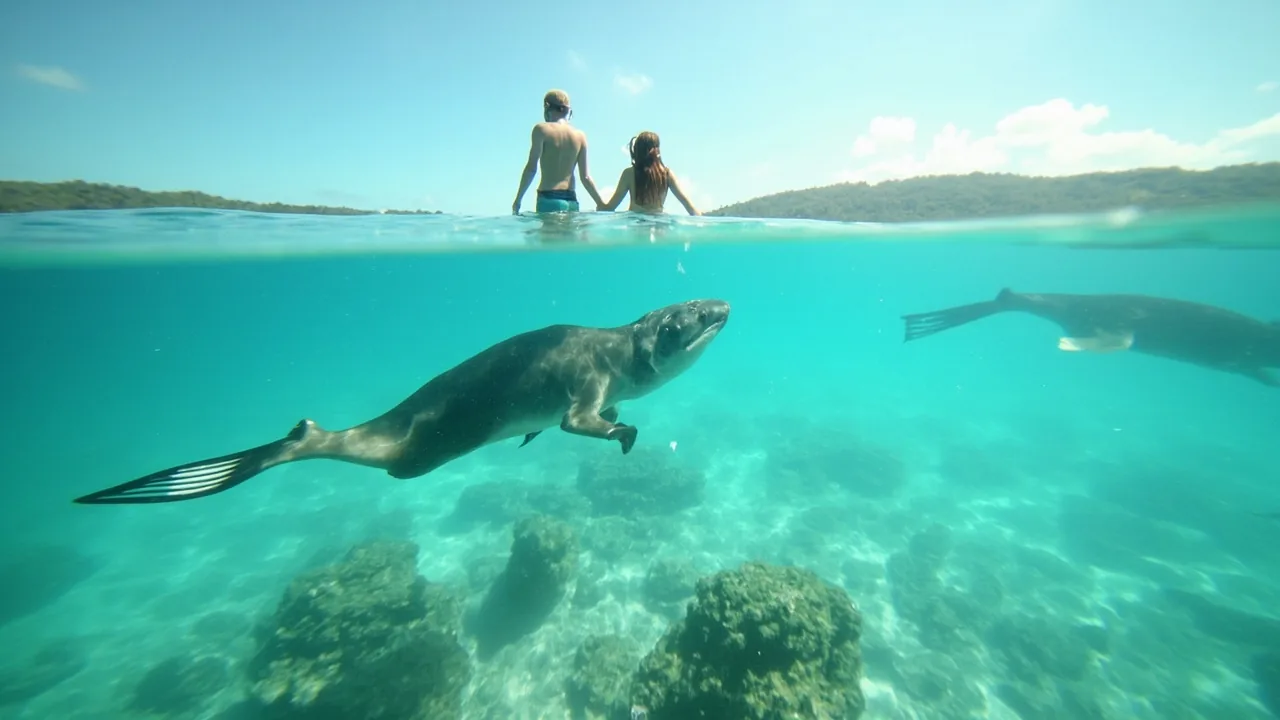
Wildlife Sanctuaries and Marine Life in the Bali Sea: Where to Go and What You’ll See (2026)
Yes, Bali has sea turtle hatcheries, multiple rescue centers, and a busy marine ecosystem with reef sharks, manta rays, and seasonal mola mola off Nusa Penida. This guide covers the wildlife sanctuaries sea in bali worth your time and what each costs in IDR.
This guide covers what’s accessible on a tourist itinerary, which seasons matter, what each experience costs in IDR (Indonesian rupiah), and which rescues are doing meaningful work versus which ones are more photo-op than conservation. For the full Southeast Asia backpacking context, see the SEA Backpacking Hub. You may also find Koh Lipe Temple Etiquette a Respectful Visitor S Guide useful for this trip.
Quick Answers
| What | Answer | Price (INR) |
|---|---|---|
| Are there sharks in Bali waters? | Yes, mostly reef sharks (blacktip/whitetip). Non-aggressive. | , |
| Best spot for sea turtle release? | Kuta and Serangan (Bali Turtle Conservation) | ₹538 (~100,000 IDR or ~$5.58) donation |
| Best place to see manta rays? | Nusa Penida (Manta Point) | Rp 350,000-500,000 (~$19.55-$27.92) for a boat trip |
| Best place to see mola mola? | Nusa Penida / Crystal Bay (Aug-Oct only) | Rp 400,000-600,000 (~$22.34-$33.51) |
| Closest monkey sanctuary? | Sacred Monkey Forest, Ubud | ₹430 (~80,000 IDR or ~$4.47) |
| Best bird park? | Bali Bird Park, Singapadu | ₹968 (~180,000 IDR or ~$10.05) |
| Are there ethical elephant camps in Bali? | Only one (Bali Elephant Park) | 1,200,000+ IDR |
| Best coral snorkeling from mainland Bali? | Blue Lagoon, Padangbai | ₹269 (~50,000 IDR or ~$2.79) |
| Is the marine park entrance fee included in dive trips? | Sometimes, sometimes not | Rp 75,000 (~$4.19) |
What Kind of Wildlife Are We Talking About?
The “Bali Sea” is the body of water north of the island, between Bali and the islands of East Java. It’s part of the Coral Triangle, which means more marine species diversity per square kilometer than almost anywhere else on Earth. On a typical 10-day Bali trip, you’re realistically going to interact with three categories: marine animals (turtles, reef fish, sharks, manta rays, mola mola), primates and birds (monkeys, the occasional wild cockatoo), and captive wildlife at rescue centers (elephants, orangutans, sun bears, sea eagles). See also: Ngapali Temple Etiquette Guide How to Respect Local Customs At Pagodas Near the Beach.
What you will not see in Bali: tigers, leopards, komodo dragons (those are on Komodo and Rinca, a separate trip), orcas, whale sharks (rare but possible in the deeper Lombok Strait). Travellers asking about “wild animals in Bali” usually mean the monkey forest and the turtle hatcheries. Those are the two activities that are easiest to fit into a regular itinerary. For related planning, see our guide on Southeast Asia Trip Budget Breakdown By City How Much a Backpacker Spends in and the Bali Trip Cost From India.
Sea Turtle Hatcheries and Release Programs
The two operations that matter are Bali Turtle Conservation and Development Centre (Serangan Island, just south of Sanur) and Kuta Turtle Conservation (right by Kuta Beach). Both let visitors adopt and release baby turtles into the surf, typically around sunset. The release itself is the moment; the rest is a small education center with tanks of injured adults and a few dozen hatchlings waiting for the day’s beach drop.
Bali Turtle Conservation (Serangan)
This is the bigger of the two and the one most Bali tour operators point you to. The center has been running since 2001 and handles several species: olive ridley, hawksbill, and green sea turtles. The release program runs at low tide, usually late afternoon, and the staff walks you through the turtle identification, incubation period, and the actual release. Travellers report the experience as genuinely moving rather than performative, partly because you do something physical (carry the hatchling, walk to the waterline) rather than just watching.
Cost: Rp 100,000 (~$5.58) donation per person, which covers your participation and the turtle’s tracking tag. Hours: Daily, 9 AM to 5 PM. Releases around 4 to 5 PM depending on tide. Getting there: 20 minutes by Grab from Sanur, 40 minutes from Kuta. The center is on Serangan Island, so factor in a short bridge crossing. Note: If you’re short on time, you can do this as a half-day tour combined with Tanjung Benoa water sports, since both are in the same peninsula.
Kuta Sea Turtle Conservation
Closer to Kuta and Seminyak, smaller scale, more walk-in friendly. Releases happen most evenings. The Kuta operation has been around for over 20 years and is the original Bali hatchery that started the tourism-adoption model.
Cost: Free entry, donation requested (Rp 50,000-100,000 / ~₹269-₹538 (~2.79-5.58 USD)). Hours: Daily, 10 AM to 7 PM. Releases at sunset. Getting there: Walking distance from Kuta Beach hotels, 15 minutes from Seminyak by scooter.
Conservation Verdict
Both centers do real work. Both release tagged turtles that are tracked by marine biologists. Neither is a “tourist trap” in the negative sense, though the photo ops are set up for Instagram. The turtles are not drugged, not handled roughly, and not in overcrowded tanks. If you care about where your money goes, ask the staff how many turtles they’ve released that season. The number should be in the hundreds, not dozens.
Subodh’s Pro Tip: Skip the morning visit if you can. The afternoon release is the actual activity, and the morning is just looking at tanks. Plan it for your last evening in the Seminyak/Kuta area so you can do dinner afterward without rushing.
Are There Sharks in Bali Waters?
Yes. The reef around Bali is home to blacktip reef sharks, whitetip reef sharks, grey reef sharks, and the occasional hammerhead in deeper water. None of these are considered dangerous to swimmers. Blacktip reef sharks are about 1.5 meters long and feed on small fish; they’re curious but skittish and will swim away from you before you get within 5 meters.
Where you’re likely to see them:
- Nusa Penida (Manta Point and Crystal Bay dive sites): Reef sharks are common at depth. If you’re a certified diver, your divemaster will point them out. If you’re snorkeling, you might see one passing below in deeper water.
- Tulamben (northeast Bali, near Amed): The USAT Liberty wreck is home to a school of bumphead parrotfish and reef sharks that circle the wreck. Visibility here is good year-round because of the cold upwelling.
- Blue Lagoon, Padangbai: Snorkelers occasionally see reef sharks in the deeper channel between Blue Lagoon and Bias Tugal beach. The sharks stay deep; you’re not going to bump into one while floating.
Safety Alert: Bali waters are safe for swimming. Shark encounters happen on dives, not at the beach. Don’t swim at unpatrolled beaches at dawn or dusk (when sharks feed closer to shore), and don’t enter the water if you see bait fish jumping out of it in panic. Both are generic ocean-safety rules, not Bali-specific panic.
Manta Rays and Mola Mola (Seasonal)
These two marine experiences are why serious divers come to Bali. They’re seasonal, location-specific, and weather-dependent, so they don’t fit every itinerary.
Manta Rays at Nusa Penida
Manta Point, off the south coast of Nusa Penida, is one of the most reliable manta ray cleaning stations in the world. Mantas come here to be cleaned by small fish, and you can float above them while they do a slow barrel roll. The mantas are 3 to 4 meters wide. They’re filter feeders, completely harmless, and visibly uninterested in humans.
When: Year-round, but best April to October (dry season, calmer water). Cost: Rp 350,000-500,000 (~$19.55-$27.92) for a snorkel boat trip from Sanur, Rp 600,000-1,000,000 (~$33.51-$55.84) for a 2-tank dive. Getting there: 30-minute fast boat from Sanur to Nusa Penida (around Rp 150,000 / ~₹807 (~8.38 USD) one way), then a 20-minute boat ride from the island to Manta Point. Conditions: Currents can be strong. The snorkel boats cancel if swell is over 1.5 meters. Book the morning trip; afternoon visibility drops.
Mola Mola (Ocean Sunfish) at Crystal Bay
This is the rarer experience. Mola mola come up from the deep to be cleaned at Crystal Bay between August and October, peaking in September. They’re the heaviest bony fish in the ocean (up to 1,000 kg), shaped like a giant disc with no real tail, and they look completely alien.
When: August to October only. Cost: Rp 700,000-1,200,000 (~$39.09-$67.01) for a 2-tank dive. Conditions: Cold water (22 to 24°C, cold by Bali standards), often rough surface, strong thermocline. Not for beginners. You need at least an Advanced Open Water certification and 20+ logged dives for most operators to take you. Note: Mola mola sightings are not guaranteed even in peak season. If you book this trip and see nothing, the operator should offer a 50% discount on a second attempt.
Subodh’s Pro Tip: If you only have time for one marine activity in Bali, do the manta snorkel at Nusa Penida. The mola mola trip is for divers specifically, and if you’re not already certified, the cost and time commitment don’t make sense as a one-off.
Other Marine Experiences Worth Knowing
Blue Lagoon Snorkeling, Padangbai
The cheapest good snorkeling on mainland Bali. Blue Lagoon is a small cove with reef right off the beach, accessible without a boat. You can see parrotfish, angelfish, moray eels, and the occasional sea turtle.
Cost: Rp 50,000 (~$2.79) for snorkel rental, or Rp 100,000-150,000 (~$5.58-$8.38) for a guided boat trip to two sites. Getting there: 1.5 hours from Ubud, 2 hours from Kuta. Worth combining with a visit to the Bias Tugal white sand beach next door.
Tulamben Wreck Diving (USAT Liberty)
A WWII shipwreck about 30 meters offshore in Tulamben, encrusted in coral, sitting in 5 to 30 meters of water depending on which part you swim over. This is one of the best shore dives in the world and accessible to beginners because of the gradual slope.
Cost: Rp 400,000-700,000 (~$22.34-$39.09) for a guided 2-tank dive including gear. Snorkelers can also see the shallow part. Getting there: 2.5 hours from Ubud or Sanur. Best done as part of an east Bali day trip.
Lovina Dolphin Watching
The only place in Bali for dolphin tours. Small boats go out at sunrise to find pods of spinner dolphins in the Lovina strait. The dolphins are wild, not fed, and the boats are kept at a respectful distance (sometimes).
Cost: Rp 100,000-200,000 (~$5.58-$11.17) per boat (split between 4 to 5 people). When: Year-round, but calmer April to October. Note: The boats can be aggressive. Some operators chase pods. Book with a reputable operator who uses engines at idle speed.
Land-Based Wildlife Sanctuaries
Sacred Monkey Forest, Ubud
The most accessible wildlife experience in Bali. 12.5 hectares of forest in central Ubud with about 600 long-tailed macaques, three temples, and a canopy walk. The monkeys are habituated to humans, which means they’re also prone to grabbing sunglasses, phones, and anything shiny.
Cost: Rp 80,000 (~$4.47). Hours: 9 AM to 6 PM daily. Getting there: Walking distance from most Ubud hotels. Etiquette: Don’t make eye contact. Don’t carry food visibly. Don’t run. If a monkey jumps on you, stay still until it loses interest.
Safety Alert: Monkey Forest is safe if you follow the rules. The bites happen to people who ignore the rules (feeding, staring, running). There is a small first-aid station inside the forest for the rare incident.
Bali Bird Park, Singapadu
About 1,000 birds from 250 species, mostly Indonesian. The collection is high quality: birds of paradise, cassowaries, hornbills, parrots, and the famous Bali myna (a critically endangered white bird, also called the Bali starling).
Cost: Rp 180,000 (~$10.05). Hours: 9 AM to 5:30 PM daily. Getting there: 20 minutes south of Ubud, often combined with a Bali Safari day trip.
Elephant Sanctuaries in Bali
There are a handful of elephant parks in Bali, and their welfare practices vary widely. Several of the older parks have been criticized by animal welfare groups for offering riding and bathing activities, even when framed as sanctuary work. If visiting an elephant park matters to you, research the specific operator’s current practices in advance rather than booking on the spot.
Cost: Varies widely by operator and package; compare before booking. Hours: Daily, with most parks preferring morning slots for the elephants.
Other Worth-Noting Rescue Centers
Choosing Based on Where You’re Staying
Bali’s geography means you shouldn’t plan all these activities from a single base. Here’s the practical breakdown:
| Area You’re Staying | Best Wildlife Activities Within Reach |
|---|---|
| Kuta / Seminyak / Canggu | Kuta Turtle Hatchery, Bali Turtle Conservation (Serangan), Bali Bird Park |
| Ubud | Sacred Monkey Forest, Bali Elephant Park, Bird Park |
| Sanur | Bali Turtle Conservation (closest), Manta boat trips depart from here |
| Nusa Dua / Bukit | Same as Kuta but closer to Serangan; Blue Point snorkeling |
| Amed / Tulamben | Tulamben wreck dive, USAT Liberty snorkeling, Amed reef |
| Lovina | Dolphin tours, West Bali National Park (FNPF) |
| Nusa Penida | Manta Point, Crystal Bay (mola mola Aug-Oct), Kelingking viewpoints (not wildlife but a side activity) |
What Most Guides Don’t Tell You
The “ethical elephant” question is more complicated than it looks. Several Bali elephant parks have been criticized for riding and bathing activities, even when framed as sanctuary work. If your hard line is “no touching, no riding, observation only,” consider skipping Bali’s elephant parks entirely, or going to Sumatra for a more established sanctuary experience. Don’t let marketing phrases like “rescue” and “sanctuary” override what the actual elephants do all day.
The turtle hatcheries are not interchangeable. Kuta and Serangan do similar work, but the Serangan center is larger, has more injured turtles in rehabilitation, and gives you more hands-on time with the release. Kuta is faster and walkable from most tourist hotels. If you have a car or Grab access, go to Serangan. If you’re staying on Kuta Beach and don’t want to leave the area, Kuta is fine.
Nusa Penida day trips cancel often. The fast boat from Sanur doesn’t run in heavy swell, which is roughly 30% of days during the December to March wet season. If you have a fixed itinerary, do the manta snorkel in April to October to maximize your chances of the boat going. Same logic applies to the mola mola dive.
Reef sharks are seasonal too. The sharks around the Liberty wreck and Blue Lagoon are year-round residents, but you’re more likely to see them on calm days when the water is clear. The reef sharks at Manta Point are also more reliable in dry season. There’s no real “shark season,” but there’s a “good visibility season.”
The Bali Sea and the Indian Ocean are different. The strait south of Bali (where Uluwatu is) is open Indian Ocean with stronger currents, bigger swell, and the best surf. The Bali Sea is the calmer northern body of water where the manta boats and most snorkel tours operate. If you read about “Bali Sea” marine life, it almost always refers to the north side, which is gentler.
FAQ
Are there dangerous sharks in Bali?
No. The sharks around Bali (blacktip, whitetip, grey reef) are not considered dangerous to swimmers. The only documented shark incidents in Bali in the past decade have been spearfishing-related, where a wounded fish attracts a shark. Casual swimmers and snorkelers have no realistic risk.
Can I swim with manta rays in Bali without diving?
Yes. Manta Point at Nusa Penida is a shallow cleaning station (5 to 10 meters deep), and snorkelers can see the mantas from the surface. You don’t need a diving certification. The boats anchor in calm water and you float with a snorkel.
Is the turtle release program ethical?
Yes, for both major centers. The turtles are not handled roughly, are released at appropriate tide conditions, and are tagged for tracking. The donation goes to running the program, not to a marketing budget.
When is the best month for mola mola in Bali?
September is peak. August and October are the shoulders. Outside that window, you can dive the same sites but the mola mola will not be there.
Do I need a dive certification for the marine experiences?
For manta snorkel at Nusa Penida, no. For Tulamben wreck diving, open water certification is enough. For mola mola diving, you need advanced open water and ideally 20+ logged dives.
Are the monkey sanctuaries safe for kids?
Sacred Monkey Forest is safe for kids if you follow the basic rules (no food, no eye contact, no running). Younger kids sometimes get nervous when a monkey jumps on a bench nearby. There’s no age restriction.
What about wild dolphins at Lovina? Is it ethical?
The dolphin tours at Lovina are a mixed bag. Some operators keep distance, others chase. Book with operators that have been recommended by marine conservation groups (ask your hotel), and don’t book the cheapest boat at the harbor. Avoid boats that herd dolphins toward tourists.
Subodh’s Take
Bali is not a safari destination. If you came for tigers, leopards, or wild elephants, you’ve come to the wrong island. But for marine life and the smaller, accessible wildlife (monkeys, turtles, birds, reef sharks), the options are real and most are within reach of a standard 7 to 10 day Bali trip. The two activities I’d prioritize over everything else: the manta snorkel at Nusa Penida and the turtle release at Serangan. Skip the elephant parks entirely if you have ethical concerns. Spend the time and money on a second dive trip instead.
