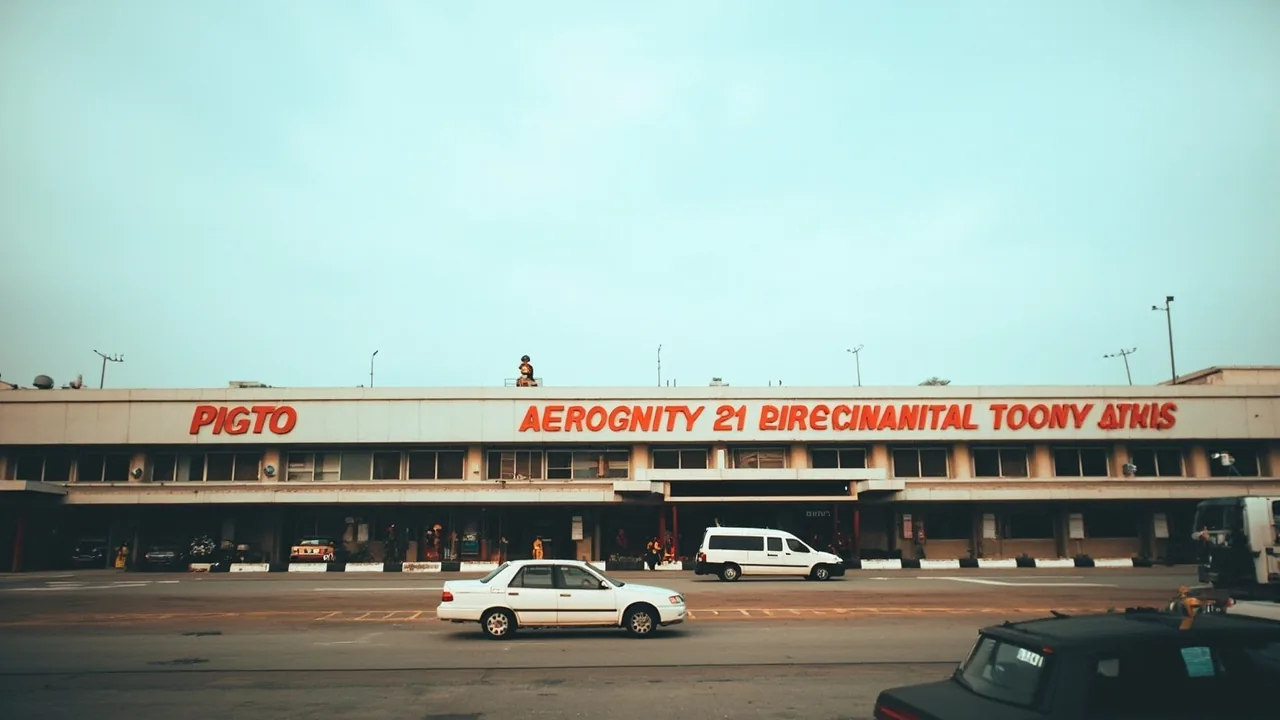
Yangon International Airport (RGN) Guide: Terminals, Transport & Layover Tips
Yangon International Airport, coded RGN by IATA and VYYY by ICAO, sits roughly 15 km north of downtown Yangon in Mingaladon Township. It is Myanmar’s busiest international gateway and the one almost every India-Yangon flight lands at. The airport has a single integrated terminal handling both domestic and international flights (T1), which simplifies things for first-time visitors but also means one crowded immigration hall for everyone. RGN is the answer to the “what is Yangon’s three-letter airport code” question: every airline ticket, every visa-on-arrival form, and every Grab pickup location in Yangon uses RGN as the airport identifier. For related planning, see our guides on Sea Backpacking Hub and Yangon Airport Car Rental.
For Indian travellers specifically, RGN works reasonably well: e-visa holders move through immigration in roughly 20 to 40 minutes off-peak, the airport has working ATMs on the arrivals level, and the SIM card counters in the arrivals hall stock tourist SIMs that activate within minutes. The two pain points are limited late-night transport (the last official taxi options thin out after 11 PM) and the persistent unofficial taxi touts at the exit. Below is how to handle both, plus everything else you need between the runway door and your Yangon hotel door.
Quick Answers
| What | Answer | Price (INR) |
|---|---|---|
| Airport IATA code | RGN | , |
| Distance to downtown Yangon | ~15 km | , |
| Cheapest public transport to city | Airport bus (Route YBS) | ₹62 (~$0.64) |
| Official taxi counter fare (city centre) | Fixed price at arrivals desk | ₹1,540 (~$15.99) |
| Tourist SIM at airport (MPT/Telenor) | 7-day data+voice pack | ₹770 (~$7.99) |
Terminal Layout at RGN
RGN’s Terminal 1 is the only operational passenger terminal. It handles all international and domestic flights under one roof, which is unusual for an airport this size and means you walk past domestic check-in counters on your way to immigration for international departures.
Arrivals level (ground floor): This is where you land. The flow is: disembarkation corridor → immigration counters (e-visa holders queue on the left, visa-on-arrival on the right) → baggage belt → customs → arrivals hall. The arrivals hall has currency exchange counters (rate runs roughly 5 to 8 percent worse than downtown), three bank ATMs (CB Bank, KBZ Bank, AYA Bank, all accept Visa, Mastercard reliability is mixed), a SIM card kiosk row (MPT, Ooredoo, Telenor/Mytel), and the official taxi desk. Wi-Fi is available but requires a Myanmar phone number for SMS Departures level (first floor): Check-in counters line the upper level, with separate rows for Myanmar National Airlines, Air KBZ, and the international carriers (Thai Airways, Malaysia Airlines, Singapore Airlines, IndiGo’s Yangon connection). Air conditioning works well, seating is plentiful past security, and there are a handful of decent coffee shops (a Black Canyon outlet, a local chain) charging airport prices.
Subodh’s Pro Tip: After immigration, walk past the currency exchange counters without stopping. The rates are 5 to 8 percent worse than what you’ll get in central Yangon, and you’ll need kyat for taxis anyway, so exchange the bare minimum (about 20,000 MMK for transport) and save the real exchange for downtown.
How to Get from RGN to Downtown Yangon
You have four practical options after landing at RGN, ranked by what most Indian backpackers pick.
1. Airport Bus (Cheapest)
The official airport bus, Route YBS (Yangon Bus Service) line, runs from a stop just outside the terminal to downtown (Sule Pagoda area) for about 2,000 MMK. It runs roughly every 30 to 45 minutes between 6 AM and 9 PM. The bus is clean, air-conditioned, and uses fixed stops. Total travel time including stops is 60 to 90 minutes depending on traffic.
This is the option for budget-conscious backpackers who arrive during operating hours. The catch: the bus stop isn’t well-signed, the timetable is flexible, and the bus gets crowded during morning peak hours (7 to 9 AM). Travellers report that the same bus also makes a useful run from downtown back to RGN for departures, which is worth remembering on your way out.
2. Official Airport Taxi Counter
Just past customs, you’ll see a marked “Airport Taxi” desk. They quote a fixed fare (around 50,000 MMK) to most downtown hotels. You pay at the counter, get a slip, and walk to the taxi rank outside where attendants match you with a vehicle. The cars are typically older Toyota Vios or similar sedans, air-conditioned, and the driver knows where your hotel is. This is the safest and most predictable option, especially if you’re arriving late or with luggage.
For 50,000 MMK you get a 30 to 50 minute ride door-to-door. That’s roughly three times the bus fare but ten times less stressful, and the price is locked so there’s no haggling at the kerb. Travellers report this is the option most Indian families landing with kids choose, and it pairs well with a hotel that’s hard to find on a map.
3. Ride-Hailing Apps (Grab)
Grab officially launched in Yangon in 2023 after a long absence, and it now operates in central Yangon and to RGN. Bookings to and from the airport work, but there are reports that drivers sometimes cancel on airport pickups due to long queues. The app shows the fare upfront (typically 25,000 to 35,000 MMK for downtown), and you can pay cash in kyat, which solves the Indian-card-rejection problem. If your driver cancels, wait five minutes and rebook, the second attempt usually sticks.
Grab works best for the reverse direction (downtown to RGN) where drivers can pick you up from any hotel lobby. For arrivals, the official taxi counter is more reliable.
4. Pre-Arranged Hotel Pickup
Most mid-range and upscale Yangon hotels offer airport pickup for 35,000 to 60,000 MMK, often with a name-plated driver at arrivals. If you’ve booked a hotel in advance, this is worth requesting, especially for late-night arrivals when bus service ends and Grab reliability drops.
Subodh’s Pro Tip: If you want the absolute cheapest leg without the bus hassle, walk out of the terminal, cross to the main road, and flag a regular city taxi. Negotiate hard. Travellers report getting downtown for 15,000 to 20,000 MMK this way, but you need to know the rough fare beforehand, have a map app ready, and accept the small risk of being overcharged by a driver who clocks you as a fresh arrival.
SIM Cards at RGN: Get Connected Before Leaving the Airport
The single most useful thing you can do at RGN is buy a SIM at the arrivals kiosk. Without local data, Grab doesn’t work, Google Maps can’t route you, and your hotel’s pin address means nothing. The airport counters are tourist-friendly, activate on the spot, and price-match what you’d find downtown.
MPT Tourist SIM: 7-day pack with 25 GB data and some local minutes, around 25,000 MMK. MPT has the widest 4G coverage in Myanmar including around Yangon.
Ooredoo Myanmar: Similar 7-day packs at 22,000 to 28,000 MMK, slightly faster in Yangon proper but spottier once you leave the city.
Telenor/Mytel: Cheaper plans, but travellers report inconsistent activation at the airport kiosk. Stick with MPT or Ooredoo for reliability.
You’ll need your passport for registration (the kiosk staff handles the form), and the SIM typically activates within 10 to 15 minutes. For travellers who want to skip the airport queue entirely or who need data before boarding the plane, Get Nomad eSIM gives you a Myanmar data package that activates the moment you land, no passport needed.
Safety Alert: Don’t accept “free SIM” offers from anyone outside the terminal, especially at the kerb. The official kiosks are inside the arrivals hall. Unofficial touts will sell you a SIM that either doesn’t work, was registered to someone else, or carries malware-laden config settings.
Where to Stay Near RGN vs Downtown
Yangon’s tourist zone is downtown (Sule Pagoda, Chinatown, Botahtaung areas), and that’s where 90 percent of Indian travellers stay. Hotels near the airport are mostly business-oriented and offer less value per dollar. The 30-to-50-minute drive downtown isn’t worth saving on a taxi fare.
For backpackers specifically, the cluster around Mahabandoola Garden and Sule Pagoda has most of the hostels and budget guesthouses. The area is walkable to the main markets, has plenty of Indian restaurants within a 10-minute radius, and offers easy access to Yangon Railway Station for onward travel.
If you have an early morning flight out, consider one airport-adjacent hotel for the last night, but book it through the same Yangon booking platforms you’d use downtown, rates are similar.
What to Eat Around Yangon (Post-Landing)
If you arrive during restaurant hours (most close by 9 PM), here’s what to know about eating in Yangon. Burmese food is heavy on rice, noodles, and salads, with strong Indian and Chinese influences from the migrant communities.
For your first proper meal, Nourish Cafe Yangon is a clean Western-Burmese hybrid that’s friendly to travellers, with healthy rice bowls around 8,000 to 12,000 MMK. Cafè City Yangon leans more local, with mohinga (the fish noodle soup that’s Burma’s national dish) at 3,000 to 5,000 MMK and good laphet thoke (tea leaf salad) for similar prices. DODO Yangon is the spot if you want a sit-down Burmese dinner with a view, their coconut chicken curry runs around 12,000 to 15,000 MMK and is genuinely good. The Yangon Restaurant is the no-frills local joint where you’ll eat next to office workers, with full Burmese set meals around 5,000 to 7,000 MMK. Signature is the upscale Burmese pick for a splurge dinner, where tea leaf salad and coconut chicken curry are the highlights and mains run 15,000 to 25,000 MMK.
When you need a dal-chawal fix, the Indian food scene in Yangon is solid. The Square @ Novotel is the international buffet option (about ₹2,890 (~30 USD) to ₹3,854 (~40 USD) per person, so 3,000 to 4,000 MMK for the all-you-can-eat), with Indian stations alongside Burmese, Thai, and Western food. Punjabi-Q is the family-run tandoori specialist with smoky vegetarian thalis around 6,000 to 9,000 MMK, exactly what you want after a long flight. Lumbini Garden covers the South Indian side of things, dosas and idlis around 4,000 to 6,000 MMK.
Vegetarian travellers will find more options than in most of Southeast Asia thanks to Myanmar’s Buddhist food culture. Mohinga variants with no fish, tea leaf salad, and coconut noodles are widely available, and almost every Indian restaurant above has a strong vegetarian section.
Common Mistakes Indians Make at RGN
Mistake 1: Not buying SIM at airport. Travellers wait, thinking they can buy SIM in town, then spend their first 90 minutes in Yangon hunting for a SIM kiosk. Get it at the airport.
Mistake 2: Paying touts at the exit. The men calling out “taxi, taxi” at the kerb quote 80,000 to 120,000 MMK for rides that the official counter sells for 50,000 MMK. Walk five metres past them to the marked counter.
Mistake 3: Not having the hotel address in Burmese script. Most Yangon taxi drivers don’t read English fluently. Ask your hotel to send a Burmese-script address via WhatsApp before you land, and show that to the driver.
Mistake 4: Exchanging too much at airport. The airport counter rate is poor. Exchange 20,000 MMK for the taxi and find a downtown money changer for the rest, you’ll save 5 to 10 percent.
Mistake 5: Skipping travel insurance for the layover. Even a one-night Yangon stopover warrants basic coverage. Medical care in Myanmar requires cash upfront at most clinics.
Getting from Yangon Onward: Domestic Flights and Buses
RGN connects to Myanmar’s other major destinations via both air and road. The domestic terminal is inside T1, just past the international departures area on the first floor, so you don’t need to leave the building for connections.
Yangon to Bagan by flight: 1 hour 5 minutes, around ₹1,156 (~12 USD) one-way. The cheapest and most popular onward route from RGN. Several daily flights on Myanmar National Airlines, Air KBZ, and Golden Myanmar Airlines. Book on 12go shows the broader Yangon-region options.
Yangon to Mandalay by flight: Roughly 1h 20m, typically the second-most-booked domestic leg. Search via 12go Yangon to Naypyitaw routes or Yangon to Bagan to compare timings.
Yangon to Mawlamyine by flight: Around 1 hour, fewer daily flights. Book on 12go.
Yangon to Bagan by sleeper bus: 9 to 10 hours overnight, leaving from Yangon’s Highway Bus Terminal (not from the airport). Yangon to Bagan sleeper bus guide covers the route in detail, including operator recommendations and what the buses look like.
Yangon to Bagan overland via Mandalay: Done in segments by train or bus. How to get from Yangon to Bagan breaks down the options.
For local ground transport in Yangon itself, the getting around Myanmar hub has the full breakdown of city buses, taxis, and the now-running Yangon metro.
Layover-Specific Tips (4 to 12 Hour Stops)
If you’re transiting through RGN without leaving the airport, three things matter:
Luggage storage: There’s no official left-luggage counter at RGN. Travellers report keeping bags at the airport information desk informally, but this is at your own risk and depends on staff willingness. Better option: take a Grab into downtown for a few hours, use hotel luggage storage.
Sleeping: The airport seating has limited padding and gets noisy after midnight. The Plaza Premium Lounge near international departures has day passes for around ₹2,408 (~25 USD), with showers, food, and quiet zones. Worth it for 6+ hour layovers.
Food: Arrivals and departures halls both have a few outlets. Prices are inflated 30 to 50 percent over downtown, but acceptable. For a proper meal, exit the airport and walk five minutes to the road where local restaurants serve meals for 3,000 to 5,000 MMK. Re-enter through security when you’re done.
Currency: If you’re stepping out for food, exchange at least 10,000 MMK at the airport counter. You’ll get worse rates but the kyat is needed for any local transaction.
Subodh’s Take
Yangon International Airport is one of the easier Southeast Asian airports to land in as an Indian traveller. The e-visa queue moves, the SIM kiosk works, and the official taxi counter fixes the fare so you don’t get haggled at the kerb. The mistakes that bite travellers are the obvious ones: not buying a SIM at arrivals, paying the kerb touts, exchanging too much at the airport counter, and not having a Burmese-script hotel address ready. Get those four right and the rest of Yangon opens up. Spend your time downtown eating mohinga and tea leaf salad at places like Cafè City and DODO Yangon, save the splurge buffet for Signature or The Square @ Novotel when you’ve earned it, and don’t skip the SIM card or you’ll spend your first day in the city staring at offline maps.
FAQ
What is the airport code for Yangon? The IATA code is RGN and the ICAO code is VYYY. Every flight ticket and visa form uses RGN.
How far is Yangon Airport from downtown? Roughly 15 km. The drive takes 30 to 50 minutes depending on traffic, longer during morning peak (7 to 10 AM) and monsoon rain.
Is there a Grab or ride-hailing option at RGN? Yes, Grab operates in Yangon and accepts airport pickups, but driver reliability varies. The official airport taxi counter is more dependable for arrivals.
Can I get a SIM card at Yangon Airport? Yes, MPT, Ooredoo, and Telenor/Mytel have kiosks in the arrivals hall. MPT and Ooredoo tourist SIMs cost 22,000 to 28,000 MMK for a 7-day data+voice pack.
Is there an airport bus to downtown Yangon? Yes, the official YBS (Yangon Bus Service) airport bus runs every 30 to 45 minutes from around 6 AM to 9 PM, costing about 2,000 MMK to Sule Pagoda in central Yangon.
Is it safe to take a local taxi from RGN at night? The official taxi counter is safe at any hour. Unofficial kerb taxis are riskier after dark due to the long drive on empty roads, use the counter.
What’s the cheapest way to get from RGN to my hotel? The YBS airport bus at 2,000 MMK. It’s clean, air-conditioned, and runs during daytime hours. The trade-off is the 60 to 90 minute total journey time vs 30 to 50 minutes by taxi.
