Solo Travel Itinerary: Social Hostels & Group Activities for Backpackers (2026)
📍 Scope: A corridor-style framework, Bangkok to Hanoi, built around social hostels ⏱️ Reading time: 10 minutes (the route itself is 3-4 weeks) 💰 Social hostel dorm: ₹715 (~250 THB or ~$7.42) to ₹1,715 (~600 THB or ~$17.81) per night in Thailand, equivalent range in Laos and Vietnam ✅ Best framework: Book a party hostel for arrival nights, a quieter social one for recovery, and let group activities fill the gaps For related planning, see our guide on Sea Backpacking Hub.
If you’ve ever landed in a new city at 11pm with a 12kg bag and no one to call, this guide is for you. Solo travel in Southeast Asia isn’t lonely if you build your itinerary around hostels designed for it. The corridor between Bangkok and Hanoi runs through three countries, four legendary party towns, and a string of hostels where the common kitchen is louder than the bar. I’ll show you how to structure a solo trip so the social bit is baked into the route, not bolted on.
At current rates (1 INR = 0.3486 THB, 1 INR = 270.27 VND, 1 INR = 232.56 LAK), dorm beds across this corridor average ₹858-₹1,429 (~300-500 THB or ~$8.90-$14.84), and ₹344-₹644 (~80,000-150,000 LAK or ~$3.57-$6.69), all cheaper than a private room anywhere on the trail.
Quick Answers
| What | Answer | Price (INR) |
|---|---|---|
| Is solo travel in Southeast Asia safe for Indians? | Yes, very. India is treated as a friendly country across Thailand, Laos, Vietnam. | ₹0 |
| Average social hostel dorm per night? | ₹858-₹1,429 (~300-500 THB or ~$8.90-$14.84) in Thailand, ₹551-₹1,102 (~150,000-300,000 VND or ~$5.72-$11.43) in Vietnam, ₹344-₹644 (~80,000-150,000 LAK or ~$3.57-$6.69) in Laos. | ~₹860-₹1,430 (~$8.93-$14.84) |
| Best group activity to meet people on day one? | Hostel pub crawl or free walking tour. Both run 6-9pm. | ₹1,429-₹4,288 (~500-1,500 THB or ~$14.84-$44.51) |
| How many days do I need to never eat alone? | Minimum 5 days per city. Below that, you stay a stranger. | ₹0 |
| Do I need to book group tours in advance? | Only cooking classes. Walking tours, pub crawls, and day trips sell out at the hostel reception. | ₹2,287-₹7,147 (~800-2,500 THB or ~$23.74-$74.19) |
What Makes a Solo Itinerary Work
The single biggest mistake solo backpackers make is treating social infrastructure as an afterthought. They book a cheap hostel, wander around alone, eat alone at a street stall, and then write a blog post about how “traveling solo is lonely.” It isn’t lonely. You just skipped the scaffolding.
A solo itinerary that works has three repeating elements, every single day:
- A social hostel with a common area designed for meeting people, not just sleeping cheaply.
- One scheduled group activity, pub crawl, walking tour, cooking class, day trip, kayak session.
- One meal taken with strangers you met that morning.
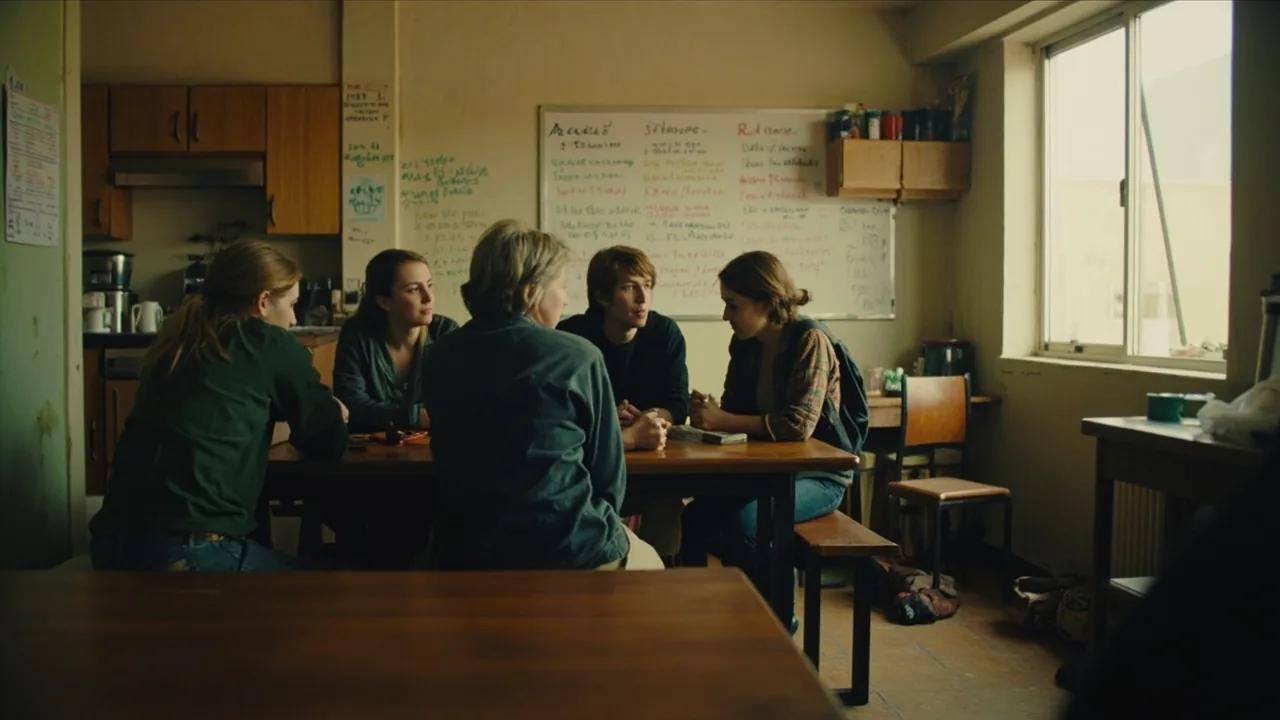
If you structure every day around that triad, you will eat alone exactly zero times on a 3-week trip. First-time solo travellers commonly go from quiet check-ins to having a WhatsApp group of 14 people inside 72 hours, just by staying at the right hostels and signing up for the activities on the common-room whiteboard.
The corridor between Bangkok and Hanoi is the best training ground for this. It’s cheap, the hostels are well-practised at welcoming solo travellers, and English is widely spoken in the common rooms.
The Bangkok to Hanoi Solo Corridor: Day by Day
This is the skeleton. You can stretch or compress it, but the structure is what makes it work.
Days 1-3: Bangkok (Thailand)
Land, crash, recover. Book a social hostel near Khao San Road for your first two nights, even if you think you’re “not a Khao San person.” The point isn’t Khao San itself. The point is that every solo backpacker in Southeast Asia passes through here in their first 72 hours, and the hostels know exactly how to mix you into a group by nightfall.
Day one: Arrive, sleep, do nothing. Day two: Free walking tour at 10am (these run from almost every major hostel in the area), then a cooking class at 2pm, then a hostel pub crawl at 8pm. By midnight you will have eaten with at least six people. Day three: Day trip to Ayutthaya on a hostel-organized minivan, where you meet a second wave of people who arrived yesterday.
Subodh’s Pro Tip: Book the same hostel for three nights, not two. On a solo trip, night three is when the strangers from night one become your actual travel companions for the next stop. Move on day four and you’ll regret it.
Days 4-5: Chiang Mai (Thailand)
Overnight train north. Stay in a social hostel inside the old city moat, not outside. The difference is everything: inside the moat, every other traveller you meet is a 5-minute walk. Outside, you’re back to solo wandering.
Chiang Mai’s solo backpacker infrastructure is best in Thailand. Almost every hostel runs an ethical elephant sanctuary day trip, a jungle trek, a Saturday Walking Street, and a cooking class. Sign up for one each day. You’ll eat dinner with the same 4-6 people for three nights running, which is exactly the point.
The sleeper train from Bangkok is also the single best way to start the social part of your trip. Travellers report that the people you meet in a 14-hour train cabin become your travel group for the next city.
Days 6-7: Pai or Slow Down (Thailand)
Optional, but if you need a quieter social hostel, Pai works. Smaller, fewer people, deeper conversations. Skip it if you want to keep moving.
Days 8-9: Chiang Mai to Luang Prabang (Cross into Laos)
The slow boat from Chiang Mai to Luang Prabang is widely described as the most social two days in Southeast Asia. Forty backpackers, two days, one boat. By the time you dock you’ve eaten, played cards, and shared a bottle of Lao whisky with half the boat. For border crossing details, see our Laos to Vietnam border crossings guide.
Stay in a social hostel near the night market in Luang Prabang. Alms-giving ceremony at dawn is a quiet group activity, half the hostels run sunrise trips together. Then cooking class in the afternoon, pool hall by night.
Days 10-12: Vang Vieng (Laos)
Vang Vieng used to be a party-town cautionary tale. It’s calmed down a lot, but it’s still the most social hostel corridor in Laos. Kayaking, cave tubing, lagoons, tubing down the Nam Song with groups that form at breakfast.
Stay a minimum of two nights. Three is better. Vang Vieng rewards slow travellers.
Safety Alert: Tubing in Vang Vieng is now regulated. The old “rope swings into the river” culture is mostly gone. Stick to the hostel’s group tubing trip, not independent setups, and you’ll have a safe, fun time.
Days 13-14: Vientiane to Hanoi (Cross into Vietnam)
Bus from Vientiane to Hanoi is a 24-hour commitment but the hostels in Hanoi run sleeper buses. Or fly if you want to save time. Either way, Hanoi is your arrival city and it deserves a proper social hostel in the Old Quarter.
Days 15-18: Hanoi (Vietnam)
Hanoi’s Old Quarter has more social hostels per square kilometre than anywhere else in Vietnam. Free walking tour, cooking class, a Ha Long Bay overnight tour (every hostel in Hanoi books this, it’s a group trip by default), and a street food tour across the four days. For the Ha Long Bay logistics, see our Hanoi to Ha Long Bay guide.
Subodh’s Pro Tip: Ha Long Bay tours are almost always 2-day, 1-night group trips with 12-20 people. The boat is a floating hostel for 24 hours. Travellers report that the people you meet on a Ha Long Bay boat become your Hoi An travel group three days later. Book it on arrival in Hanoi, don’t pre-book online, the hostel price is the same and you’ll meet your boat-mates at the hostel the night before.
Days 19-21: Hoi An or Continue South
Optional extension. Hoi An has social hostels with cooking classes, beach proximity, and a slow pace that’s good for a solo traveller who’s been moving for three weeks. Or head south to Ho Chi Minh City for a different rhythm.
The corridor is modular. Drop a city, add a city, the structure survives.
The Five Group Activities That Work
Not all group activities are equal. Here’s what builds a travel group versus what just fills a day.
1. Free walking tours (10am, 2-3 hours)
Every major city in Southeast Asia has one. Tip-based, 2-3 hours, 15-30 people. You meet a third of your hostel at 9:45am and by noon you have lunch plans. This is the highest-ROI social activity in any solo itinerary.
2. Hostel pub crawls (8pm)
Skip if you’re not into drinking, but if you are, this is how you meet people outside your dorm. Most crawls are 4-5 bars with drink deals and a free shot at each. Cost is usually ₹1,429-₹4,288 (~500-1,500 THB or ~$14.84-$44.51), including drinks.
3. Cooking classes (2-5 hours)
Slower, smaller groups (6-12 people), longer-lasting friendships. You cook together, eat together, swap travel plans. Best ones in Chiang Mai, Hoi An, Hanoi.
4. Day trips and multi-day tours (full day or overnight)
Ha Long Bay, Ayutthaya, ethical elephant sanctuaries in Chiang Mai, kayaking in Vang Vieng. You travel together, eat together, share a bus or boat together. This is where surface-level hostel friendships turn into real travel companions.
5. Hostel common dinners (7pm, optional)
Some hostels run a “group dinner” every night where solo travellers pile into a local restaurant. Rare, but when you find one, it solves the entire “where do I eat tonight” problem.
Subodh’s Pro Tip: Sign up for one group activity per day, not three. Burnout is real, and solo time is part of why you came. One activity, one social meal, the rest of the day is yours.
How to Pick the Right Social Hostel
Not every hostel with a bar is a social hostel. Here’s what matters.
Common area design: Look for hostels where the common area is the centre, not an afterthought. Big tables, communal seating, a kitchen that gets used at 7pm.
Organized events: The hostel’s website or Hostelworld listing should list at least one daily activity. No activities = no built-in social life.
Dorm size: 6-8 beds is the sweet spot. 12+ is anonymous, 4-bed is too small to form a group. Solo travellers report that 6-8 bed dorms create the fastest friendships.
Location: Inside the action, not 20 minutes from it. You’ll go out less if the hostel is inconvenient.
Reviews mentioning solo travellers: Sort by “solo traveller” filter on Hostelworld. If other solos say they made friends, you will too.
Don’t book the cheapest hostel in the city. Book the best-rated social hostel. The difference is ₹572 (~200 THB or ~$5.94) per night and an entire trip’s worth of company.
Eating Alone: When It’s Fine
You will eat alone sometimes. That’s okay. Travellers report that the best moments on solo trips are the solo meals: a bowl of pho at a Hanoi street stall at 6am, a Chiang Mai khao soi at a tiny counter with three stools, a Vang Vieng riverside lunch with a book.
The point of the social hostel structure isn’t to never eat alone. It’s to never eat alone because you couldn’t find anyone. Sometimes you want pho at 6am. Sometimes you want to sit with a book. Both are valid.
The structure just makes sure you have the option. Solo travellers who skip the social hostel scaffolding don’t have the option. They eat alone because they couldn’t find company, not because they chose to.
Common Solo Itinerary Mistakes
Booking a private room for the social cities: You’re paying double and skipping the common area. The whole point of the social hostel is the dorm. If you want privacy, book private nights in quieter cities.
Staying only 1-2 nights per city: Below 3 nights, you’re perpetually starting over. 3-4 nights minimum per social city.
Avoiding group activities because they feel “touristy”: They’re not touristy, they’re social infrastructure. The cooking class in Chiang Mai is the same one the group tour people take. That’s where the group is.
Picking hostels by price, not by social rating: The cheapest hostel is the loneliest hostel. Spend the extra per night for a better-rated social hostel.
Not extending when you find your group: If you find a group of 4-5 people on day two, ask if anyone wants to go to the next city together. Most will say yes. The trip gets better.
Adapting This Framework to Other Regions
This isn’t just a Southeast Asia itinerary. The social hostel + group activity framework works everywhere.
Solo travel itinerary Japan: Japan’s solo culture is different, hostels are quieter, but ryokans with shared dinners and walking tours in Kyoto and Tokyo work the same way. Day trips from Kyoto (Nara, Osaka) are your group activities.
Solo travel itinerary Europe: Hostel pub crawls, free walking tours, and Interrail day trips are even more developed than Southeast Asia. The framework is identical.
Solo travel itinerary Goa: Smaller scale, but Anjuna and Arambol have backpacker hostels with community dinners, beach sunsets, and weekly flea markets where travellers cluster. Two weeks in Goa with a social hostel solves the “eat alone” problem.
The destination changes, the structure doesn’t.
Getting Connected
You’ll be on the move, in boats, on sleeper trains, in hostels with patchy Wi-Fi. A local SIM is the cheapest fix (₹858 (~300 THB or ~$8.90) / 7-day tourist SIM at any 7-Eleven in Thailand, equivalent low-cost SIMs in Laos and Vietnam). If you don’t want to swap SIMs at every border, Get Nomad eSIM covers all three countries on a single plan.
For transport along this corridor, compare sleeper trains, buses, and the slow boat on 12go.
FAQ
Is solo travel in Southeast Asia safe for Indian women? Yes. The corridor is well-trodden, hostels are used to solo female travellers, and Thailand, Laos, and Vietnam treat Indian tourists warmly. Stick to social hostels, not isolated guesthouses, and you’ll be fine.
How do I meet people if I’m shy? Free walking tours. You show up, you walk, you listen. No need to be outgoing. By the end of the tour, half the group will be asking what hostel everyone is staying at. Quiet people make friends faster in hostels than loud ones, because the loud ones are at the bar and the quiet ones are in the kitchen.
Can I do this trip vegetarian? Yes. Every city on this corridor has Indian restaurants or pure-vegetarian Jay restaurants. Chiang Mai, Hanoi, and Luang Prabang are particularly good. Don’t rely on hostel kitchens for Indian food, eat at the Indian spots. The vegetarian food tour covers the details.
Do I need to book hostels in advance? For peak season (December-February) and full-moon parties, yes. For the rest of the year, walk-in works at every major hostel on this corridor. Hostelworld’s “free cancellation” filter lets you book now and change plans later.
What if I don’t drink alcohol? You can skip pub crawls and still make friends. Cooking classes, day trips, and walking tours are all alcohol-free. Many hostels run morning yoga, language exchanges, and group hikes that don’t involve a bar. The “social” part of a social hostel is the structure, not the beer.
Subodh’s Take
The honest truth about solo travel: the loneliness is optional, but you have to build the social scaffolding or it won’t happen. The corridor between Bangkok and Hanoi is the easiest place on earth to never eat alone, because every hostel on the route has spent fifteen years figuring out how to make solo travellers into travel groups by day three. Pick the right hostels, sign up for one group activity a day, and the trip you remember isn’t the one where you were alone. It’s the one where you’re still in a WhatsApp group with eleven people you met at a hostel kitchen in Chiang Mai. If you want the whole thing pre-built, our trip runs this exact loop with social hostels, group activities, and zero solo logistics.
