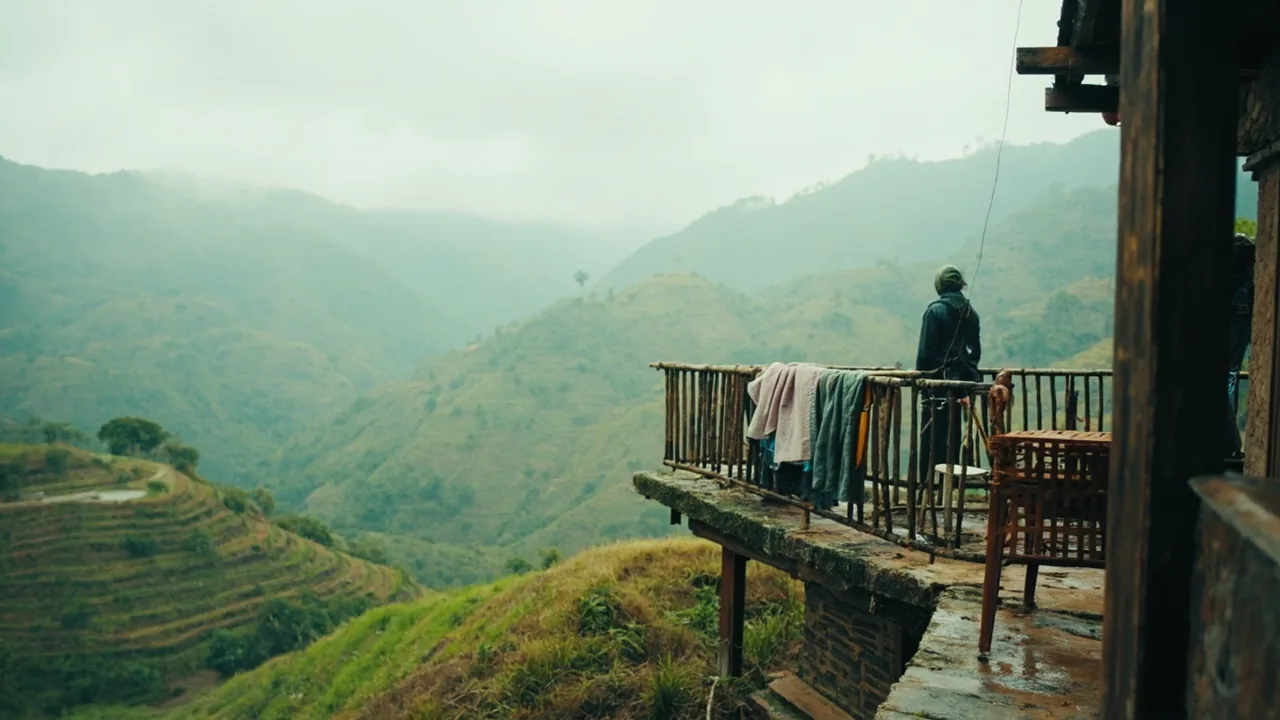
Sapa vs Da Lat: Which is Better for Indians in November? Trekking, Weather & Homestay Compared
Sapa or Da Lat which is better for Indians visiting Vietnam in November?
If you want raw mountain trekking, real hill-tribe homestays, and cold November air that feels like a Himachal winter, pick Sapa. If you want a calmer hill station with proper cafes, a flower-framed lake, and lighter walks the kids can finish without complaining, pick Da Lat. Both are legit. They just scratch different itches for different Indian travellers.
I cross-checked prices and November weather against Vietnam’s official tourism data and traveller reports from late 2025 / early 2026, so the numbers below reflect what you’ll find when you land. One important note before we start: the Vietnam e-Visa is the same cost for either destination. You only need one visa for the whole country, not a separate one for Sapa and another for Da Lat.
Planning the rest of Vietnam too? Our SE Asia backpacking hub covers visas, routes, and costs for Indian travellers across the region.
Quick Answers
| What | Answer | Price (INR) |
|---|---|---|
| November weather | Sapa: 8 to 18°C, rain possible, fog on summit days. Da Lat: 15 to 22°C, dry season starting | — |
| Cheapest dorm bed | Da Lat, slightly cheaper overall | ₹663 (~180,000 VND or ~$6.88) |
| Most expensive dorm bed | Sapa, peak November weekend rates | ₹1,326 (~360,000 VND or ~$13.75) |
| e-Visa fee (Indian passport) | Same for both, ₹2,410 (~25 USD), multiple entry, 90 days | ₹2,410 (~25 USD) |
| Trek difficulty | Sapa harder (mud, stairs, longer days). Da Lat easier | — |
Verified 2026-07-17 at 1 INR = 271 VND. All prices below written in Vietnamese Dong (VND), the local currency you’ll pay in.
Quick Comparison Table
| Factor | Sapa | Da Lat |
|---|---|---|
| Daily budget | ₹2,210-₹4,420 (~600,000-1,200,000 VND or ~$22.92-$45.84) | ₹1,842-₹3,683 (~500,000-1,000,000 VND or ~$19.10-$38.20) |
| Visa for Indians | e-Visa, ₹2,410 (~25 USD), multiple entry, 90 days | e-Visa, ₹2,410 (~25 USD), multiple entry, 90 days |
| Best months | March to May, late September to November | December to March, June to August |
| November specifically | Cool, misty, terrace fields lit up, rice harvest | Drier than Sapa, mild, comfortable |
| Veg food availability | Decent, two strong vegan kitchens, Indian food scarce | Decent, more cafe options, Indian food still limited |
| Safety (solo) | Good, watch slippery steps on treks | Good, watch motorbike traffic |
| English spoken | Patchy outside hostels and tour guides | Patchy, slightly better in touristy cafe area |
| Vibe | Misty mountain town, trekkers, hill-tribe villages, 50 shades of fog | French-colonial hill station, pine forests, lakes, cafes with roasts |
| Best for | Trekkers, photographers, anyone who wants to feel like they’re earning the view | Couples, families with kids, slow travellers, cafe lovers |
Choose Sapa If…
- You want real trekking, not a “walk around the lake.” Sapa’s trails go up and down for hours through H’mong, Dao, and Giay villages, and you stay overnight in a hill-tribe homestay with the family cooking dinner over a wood fire. The homestay authenticity here is what most travellers mean when they say “Vietnam trip that felt different.”
- You’re travelling solo and want to meet other backpackers. Sapa in November packs hostels with trekkers from Korea, Europe, and Australia doing the same overnight route, so it’s easy to find company. Check hostels below for the social ones.
- You’re a photographer. November is rice-harvest season and the terraces go gold and yellow before they flood for winter. Morning fog burning off Fansipan is a once-in-a-trip shot if you time it.
- You’ve already done Hanoi and want mountain air without flying to a new country. Sapa is the same country, one night bus from Hanoi. Our Sapa city guide covers hostels, trek routes, and where to eat.
Choose Da Lat If…
- You’re travelling with kids (older parents). Da Lat’s terrain is gentle. The lake has flat walking paths, the crazy house is a five-minute look-around, the flower gardens are stroller-friendly, and the weather is mild instead of cold-misty. None of that is true of Sapa in November.
- You want cafes, coffee culture, and a slower pace. Da Lat is Vietnam’s coffee capital. There are proper espresso bars, roasters, and cafes with lake views where you can sit for two hours with a ₹129 (~35,000 VND or ~$1.34) egg coffee and read. If “I want to drink good coffee in a pine forest” is your trip vibe, Da Lat wins.
- You want comfort and a French-colonial feel. Da Lat has boutique stays, bakeries, the old railway station, and a night market that is genuinely fun to walk. It’s more “hill station” in the Indian sense, more like Ooty than like Manali.
- You’re doing a southern Vietnam loop. Da Lat fits neatly between Ho Chi Minh City and Nha Trang. Sapa requires backtracking north.
Sapa. Pros and Cons
Pros:
- Real trekking with village homestay overnight. The authenticity travellers talk about is real: you sleep on a wooden floor, eat what the family eats, and walk through rice terraces the next morning with nobody else around.
- November rice harvest. The terraces change colour week to week. If you time late October or early November, you’ll see harvest activity. By late November the fields are flooded and reflective.
- Better hostel social scene. Backpackers converge here for the trek, so hostels run group dinners, trek sign-ups, and beer on the rooftop.
Cons:
- November weather is hit or miss. Cold, foggy, and the summit can be invisible for days. Bring layers and waterproofs, not just a hoodie.
- Logistics are harder. It’s a six to seven hour sleeper bus from Hanoi, or a 35-minute transfer to Lao Cai station plus a one-hour mountain train. Da Lat has a small airport with direct flights from HCMC.
- Trek routes get slippery. November rain means muddy trails and stairs. If you have bad knees or want to skip the physical stress, you’ll be a frustrated traveller.
- Indian food is scarce. A few places do veg-friendly Vietnamese food but you’ll struggle to find a proper dal-rice. Da Lat is slightly better on this front.
Da Lat. Pros and Cons
Pros:
- Easy to enjoy with kids or non-trekkers. Cable car, flower garden, lake paddle boats, the crazy house, easy valley walks. Travellers with three-year-olds or sixty-year-old parents all rate it as low-stress.
- Coffee and cafe culture. Egg coffee at ₹129 (~35,000 VND or ~$1.34), Vietnamese coffee at ₹66 (~18,000 VND or ~$0.69), and proper roasters in the old town. Travellers who care about this stuff rate Da Lat the best coffee city in Vietnam.
- Weather is mild in November. Around 15 to 22°C, dry season starting. You don’t need the winter jacket Sapa demands.
- Good southern Vietnam stop. It’s three to four hours from Nha Trang by bus, fits into a HCMC-Da Lat-Nha Trang loop easily.
Cons:
- The trekking is mild. If your main goal is multi-day village trekking, Da Lat disappoints. You’ll do day walks, a waterfall visit, maybe a canyon trip, but it’s not the same physical experience as Sapa.
- Homestays are less authentic. Most Da Lat “homestays” are boutique stays with the word homestay in the name. The deep-village sleeping-on-the-floor experience lives in Sapa.
- Nightlife is thin. A few bars and the night market, but if you’re chasing a Da Lat party scene you’ll be disappointed. Travellers who want a bigger nightlife scene generally stay in HCMC or Hanoi.
Cost Comparison in VND
| Expense | Sapa (VND) | Da Lat (VND) |
|---|---|---|
| Dorm bed (avg/night) | 180,000 to 360,000 | 150,000 to 300,000 |
| Street food meal | 20,000 to 50,000 | 20,000 to 50,000 |
| Restaurant meal | 80,000 to 150,000 | 80,000 to 150,000 |
| Local transport (per day) | 100,000 to 250,000 | 100,000 to 250,000 |
| SIM card (tourist, 30 days) | 70,000 to 100,000 | 70,000 to 100,000 |
| Visa fee (e-Visa, ₹2,410 (~25 USD)) | ₹2,410 (~25 USD) | ₹2,410 (~25 USD) |
| Top activity (overnight trek with homestay) | 1,200,000 to 1,800,000 | 800,000 to 1,200,000 (canyoning or day hike) |
| Beer (local, large) | 25,000 to 40,000 | 25,000 to 40,000 |
| 7-day total (strict budget) | 4,500,000 | 3,800,000 |
| 7-day total (comfortable) | 9,000,000 | 7,500,000 |
Rates verified 2026-07-17 against current hostels and operator quotes. Sapa’s trek and homestay package is the single biggest line item in either trip. Budget versions include the trek plus basic dorm and street food; comfortable versions cover mid-range private rooms and a couple of sit-down meals.
The Bananarchy Take
Honest call: if you’re a first-timer to Southeast Asia and you have kids, parents, or a partner who doesn’t want to trek for two days straight, Da Lat is the smarter pick. It’s gentler, the coffee is genuinely great, and November weather gives you long dry days instead of Sapa’s fog roulette.
But if you’re travelling solo or with a small group of fit friends and the goal is “I want a trek I will talk about for years,” Sapa wins. The Fansipan area, the H’mong village homestays, and the November harvest terraces together make it the more memorable mountain trip in Vietnam. It’s also where you’ll meet other backpackers heading in the same direction, which makes it social in a way Da Lat isn’t.
One more thing most comparisons skip: the Ha Giang Loop is harder than Sapa, period. It’s motorbike-only, takes four days, and the November cold on the high passes is real. If you’re choosing between the two, Sapa is the trek-with-homestay option, Ha Giang is the motorbike road-trip option. They are not substitutes.
For the Sapa vs Ninh Binh one-day tour debate, the answer is even simpler. Ninh Binh is a flat, hot day trip from Hanoi with a boat ride and a few temples. Our Ninh Binh city guide covers the full itinerary. Sapa is a mountain trek with overnight stays. If you only have one day in northern Vietnam and don’t want to commit to a trek, Ninh Binh makes sense. If you have two or three days and want the real thing, Sapa is in a different category.
Our single trip covers both kinds of travellers: trek days in the north, slow hill-station days in the central highlands, then the rest of Vietnam, Laos, and Cambodia on one fixed-cost loop. If you’ve been on the fence about which style of trip fits you, the route handles both.
Where to Stay
Sapa hostels from the shortlist:
| Hostel | Rating | Vibe | Book |
|---|---|---|---|
| Amica House | 9.96 | Social, trek sign-ups, rooftop | Check prices |
| The Zen House Sapa | 9.96 | Quiet, mountain views, slower pace | Check prices |
| Moc Home Sapa | 9.72 | Mid-range, family-friendly rooms | Check prices |
| Venus Sapa Hostel | 8.62 | Budget dorm, central location | Check prices |
| Da Lat accommodation is mostly boutique hotels and homestays rather than backpacker hostels, which is part of why the dorm scene there is thinner. If hostel-style dorms are non-negotiable for you, that is another point for Sapa. |
What to Eat (and Where)
Sapa has a small but solid set of vegan and veg-friendly kitchens that cater to the trekking crowd:
- Andee Sapa Restaurant & Vegan (rating 4.8). Vegan-friendly menu with local flavours, easy on the stomach after a trek day.
- Thong Dong Vegan Kitchen & Cafe (rating 4.9). The clear winner for veg travellers. Vegan spring rolls, jackfruit curry, and a garden setting that makes the ₹258-₹368 (~70,000-100,000 VND or ~$2.67-$3.82) price tag feel reasonable. Travellers who want a sit-down veg meal in Sapa usually end up here twice.
Beyond these two, you eat Vietnamese at the night market: grilled meats on skewers, sticky rice in bamboo, and pho for breakfast at ₹147 (~40,000 VND or ~$1.53) a bowl. A banh mi from any corner stall is ₹55 (~15,000 VND or ~$0.57). Da Lat has more cafe-style veg food plus the night market stalls selling soy milk, rice porridge, and avocado smoothies at ₹74 (~20,000 VND or ~$0.76), all vegetarian. Neither city has a strong Indian restaurant scene, so if you need dal-rice you are cooking it yourself or picking the vegan spots above.
Top Things to Do in Sapa
The mountain region has a small set of genuinely worth-it stops outside the trek itself:
- Hang Pho Temple (rating 4.5). A small hilltop temple with views over Sapa town and the valley. Free entry, donations welcome. Travellers report it’s the best sunset spot in town when the fog clears. Hang Pho Temple tour
- Sapa Park (rating 4.2). The town centre park with the lake and the locals doing morning exercise. Worth a 30-minute walk on your first morning to get oriented. Sapa Park tour
- Tu Viện Tả Phìn (rating 4.1). A red-brick monastery 20 minutes outside town. Quiet, photogenic, and a good add-on if you have a half day. Tu Viện Tả Phìn tour
- The overnight trek itself. One to three days with a H’mong or Dao family. Most hostels sell it for ₹4,420-₹6,629 (~1,200,000-1,800,000 VND or ~$45.84-$68.77) including guide, meals, and homestay. This is the main reason to come.
Getting Connected
Vietnam has solid 4G coverage in both towns, and a tourist SIM is cheap. Viettel and Mobifone both run 30-day tourist packages at ₹258-₹368 (~70,000-100,000 VND or ~$2.67-$3.82) with around 3 to 5 GB per day. Pick one up at the airport or any Viettel store in town with your passport. If you’d rather skip the queue, an eSIM works on arrival, gets activated the moment your plane lands, and skips the store trip entirely. Get Nomad eSIM.
Can You Do Both?
Yes, and it’s a common Vietnam loop for backpackers who have two weeks. The order matters: Sapa first, then Da Lat. Sapa is north of Hanoi and Da Lat is in the central highlands, so you go Hanoi → Sapa (sleeper bus, six to seven hours) → back to Hanoi → fly to Da Lat (to HCMC then onward). If you’re also weighing Thailand, our Thailand vs Vietnam comparison breaks down the costs and vibe for Indian travellers.
The realistic split is three nights Sapa, two nights Da Lat, two nights Hanoi on either end. Budget around ₹22,098-₹33,147 (~6,000,000-9,000,000 VND or ~$229.22-$343.84) total including the inter-city transport, which is the same as one of them on its own for a comfortable trip. Travellers report the order doesn’t feel rushed if you keep Da Lat as the recovery days after the trek.
If you only have seven days, pick one. Trying to do both in a week means a full day on a bus each way and you arrive too tired to enjoy either. The route gets more interesting at the ten-day mark or longer.
FAQ
Is Sapa or Da Lat better for Indians in November?
Sapa for trekkers and photographers chasing the rice-harvest season. Da Lat for families, kids, and slow travellers who want mild weather and good coffee. Both work in November, but they scratch different itches.
Can I do Sapa with kids?
Possible for kids aged eight and up who are used to walking. Younger kids will struggle with the muddy November trails and the cold. Da Lat is the better family pick across all ages.
Is the Sapa homestay experience authentic?
Yes. The overnight village homestay is the real thing: wooden floor, shared meal, no Wi-Fi, and a fire. Travellers consistently rate it as one of the most memorable parts of a Vietnam trip.
Ha Giang Loop vs Sapa: which is harder?
Ha Giang is harder and longer. It’s a four-day motorbike loop on mountain roads, while Sapa’s trek is one to three days on foot. Our full Ha Giang Loop backpacking guide covers the route, costs, and difficulty. Pick Sapa if you don’t ride a motorbike, pick Ha Giang if you do and you have the time.
Do I need a separate visa for each?
No. One Vietnam e-Visa (₹2,410 (~25 USD), 90 days, multiple entry, applied for at https://evisa.xuatnhapcanh.gov.vn) covers the whole country, including both Sapa and Da Lat.
Which is cheaper overall?
Da Lat, by about 15 to 20 percent on a seven-day budget trip. The trek and homestay package in Sapa is the biggest line item in either itinerary.
What about Indian food in either city?
Limited in both. Vegan Vietnamese kitchens in Sapa (Thong Dong) and the cafe/restaurant scene in Da Lat are your best options. If you need a full Indian thali every day, neither city delivers.
Subodh’s Take
If you’re reading this article, you probably already know which one you want. The real decision is simple: trek hard in the north, or slow down in the central highlands. Both are worth it. Pick the one that matches the trip you’re trying to have, and if you can stretch to ten days, do both.