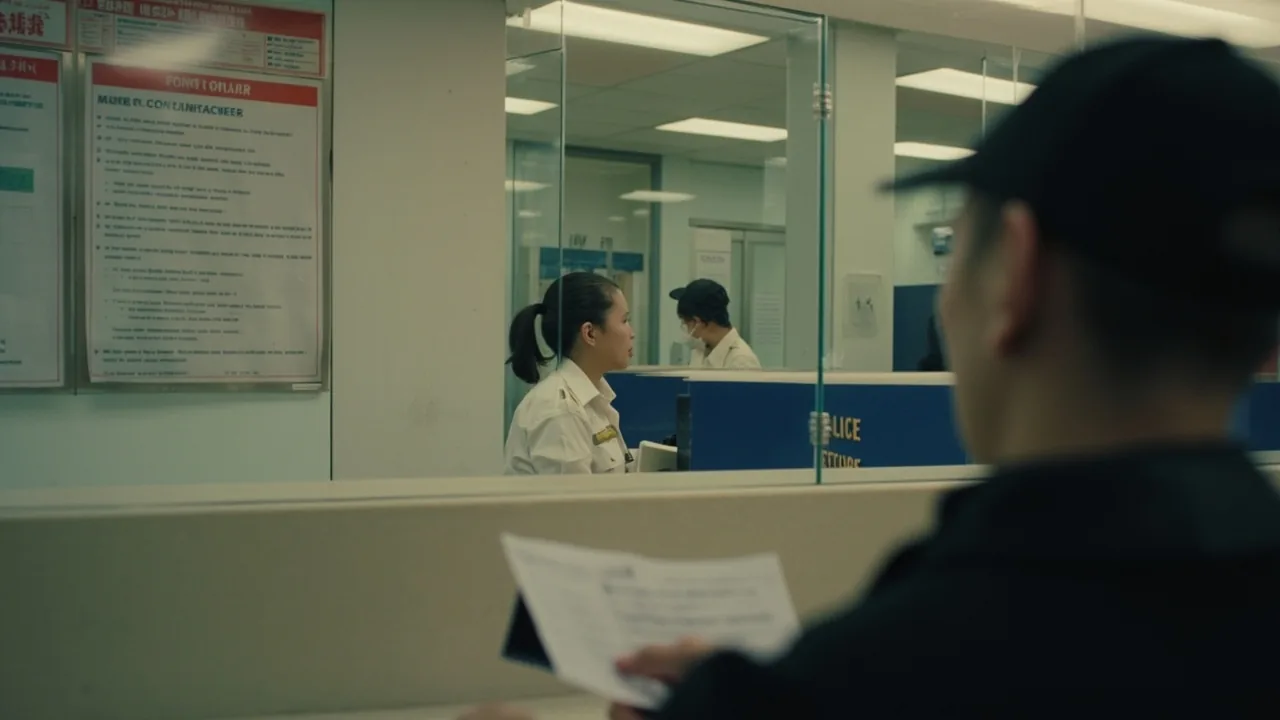
Got Scammed in Singapore? Here’s Exactly How to Report It and Get Help
Verified against Singapore Police Force’s official scam reporting portal and the Immigration & Checkpoints Authority (ICA) public guidance page on 17 July 2026. Singapore is statistically one of the safest cities in the world, but no place is scam-proof, and Indian travelers do get caught by overcharging taxi drivers, fake “tourist passes,” phishing calls impersonating MAS or Singtel, and the occasional credit-card skimmer on older ATMs. The good news: Singapore’s reporting infrastructure is fast, multilingual, and tourist-friendly. The bad news: if you wait more than a few days, your chances of recovery drop sharply. This guide tells you exactly who to call, what to click, and which documents to keep ready. Planning the wider region? Our Southeast Asia backpacking hub covers the full multi-country route.
Quick Answers
| What | Answer | Price (INR) |
|---|---|---|
| Police emergency hotline (SPF) | 999 | Free |
| Police non-emergency hotline | 1800-255-0000 | Free |
| Anti-Scam Centre (ASC) helpline | 1800-722-6688 | Free |
| ScamShield app (official SPF + NCPC) | Free download, iOS + Android | Free |
| File online police report (I.Witness) | https://www.police.gov.sg/iwitness | Free |
| Tourism feedback / assistance (STB) | 1800-736-2008 | Free |
| Indian High Commission in Singapore | +65-6737-6777 | Free |
All helplines above are verified against official government sources as of 17 July 2026.
Singapore-Specific Scams Indian Travelers Fall For
Singapore scams are rarely aggressive. They are polite, well-dressed, and sometimes wear lanyards. That’s what makes them effective against Indian tourists who expect scams to look “shady.”
1. The “tourist pass” or “attraction discount card” scam. A friendly person near Marina Bay Sands, Orchard Road, or outside Chinatown MRT offers you a “special tourist discount card” for ₹2,241-₹3,734 (~30-50 SGD or ~$23.26-$38.76). They claim it gives you free entry to attractions, unlimited MRT, and restaurant deals. What you get is a stack of expired promo vouchers or, worse, a card loaded with nothing. The legit version is the Singapore Tourist Pass (STP), sold only at MRT stations and selected convenience stores, priced at SGD 10/day (with a ₹747 (~10 SGD or ~$7.75) refundable deposit). If someone on the street is selling you a card, walk away. Read the full Singapore MRT and tourist pass guide before you buy anything that claims to be transit-related.
2. The “unpaid MRT fine” / “ICA officer on the line” call. You get a call (WhatsApp message) from someone claiming to be from ICA, SPF, or MAS saying you have an unpaid fine, an immigration violation, or a money-laundering investigation linked to your passport number. They demand payment in gift cards, cryptocurrency, or a bank transfer. Singapore government agencies do not call foreigners to demand fines over the phone, and they do not accept iTunes or Steam gift cards. Hang up. Report the number to the Anti-Scam Centre. For the full breakdown, see Singapore laws and fines tourists should know.
3. The overcharging taxi or “meter broken” ride. Most Singapore taxis run by the meter, and the flag-down fare is displayed on the door. The old scam: a driver claims the meter is “spoiled” and quotes a flat rate three times the metered fare, especially late at night from Changi or Geylang. If the meter is broken, ask them to use the ride-hailing app (Grab, Gojek, ComfortDelGro) instead, or get out and take the next cab. Surcharges are legal and shown on the meter, including the midnight surcharge (50% extra, midnight to 5:59am) and the Changi Airport surcharge (₹597 (~8 SGD or ~$6.20) weekday, ₹747 (~10 SGD or ~$7.75) weekend). Anything on top of those numbers is negotiation, not law.
4. The “lucky draw” / “free gift” street pitch. Someone approaches you with a small gift (a flower, a pen, a friendship bracelet) or a “lucky draw entry form” near Lucky Plaza or Orchard. Once you stop, they push a hard sell on a timeshare, a beauty package, or a crypto “investment.” The polite version of this scam is hardest to refuse, but the right move is to keep walking. Don’t touch the gift, don’t sign anything, don’t scan any QR code they hand you. For broader safety patterns and street awareness, see Singapore safety guide for Indian tourists.
How to File a Police Report in Singapore (Step by Step)
Singapore makes this easier than almost any other country, but only if you act in the first 24-72 hours.
Step 1: Call the right number immediately.
- If you are still at the scene and feel unsafe: dial 999.
- If the scam is over and you just need to report it: dial 1800-255-0000 (SPF non-emergency) or 1800-722-6688 (Anti-Scam Centre, weekdays 9am-5pm).
- For the tourism-specific angle: 1800-736-2008 (Singapore Tourism Board Visitor Services).
Step 2: Preserve evidence before you sleep on it. Screenshot the chat, save the phone number, photograph the receipt, note the cab plate number, and write down the time and exact location. Singapore police actively investigate cybercrime and ATM skimming, but they need the digital trail within 48 hours for most leads to be useful.
Step 3: File an online report via I.Witness. Go to https://www.police.gov.sg/iwitness and create a report. You will need:
- Your passport details and Singapore visa/entry stamp info
- A description of what happened (date, time, location, suspect details)
- Evidence uploads (photos, screenshots, receipts, bank statements)
Indian travelers do not need a SingPass to file as a tourist; you can use your passport number as identification. For visa-related questions in parallel, the emergency contacts and embassy guide explains when to loop in the Indian High Commission.
Step 4: For credit/debit card fraud, call your bank the same hour. If a card was skimmed, cloned, or used without your authorization, call the issuing bank in India (HDFC, ICICI, SBI, Axis, etc.) and block the card immediately. Then file with SPF. Singapore banks cooperate quickly with overseas fraud teams when the report is filed within the same day, but they push back hard after 7 days.
Step 5: For phishing / scam calls, report to ScamShield and the ASC. Download ScamShield (the official SPF + National Crime Prevention Council app, free on iOS and Android). It blocks known scam numbers and lets you report new ones. Also forward suspicious WhatsApp messages to the ScamShield WhatsApp tip line: +65 9817 1167. This is the highest-use action for the impersonation-call scam described above.
Step 6: For minor disputes (overcharging, refusal to refund), try STB first. If you got overcharged by a registered tour operator, a licensed hotel, or a hawker stall with a price dispute, the Singapore Tourism Board can mediate. Email details to [email protected] or call 1800-736-2008. This won’t get your money back overnight, but it does get blacklisted businesses reviewed.
What Documents to Carry With You
When you report a scam in Singapore, your file goes faster if you have these ready:
- Passport (original + one photocopy of the photo page and current visa page)
- Singapore entry stamp details (date, port of entry)
- Any receipts, booking confirmations, or bank transaction slips
- Screenshots of chats, emails, or call logs
- The scammer’s phone number, social media handle, or business card
- A written timeline (even 4-5 bullet points help)
If your passport itself was lost or stolen during the scam, file a police report first, then visit the Indian High Commission at 31 Grange Road. The High Commission will not issue an emergency passport without an SPF police report number, so do step 1 before anything else.
When You Will (and Won’t) Get Your Money Back
Honest reality check, because travellers often ask this directly:
Likely recoverable:
- Credit/debit card fraud reported to the bank within 24 hours
- Phishing transfers stopped via the receiving bank (only if reported same day)
- ATM skimming (Singapore banks are aggressive about refunding verified skimming losses, often within 30 days)
Hard to recover:
- Cash handed over voluntarily (no trace)
- Cryptocurrency payments (effectively impossible)
- Gift card payments (iTunes, Steam, Google Play)
- Amounts under ₹7,468 (~100 SGD or ~$77.53) with no digital trail (police may file but rarely pursue)
Singapore’s conviction rate for scams is strong, but restitution is not guaranteed. The Anti-Scam Centre recovered more than ₹7,468 (~100 SGD or ~$77.53) million in 2024-2025 across all scam types (figures from SPF’s published annual statistics, verified 17 July 2026), but that money flows back to victims who reported fast and had a verifiable trail. Waiting a week is the single biggest mistake.
What to Do If You Are Scammed at Night or on a Weekend
Singapore Police Force runs a 24/7 emergency line (999), and most neighborhood police posts (Neighbourhood Police Centre, or NPC) are open 24 hours for walk-in reports. Key NPCs near tourist areas:
- Marina Bay NPC: 6 Marina Boulevard
- Orchard NPC: 51 Grange Road (in the same building complex as the Indian High Commission)
- Chinatown NPC: 4 New Bridge Road
For non-emergencies at 2am, file online via I.Witness and call the non-emergency line the next morning. The 1800 numbers operate 24 hours for serious fraud (auto-routed to a duty officer). For an offline reference, the Singapore emergency and embassy guide has the full list of after-hours contacts.
Common Street Mistakes Indians Make in Singapore
1. Trusting the meter, then panicking when the final fare looks high. Singapore taxi fares include legitimate surcharges (midnight, peak hour, Changi, ERP gantries during traffic). The flag-down is ₹291-₹336 (~3.90-4.50 SGD or ~$3.02-$3.49), and a 15-minute ride in heavy traffic can easily be ₹1,494-₹1,867 (~20-25 SGD or ~$15.51-$19.38). That’s correct, not a scam. Always check the receipt: it itemizes every surcharge.
2. Handing over the passport as “security deposit.” No licensed Singapore business (hotel, car rental, tour operator) needs your physical passport. They may photograph it or take a photocopy; that is fine. If someone insists on holding the physical booklet, that is a red flag.
3. Using credit cards at small unmarked stalls or pop-up booths. Always use cash or pay via PayNow/GrabPay at small operators. For everything else, tap-to-pay on Singapore-issued cards has a ₹7,468 (~100 SGD or ~$77.53) limit per transaction unless you enter a PIN, which is the right default for tourists. If a vendor “needs” you to enter a PIN for a small amount, cancel the transaction.
4. Failing to take a photo of the taxi plate or ride-hailing driver. If something goes wrong, the police need the vehicle or driver ID. The driver name and plate are right on the app screen and on the dashboard. Screenshot it before you step out.
5. Believing “official-looking” uniforms. SPF officers wear a marked uniform and a warrant card with their photo and name. Anyone who shows up in plain clothes demanding payment is not police. Real officers will escort you to a station. Fake ones will tell you the station is “closed for renovation.” That’s the cue to dial 999.
Prevention Checklist Before You Land
- Install ScamShield before you board the flight (it works on roaming data too)
- Enable international transaction alerts on your Indian bank card
- Save the SPF 999 number, the ASC 1800 number, and the Indian High Commission number in your phone contacts
- Keep digital copies of your passport, visa, and return ticket in cloud storage
- Photograph every transaction over ₹3,734 (~50 SGD or ~$38.76)
- Read the Singapore laws and fines tourists should know so you know what is genuinely illegal here vs what is just unusual
Where to Stay While You Sort It Out
If your scam involved a hotel booking gone wrong (fake listings, double-charging, refused refund), you may need a backup hostel for a night or two. The two budget-friendly picks below are tried and tested with the Indian backpacker crowd.
| Hostel | Rating | Area | Vibe | Book |
|---|---|---|---|---|
| Dream Lodge @ Tyrwhitt | 9.2 | Little India / Jalan Besar | Modern, social, mixed dorms and female-only | Check prices |
| Atelier Hostel | 9.08 | Chinatown | Quiet capsule-style, good for solo travelers | Check prices |
| Both are near MRT stations, which matters because if you are sorting out a police report at a Neighbourhood Police Centre, you don’t want to be stuck relying on cabs while your card is blocked. For broader context on Indian-friendly food options while you recover, see the Indian food Singapore vegetarian halal hawker guide. |
Subodh’s Take
Singapore is the easiest place in Southeast Asia to report a scam and the easiest place to lose money without realizing it. The scams here are polite, English-speaking, and dressed in business casual. Treat every unsolicited offer, every “special tourist rate,” and every WhatsApp call from a “government officer” as a scam until proven otherwise. The 60 seconds it takes to verify saves the 6 hours it takes to file a report. Travel calm, travel documented.
FAQ
1. Can I file a police report in Singapore if my scam was small (under ₹3,734 (~50 SGD or ~$38.76))? Yes. SPF takes all reports, and small amounts often form part of a larger pattern. Even if no investigation follows, your report feeds the Anti-Scam Centre’s data, which is how repeat offenders get caught.
2. Do I need a SingPass or local ID to file online? No. Tourists use I.Witness with passport details. SingPass is only for residents and citizens.
3. Will the Indian High Commission help me recover money? No. The High Commission helps with passport, emergency documents, and consular cases. For money recovery, the police and your Indian bank are the right channels.
4. How long does SPF take to respond to an online report? For non-emergency online reports, expect an acknowledgment within 1-3 working days. A full follow-up call may take 7-14 days depending on case complexity.
5. Can I get a refund if I paid a scammer by PayNow or bank transfer? Sometimes, but only if reported within 24 hours. The receiving bank can freeze the receiving account if it has not yet been withdrawn. After that, the money is gone.
6. What happens if I lost my passport during the scam? File a police report first (you need the report number), then visit the Indian High Commission at 31 Grange Road with the report number, two photos, and your photocopy of the lost passport if you have one.
7. Is it worth reporting a scam if I already got my money back? Yes. Reporting still helps SPF map scam networks and prevents the same pattern from hitting other Indian travelers. The Singapore safety guide covers the bigger picture of why each report matters.
