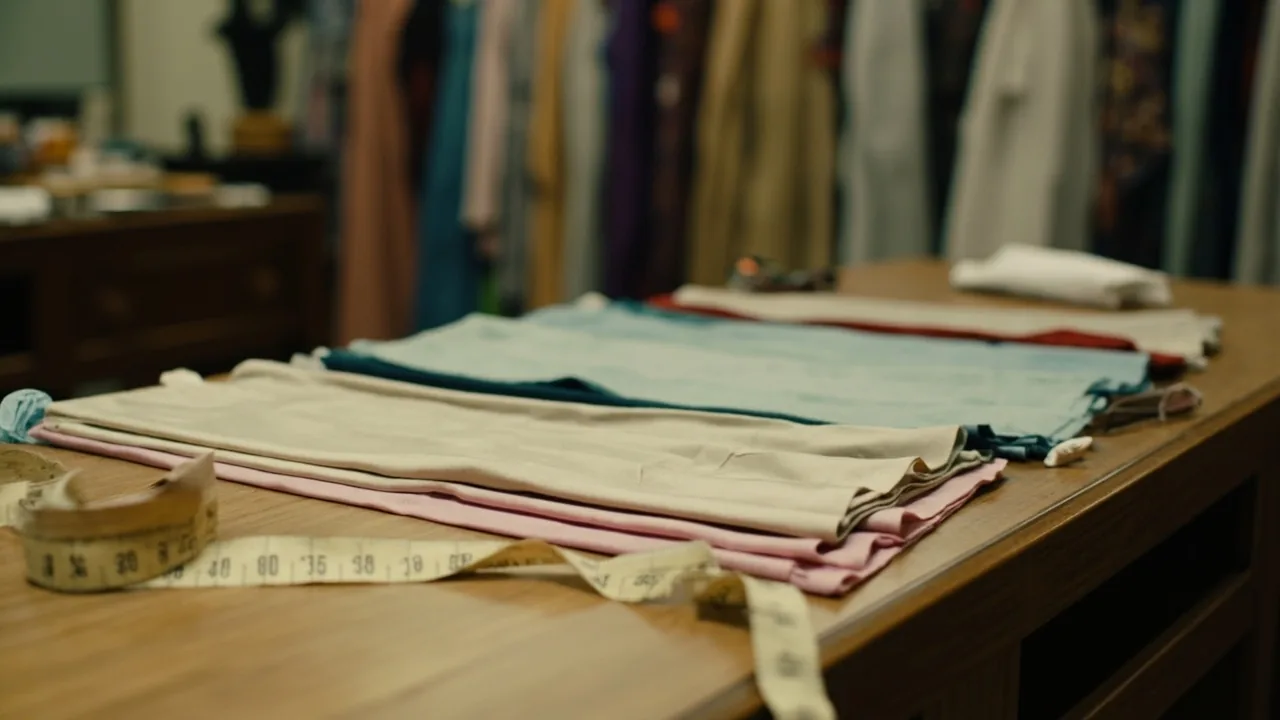
Hoi An Tailor Dress Price: What Indian Women Pay for Custom Dresses (2026)
A simple cotton day dress in Hoi An runs ₹2,203-₹4,406 (~600,000-1,200,000 VND or ~$22.87-$45.74), a fitted cocktail dress runs ₹5,508-₹11,016 (~1,500,000-3,000,000 VND or ~$57.17-$114.35), and a full silk evening gown with hand-finishing runs ₹12,852-₹29,376 (~3,500,000-8,000,000 VND or ~$133.40-$304.92). Most tourist-area shops quote the higher end; tailors two streets back from the river quote the lower end for identical work. The scam isn’t the price itself, it’s the lack of a written breakdown, so anyone quoting you can re-quote you at pickup. Here’s exactly what to order, what to pay, and how to avoid getting the same dress for five times what your friend paid. For related planning, see our guides on Sea Backpacking Hub and How Much Spending Money for Vietnam.
Subodh’s Pro Tip: Get your quote in writing with three line items: fabric (per metre), labour, and any extras (lining, zip, beads). If a tailor refuses to break it down, walk out. A shop that won’t itemise is a shop that will inflate at fitting. You may also find How Much Does It Cost to Custom Tailor a Suit useful for this trip.
What Counts as a “Dress” in a Hoi An Tailor Shop
Hoi An’s tailor shops measure and stitch the same categories you’ll find at any boutique back home: casual day dresses, beach cover-ups, fitted cocktail wear, full evening gowns, two-piece co-ord sets, and bridal/formal lehengas (the Indian market is large enough that several shops now keep zardozi trim in stock). Prices vary by fabric (silk costs roughly four to six times what cotton costs at source), construction (hand-finished hems cost more than machine-finished), and shop location. A shop on Tran Phu Street with foot traffic from river cruises will quote 30-50% more than a shop on a side street off Nguyen Hoang, even when the seamstress is the same person moonlighting on her day off. See also: Hoi an Suit Price.
If you’ve ever paid ₹8,000 (~$83.04) to ₹25,000 (~$259.50) for a custom Anarkali or cotton suit in Delhi’s Lajpat Nagar or Mumbai’s Linking Road, expect Hoi An’s equivalent to land 40-60% cheaper at honest shops, and roughly the same at tourist-trap shops. The skill level is real, but the labour cost is what you’re saving on. For related planning, see our guide on Melaka Temple Etiquette a Practical Guide for Indian Visitors.
Quick Answers
| What | Answer | Price (INR) |
|---|---|---|
| Cotton day dress (simple) | Spaghetti strap, knee-length | ₹2,203-₹4,406 (~600,000-1,200,000 VND or ~$22.87-$45.74) |
| Linen midi dress | Button-front, sleeveless | ₹3,305-₹6,610 (~900,000-1,800,000 VND or ~$34.30-$68.61) |
| Silk blend day dress | Short sleeve, lined | ₹5,508-₹9,180 (~1,500,000-2,500,000 VND or ~$57.17-$95.29) |
| Cocktail dress (cotton/silk) | Fitted, knee-length | ₹5,508-₹11,016 (~1,500,000-3,000,000 VND or ~$57.17-$114.35) |
| Evening gown (silk) | Floor-length, lined | ₹12,852-₹29,376 (~3,500,000-8,000,000 VND or ~$133.40-$304.92) |
| Beach cover-up / kaftan | Loose, breathable | ₹1,836-₹3,672 (~500,000-1,000,000 VND or ~$19.06-$38.12) |
| Two-piece co-ord set | Top + skirt/pants | ₹4,406-₹9,180 (~1,200,000-2,500,000 VND or ~$45.74-$95.29) |
| Bridal / formal lehenga | Heavy work, custom | ₹29,376-₹91,800 (~8,000,000-25,000,000 VND or ~$304.92-$952.89) |
| Typical turnaround | 2-3 fittings over 3-7 days | , |
| Rush job (under 48 hours) | Adds 30-100% surcharge | , |
| Currency note | 1 INR = 270 VND at time of writing | , |
Hoi An Tailor Dress Prices by Style
These ranges come from what Indian women have paid across 20+ tailors in the Old Town and the Cam Chau ward just across the bridge. The spread within each band is mostly shop choice, not garment choice, so paying ₹12,852 (~3,500,000 VND or ~$133.40) for a cotton midi instead of ₹4,406 (~1,200,000 VND or ~$45.74) is almost always a shop-location tax, not a quality tax.
Casual Day Dresses (Cotton / Linen)
- Simple cotton sundress: ₹2,203-₹4,406 (~600,000-1,200,000 VND or ~$22.87-$45.74). Spaghetti straps, knee-length, unlined. The cheapest thing on the menu, and the easiest place to test a new tailor because the work is hard to mess up.
- Linen button-front midi: ₹3,305-₹6,610 (~900,000-1,800,000 VND or ~$34.30-$68.61). Slightly more construction (buttonholes, placket), still low-risk.
- Lined cotton day dress: ₹4,406-₹7,344 (~1,200,000-2,000,000 VND or ~$45.74-$76.23). The lining is what bumps the price, and it’s worth it for opacity in Hoi An’s humidity.
Subodh’s Pro Tip: Bring a reference photo on your phone. Don’t describe a dress in words. Tailors who nod along to a verbal description produce three different interpretations across three fittings.
Cocktail and Evening Wear
- Fitted cocktail dress (cotton/silk blend): ₹5,508-₹11,016 (~1,500,000-3,000,000 VND or ~$57.17-$114.35). The biggest spread on the menu. A well-known shop on the river side will quote ₹11,016 (~3,000,000 VND or ~$114.35) for the same dress a smaller shop delivers for ₹6,610 (~1,800,000 VND or ~$68.61).
- Silk evening gown, machine-finished: ₹11,016-₹18,360 (~3,000,000-5,000,000 VND or ~$114.35-$190.58). Floor-length, lined, basic construction.
- Silk evening gown, hand-finished hems and beadwork: ₹18,360-₹29,376 (~5,000,000-8,000,000 VND or ~$190.58-$304.92). The hand-finishing is where the artistry shows, and where the time goes.
- Heavy beaded/embellished gown: ₹29,376-₹55,080 (~8,000,000-15,000,000 VND or ~$304.92-$571.73). Most tourist shops will refuse these or outsource to a specialist workshop in HCMC. Expect 2 weeks, not 3 days.
Beach and Resort Wear
- Kaftan or beach cover-up: ₹1,836-₹3,672 (~500,000-1,000,000 VND or ~$19.06-$38.12). Loose, breathable, usually rayon or thin cotton.
- Two-piece resort co-ord: ₹4,406-₹9,180 (~1,200,000-2,500,000 VND or ~$45.74-$95.29). Crop top + matching skirt or wide-leg pants.
Indian Formal Wear
- Light lehenga / Anarkali (cotton silk): ₹18,360-₹44,064 (~5,000,000-12,000,000 VND or ~$190.58-$457.38). Bring your own dupatta fabric if you have a specific colour, otherwise the tailor will pick from shop stock.
- Heavy bridal lehenga with zardozi/dabka work: ₹44,064-₹91,800 (~12,000,000-25,000,000 VND or ~$457.38-$952.89). Multi-week timeline (2-4 weeks), and most shops will tell you up front if they can’t do it.
What Most Guides Don’t Tell You About Pricing
Three things decide whether your bill lands at the low end or the high end of every range above.
1. Shop location matters more than skill. Two tailors with the same seamstress and the same fabric supplier will quote you wildly different numbers. The shop on Tran Phu with the English-speaking front desk, AC, and a glass display pays rent of 25-40 million VND/month and recoups it on your dress. The shop two streets back with the wooden sign and no window display pays a fraction of that. Same stitching. Same fabric. Higher bill.
2. The first quote is rarely the final quote. This is where the “scam” lives, and it’s not a scam, it’s a soft pricing model. Many shops quote a base price at the consultation (when you’re easy to walk away), then add fitting-room alterations, “extra fabric” charges, lining upgrades, and rush fees at pickup. The dress is suddenly 40-60% over the original quote. The fix is to insist on a written quote with three line items (fabric, labour, extras) before you leave the shop the first time. Any tailor who won’t write it down is telling you the price will move.
**3. Fabric
How to Order: Step by Step
Here’s the workflow that works for most Indian women doing this for the first time.
Step 1: Pick the Shop (Day 1, 1-2 Hours)
Walk the Old Town. Pop into 4-6 shops with photos of what you want. Compare quotes. Look at the in-progress garments on the mannequins (visible quality of stitching is a better predictor than price). Avoid shops that pressure you to commit on the first visit. The honest shops say “come back tomorrow with your fabric or pick from our stock.”
For a more relaxed start, take an evening walk past Hoi An Memories Land Entry Ticket with Show and you’ll walk through the central tourist strip where the larger shops are clustered. Then cross the bridge into Cam Chau where the smaller, more flexible tailors operate.
Step 2: Consultation and Measurements (Day 1-2)
Bring 2-3 reference photos on your phone. Pick the fabric from the shop’s stock (cotton, linen, silk, silk blend) or bring your own from the cloth market. Get measured. Insist on a written quote that breaks down:
- Fabric cost per metre and total metres used
- Labour cost
- Lining, zip, button, and trim extras
If the quote is above ₹11,016 (~3,000,000 VND or ~$114.35) for anything other than a silk gown or formal lehenga, ask why. Most often the answer is the fabric, not the work.
Step 3: First Fitting (Day 3-4)
The tailor will show you a basted (loosely stitched) version. This is where you check silhouette, not finishing. Speak up about anything that doesn’t match the reference photo. Indian women often need to ask for:
- Higher neckline than the Western reference
- Sleeve coverage that the original photo doesn’t show
- Longer hem (knee-length to mid-calf is more common in Indian wear)
Step 4: Second Fitting (Day 5-6)
The dress should now be fully constructed with finishing. Check seams, hem, buttonholes, zip function. Try sitting, walking, raising your arms. If anything pulls or gaps, this is the cheapest moment to fix it.
Step 5: Pickup (Day 7)
Pay the agreed-upon total. Don’t accept “we added extra fabric” or “lining was more expensive” line items that weren’t in the original quote. If the price has crept up, you’ve learned the lesson about that specific shop.
Common Mistakes Indian Women Make
Mistake 1: Quoting the dress style instead of quoting the dress with fabric specified. A tailor hears “cocktail dress” and pictures the cheapest version. Show the photo AND the fabric. Without the fabric specified, the labour number means nothing.
Mistake 2: Trusting the “silk” label at face value. Real silk has a different drape, sheen, and burn test (real silk chars slowly with a smell like burnt hair; synthetic melts into a bead). Ask to see the bolt, ask the price per metre, ask for the offcut. If the shop hesitates on any of these, the price they’re quoting includes a 100-200% fabric markup.
Mistake 3: Ordering a rush job without a written surcharge. “Can you finish it in 24 hours?” gets a yes from most shops and a 50-100% surcharge at pickup. If you need it fast, agree the rush fee in writing at the consultation, not at the final bill.
Mistake 4: Skipping the lining to save ₹734 (~200,000 VND or ~$7.62). Hoi An’s humidity is 80-90% in summer. An unlined silk dress is wearable at the fitting and a transparent mess by the time you walk to dinner. Lining is non-negotiable for silk and a smart add for cotton.
Mistake 5: Paying the full amount upfront. Standard is 50% deposit at consultation, 50% at pickup. Any shop asking for 100% upfront is either planning to disappear or planning to hold the dress hostage for “extra” charges at pickup.
What to Eat While You Wait for Fittings
Most dresses need 2-3 fittings over 3-7 days, which means you’ll be in Hoi An long enough to eat well. Skip the riverfront tourist strips and go to the places Indian women have liked.
For Vietnamese food with serious vegetarian options, MẸT Hội An is the standout, with a vegetarian menu in a restored colonial building and Cao Lau (the local noodle dish) on the regular menu. The local spots worth a meal are Nhan’s kitchen for homestyle Vietnamese cooking, The Soul Restaurant for fresh-ingredient dishes in a small setting, and Grandma Kitchen for family-run, inexpensive meals. For a French-Vietnamese twist, Le Petit Bistro Hội An. A Little Kitchen Restaurant (Bếp Nhỏ) does traditional Vietnamese in a quiet setting if you want to escape the Old Town crowd.
If you want to spend the waiting time on the river, the Lantern Boat Trip & Release Lantern is a relaxed 90 minutes that doesn’t conflict with any fitting day.
Getting Around While You Wait
Most tailor shops are within walking distance in the Old Town. If you’re staying in Cam Chau or An Bang Beach, you’ll need a Grab for cross-town trips: Grab bikes run ₹37-₹92 (~10,000-25,000 VND or ~$0.38-$0.95) within city, Grab cars ₹147-₹294 (~40,000-80,000 VND or ~$1.52-$3.05). If you’re moving on to Da Nang, Hue, or Hanoi after pickup, book your bus on 12go a day ahead, sleeper buses to Hanoi run ₹918-₹1,469 (~250,000-400,000 VND or ~$9.53-$15.25).
What Most Guides Don’t Tell You: The Three Edge Cases
Edge case 1: You changed your mind on the design mid-fitting. This costs money and time. Most shops charge 20-40% of the original quote for a major redesign after the first fitting. If you want a different neckline or sleeve, that’s a redesign, not an alteration. Speak up at the consultation, not at the first fitting.
Edge case 2: You’re travelling onward and can’t do three fittings. Tell the shop your timeline on day one. They’ll either commit to two fittings (which compresses the timeline to 3-4 days) or tell you they can’t deliver quality in that window. A shop that says “yes, two fittings, all done in 2 days” is going to deliver exactly that, and the dress will show it.
Edge case 3: The dress isn’t right at pickup. This is the moment of use. Don’t pay until you’ve tried it on in the shop with the same lighting and movement you’ll use it in. If the hem is wrong, the zip sticks, or the colour is off from what you agreed, this is when to negotiate. Once you’ve walked out the door with the bag, your use drops to near-zero.
FAQ
How much should a basic cotton dress cost in Hoi An? ₹2,203-₹4,406 (~600,000-1,200,000 VND or ~$22.87-$45.74) for an unlined knee-length sundress. Anything above ₹5,508 (~1,500,000 VND or ~$57.17) for the same item is shop-rent markup, not fabric or skill.
Is Hoi An cheaper than getting a dress made in India? For silk and linen pieces, yes, by 30-50%. For heavy bridal or lehenga work, it’s roughly comparable, and you lose the option to walk back into the shop for alterations. For simple cotton day dresses, an Indian tailor at Lajpat Nagar or Linking Road will undercut Hoi An by a wide margin.
How do I know if I’m getting real silk? Ask to see the fabric bolt and the price per metre. Real silk in Hoi An runs ₹1,285-₹2,938 (~350,000-800,000 VND or ~$13.34-$30.49) per metre depending on grade. Anything labelled “silk” at the shop and quoted under ₹918 (~250,000 VND or ~$9.53) per metre is almost a polyester blend. A small burn test on a thread offcut (real silk chars, synthetic melts) is the only field check.
Can I get a rush job in 24-48 hours? Yes, with a 30-100% rush surcharge agreed in writing at the consultation. Expect a single fitting rather than two. The dress will be wearable but not at the quality of a 5-7 day order.
What’s the safest way to pay? 50% deposit at consultation in cash (VND), 50% at pickup after the final fitting. Don’t pay full upfront. If the shop only accepts cards, expect a 3% surcharge on top.
Is it safe to get a custom lehenga or bridal piece made in Hoi An? For light pieces under ₹44,064 (~12,000,000 VND or ~$457.38), yes, the work is solid. For heavy bridal work with zardozi, dabka, or stone setting, most Hoi An shops will honestly tell you they can’t match a Mumbai or Delhi specialist. Don’t push them to. Use Hoi An for day dresses, gowns, and lighter Indian-formal pieces; do bridal in India.
Should I bring my own fabric? Only if you have a specific colour or pattern you can’t find in Hoi An. The cloth market and most tailor shops carry enough stock that you won’t need to. Bringing your own fabric complicates the quote (the shop has to add a handling fee and can’t vouch for fabric quality) and rarely saves money.
Subodh’s Take
Hoi An tailors are genuinely good. The cotton day dress I saw on a friend’s trip looked better than anything she’d bought at a Mumbai boutique for triple the price, and the silk evening gown another friend ordered was indistinguishable from a ₹60,000 (~$622.80) Delhi version at a fraction of the cost. The skill is real; the labour cost is the saving. What you need to protect against is the soft-pricing model that makes the final bill drift 40-60% above the first quote. Get three line items in writing, get the fabric bolt shown to you, and pay 50% at pickup. Do those three things and Hoi An tailoring is one of the best-value things you can do in Southeast Asia. Skip them and you’ll write a Reddit post titled “Got scammed in Hoi An” that’s a story about not reading your own quote.
