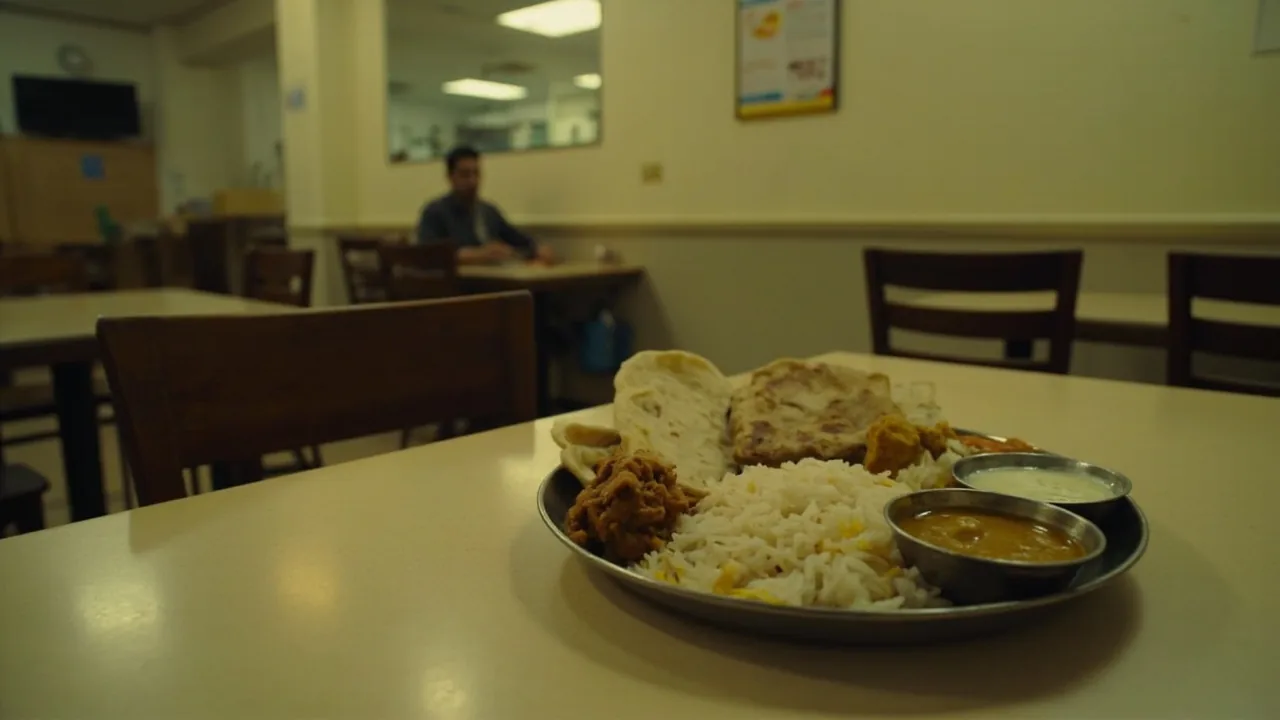
Indian Food in the Philippines: Best Indian Restaurants in Manila, Cebu & Makati
If you’re looking for Indian restaurants in Philippines, Indian food is easier to find than you might expect. Manila’s old Indian community and steady business-traveller traffic mean most malls have at least one option. Cebu is thinner on the ground but has solid spots around IT Park. Pure veg exists in pockets: the trick is knowing which neighbourhoods.
One thing that surprises most first-timers: Indian restaurants in the Philippines lean heavily North Indian. South Indian breakfast (idli, dosa, proper sambhar) is rare outside a few spots in Quezon City and a couple of Makati branches. Pure veg menus exist but are usually mixed with non-veg; if you’re strict, ask before sitting down. Quezon City is the safer bet for vegetarian-leaning spots, with a small but reliable cluster of pure-veg menus, and our Southeast Asia backpacking hub covers similar veg-travel questions elsewhere in the region.
Subodh’s Pro Tip: Most Indian restaurants here run a lunch buffet (300-500 PHP per head on weekdays, often cheaper than à la carte). For a backpacking budget, the buffet is the move.
Quick Answers
| What | Answer | Price (INR) |
|---|---|---|
| Cheapest meal at an Indian restaurant in Manila? | Thali at lunchtime from a budget Indian spot | 300-500 PHP (~₹500-830) |
| Makati per-person dinner at a proper Indian spot? | Indian Masala Curry House-style thali, 1 main | 300-500 PHP (~₹500-830) |
| Where to find the most Indian restaurants? | Makati CBD and Quezon City | — |
| Indian restaurant with curry in Cebu? | Pick from the Cebu IT Park / Lahug cluster | 200-500 PHP (~₹330-830) |
| Can I eat pure veg? | Yes, but call ahead. Mixed menus are common | — |
| Is a Michelin-tier Indian meal possible? | Not really. The best Indian in PH tops out at solid mid-tier | — |
The Local Food Context (Before You Start Your Indian-restaurant Hunt)
Filipino food is not vegetarian. Even “vegetable” dishes often use bagoong (shrimp paste), fish sauce, or pork lard for flavour. Local cooks don’t always think of these as “meat.” When you start your Indian-restaurant journey, that’s useful context: explains why Indian places here push paneer, dal makhani, and veg biryani hard (no local competition for these flavours) and why seafood is everywhere on the Filipino menu itself. and if you’re comparing across the region our Southeast Asia backpacking hub covers the same veg-and-seafood trade-off elsewhere.
A few specifics that catch Indian travellers out:
- Filipino “veg” doesn’t mean Indian veg. If a local friend says a dish is “vegetarian,” they may mean chicken or seafood isn’t in it, but it could still have fish sauce or pork.
- Stock is everywhere. Vegetable soups, lumpia fillings, and even some noodle dishes use chicken or pork stock as a base.
- Eggs are common. Pancit Canton (Filipino stir-fried noodles) and lumpia almost always have egg.
- No Hindu or Jain concept of “pure veg.” Restaurants don’t segment by veg purity the way back home, so asking directly is essential. Asking directly about stock, fish sauce, and bagoong is essential when eating outside the Indian-restaurant cluster.
That said, the Indian community has been around long enough that most of the older Indian restaurants understand the question and offer separate veg-only thalis.
Where Indian Food is Concentrated
Manila proper (particularly Makati CBD, Quezon City, and Bonifacio Global City (BGC)) is where 90% of Indian restaurants cluster. Most are in or near malls and office buildings, which makes sense since the neighbourhood has had an Indian business community for decades, much like the Indian food scene covered in our Southeast Asia backpacking hub.
Cebu has a smaller Indian population but enough IT park demand that a handful of Indian places have survived around Lahug, IT Park, and the Banilad area. Quality is more variable and menus are shorter.
Bohol, Palawan, Boracay, Siargao, Davao: Indian restaurants thin out fast. Your realistic options in these tourist towns are hotel restaurants with a token Indian dish or two, or general Filipino/Asian places where you negotiate, or you can plan ahead with our Southeast Asia backpacking hub for similar mall-and-hotel Indian food clusters.
Pure Veg Indian Spots in Manila and Makati
This is the section that matters if you don’t want to spend half your holiday scanning menus for hidden fish paste.
Seven Mannah Indian Fusion Food
A casual Indian fusion spot in Manila where reviewers single out the chicken biryani specifically. The “fusion” label means the menu mixes North Indian classics with a handful of localised items; budget 300-500 PHP per head for a full thali. Reviews note the chicken biryani is the standout, but veg portions (paneer, dal, the standard curries) are present and well-rated. Casual vibe. Good choice for a weeknight meal when you don’t want a mall-sterile dining room.
Indian Masala Curry House (Makati)
Street-facing, casual Indian spot in central Makati that reviewers point to for the tandoori chicken. The à la carte menu skews North Indian and, like most spots at this price band, 300-500 PHP per person covers you for a main with naan or rice. Tandoor items and curries are reliable. For pure veg, the paneer dishes and dal makhani are the safer bets here, and if you’re curious about similar mid-range Indian spots in another Southeast Asian capital, see our Southeast Asia backpacking hub.
Royal Indian Curry House (Manila)
A solid mid-range option in Manila, cosy setting, with North Indian curries as the focus. Travellers report the curries are well-spiced and consistent. No specific street address to give you here, just ask locally or check Google Maps once you’re in the Malate/Ermita area.
Royal Indian Curry House, Quezon City (the Upscale Branch)
Notice this is a different branch from the Manila one. The QC branch is the upscale one, with reviewers calling out the butter chicken specifically. The cover charge is steep by Manila Indian-restaurant standards. If you want to treat the family or have a special meal, this is the one. Pure veg thalis are present but aren’t the headline.
Queens at Bollywood, BGC
A halal-certified Indian restaurant in Bonifacio Global City, Punjabi and Mughlai dishes are the focus, family-friendly vibe. BGC is generally pricier than Makati proper, and Indian restaurants here are no exception, but the halal certification is a real plus if that matters to you, and the reviews consistently mention generous portions.
Flavours Indian & Mediterranean Cuisine (Bel-Air, Manila)
Casual Indian and Mediterranean food in Bel-Air, Manila, 101 to 500 PHP per person covers most orders, which puts it at the budget end of the spectrum. Tikka masala and other North Indian staples are the safer picks. Travellers report the menu is broad enough to be useful for groups with mixed preferences (a couple of Mediterranean wraps if anyone wants a break from curry).
Where to Eat Indian in Cebu
Cebu is the second hub and the options are thinner. You won’t find a Makati-grade concentration here, but the Indian restaurants in Cebu that are present are concentrated around IT Park, Lahug, and Banilad (where the Indian IT-worker population lives). For Cebu specifically, Google Maps is your friend on arrival. Indian restaurant openings in Cebu happen often and listings go stale fast.
What to look for in Cebu:
- Buffets, harder to find than in Manila, but the few that exist undercut Manila buffet prices.
- North Indian curries and Chinese-Indian fusion are the majority; South Indian breakfast is rare.
- Halal is a hit-or-miss label outside certified establishments, ask directly.
If you’re vegetarian and planning to base in Cebu for a few days, stock up on breakfast supplies at a hotel if possible, the morning Indian-food options are limited.
The Filipino Restaurants Worth Knowing (When You Burn Out on Indian)
These Filipino spots are the trusted answers in Manila for when you want a break from curry, and they’re all honest, real places that locals eat at, not invented picks. Useful so this guide isn’t only Indian restaurants.
Philippine “vegetable dishes” lean pork-and-fish-sauce. For pure veg, ask explicitly.
Kantina Manila, in Manila proper, is known for the signature sisig and adobo. Sisig is traditionally pork, but a growing number of restaurants offer a vegetarian version. Worth asking.
Bistro Remedios in Manila is a long-running Filipino spot known for its kare-kare and classic luto sa bahay home-style cooking. Vegetable versions of classics can sometimes be requested, and the staff are used to explaining dishes to foreign diners.
Ilustrado Restaurant in Intramuros, Manila, is a heritage Filipino restaurant set in a colonial-era building. The menu leans Spanish-Filipino staples, but vegetable plates are available and the kitchen handles dietary questions directly when asked.
Manam at Robinsons Place is Filipino comfort food, generous portions, friendly atmosphere. The kare-kare (oxtail stew, but veggie interpretations exist at Manam’s branches) and sinigang are the conversation pieces.
EMILIA, House of Filipino Food is a calmer sit-down option for a quieter meal. Head to the local vegetable dishes and confirm no shrimp paste.
Harbor View Restaurant in Manila pairs traditional Filipino food with a Manila Bay view. Group-friendly with the same Filipino classics and seafood-heavy menu.
If you want a less Filipino-flavoured alternative for one meal, Toshie’s Bar And Restaurant in Makati is rated highly for Japanese (sushi, yakitori), and Italianni’s at Robinson Place Manila covers the Italian-pasta craving without offending vegetarian sensibilities the way a seafood-heavy Filipino place might.
For a meal that’s straightforwardly Mediterranean/Asian with predictable vegetarian options and a calmer atmosphere, Cafe Ilang-Ilang in Manila is a 4.6-rated cafe with broad menu coverage.
How to Ask the Right Questions at Indian Restaurants
Most Indian restaurants in the Philippines do not have a separate strict-veg menu. They have one menu with both. Asking is more effective than scanning. The phrases and questions that work:
- “Do you have pure-veg options?” This is the back-home framing, almost always understood.
- “Which curries are vegetarian?” Most spots have a clear list.
- “Is the paneer / dal makhani fresh-cooked or batch?” Batch-cooked curries often have shared prep surfaces with non-veg items.
- “Which items contain egg?” Egg is unusual in Indian restaurants in PH but used in some biryani-style rice dishes and in some naans.
- “Is there any beef in the menu?” Most Indian restaurants don’t serve beef, but it does appear on some menus in mixed mall settings, so a quick check before ordering is worth it.
Safety alert: For strict-veg (no onion/garlic) or Jain dietary needs, the Philippines is not a friendly country. Most Indian restaurants don’t run separate Jain kitchens and don’t pull onion/garlic from shared bases. Plan your Jain meals conservatively or carry backup snacks. Cebu in particular is even tighter than Manila.
Price Guide: What Indian Food Costs
| Venue Type | What You’ll Order | Price per Person (PHP) |
|---|---|---|
| Budget Indian spot (mall food court) | 1 veg curry + rice/naan | 150-300 |
| Casual Indian restaurant (Seven Mannah, Indian Masala) | Thali or main + drink | 300-500 |
| Mid-range Indian (Royal Indian QC, Queens at Bollywood) | Full multi-course dinner | 800-1200 |
| Upscale Indian (Royal Indian Curry House, QC branch) | Multi-course with naans and dessert | 1500-2000 |
| Hotel buffet (lunch) | Unlimited thali | 250-450 |
| Hotel buffet (weekend dinner) | Unlimited thali | 400-700 |
A quick reference on the FX rate: 1 INR is approximately 0.6 PHP. A 500 PHP meal is about ₹833 (~$8.60) for budget planning.
What Indians Commonly Get Wrong with Indian Food in the Philippines
A short list, ordered by how often it happens:
Mistake 1: Assuming halaal-certified = vegetarian-friendly. Halal certification concerns the meat sourcing, not the cookware separation. A halal kitchen still often has veg items prepared on shared surfaces. Ask for veg specifics anyway.
Mistake 2: Trusting “Filipino veg soup” when offered by a non-Indian friend. Filipino vegetable soup often has pork or shrimp bones as a base stock. If your host made it themselves, trust the person, not the dish name.
Mistake 3: Ordering off the buffet warm-tray without checking what’s in the tray. Buffet trays look labelled but can be cross-contaminated with non-veg items. Point, ask, watch.
Mistake 4: Forgetting the egg situation in Mall Indian Chinese-fusion joints. Mall food courts in the Philippines host small Indian-Chinese stalls often serving egg fried rice, egg noodles, and “veg” chow mein. They are not pure veg, and the “veg” label on the menu usually means no meat rather than no egg.
Mistake 5: Trying to find South Indian breakfast (idli/dosa/sambhar) outside a handful of spots. It exists in QC and one or two Makati branches. Don’t waste a morning touring Manileño malls looking for a masala dosa.
Where to Stay (So the Indian Restaurants Are Walkable)
For Indian-food-focused trips, base yourself in Makati or BGC. Both have the densest cluster of Indian restaurants within walking distance. Quezon City (Tomas Morato, Timog area) has Indian restaurants but isn’t as walkable for backpackers coming from the main tourist hubs.
Cebu accommodation-wise, IT Park or Lahug keeps you close to the Cebu Indian-restaurant cluster.
Subodh’s Pro Tip: If you’re staying at a hostel in Manila without meal service, the Indian restaurants below are your best bet for not starving. Do not rely on the hostel kitchen for veg food (it’s a Filipino hostel, no Jay-style separation, no Jain caveats, and the shared spice shelf will set off more arguments than meals).
Getting Connected (SIM and eSIM)
For using Google Maps to navigate from your accommodation to any of these restaurants on arrival day, stay connected.
Most Indian travellers pick up either a Globe or Smart SIM at Manila airport (Cebu and Clark also have airport counters). Both have tourist SIMs at the airport counter running 8-30 days with data. The SIM purchase itself is around 40-100 PHP for the SIM and initial load.
If you’d prefer data from the moment you land without queuing at the airport, an eSIM option works well:
For a 7-30 day Philippines trip, the 5-10 GB plans usually cover it. Set it up before you fly.
Quick Reference: 6 Most Reliable Spots, Ranked
If you only have time for six meals in Manila/Makati/Cebu and want Indian food every time:
- Royal Indian Curry House, Quezon City (1,700 PHP/head), most expensive, most consistent; butter chicken + North Indian buffet.
- Queens at Bollywood, BGC, halal Indian, family-friendly, Punjabi/Mughlai.
- Indian Masala Curry House, Makati, best central-Makati tandoor + curries, walkable for CBD travellers.
- Royal Indian Curry House, Manila, solid mid-range, classic North Indian.
- Seven Mannah Indian Fusion Food, best budget option when you want 300-500 PHP per person.
- Flavours Indian & Mediterranean Cuisine, back-pocket budget option for groups with mixed tastes.
For Cebu, your best plan is to ask locally / check Google Maps on arrival day since listings there change. Aim for IT Park / Lahug / Banilad-area Indian spots and confirm veg options by phone before driving across the city.
FAQ
Where do Indian people in Manila eat? A clear majority live in Makati CBD, Quezon City, and BGC, and they eat at the same spots covered above: Royal Indian (both branches), Queens at Bollywood, Indian Masala Curry House. The Quezon City branches skew older-money and family meals; the Makati and BGC places skew business lunches.
Is Indian food expensive in the Philippines? By local standards, Indian restaurants are mid-to-upscale. A casual Indian dinner for one at 300-500 PHP is roughly 4 hours of minimum-wage work in NCR. For Indian travellers though, the prices feel fair. A butter-chicken-and-naan meal at 400-600 PHP is about ₹667-₹1,000 (~$6.90-$10.35).
Can I get Jain food in the Philippines? Almost nowhere. Most Indian restaurants in PH don’t run Jain kitchens. If you need strict Jain (no onion, no garlic, no root veg rules), your realistic options are limited to negotiating at higher-end Indian places. Bring backup snacks.
Which area of Manila has the most Indian restaurants? Makati CBD, Quezon City, and BGC (Tomas Morato, Timog, and the Banawe/Sampaloc area for cheaper options).
Is Indian food in Cebu decent? Decent and a smaller pool. Cebu’s Indian restaurants cluster around IT Park and Lahug to serve the IT-worker population there. Quality is variable. For one or two meals, you’ll be fine; for a week of strict-veg Indian, Manila has the better infrastructure.
Are there any good food tours I can book that cover Indian food in the Philippines? Most Philippines food tours focus on Filipino regional cuisine (Cebu lechon tours, Pampanga tours, etc.) rather than Indian food. If you want a general Asian-cuisine food walk through Manila’s Chinatown and Binondo, that’s bookable. For Indian food specifically, day-to-day Google Maps is more practical. Check Philippines food tours on GetYourGuide for the Filipino half of your trip.
Is it safe to walk at night in Makati and Quezon City for late Indian dinners? Generally yes. Makati CBD, BGC, and Tomas Morato are busy late into the night and the Indian restaurants in those areas are part of that evening foot traffic. As always: use Grab (the local ride-hailing app), don’t wave cash in poorly-lit areas, and check your government’s travel advisory on mea.gov.in before you fly for any updated zones.
Subodh’s Take
Philippines isn’t a great country for Indian-style rice-plate-day-three-meal situations. But for one or two meals a week over a two- or three-week trip, the Indian restaurants here punch above their weight, particularly the Makati/BGC/QC cluster. Don’t overthink it. Pick one royal-Indian dining for the family night, one Queens at Bollywood lunch buffet, one casual mall Indian (Seven Mannah / Indian Masala Curry House) for the chapati fix, and spend the rest of your trip on Filipino sinigang, lechon, and pancit.
Before you go, check the Indian government’s official travel advisory page at mea.gov.in and the Philippines Department of Tourism (DOT) site for any current notices on weather, transport, or regional safety that may affect your itinerary.
- Subodh