Indonesian Street Food Prices: The Honest 2026 Budget Guide for Indian Travelers
FX rate used: 1 INR = 188.68 IDR (1 USD = ₹96.33).
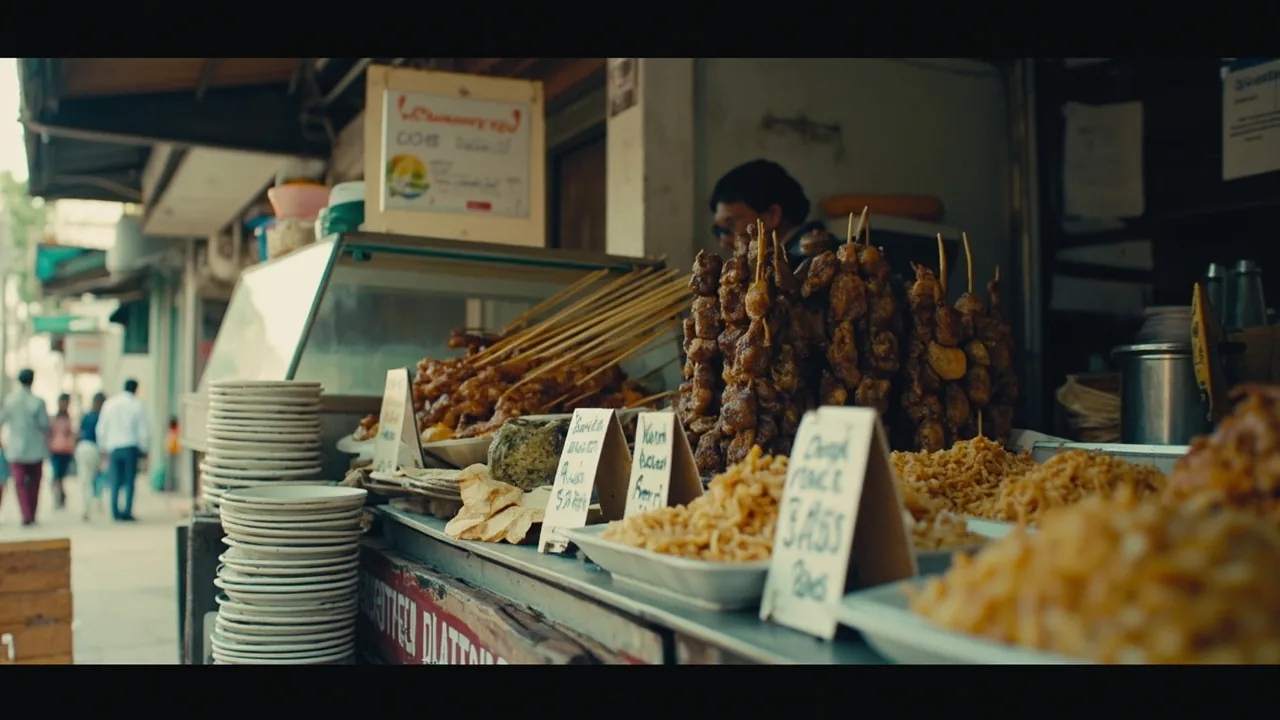
Indonesian street food is one of the cheapest in Southeast Asia, but the price gap between a Bali warung and a Jakarta kaki lima (street stall) is bigger than most guides admit. A plate of nasi goreng in Ubud can cost three times what it costs in Yogya, and the same sate skewer goes from ₹16 (~3,000 IDR or ~$0.17) in a village to ₹80 (~15,000 IDR or ~$0.83) in Seminyak. Planning the wider region? Our Southeast Asia backpacking hub covers the full multi-country route.
This guide breaks down what you’ll pay in 2026, where the cheapest cities are, which dishes are worth the queue, and what to skip. Every price is in Indonesian rupiah on the ground (the local currency), with a sense of what that means in rupees for the budget you’re carrying from India. No spreadsheet needed.
Quick Answers
| What | Answer | Price (INR) |
|---|---|---|
| Average plate of nasi goreng (street stall) | ₹107-₹134 (~20,000-25,000 IDR or ~$1.11-$1.39) nationwide; cheapest in Java | ₹107-₹134 (~20,000-25,000 IDR or ~$1.11-$1.39) |
| Sate skewer (chicken, default price) | ₹16-₹27 (~3,000-5,000 IDR or ~$0.17-$0.28) per stick at kaki lima; ₹54-₹80 (~10,000-15,000 IDR or ~$0.56-$0.83) in Bali tourist zones | ₹16-₹80 (~3,000-15,000 IDR or ~$0.17-$0.83) |
| Martabak (sweet or savory stuffed pancake) | ₹107-₹268 (~20,000-50,000 IDR or ~$1.11-$2.78) depending on filling and city | ₹107-₹268 (~20,000-50,000 IDR or ~$1.11-$2.78) |
| Bakso meatball bowl (skip for strict veg) | ₹80-₹161 (~15,000-30,000 IDR or ~$0.83-$1.67) | ₹80-₹161 (~15,000-30,000 IDR or ~$0.83-$1.67) |
| Gorengan (fried snack, banana or tempeh) | ₹5-₹16 (~1,000-3,000 IDR or ~$0.06-$0.17) per piece | ₹5-₹16 (~1,000-3,000 IDR or ~$0.06-$0.17) |
| Cheapest city for street food | Yogyakarta, then Surabaya, then Bandung | varies |
| Most expensive city for street food | Seminyak (Bali), then Ubud, then Jakarta CBD | varies |
| Bottle of water at street stall | ₹27 (~5,000 IDR or ~$0.28) | ₹27 (~5,000 IDR or ~$0.28) |
| Daily street food budget (vegetarian, mid-range) | ₹536-₹804 (~100,000-150,000 IDR or ~$5.56-$8.34) | ₹536-₹804 (~100,000-150,000 IDR or ~$5.56-$8.34) |
A bowl of bakso in Yogyakarta runs about ₹80 (~15,000 IDR or ~$0.83); the same bowl in a Seminyak tourist-area warung runs ₹214 (~40,000 IDR or ~$2.22). Same dish, different postcode, same recipe. The Java-versus-Bali split matters.
How Cheap Is Indonesian Street Food Compared to India?
A plate of nasi goreng in Java at ₹134 (~25,000 IDR or ~$1.39) works out to roughly ₹132 (~$1.37). A plate of veg pulao at a Mumbai tapri runs ₹80 (~$0.83) to ₹120 (~$1.24). So Indonesian street food is comparable to Mumbai prices, sometimes a touch cheaper, sometimes a touch more expensive, but with the same logic: local stalls beat tourist warungs by 2x to 3x every time.
What you don’t get in Indonesia: the extreme cheapness of a Delhi aloo chaat at ₹20 (~$0.21). The cheapest Indonesian street snack (gorengan, a fried banana or tempeh fritter) is ₹5-₹16 (~1,000-3,000 IDR or ~$0.06-$0.17), which is ₹5 (~$0.05) to ₹16 (~$0.17). Still cheap, but the absolute floor is higher than India’s street food floor.
What you do get: portion sizes are larger, ingredients are fresher, and the hygiene standards at busy stalls are higher than you’d expect from the price. A nasi goreng at a packed Yogya kaki lima at 7 PM is one of the safest and most filling meals you can eat in Southeast Asia for the money.
The 12 Dishes Worth Trying (And What They Cost)
Prices are for 2026, in Indonesian rupiah, observed at kaki lima stalls in Java and Bali. Where Bali-specific prices are higher, both are listed.
1. Nasi Goreng (fried rice)
The national dish. Egg, kecap manis (sweet soy), shallots, a chili paste called sambal on the side. ₹134 (~25,000 IDR or ~$1.39) at a Java street stall; ₹188-₹268 (~35,000-50,000 IDR or ~$1.95-$2.78) at a Bali tourist warung.
2. Mie Goreng (fried noodles)
Same logic as nasi goreng, but with yellow egg noodles. Slightly cheaper, around ₹107 (~20,000 IDR or ~$1.11) at a Java kaki lima. Travelers report this is the easiest dish to order vegetarian, just say “tanpa ayam, tanpa seafood” (no chicken, no seafood).
3. Sate (skewered grilled meat)
Default is chicken (sate ayam), marinated in turmeric and coriander. ₹16-₹27 (~3,000-5,000 IDR or ~$0.17-$0.28) per skewer at a Java street stall, ₹54-₹80 (~10,000-15,000 IDR or ~$0.56-$0.83) in Seminyak. Comes with peanut sauce. Skip this one if you’re strict veg, but sate tempeh or sate jamur (mushroom) does exist at a few Yogya stalls.
4. Bakso (meatball soup)
Beef or chicken meatballs in broth, with noodles, tofu, and celery. ₹80-₹161 (~15,000-30,000 IDR or ~$0.83-$1.67). Skip for vegetarian, but bakso tahu (tofu bakso) and bakso jamur (mushroom bakso) appear in some Yogya and Bandung stalls. Worth asking.
5. Martabak
Two kinds. Martabak manis is a sweet stuffed pancake (chocolate, cheese, condensed milk, peanuts), ₹134-₹268 (~25,000-50,000 IDR or ~$1.39-$2.78) per pan, usually split between 2 to 3 people. Martabak telur is a savory folded pancake with egg, meat, and vegetables, ₹107-₹214 (~20,000-40,000 IDR or ~$1.11-$2.22) per piece. Manis is the one vegetarians should target, it’s often accidentally egg-free at the simpler stalls (confirm).
6. Gorengan (fried fritters)
Banana, tempeh, tofu, sweet potato, cassava. ₹5-₹16 (~1,000-3,000 IDR or ~$0.06-$0.17) per piece. This is the cheapest snack in Indonesia and the safest bet for vegetarians. Tempeh goreng is Indian-style fried tempeh, and it tastes like a thicker, crumblier version of fried paneer. Best eaten hot.
7. Gado-Gado (vegetarian-friendly if you confirm)
Steamed vegetables, tofu, tempeh, egg, compressed rice cake (lontong), peanut sauce. ₹107-₹188 (~20,000-35,000 IDR or ~$1.11-$1.95). The dish is mostly vegetarian already, but ask for “tanpa telur” (no egg) if you’re strict. Confirm the peanut sauce is vegetarian, it usually is, but warung-style versions sometimes use shrimp paste (terasi).
8. Nasi Uduk (coconut rice)
Coconut milk rice with sambal, fried shallots, peanuts, and a side of tempeh or tofu. ₹80-₹134 (~15,000-25,000 IDR or ~$0.83-$1.39). Vegetarian-friendly at most stalls. Easier to find than nasi goreng in some parts of Jakarta and West Java.
9. Tahu Gejrot (fried tofu in spicy sauce)
Fried tofu drowned in a palm sugar, vinegar, and chili sauce. ₹27-₹54 (~5,000-10,000 IDR or ~$0.28-$0.56) per portion. A Cirebon specialty that’s now everywhere in Java. Vegetarian, cheap, and addictive. The sour-spicy-sweet balance is unusual for Indian palates, but most travelers report they end up craving it.
10. Pisang Goreng (fried banana)
Banana fritters in a crispy batter. ₹11-₹27 (~2,000-5,000 IDR or ~$0.11-$0.28) per piece. Available everywhere. The cheapest dessert in Indonesia.
11. Soto (clear soup)
Yellow turmeric broth with shredded chicken, glass noodles, celery, and lime. ₹80-₹161 (~15,000-30,000 IDR or ~$0.83-$1.67). The vegetarian version (soto tahu or soto jamur) exists in Yogya and Solo but isn’t common elsewhere. Skip if strict veg.
12. Es Teh Manis (sweet iced tea)
The default drink. ₹16-₹27 (~3,000-5,000 IDR or ~$0.17-$0.28). Sweetened with sugar (a lot of sugar), but safe for vegetarians and the universal pairing for any Indonesian meal. Bottled water is ₹27 (~5,000 IDR or ~$0.28).
The Cheapest Cities for Street Food (And The Most Expensive)
Yogyakarta is the cheapest major city for street food in Indonesia. A plate of nasi goreng near Malioboro runs ₹80-₹107 (~15,000-20,000 IDR or ~$0.83-$1.11). Martabak manis from a street cart runs ₹134 (~25,000 IDR or ~$1.39). Gorengan is ₹5 (~1,000 IDR or ~$0.06) per piece. The food here is also some of the most distinctive in Indonesia, with specialties like gudeg (jackfruit stew) and bakpia (sweet mung bean pastry) that you won’t find at the same quality elsewhere.
Surabaya and Bandung are the next cheapest. Both have massive kaki lima scenes and the same Java price floor. Malang (a few hours from Surabaya) is even cheaper.
Jakarta is mid-range. The CBD (Sudirman, Thamrin, Kemang) has tourist-warung pricing at ₹188-₹268 (~35,000-50,000 IDR or ~$1.95-$2.78) for nasi goreng, but the older neighborhoods (Glodok, Kota Tua, Pasar Baru) and the kaki lima clusters around train stations still serve ₹107-₹134 (~20,000-25,000 IDR or ~$1.11-$1.39) plates. Travelers report that the warung around Blok M and Pasar Mayestik are good mid-range picks.
Bali is the most expensive by a wide margin. Seminyak and Canggu charge ₹214-₹321 (~40,000-60,000 IDR or ~$2.22-$3.33) for a plate of nasi goreng that costs ₹107 (~20,000 IDR or ~$1.11) in Yogya. Ubud sits in between but still charges Bali-inflated prices (₹188-₹241 (~35,000-45,000 IDR or ~$1.95-$2.50)). The cheapest areas of Bali are Sanur, Denpasar (the capital, not the tourist zone), and Singaraja in the north. Kuta is mid-range.
Lombok and the Gili Islands are pricier than Java but cheaper than Seminyak. Expect ₹134-₹188 (~25,000-35,000 IDR or ~$1.39-$1.95) for a nasi goreng plate.
Subodh’s Pro Tip: If your Indonesia trip is primarily about eating cheaply, base yourself in Yogyakarta for 4 to 5 nights and day-trip from there (Borobudur, Prambanan, Mount Merapi). You’ll spend half of what you’d spend in Seminyak and eat better.
Where to Eat: Real Stalls and Warungs Worth the Queue
Local / Regional Spots
For a structured introduction to Jakarta’s street food scene, the Private Guided Sightseeing & Street Food Night Tour starts in the evening and runs through Glodok, Kota Tua, and the kaki lima clusters. Around 4.8 rating from travellers; expect to pay around ₹2,143-₹3,215 (~400,000-600,000 IDR or ~$22.23-$33.35) for a half-day tour including food. Worth it on day one in Jakarta to learn which stalls are clean.
For Yogya, Kalluna Cafe & Restaurant is a slightly upscale option for when you want a sit-down meal, with a 4.7 rating and Western-Indonesian dishes like truffle mushroom pasta and ayam betutu. Main courses run ₹321-₹643 (~60,000-120,000 IDR or ~$3.33-$6.67).
In Labuan Bajo (the Flores gateway to Komodo), Smoris Restaurant Labuan Bajo has a 4.9 rating and serves seafood and Chinese-Indonesian dishes. Happy Banana is the harbor-view option, also 4.7, with grilled tuna steak as the signature dish. Both run ₹429-₹804 (~80,000-150,000 IDR or ~$4.45-$8.34) per main.
For Jakarta specifically, SEMAJA Menteng is a cozy 4.8-rated spot for Indonesian comfort food in the Menteng residential district, around ₹321-₹643 (~60,000-120,000 IDR or ~$3.33-$6.67) per dish.
In Jakarta you can also try SATOO, a casual 4.6-rated buffet-style spot that mixes Indonesian and international dishes. Budget around ₹804-₹1,340 (~150,000-250,000 IDR or ~$8.34-$13.89) per person for a buffet meal.
Indian Food (When You Need a Dal-Chawal Fix)
These are the strict-veg fallback spots. Most are in Jakarta, since the Indian traveller traffic is heaviest there. For Bali-specific Indian restaurants, the separate where-to-find-indian-food-in-indonesia guide covers it in more detail.
Queen’s Tandoor in Jakarta (4.4 rating) is a family-run spot serving butter chicken and Chinese dishes, around ₹1,072 (~200,000 IDR or ~$11.12) per person. Ganesha Ek Sanskriti Kemayoran (4.8 rating) does traditional Indian cuisine at ₹536-₹1,340 (~100,000-250,000 IDR or ~$5.56-$13.89) per person. The Royal Kitchen Signature in Jakarta (4.9 rating) is the upscale option, ₹804-₹1,607 (~150,000-300,000 IDR or ~$8.34-$16.67) per person, with the lamb Raan Sikandar as the standout. Ganesha Ek Sanskriti Batavia Cove PIK is the beachside version, around ₹697 (~130,000 IDR or ~$7.23) per person. For a North Indian tandoor and Indo-Chinese mix, Shahi Tadka (4.7 rating) is a casual pick.
Safety Alert: Indonesian peanut sauce (sambal kacang) sometimes uses shrimp paste (terasi). If you’re vegetarian, especially strict veg or Jain, ask “pakai terasi?” before ordering gado-gado or any dish with peanut sauce. Most kaki lima versions don’t use it, but warung (sit-down) versions sometimes do.
A Day on an Indonesian Street Food Budget
For a vegetarian Indian traveller, here is a realistic 2026 daily budget at kaki lima stalls in Java (Yogyakarta prices):
| Meal | What you eat | Cost (IDR) |
|---|---|---|
| Breakfast | Gorengan (3 pieces) + kopi or teh manis | ₹43 (~8,000 IDR or ~$0.44) |
| Mid-morning snack | Pisang goreng or martabak manis (shared) | ₹54-₹107 (~10,000-20,000 IDR or ~$0.56-$1.11) |
| Lunch | Nasi uduk with tempeh, tahu, sambal | ₹107 (~20,000 IDR or ~$1.11) |
| Afternoon snack | Tahu gejrot + bottled water | ₹64 (~12,000 IDR or ~$0.67) |
| Dinner | Nasi goreng or mie goreng + es teh manis | ₹134-₹161 (~25,000-30,000 IDR or ~$1.39-$1.67) |
| Total | 75,000-90,000 IDR |
At current rates (1 INR ≈ 188.68 IDR), 90,000 IDR works out to roughly ₹477 (~$4.95). That’s a full day of eating in Indonesia for less than ₹500 (~$5.19), about the cost of one plate of paneer butter masala at a mid-range Mumbai restaurant.
In Seminyak or Ubud, the same day costs roughly 1.7x to 2x. A nasi goreng at ₹268 (~50,000 IDR or ~$2.78), an Indonesian coffee at ₹188 (~35,000 IDR or ~$1.95), a fresh juice at ₹214 (~40,000 IDR or ~$2.22), the bill climbs fast.
Subodh’s Pro Tip: Eat your main meal at lunch. Indonesian kaki lima stalls serve their freshest, busiest, and cheapest plates between 11:30 AM and 1:30 PM. Dinner is when tourist prices kick in and ingredients sit longer.
Food Safety: What the Guidebooks Don’t Tell You
Indonesia has a reputation for “Bali belly,” and some of it is deserved. But the actual risk profile is different from what most Indian travellers expect:
Tap water is not safe to drink. Even at clean-looking warungs. This is the single biggest cause of stomach issues for Indian travellers in Indonesia, not the food itself. Stick to bottled water (₹27 (~5,000 IDR or ~$0.28)), boiled water, or filtered water. Avoid ice unless you’re sure it’s from a commercial ice factory (look for square-holed, machine-made ice rather than cloudy tube ice).
Busy stalls are safer than empty ones. A kaki lima stall with a queue at 7 PM has high turnover, which means fresh ingredients and a short window for bacterial growth. An empty stall at 9 PM might be serving leftovers.
Wash your hands or use sanitizer. Most street stalls provide a communal washing basin (air mengalir, or running-water pitcher). Use it. The single biggest hygiene upgrade for Indian travellers is the one they already do at home.
Avoid raw vegetables unless you’ve peeled them yourself. This is the main reason gado-gado sometimes causes issues, the raw long beans and cucumber can carry bacteria that the peanut sauce doesn’t kill. Cooked vegetables (in nasi goreng, mie goreng, cap cay) are fine.
Be cautious with seafood in coastal areas. Lombok and Bali seafood can sit unrefrigerated for longer than you’d expect. If the smell is off, walk away. The 4.9-rated Labuan Bajo restaurants like Smoris and Happy Banana have high turnover because they’re popular; the random harbor warung might not.
Carry ORS and a course of antibiotics. Even careful travellers get hit. ORS (oral rehydration salts) from any Indonesian pharmacy (apotek) is ₹54-₹107 (~10,000-20,000 IDR or ~$0.56-$1.11). If you’ve been to a doctor before your trip, ask for a course of norfloxacin or ofloxacin to keep as backup.
For a deeper dive into which dishes and stalls are safe for Indian travellers, the is-indonesian-street-food-safe-tap-water-guide breaks it down further.
Getting Connected
You’ll want Google Maps open for finding nearby warungs and Translate for reading menu boards. A local SIM is the cheapest option: Telkomsel’s kartuHalo tourist SIM (₹134 (~25,000 IDR or ~$1.39) for the SIM, ₹268-₹536 (~50,000-100,000 IDR or ~$2.78-$5.56) for a 30-day data pack) is the standard pick.
If you’d rather skip the airport SIM counter, Get Nomad eSIM covers Indonesia with a data-only plan you can activate before you fly, useful if you want Translate ready the moment you land.
Common Mistakes Indians Make With Indonesian Street Food
Ordering “vegetarian” without specifying. Saying “saya vegetarian” gets you a plate with no meat, but the broth might still be chicken, the sambal might still contain shrimp paste, and the peanut sauce might have terasi. You need to specify: “tanpa ayam, tanpa seafood, tanpa telur” (no chicken, no seafood, no egg) for safety. For strict veg, add “dan tanpa bawang” to skip the shallots that some vegetarian dishes still contain.
Eating only at tourist warungs. The Rp 50,000 nasi goreng in Seminyak and the Rp 20,000 nasi goreng in Yogya are usually the same dish from the same culinary tradition. Tourists pay 2x to 3x for the air-conditioning and the English menu. Step off the main road and you’ll eat the same meal for a third of the price.
Assuming “no meat” means vegetarian-safe. Indonesian vegetarianism is closer to Chinese vegetarianism. Many dishes labeled vegetarian include chicken broth, dried shrimp, or oyster sauce. Always confirm.
Drinking the complimentary iced tea at a warung. It usually comes pre-sweetened and is fine, but if the ice is from a sketchy source, the cold drink is the riskier path. Hot tea (teh panas) is safer.
Skipping gorengan. It’s the cheapest, safest, and most vegetarian-friendly category of Indonesian street food. If you’re nervous about other dishes, gorengan is your friend.
Safety Alert: For current travel advisories, including any Indonesia-specific alerts for Indian passport holders, check the official MEA advisory page at mea.gov.in before departure. Indonesia’s own government advisory site (imigrasi.go.id) is the source for visa and entry-rule changes.
FAQ
Is Indonesian street food cheaper than Indian street food?
In raw rupiah terms, comparable to Mumbai or Bangalore prices for the same quality. The cheapest Indonesian street snack (gorengan at ₹5 (~1,000 IDR or ~$0.06), roughly ₹5 (~$0.05)) is still more expensive than the cheapest Indian street snack (a Delhi aloo chaat at ₹20 (~$0.21)), but portion sizes are larger and the average meal is similar in cost.
What’s the cheapest Indonesian street food that’s also vegetarian-safe?
Gorengan (fried tempeh, tofu, or banana) at ₹5-₹16 (~1,000-3,000 IDR or ~$0.06-$0.17) per piece. Tahu gejrot at ₹27-₹54 (~5,000-10,000 IDR or ~$0.28-$0.56) per portion. Nasi uduk with tempeh and tofu at ₹80-₹134 (~15,000-25,000 IDR or ~$0.83-$1.39). All three are widely available at Java kaki lima stalls and are among the safest vegetarian street food options.
Where can I find Indian food in Indonesia if I get tired of street food?
In Jakarta, Queen’s Tandoor, Ganesha Ek Sanskriti Kemayoran, The Royal Kitchen Signature, Shahi Tadka, and Ganesha Ek Sanskriti Batavia Cove PIK are the standard picks. For Bali, the dedicated Indian food guide covers Seminyak, Ubud, and Canggu.
Is street food in Bali expensive?
Yes, by Indonesian standards. Seminyak and Canggu charge 2x to 3x Java prices for the same dishes. The cheapest areas of Bali for street food are Sanur, Denpasar (the capital, not the tourist strip), and Singaraja in the north. For a budget-focused Bali trip, eat in Denpasar and day-trip to the tourist beaches.
Can I use Indian rupees in Indonesia?
No. You need Indonesian rupiah (IDR). ATMs in Bali and Jakarta usually accept Indian debit cards through Visa or Mastercard networks. For current fees and withdrawal limits, the using-atms-in-indonesia-withdrawal-limits-bank-notes-fees-for-indian-travelers guide has the breakdown.
How much should I budget per day for Indonesian street food?
Around ₹402-₹536 (~75,000-100,000 IDR or ~$4.17-$5.56) covers three meals and snacks at Java kaki lima stalls. In Bali, double that to ₹804-₹1,072 (~150,000-200,000 IDR or ~$8.34-$11.12). For a full trip cost breakdown including accommodation and transport, the indonesia-trip-cost-from-india-real-budget-breakdown-in-rupees-2025 guide is the canonical reference.
Is the street food safe for vegetarians in Indonesia?
Mostly yes, if you know which dishes to order and which phrases to use. Gorengan, nasi uduk with tempeh, tahu gejrot, mie goreng (no egg, no seafood), and gado-gado (no egg, no shrimp paste) are the safest bets. The vegetarian-food-in-indonesia-where-to-eat-what-to-order-and-how-to-survive guide covers this in detail.
Subodh’s Take
Indonesian street food is one of Southeast Asia’s best-kept budget secrets, but only if you skip Bali’s tourist strip and eat where locals eat. Yogyakarta at ₹107 (~20,000 IDR or ~$1.11) for a nasi goreng is genuinely cheaper than most equivalent meals in Thailand or Vietnam, and the variety (gorengan for snacking, nasi uduk for breakfast, martabak manis for a shared dessert) means you can eat three meals plus snacks all day for under ₹536 (~100,000 IDR or ~$5.56). The trick for Indian vegetarians is learning to specify “tanpa ayam, tanpa seafood, tanpa telur” and to skip tourist warungs. Do that and you’ll eat well for less than ₹500 (~$5.19) a day.
