Java Weather by Month: What Indians Should Know (2026)
Java is one of those islands Indian backpackers underestimate. Book the flights, assume it’s all hot equatorial weather like the rest of Southeast Asia, and then land in Bandung at night in a jumper you packed “just in case”. This guide covers java indonesia weather by month for the spots Indians go: Yogyakarta, Mount Bromo, Mount Ijen, Jakarta, and Bandung.
Verified 2026-07-17 at 1 INR = 188.68 IDR. All on-the-ground prices below are written in Indonesian Rupiah (IDR) only.
Quick Answers
| What | Answer | Price (INR) |
|---|---|---|
| Best months overall | May to September (dry season) | — |
| Best months for Bromo sunrise | June to September (clearest skies) | — |
| Best months for Ijen blue fire | July and August (driest, least fog) | — |
| Worst months for trekking | December to March (rain, fog, slippery volcanic sand) | — |
| Jakarta heat peaks | April and May, and again September to October (31–34°C, 75–85% humidity) | — |
Month-by-Month Breakdown
This is the heart of the article. Average highs/lows come from BMKG climate normals for representative stations: Jakarta (lowland, north coast), Bandung (highland, ~768 m), Yogyakarta (lowland south), and the Bromo caldera (~2,300 m). Rainfall numbers are monthly averages. Humidity is a mid-afternoon reading. Treat these as a planning grid, not a weather forecast for a specific week.
| Month | Lowland (Jakarta/Yogya) | Highland (Bandung) | Bromo/Ijen (2,000–2,800 m) | Rainfall (mm, lowland) | Humidity (lowland) | Verdict |
|---|---|---|---|---|---|---|
| January | 29–31°C / 23–24°C | 24–26°C / 17–18°C | 15–18°C / 8–10°C | 300–400 mm | 80–85% | Wet season peak, skip Bromo/Ijen |
| February | 29–31°C / 23–24°C | 24–26°C / 17–18°C | 15–18°C / 8–10°C | 280–350 mm | 80–85% | Still wet, flooding risk in Jakarta |
| March | 30–32°C / 23–24°C | 25–27°C / 17–18°C | 16–19°C / 9–11°C | 250–300 mm | 75–80% | Rain tapering, transitional |
| April | 31–33°C / 23–25°C | 26–28°C / 17–19°C | 17–20°C / 9–12°C | 150–200 mm | 75–80% | Hot, getting drier, shoulder |
| May | 31–33°C / 23–25°C | 27–29°C / 17–19°C | 18–21°C / 10–12°C | 80–130 mm | 70–75% | Dry season starts, prime time begins |
| June | 31–32°C / 23–24°C | 27–28°C / 16–18°C | 18–22°C / 9–11°C | 50–90 mm | 65–75% | Best month for Bromo sunrise |
| July | 31–32°C / 22–24°C | 27–28°C / 15–17°C | 18–22°C / 8–10°C | 30–60 mm | 60–70% | Driest month, Ijen blue fire visible |
| August | 31–33°C / 22–24°C | 27–29°C / 15–17°C | 18–22°C / 8–10°C | 30–60 mm | 60–70% | Same as July, peak season |
| September | 32–34°C / 23–25°C | 28–30°C / 16–18°C | 19–23°C / 9–11°C | 50–100 mm | 60–70% | Heat returning, still dry, busy |
| October | 32–34°C / 23–25°C | 28–30°C / 16–18°C | 19–23°C / 9–11°C | 100–180 mm | 65–75% | Shoulder, brief showers possible |
| November | 31–33°C / 23–25°C | 27–29°C / 17–19°C | 18–21°C / 9–11°C | 200–280 mm | 70–80% | Wet season starts, fog returns |
| December | 30–32°C / 23–24°C | 25–27°C / 17–18°C | 16–19°C / 8–10°C | 280–350 mm | 80–85% | Wet season established, avoid treks |
Reading the table: if you are heading to Bromo or Ijen, look at the third column. Anything under 10°C at night means you need a real fleece, not just a hoodie. If you are doing Jakarta or Yogyakarta sightseeing, look at rainfall and humidity. The drop in humidity from July to September (60–70%) is what makes the dry season feel so much better than the numbers suggest, even when the temperature is the same as March.
Planning Note: Always check the 7-day forecast 48 hours before your Bromo sunrise trek. The monthly averages above are useful for picking the month, but a single wet micro-season (called “hujan lokal” by locals) can blanket the caldera in fog for 3–4 days even in August. Operators still run the jeep tour in fog — you will see cloud instead of the sunrise.
The Dry Season (May to September): Pros and Cons
Pros:
- Bromo sunrise is reliable from June through September. Clear skies 7–9 mornings out of 10.
- Ijen blue flame phenomenon is visible most pre-dawn climbs in July and August.
- Yogyakarta’s Borobudur and Prambanan are at their photographic best, blue skies, no steam rising off the temples after rain.
- Humidity drops to 60–70%, which is the difference between “manageable” and “your shirt is stuck to your back at 10 a.m.”
- Road conditions around Bromo and Ijen are good, no landslide risk on the access roads.
Cons:
- Peak season prices. Hostels in Yogyakarta that are ₹321 (~60,000 IDR or ~$3.33) per dorm bed in February jump to 120,000 IDR in August. (At current rates, 1 IDR ≈ ₹0.0053, so 60,000 IDR = ₹318.)
- Bromo viewpoint can feel crowded at the main railing during the dry-season peak.
- Mount Bromo access is closed by PVMBG (Indonesian volcano monitoring agency) when the alert level is raised to Level 3 or above; check the current PVMBG status before you go.
- September starts the haze buildup from agricultural burning in parts of Sumatra, can occasionally drift over western Java.
The dry season is when everything works, but it is also when you pay for that reliability. If your dates are flexible, the shoulder months of late April and October give you 80% of the dry-season weather at 60% of the cost. More on that in the cost table below.
The Wet Season (November to March): Pros and Cons
Pros:
- Cheapest flights from India, round-trip fares dip to ₹18,000-₹22,000 (~$186.71-$228.21) if you book 6 weeks out, compared to ₹30,000 (~$311.19)+ in July.
- Hostel prices in Yogyakarta and Malang (Bromo gateway) drop 40–50%.
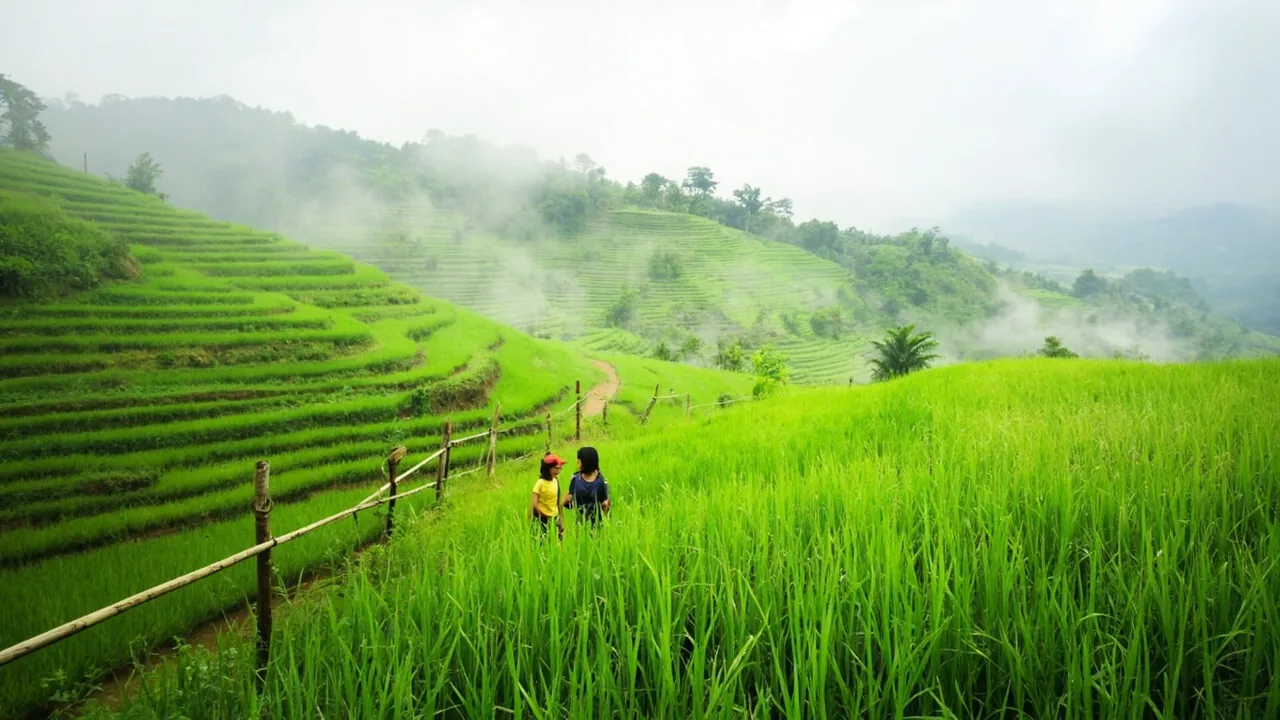
- Lush green rice terraces around Bandung and around Mount Halimun-Salak, photographers love this.
- Almost no queues at Borobudur, Borobudur sunrise tickets are easier to grab.
- Thunderstorms are spectacular, 90 minutes of horizontal rain followed by clear skies is a normal afternoon pattern, not an all-day washout.
Cons:
- Bromo sunrise: maybe 2–3 out of 10 mornings are clear in January and February.
- Ijen crater: the sulphur miners keep working in rain, but the blue flame is barely visible when humidity is above 80%, and the walk down is genuinely slippery.
- Flooding in Jakarta is a real risk from late December to mid-February. Central and north Jakarta neighbourhoods (Kelapa Gading, Pluit, parts of central) flood regularly, and road closures can add several hours to cross-city travel.
- Ferries between Java and Bali ( Banyuwangi. Gilimanuk) get cancelled 4–6 times a month in January. If you are crossing to Bali after Java, build in a buffer day.
- Highland temperatures drop to 15°C at night, fog rolls in by 4 p.m. In Bandung, and your “tropical holiday” packing list suddenly looks wrong.
The wet season is fine if your itinerary is mostly Yogyakarta, Jakarta, and Bandung city stuff, with no volcano sunrises. It is a bad idea if Bromo is the whole point of your trip. Jeep tours in Probolinggo still run in February at around ₹6,430 (~1,200,000 IDR or ~$66.69), but the sunrise view is frequently clouded out — that is the gamble.
What to Pack Specifically for Java
See our full Indonesia packing list for the complete breakdown. Here is what matters specifically for Java’s climate swings:
Dry season (May. September):
- Light cotton shirts for lowland cities.
- A real fleece or light down jacket for Bromo and Ijen sunrise. Temperatures at 2,300 m at 4 a.m. Are 8–12°C. The “Indonesian heat” stereotype gets Indian trekkers caught every year.
- Sunscreen SPF 50, the equatorial sun at altitude is no joke.
- One pair of long trousers for the volcano summit, the volcanic sand and wind will sandblast your legs in shorts.
- A buff or face covering for Ijen, the sulphur smoke at the crater rim is genuinely unpleasant for 10–15 minutes.
Wet season (November. March):
- Quick-dry shirts, three at minimum.
- A packable rain shell, not a poncho, the wind on the south coast is strong enough to flip a poncho inside out.
- A dry bag for electronics, daypack covers don’t cut it on Java’s east coast.
- Sandals with grip for Yogyakarta and the Prambanan temple complex, the stone gets slick.
- A light jumper for Bandung evenings, 17°C is not Bangalore December cold but it is not Delhi October either.
Java Costs by Season
These are current 2026 prices for backpacker-level spend. All values are in the local currency paid at the point of sale. The hostel figures use the canonical Yogyakarta dorm range (₹321-₹643 (~60,000-120,000 IDR or ~$3.33-$6.67)); peak season prices run higher, low season lower.
| Item | Peak Season (Jul. Aug) | Shoulder (Apr. May, Sep. Oct) | Low Season (Nov. Mar) |
|---|---|---|---|
| Flight from India (round trip) | ₹32,000 (~$331.94) | ₹24,000 (~$248.95) | ₹18,000 (~$186.71) |
| Dorm bed, Yogyakarta | ₹643 (~120,000 IDR or ~$6.67) | ₹482 (~90,000 IDR or ~$5) | ₹321 (~60,000 IDR or ~$3.33) |
| Bromo sunrise jeep tour | ₹2,411 (~450,000 IDR or ~$25.01) | ₹1,875 (~350,000 IDR or ~$19.45) | ₹1,340 (~250,000 IDR or ~$13.89) |
| Ijen crater tour (with gas mask) | ₹1,875 (~350,000 IDR or ~$19.45) | ₹1,500 (~280,000 IDR or ~$15.56) | ₹1,179 (~220,000 IDR or ~$12.23) |
| Borobudur sunrise ticket | ₹2,438 (~455,000 IDR or ~$25.29) | ₹2,438 (~455,000 IDR or ~$25.29) | ₹2,438 (~455,000 IDR or ~$25.29) |
| Warung meal (nasi goreng, etc.) | ₹134 (~25,000 IDR or ~$1.39) | ₹118 (~22,000 IDR or ~$1.22) | ₹107 (~20,000 IDR or ~$1.11) |
| Local SIM (30-day, 20+ GB) | ₹536 (~100,000 IDR or ~$5.56) | ₹536 (~100,000 IDR or ~$5.56) | ₹536 (~100,000 IDR or ~$5.56) |
| Daily budget (mid-range backpacker) | ₹2,679 (~500,000 IDR or ~$27.79) | ₹2,143 (~400,000 IDR or ~$22.23) | ₹1,607 (~300,000 IDR or ~$16.67) |
The Bromo jeep tour price is the single biggest swing. In August you are paying 80% more than in February for the same 4 a.m. Start time and the same Toyota Land Cruiser. Book directly with operators in Probolinggo or Cemoro Lawang rather than through your hostel in Yogyakarta, the markup is typically ₹536-₹804 (~100,000-150,000 IDR or ~$5.56-$8.34).
Where to Eat in Java (Indian Traveller Reality)
If you are in Yogyakarta, the on-the-ground food scene is what you came for. For a broader look at Indonesian food options, here are the Java-specific picks:
If you are in Yogyakarta, the on-the-ground food scene is what you came for. The House of Raminten is the traditional Javanese pick, full Javanese banquet style, with rijsttafel portions at around ₹402-₹643 (~75,000-120,000 IDR or ~$4.17-$6.67) per person. For Indonesian comfort food in a quieter setting, SEMAJA Menteng (if you are passing through Jakarta) is the local pick, with a 4.8 rating for a reason. In Yogyakarta itself, Kalluna Cafe & Restaurant is the spot where backpackers take a break from gudeg and nasi kucing, the truffle mushroom pasta and ayam betutu are both genuinely good and the prices stay reasonable at ₹268-₹482 (~50,000-90,000 IDR or ~$2.78-$5) for a main.
When the dal-chawal craving hits and you need a proper North Indian meal, three spots do the job well. The Royal Kitchen Signature in Jakarta is the upscale option, Raan Sikandar and butter chicken at ₹804-₹1,607 (~150,000-300,000 IDR or ~$8.34-$16.67) per person. The Indiana Cuisine is the casual daily-driver option, similar menu at lower prices. Ganesha Ek Sanskriti Kemayoran is the traditional vegetarian-friendly pick, butter chicken and paneer at ₹536-₹1,340 (~100,000-250,000 IDR or ~$5.56-$13.89) per person. All three are in Jakarta; for Yogyakarta expect fewer Indian options and more “Indonesian Indian fusion” which is a hit-or-miss category.
Getting Connected
A local SIM is cheap and useful for checking BMKG weather radar in real time during your trip. Telkomsel and XL Axiata both sell tourist SIMs at the airport for ₹536 (~100,000 IDR or ~$5.56) with 20–30 GB of data valid for 30 days. Coverage is good in cities and at the Bromo caldera. If you want to land already online, Get Nomad eSIM gives you Indonesia data before you leave Delhi, which is useful for the Grab app and Google Maps the moment you clear immigration.
FAQ
Is Bromo worth it in the wet season? It depends on what you want. If Bromo is the only reason you are flying to Java, wait for June to September. If you are already in Yogyakarta and Bromo is a side trip, January and February still give you a chance of a clear morning, maybe 2–3 out of 10 days. The jeep tour and the crater walk are still worthwhile on their own even when the sunrise is clouded out.
When is the Ijen blue flame visible? The blue flame is most reliably visible in July, August, and September, when humidity is lowest and there’s less fog in the crater. Outside those months the flame is often masked by sulphur smoke and mist. The crater itself is open year-round for the sulphur miners and the sunrise walk, so the trek is still worth doing in shoulder months for the lake alone.
Do I need a visa for Indonesia as an Indian passport holder? Yes, visa-on-arrival, ₹3,374 (~35 USD) for 30 days, extendable once at the immigration office. Bali adds a separate ₹804 (~150,000 IDR or ~$8.34) tourism levy that is collected at the airport, not part of the visa fee. The full breakdown is in our visa-on-arrival guide if you want the step-by-step.
What is the best month to combine Java and Bali? June or September. Both are dry across the whole Java-Bali chain, the Banyuwangi-Gilimanuk ferry runs on schedule, and the Bromo-Ijen-Bali loop is at its most reliable. August is the most reliable month for weather but the busiest for crowds and the most expensive for flights.
How does Java weather compare to Bali and the Gilis? Java is wider and more topographically varied than Bali, so the climate range is bigger. Bandung at 18°C night temperature is colder than anywhere in Bali. Jakarta at 34°C with 80% humidity is worse than Denpasar. The Gilis are drier than most of Java in the wet season, because they sit further east in the rain shadow. If your main concern is avoiding rain, Lombok and the Gilis in January are a better bet than Yogyakarta.
Are earthquakes a concern in Java? Java sits on a active seismic zone, and earthquakes of varying magnitude do occur. For the current advisory from the Indian government, check the MEA travel advisory page before departure, and register with the Indian embassy in Jakarta if you are staying more than two weeks. The official response system is well-drilled in Java.
Subodh’s Take
Java’s weather story is two stories. Lowland Java is hot, humid, and monsoon-driven, broadly similar to the rest of Indonesia but with a sharper dry season than the islands further east. Highland Java is a different country, cool nights, misty mornings, and the volcanic landscapes that make Bromo and Ijen worth the trip in the first place. The mistake I see Indian backpackers make most often is treating the whole island as one climate. Plan for the highland nights even in May. Plan for the lowland humidity even in August. And if Bromo is the headline of your trip, book for July or August, the shoulder months are lovely for Yogyakarta but the sunrise gamble is real in October or April.
