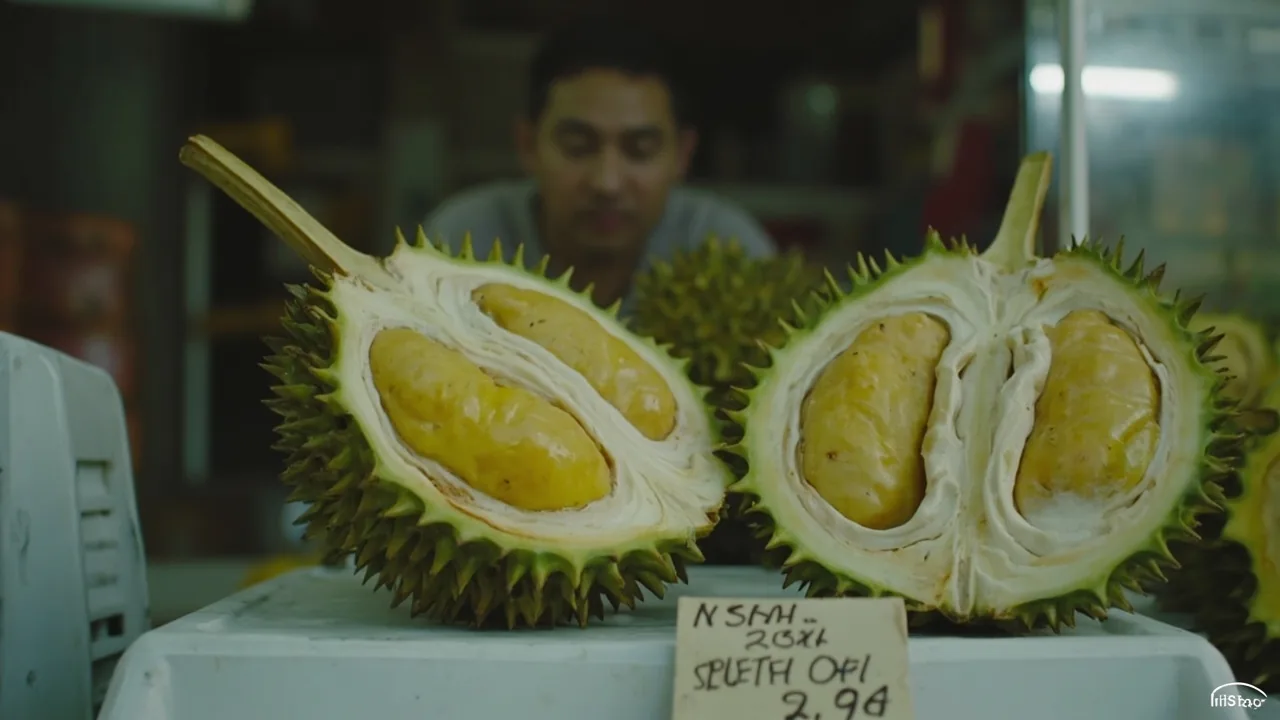
Durian, Cendol & More: A Foreigner’s Guide to Malaysia’s Wildest Street Sweets
If you’re planning your first trip to Malaysia beyond KL, start with our Southeast Asia backpacking hub for the broader route map.
This is a first-timer’s guide to the best durian Kuala Lumpur foreigners can find, plus cendol, ais kacang, and the other Malaysian street sweets worth chasing. Below: actual stall recommendations, what to order, what to skip, and the cultural rules that separate a great memory from a story you only tell when drunk.
This guide is for the climber. Below is a first-timer’s playbook for durian, cendol, mango desserts, and the rest of Malaysia’s wildest street sweets, with actual stall recommendations in Kuala Lumpur, what to order, what to skip, and the small cultural rules that make the difference between a great memory and a story you only tell when drunk. You may also find Malaysia Best Street Food Cities Penang Melaka Ipoh Johor Bahru useful for this trip.
Subodh’s Pro Tip: Don’t buy durian near the main tourist drags of Bukit Bintang. Walk two streets deeper into any residential neighbourhood and the same fruit drops to half the price. The premium is for foot traffic, not quality.
Quick Answers
| What | Answer | Price (INR) |
|---|---|---|
| Best area to try Musang King durian in KL? | SS2, Petaling Jaya (about 15 min by LRT from KL centre) | ₹582-₹1,861 (~25-80 MYR or ~$6.14-$19.66)/kg depending on season |
| Cendol, the shaved-ice dessert, typical price? | Most hawker stalls in the city | ₹94-₹165 (~4-7 MYR or ~$0.98-$1.71) |
| What is the “Musang King” durian most foreigners buy? | The premium cultivar; sweet, bitter, creamy | ₹1,047-₹1,861 (~45-80 MYR or ~$11.06-$19.66)/kg in season |
| Can durian and alcohol make you sick? | Yes, widely believed; avoid mixing on your first try | — |
| Best month for durian in KL? | June to August is peak season | — |
The Big Four: What to Try (and What to Skip)
Malaysia’s dessert universe is bigger than durian, even if durian is the loudest voice. Here’s how to think about it as a first-timer.
1. Durian: The One Everyone Warns You About
Musang King (Mao Shan Wang) is the variety every durian vendor in KL will push first. It’s the Rolls-Royce of Malaysian durian: thick, creamy, bittersweet flesh with a custard-like texture that melts on the tongue. It also costs 45-80 MYR/kg during peak season (June to August) and climbs higher outside it.
If you want the real-deal first-timer experience, here’s what matters:
- Smell test your vendor. A good durian shop doesn’t smell like a gas leak. If the staff is wearing a mask and apologising, the stock is past its prime. Walk out.
- Ask to see the fruit cracked open before you pay. Reputable stalls will crack one for free, hand you a segment on a toothpick, and let you taste before committing to a whole kg. This is normal and expected.
- Musang King, D24, and Red Prawn are the three cultivars most tourists enjoy. Skip anything labelled “wild” or “kampong” for your first run; the flavour profile is much more pungent and often an acquired taste even for Malaysians.
- Eat it at room temperature. Chilled durian tastes muted. The room-temp version is the one you’ll remember. If you’re still building your overall KL itinerary, our best cities to visit in Malaysia guide lines up the usual stops.
- Don’t drink alcohol right after. This isn’t a myth your grandmother made up. The combination is widely reported to cause stomach discomfort, and most experienced durian eaters will tell you the same.
Where to buy in KL: SS2 in Petaling Jaya is the historic durian strip. Take the LRT to Taman Bahagia station and walk 10 minutes north. Stalls along Jalan SS2/24 open from late afternoon until stock runs out, and prices here are typically 30-50% lower than the Bukit Bintang area. Most shops will vacuum-pack and box your purchase for the flight home; airlines allow it in checked luggage if it’s sealed properly.
Safety Alert: Some hotels and guesthouses in KL ban durian in rooms because the smell lingers for days. Ask before you bring a whole fruit back to your dorm.
2. Cendol: The Gentle Entry Point
If durian is the roller-coaster, cendol is the warm-up ride. It’s shaved ice over pandan-flavoured green rice flour jelly, drowned in coconut milk and palm sugar syrup, with red beans at the bottom. It looks like a child’s birthday cake in a cup and tastes like the platonic ideal of “cooling” food.
What to look for in a good cendol:
- Real pandan flavour. If it tastes artificially green, that’s colouring. Good cendol has a grassy, herbal note from actual pandan leaves.
- Freshly shaved ice. If the ice has been sitting, the coconut milk separates and the whole thing turns soupy.
- Gula melaka, not regular sugar. The palm sugar caramel note is non-negotiable.
Where to try: The night markets around Taman Connaught (every Wednesday) and SS2 (most weekends) have small stalls where you’ll pay ₹94-₹118 (~4-5 MYR or ~$0.98-$1.22) for a cup that tastes homemade. A bowl at a fixed-shop hawker stall in the city typically runs ₹118-₹165 (~5-7 MYR or ~$1.22-$1.71).
3. Mango Desserts: The Underrated Star
Mango in Malaysia is a different animal than the Alphonso you’re used to back home. The local Harum Manis and Chok Anan varieties are intensely sweet, almost floral, with little fibre. During peak mango season (March to June), dessert menus across KL light up.
Mango sticky rice-style local options: You’ll see mango with sticky rice or sago at Thai-run stalls and modern cafes. Good ones balance the sweet mango with salted coconut cream and just-cooked sticky rice. Avoid places that use cold, hard mango straight from the fridge; the flavour is muted.
Shaved mango ice: Less common but worth hunting. Some dessert shops near Klang Valley malls blend fresh mango with shaved ice and condensed milk; it’s a Malaysian mango lassi in dessert form.
4. Ais Kacang (ABC): The Local “Everything” Dessert
Ais Kacang, also called ABC (Air Batu Campur, “mixed ice”), is Malaysia’s answer to Korean patbingsu. A mountain of finely shaved ice topped with red beans, sweet corn, grass jelly, attap chee (palm seeds), rose syrup, and condensed milk. Some versions add durian or mango.
It looks chaotic. It tastes like a summer afternoon in a bowl. It’s also dirt cheap, usually ₹94-₹141 (~4-6 MYR or ~$0.98-$1.47) at any decent hawker stall.
Subodh’s Pro Tip: Order ABC without rose syrup if it’s your first time. The bright red syrup is delicious but it dyes your tongue pink and dominates every other flavour. Ask for “less manis” (less sweet) and you’ll get the actual character of the ice.
Local Sweet Spots Worth the Trip
The following spots come from a mix of local recommendations and traveller reports. Pricing is what you’d pay walking in off the street, not on a delivery app.
Hawker & Street Favourites
- Seeds Origin - Healthy Food Cafe Kuala Lumpur for a clean, modern take on regional desserts if you want air-conditioning and Instagram-worthy plating rather than the hawker experience. Their fruit bowls use local seasonal fruit, so check what’s in season.
Indian & Veg-Friendly Options
When you need a break from shaved ice (you’re a strict vegetarian), the Indian food scene in KL is excellent. These three spots are tried-and-tested.
-
Saudagar Heritage Indian Kitchen for North Indian vegetarian food with strong regional flavours. Their paneer dishes and dals are a clean antidote to a week of sweet-heavy eating. Mains run ₹424-₹660 (~18-28 MYR or ~$4.40-$6.85).
-
Bombay Grand Indian Cuisine - KLCC Branch for Maharashtrian and coastal Indian dishes, which translates to lighter, coconut-based curries that pair well with hot weather. The KLCC location is convenient if you’re staying in the city centre.
-
Solh Restaurant & Bar for modern Middle Eastern with Indian subcontinent crossover. Their saffron-infused biryani gets consistent local praise, and the lamb shawarma is reliable. Veg options are marked on the menu.
Pro Tip for Veg Travellers: Malaysian hawker stalls often use the same boiling water for vegetables and meat, and lard/oyster sauce sneaks into “stir-fried veg” more than you’d expect. Indian restaurants in KL are your safest bet for strict-veg food, with Saudagar Heritage and Bombay Grand being the most reliable picks in the city centre.
Eating Etiquette: The Small Rules That Matter
Malaysia is a multicultural country and the dessert scene reflects that. A few things to keep in mind that don’t show up in any guidebook:
-
Eat durian outside. Trains, buses, taxis, and most indoor malls politely (not-so-politely) ban durian because the smell is genuinely hard to remove. Don’t be the foreigner who gets kicked off an LRT for opening a fruit in the cabin.
-
Hawker stall seating is communal during peak hours. If a table has tissues or a pack of wet wipes on it, it’s “reserved” (the tissue packet is the local hack). Don’t sit there unless you ask first.
-
Use your right hand when paying and taking food from a shared plate. This is a soft rule everywhere, but it gets stricter at Indian and Malay stalls.
-
Don’t tip hawker stalls. Tipping isn’t expected and can even be slightly awkward. Round up the bill if you want to acknowledge good service, but don’t leave coins on the table like you would in the US.
-
Bring small change. Most dessert stalls are cash-only and the vendor may genuinely not have notes to break a ₹1,178 (~50 MYR or ~$12.23) bill on a busy night.
Common Mistakes Foreigners Make
These are the small, avoidable errors that show up over and over with first-time visitors. None of them will ruin your trip, but a few will cost you real money.
Mistake 1: Buying “Musang King” outside of season at peak prices
Musang King has a window, June through August. Outside that window, what vendors sell as “Musang King” is often a hybrid or stored supply. The flavour is never the same. If you’re visiting in October and paying 80 MYR/kg for “Musang King,” you’re paying for the name. D24 (a milder, sweeter cultivar) or Red Prawn often tastes better out of season at half the price.
Mistake 2: Eating durian and washing it down with cold drinks or alcohol
The folk wisdom here is real. Malaysians will tell you not to drink cold water, milk, or alcohol after durian because it “shocks the stomach.” Whether or not you buy the science, the practical advice is: eat durian slowly, drink something warm (room-temperature water or tea), and avoid alcohol until the next day. Travellers report more than a few cases of bad stomachs that trace back to a durian + beer combination.
Mistake 3: Skipping the night markets
KL’s night markets (pasar malam) rotate by neighbourhood every night of the week. They’re where locals shop for desserts, snacks, and dinner. Prices are 30-50% lower than fixed restaurants, the food is fresher because turnover is high, and the variety is way better. Taman Connaught (Wednesday) is the most famous. SS2 (Sunday) is a strong second. Check out our full night markets guide for the full weekly schedule.
Mistake 4: Ordering “less ice” on a hot day
Sounds counterintuitive, but Malaysian shaved-ice desserts work because the ice melts into the coconut milk and sugar. If you ask for less ice, you get a soupy mess instead of a dessert. Order it as-is and eat it within 15 minutes.
Mistake 5: Trusting the “best durian in KL” signs near Bukit Bintang
The durian shops near the main tourist strips pay high rent and pass it on. Walk 15 minutes deeper into any residential neighbourhood (Bangsar, SS2, Taman Desa) and you’ll find the same fruit at a much fairer price. The vendor’s reputation is also more reliable in the residential spots because most of their customers are repeat locals who know when something is off.
Delivery & Late-Night Options
If your hostel kitchen is closed or you’re too tired to go out, KL has solid dessert delivery. A few notes:
- GrabFood is the dominant app. Most cendol, ais kacang, and mango dessert vendors are listed.
- Deliveroo and Foodpanda also work, with slightly different vendor pools.
- Durian delivery specifically: Yes, it’s a thing. Most SS2 durian shops now have WhatsApp-based delivery (you’ll see the number on the shop’s Instagram or Google listing). They’ll deliver whole fruits, vacuum-packed if you ask. Expect a ₹236-₹471 (~10-20 MYR or ~$2.45-$4.89) delivery fee on top of the fruit price.
For the official durian delivery in KL, the cluster leader here is still SS2, and many shops will ship to anywhere in the Klang Valley within an hour. If you’re outside KL (Penang, Ipoh, Malacca), the durian delivery scene gets more seasonal because supply tightens.
Safety & Practical Stuff
KL is generally safe for foreign travellers, but a few things to keep in mind when you’re out late chasing desserts:
- Most hawker stalls close between midnight and 2 a.m. If you’re planning a 2 a.m. Durian run, double-check before you LRT out to the suburbs.
- Grab is safer than hailing a random taxi at night, especially if you’re carrying an open durian. No driver wants the smell in their car.
- Drink bottled water during heavy dessert consumption. The sugar + coconut milk + ice can dehydrate you faster than you’d expect. Bottled water rules in SEA covers this in more detail.
- Carry small notes. Vendors at night markets sometimes genuinely can’t break a ₹2,356 (~100 MYR or ~$24.46) note on a busy weekend. Have 10s and 20s ready.
Safety Alert: For current government advisories and embassy contacts before you travel, check the MEA portal at mea.gov.in for India-specific updates. The Malaysian tourist police hotline is 03-2149-6590 and English-speaking operators are available.
Subodh’s Take
Malaysia’s dessert scene rewards the visitor who treats it as an actual scene, not a checklist. The visitors who have the best time are the ones who show up at a night market at 9 p.m. With no plan, point at whatever the aunty at the next table is eating, and trust the process. Go in with an open stomach and a small appetite for risk. The rest takes care of itself.
FAQ
Where can foreigners buy Musang King durian in KL?
The most reliable strip is SS2 in Petaling Jaya. Take the LRT to Taman Bahagia station and walk north; the durian shops line the back streets. Most stalls are open from late afternoon until stock runs out, and prices run 25-80 MYR/kg in peak season (June to August).
How much does durian cost in Kuala Lumpur during peak season?
Musang King runs 45-80 MYR/kg in season, with premium “Grade A” fruit pushing toward 100 MYR/kg. D24 and Red Prawn are cheaper, often 20-40 MYR/kg. Off-season prices can double because supply tightens and quality drops.
Is there durian delivery in KL?
Yes. Most SS2 vendors offer WhatsApp-based delivery within the Klang Valley. GrabFood and Deliveroo also list many durian shops. Expect a ₹236-₹471 (~10-20 MYR or ~$2.45-$4.89) delivery fee plus vacuum-packing charges if you’re flying out with it.
Can you bring durian on the plane?
Yes, in checked luggage if it’s vacuum-sealed. Most airlines require the fruit to be packed in a sealed container with no smell leakage. Squeeze past security and you’re golden. Don’t try to bring fresh durian into your cabin; the smell will get you asked to leave.
What’s the best cendol in Kuala Lumpur?
The hawker stalls around Taman Connaught and SS2 night markets are where locals go for a fresh cup, usually ₹94-₹118 (~4-5 MYR or ~$0.98-$1.22). Fixed-shop stalls in the city typically run ₹118-₹165 (~5-7 MYR or ~$1.22-$1.71) per bowl.
Is it true you shouldn’t mix durian and alcohol?
The folk wisdom is real and Malaysians take it seriously. Travellers report stomach discomfort after a durian + beer or durian + whisky combination, and most locals will refuse the pairing outright. Eat durian slowly, drink room-temperature water or tea, and save the alcohol for the next day.
When is durian season in Malaysia?
The main season is June to August, with a smaller secondary season in November to February depending on the region. June to August is when Musang King is at its peak. Plan your trip accordingly if durian is a priority.
