Pottery Classes in Chiang Mai (2026)
For the full Southeast Asia trail, check our SEA backpacking hub. ✅ Last verified on-the-ground: 2026-07-17
Chiang Mai has one of the densest pottery scenes in Southeast Asia: hands-on studios where you throw, glaze, and fire your own work in a single afternoon, a classic chiang mai niche activity for travellers wanting a creative half-day between temples and night markets.
What Is a Chiang Mai Pottery Class?
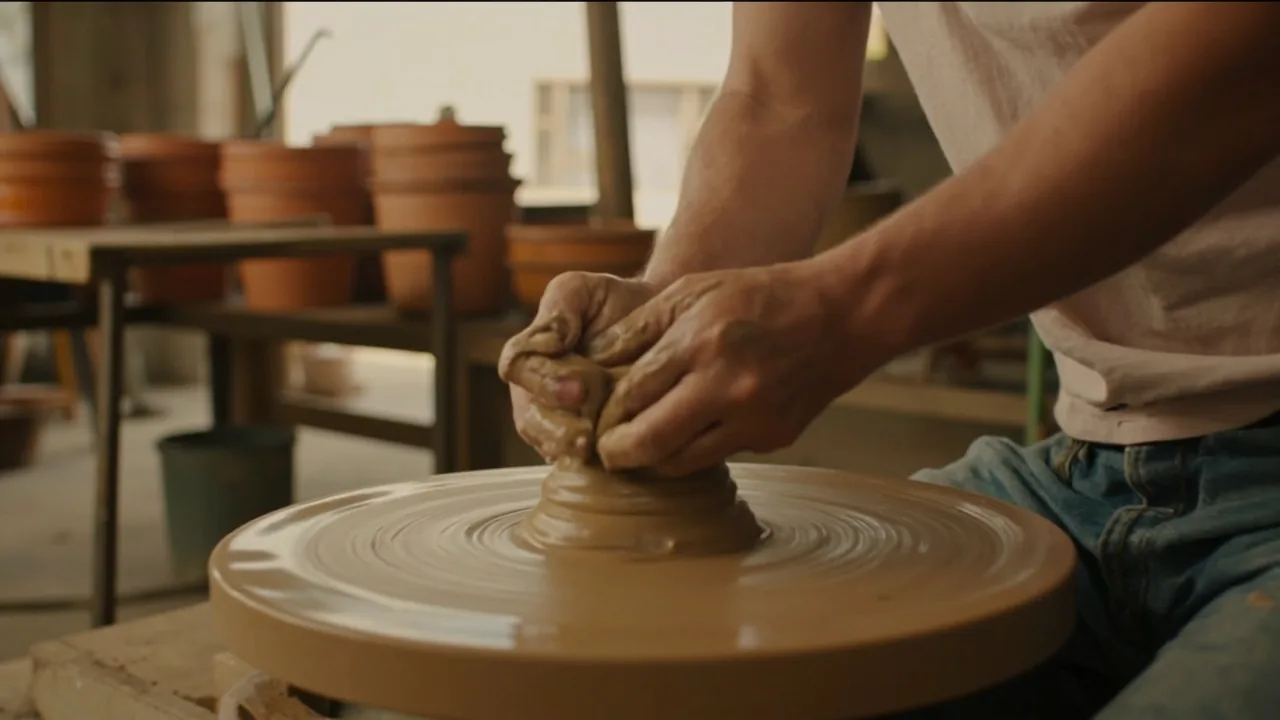
A Chiang Mai pottery workshop is a half-day (sometimes full-day) hands-on session where you sit at a kick wheel or hand-build with clay, get coached by a Thai ceramicist, and leave with a fired, glazed piece you made yourself, usually shipped to your hotel within a week. Most studios are clustered around the Old City moat and the Hang Dong / San Kamphaeng road, the latter being the ceramics belt that supplies much of northern Thailand.
The format isn’t museum pottery. It’s small-group, messy, and forgiving: most places fire whatever you make and hand it back finished, regardless of how wonky it looks coming off the wheel.
Quick Answers
| What | Answer | Price (INR) |
|---|---|---|
| Typical half-day workshop | 2-3 hours, 1 piece fired | ₹3,446-₹7,179 (~1,200-2,500 THB or ~$35.74-$74.47) |
| Full-day wheel + glazing | 5-6 hours, 2 pieces | ₹7,179-₹12,922 (~2,500-4,500 THB or ~$74.47-$134.04) |
| Walk-in availability | Common at Old City studios, weekends book out | , |
| Fired piece ready | 3-7 days, hotel delivery or studio pickup | , |
| English instruction | Standard at tourist studios | , |
| Vegetarian options in cafe | Most studios have an on-site cafe with veg food | , |
Step-by-Step: How to Book and Take a Pottery Class in Chiang Mai
Step 1: Pick Your Studio Type
Chiang Mai has three flavors of pottery class:
- Tourist studios in the Old City: Set prices, English instruction, hotel transfers often included, fired pieces returned in 3-7 days. Best for first-timers.
- Artist-run studios (Hang Dong, San Kamphaeng): Cheaper, deeper instruction, smaller groups. You’ll need a scooter or grab to reach most.
- University-linked workshops: Chiang Mai University’s Faculty of Fine Arts runs occasional community classes. Cheap and authentic, but not always open to drop-ins.
If you’re in Chiang Mai for 2-3 nights, the Old City studios are the practical answer.
Step 2: Book in Advance (Especially Nov-Feb)
Peak season (November to February) is when Chiang Mai fills up with cool-weather tourists, and pottery classes fill with them. Book at least 2-3 days ahead through GetYourGuide or directly with the studio. Walk-ins work in low season (June to October), but the rainy afternoons in particular are when tourists flood studios to escape the weather, so even off-peak can get busy.
Step 3: Wear Clothes You Don’t Mind Ruining
Clay doesn’t wash out well. Wear something dark, short-sleeved or rolled-up, closed-toe shoes you can rinse. Most studios provide aprons, but clay finds its way to wrists, ankles, and collarbones anyway. Leave the white kurta at the hostel.
Step 4: Arrive 10-15 Minutes Early
Studios start with a quick demo on centering clay on the wheel, then turn you loose. Latecomers miss the demo and spend their first 20 minutes poking at a spinning lump. The session is short; every minute matters.
Step 5: Make Multiple Pieces if the Price Allows
Almost every studio charges per piece, not per hour. If the half-day rate includes 2-3 pieces, use them. Your first bowl will be uneven; the second one will be better; by the third you’ll start to feel the wheel. Most studios will fire all three and return them, which gives you souvenirs you can’t buy in a market.
Step 6: Arrange Pickup of the Fired Piece
Three options, in order of how Indian travelers usually handle it:
- Hotel delivery (free to ~₹574 (~200 THB or ~$5.96)): Most studios deliver to Old City hotels within a week. Easiest.
- Studio pickup: Free, but only if you’re staying 5+ days and remember to go back.
- Shipping to India: Possible via DHL or Thailand Post, but the shipping cost (₹4,307-₹8,614 (~1,500-3,000 THB or ~$44.68-$89.36)) often exceeds the class itself. Skip this.
If your Chiang Mai trip ends in Bangkok, ask if the studio can ship to your Bangkok hotel. Some do for a small fee; most don’t. Plan accordingly.
Step 7: Slot It Around Other Activities
A pottery class eats 2-3 hours of your day. Schedule it for the morning, then spend the afternoon doing low-energy things: Wat Phra That Doi Suthep for sunset, or the Old City Electric Tuk-Tuk Tour with Guide for a soft overview. Avoid stacking it with Wat Chedi Luang and a cooking class in the same day; you’ll be exhausted.
Common Mistakes Indians Make
Mistake 1: Booking a “Thai Cooking Class” Instead of Pottery
Chiang Mai’s cooking-class market is enormous and SEO-heavy. A search for “pottery class Chiang Mai” often returns cooking-class pages that mention “kitchen” and “clay pot” in passing. Read the listing carefully: if there’s no kick wheel or hand-building in the photos, it’s a cooking class. Cooking classes are great, but they’re not what you searched for.
Mistake 2: Assuming the Studio Has Indian Food
Most studios have a small cafe with Thai tea, coffee, and basic Thai snacks (banana roti, spring rolls). Indian-specific food is rare on-site. If you need a real meal before or after, plan around it. Chada Vegetarian Restaurant Chiang Mai and Chai “N” Thai @ Nimman are both within a 10-15 minute grab ride of most Old City studios.
Mistake 3: Skipping Because “I Have No Artistic Talent”
Pottery classes in Chiang Mai are not auditioned. The instructor’s job is to make sure your piece is functional enough to fire, not to judge the shape. Indian travelers who think pottery is “not their thing” consistently report enjoying it more than expected, because the wheel does most of the centering work; you’re just guiding it.
Mistake 4: Paying in USD Cash Without Negotiating the Rate
If you’re carrying USD (which most Indian travelers are, given RBI’s LRS limit and forex card fees), some studios quote in USD with a poor conversion. Pay in THB via a forex card or UPI through Wise to get the actual rate. The savings on a ₹7,179 (~2,500 THB or ~$74.47) class can be ₹287-₹861 (~100-300 THB or ~$2.98-$8.94).
Mistake 5: Forgetting That Fired Pieces Are Heavy
A medium-sized fired bowl weighs 400-700g. If you’re buying multiple pieces and flying out from Chiang Mai International (CNX), remember that ceramic is fragile and dense. Wrap each piece in 3-4 clothing layers in your suitcase, not in your carry-on where pressure changes can crack it.
What Most Guides Don’t Tell You
The “Sea in Chiang Mai” Confusion Has a Real Source
A handful of Chiang Mai pottery studios are named after water features: “River,” “Lake,” “Pond.” None are on a sea. The most-searched term “pottery classes sea in Chiang Mai” likely comes from this naming pattern combined with Google’s loose matching. The fix is to search “pottery workshop Chiang Mai” or “ceramic class Chiang Mai” instead, both of which return the actual studios. You’ll find the same places without the SEO detour.
Some Studios Fire With Wood, Others With Gas, and It Matters
Traditional Lanna pottery uses wood-fired kilns, which produce uneven, ash-glazed surfaces that look earthy and slightly mottled. Modern studios use gas or electric kilns, which give cleaner, more uniform glazes. Wood-fired pieces are more “authentic” but cost 30-50% more, and the firing schedule may mean your piece isn’t ready before you leave. Ask which kiln they use before you book.
Sundays at the Studio Are a Different Vibe
Saturday is when most hotels and hostels recommend pottery classes in Chiang Mai. If you want a quieter session, try Wednesday or Thursday, which is when studios typically have fewer students.
You Can Pair Pottery With a Cooking Class, but Not on the Same Day
Both classes run 3-5 hours, and you’ll be physically tired after pottery (kneeling, gripping, leaning). Travellers who stack them on the same day report being too drained to enjoy the cooking class. Spread them across two days.
What to Eat Around the Studio
Chiang Mai’s food scene is one of the best in Thailand for Indian travelers: Northern Thai cuisine (sour, herbaceous, less spicy than Bangkok food) overlaps well with Indian palates, and there are enough dedicated Indian restaurants that you don’t have to compromise.
For a quick pre-class meal near the Old City, The Simple does clean, no-frills Thai plates at local prices. If you want a riverside setting, Riverfront Restaurant Chiang Mai sits on the Ping River, with shaded outdoor seating that’s pleasant in the late afternoon.
When the dal-rice craving hits, Chada Vegetarian Restaurant Chiang Mai is the most reliable pure-veg Indian spot in the Old City, with thalis, dosas, and a few Northern Thai dishes rendered vegetarian. For a heavier North Indian meal, Chai “N” Thai @ Nimman sits in the Nimman area and has both vegan and gluten-free options, plus halal meat if you’re travelling with non-veg eaters in the group. Coconuts N Cocktails Indian Restaurant at the Night Bazaar is good for a late dinner after an evening pottery class, with a casual setting and a long cocktail list if you want to wind down.
A typical Northern Thai meal runs ₹230-₹517 (~80-180 THB or ~$2.38-$5.36) at a local spot, ₹574-₹1,149 (~200-400 THB or ~$5.96-$11.91) at a mid-range riverside restaurant, and ₹718-₹1,436 (~250-500 THB or ~$7.45-$14.89) at the Indian spots. Daily food budget for a backpacker who eats one Indian meal a day is usually ₹1,149-₹2,010 (~400-700 THB or ~$11.91-$20.85), well within what most Thailand trip budget guides suggest.
Safety and Practical Notes
Chiang Mai is one of the safest cities in Southeast Asia for Indian travelers. Petty theft is rare in the Old City, tuk-tuk scams exist but are well-documented (here’s the breakdown). Pottery studios are indoor, low-risk environments. The main practical hazards:
- Clay dust: If you have asthma, mention it to the instructor; the dry clay stage kicks up fine particulate.
- Hot kiln area: Studios with on-site kilns have a marked off-limits zone. Don’t cross it.
- Traffic on the way back: If you walk back to your hostel after dark, stick to the lit moat roads. Chiang Mai’s Old City has small side lanes that are pitch-black at night.
For broader trip safety, check the MEA travel advisory before flying. For activity-specific insurance (if you chip a tooth on a kick wheel or cut your hand on a trim tool), a travel insurance policy covers it.
FAQ
Is there pottery on the sea in Chiang Mai?
No. Chiang Mai is landlocked, around 700 km from the Gulf of Thailand and 900+ km from the Andaman coast. The “sea” in pottery class names is sometimes a translation of “river” or “lake” or just an aesthetic branding choice. Pick a studio based on reviews, instructor experience, and what’s in the class (wheel time vs. Hand-building vs. Painting pre-made bisque), not on the studio name.
How much does a pottery class in Chiang Mai cost?
Half-day sessions (2-3 hours, 1 piece) run ₹3,446-₹7,179 (~1,200-2,500 THB or ~$35.74-$74.47). Full-day sessions (5-6 hours, 2-3 pieces) run ₹7,179-₹12,922 (~2,500-4,500 THB or ~$74.47-$134.04). Add-ons like hotel pickup, multiple firings, or extra pieces push the total to ₹14,358-₹20,100 (~5,000-7,000 THB or ~$148.93-$208.50) for a full premium experience. At current rates (1 THB ≈ ₹2.87), a mid-range 2,000 THB workshop works out to around ₹5,738 (~$59.52).
Do I need pottery experience?
No. All tourist studios start with a centering demo and basic wheel guidance. Indian travelers who have never touched clay before report making functional bowls and cups on the first try. The instructor will adjust your piece before firing, so even a lopsided bowl will come out as a usable lopsided bowl.
Can I take my fired piece home on the plane?
Yes, but wrap it well. Use 3-4 layers of clothing (t-shirts, sweaters) inside a hard-shell suitcase, with the piece in the center, not the edges. Don’t put it in your carry-on; pressure changes in the cargo hold are gentler than the overhead bin, and checked bags give you more packing space. Most pieces survive domestic Thai flights; international flights from Chiang Mai to India work too, with one or two pieces per bag.
Are there vegetarian food options near the studios?
Yes. The Old City and Nimman areas have multiple pure-veg and Indian-friendly restaurants within a 10-15 minute grab ride of any studio. Chada Vegetarian Restaurant and Chai “N” Thai are the most cited by Indian travelers. Most studio cafes themselves offer Thai tea, coffee, banana roti, and basic Thai snacks, all vegetarian.
How do I get from my hostel to the studio?
Old City studios are walkable from most hostels inside the moat. Out-of-town studios (Hang Dong, San Kamphaeng) need a grab, which costs ₹431-₹861 (~150-300 THB or ~$4.47-$8.94) each way from the Old City. Some studios include pickup; check before booking.
What’s the best time of year for a pottery class in Chiang Mai?
November to February (cool, dry) is peak season for tourists and classes. Book ahead. March to May is hot (35-40°C), which makes the indoor studio pleasant but the walk there uncomfortable. June to October is rainy season, with morning classes often clearer and afternoon thunderstorms. For a quieter session, go in June or September, when tourist traffic drops but the studio activity stays steady.
Do I need to speak Thai?
No. All tourist studios operate in English. Instructors are used to foreign tourists and use simple, gesture-heavy vocabulary. You’ll understand centering, pressure, and timing without any Thai.
Subodh’s Take
Pottery classes are one of Chiang Mai’s better half-day activities for Indian travelers, not because the pottery itself is unique (Bangkok and even Bali have similar studios), but because the price-to-experience ratio in Chiang Mai is hard to beat. A mid-range ~₹5,743 (~2,000 THB or ~$59.57) class here is roughly half what you’d pay in Bali and a third of a US studio. The risk for Indian travelers isn’t the class; it’s over-planning. Book one, walk in, get your hands dirty, and don’t try to stack it with three other activities on the same day. The piece you fire will end up being the most-used souvenir from your trip.
, Subodh