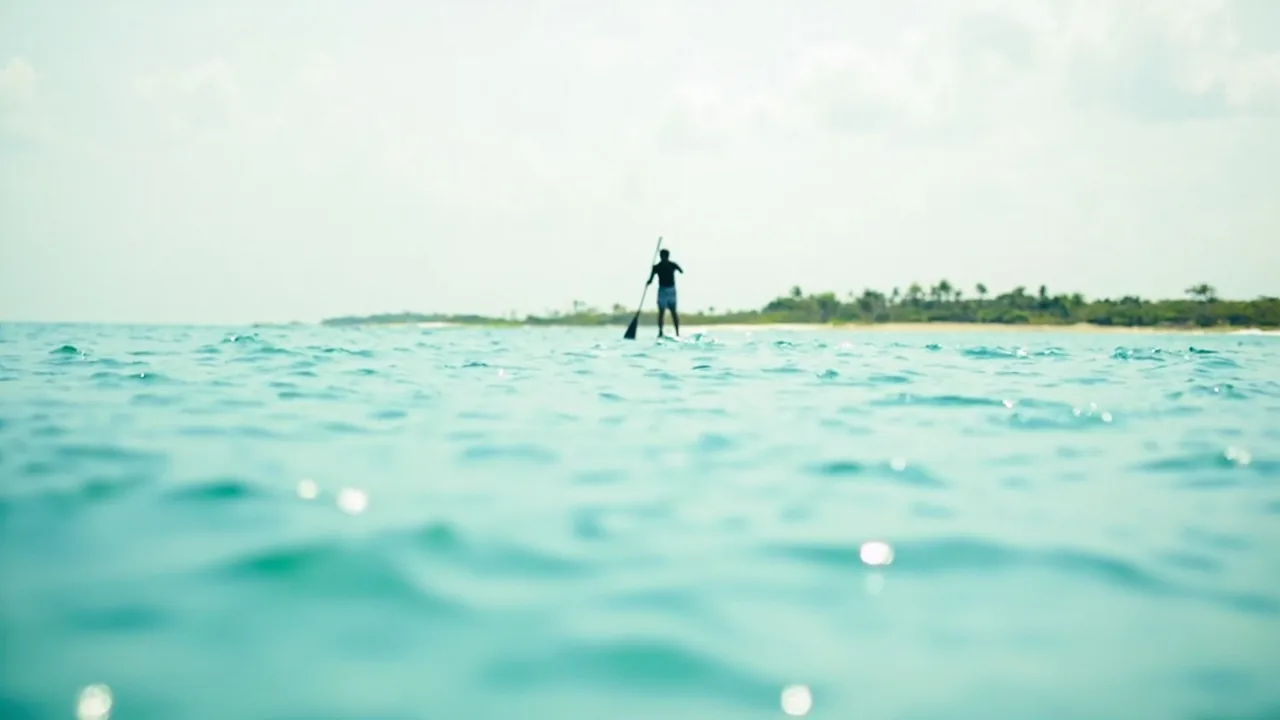
Stand Up Paddleboarding in the Sea in Bali: Safe Spots, Tips & What to Know
Yes, stand up paddleboarding in the sea in Bali is doable for beginners, but only at specific beaches with calm conditions. Sanur, Nusa Dua, and Jimbaran offer the most protected stretches, with morning glass-flat water from May to September. Open ocean breaks at Uluwatu, Kuta, and Canggu are for advanced paddlers only and get genuinely dangerous in the dry-season swell. Beginners should book through a school, never rent a board solo and launch from an unprotected beach. For related planning, see our guide on Sea Backpacking Hub.
What Is Stand Up Paddleboarding (SUP)?
Stand up paddleboarding, SUP, is a water sport where you stand on a large, buoyant board (usually 10 to 12 feet long) and propel yourself with a long-handled paddle. In Bali, two main flavours exist: flat-water lagoon SUP and ocean SUP. Flat-water is what most first-timers do. Ocean SUP means paddling in actual sea conditions with waves, currents, and wind. They are different difficulty levels, and Bali offers both within a 90-minute drive of each other.
Quick Answers
| What | Answer | Price (INR) |
|---|---|---|
| Is ocean SUP allowed in Bali? | Yes, no permit required for tourists | , |
| Best spots for beginners | Sanur, Nusa Dua, Jimbaran bay | , |
| Dangerous areas for beginners | Uluwatu cliffs, Kuta beach break, Canggu river mouth | , |
| Best season for flat water | May to September (dry season) | , |
| Lesson cost (group, 2 hours) | ₹1,883-₹2,690 (~350,000-500,000 IDR or ~$19.55-$27.92) | ₹1,883-₹2,690 (~350,000-500,000 IDR or ~$19.55-$27.92) |
| Board rental (per hour, solo) | ₹538-₹807 (~100,000-150,000 IDR or ~$5.58-$8.38) | ₹538-₹807 (~100,000-150,000 IDR or ~$5.58-$8.38) |
| Best time of day | 6:00 to 9:00 AM (windless, glassy) | , |
| Current speed at risky spots | Up to 3 knots during incoming tide | , |
| Mandatory safety kit | Leash, life jacket if asked | , |
Exchange rate at time of writing: 1 INR ≈ 185 IDR.
How to Paddleboard in Bali’s Sea: Step by Step
Step 1: Pick the Right Beach Based on Your Skill
Bali’s coastline varies enormously over short distances. Reefs, river mouths, and cliff faces change the conditions completely. Match the beach to your ability:
| Skill Level | Beach | Why It Works | Why It Is Safe |
|---|---|---|---|
| First-timer | Sanur beach (calm stretch near Hyatt) | Protected by reef 800m out | Almost no shore break, knee-deep entry |
| First-timer | Nusa Dua (Geger Beach) | Lagoon behind reef | Water is waist-deep for 100m |
| Beginner | Jimbaran bay | Curved bay, no swell | Sand bottom, lifeguards on duty |
| Intermediate | Canggu (Batu Bolong) | Long mellow wave | Watch the river mouth current |
| Advanced only | Uluwatu (Padang Padang) | Real ocean swell | Reef break, strong current, sharp coral |
Pick Sanur or Nusa Dua if this is your first time. Both have protected lagoons where the water is calm enough to learn balance without worrying about being knocked off. See stand up paddleboard tours on GetYourGuide to compare operators before you go.
Step 2: Book a Lesson, Do Not Just Rent a Board
Renting a board solo at the beach and launching into the ocean is how most injuries happen. Most Bali surf schools also run SUP lessons, and instructors will pick a spot based on that morning’s conditions. Group lessons (2 hours, 4 to 6 people) cost ₹1,883-₹2,690 (~350,000-500,000 IDR or ~$19.55-$27.92) and include board, leash, paddle, and a guide who knows the local currents. Private lessons run ₹3,228-₹4,842 (~600,000-900,000 IDR or ~$33.51-$50.26) for the same duration.
If you insist on going solo, only do it at Sanur or Nusa Dua in the morning, stay within 50 metres of shore, and never paddle out past the reef line.
Step 3: Time Your Session for the Morning Window
Bali’s offshore wind (the “trade wind” that blows from the land out to sea) starts around 10:00 to 11:00 AM and runs until sunset. Once that kicks in, the ocean surface turns into small chop and paddling becomes exhausting. The safe window is 6:00 to 9:00 AM, before the wind picks up. Early morning also means glassy water, no boat traffic, and cooler temperatures.
Subodh’s Pro Tip: Show up at 6:30 AM for a 7:00 AM lesson. By 9:30 AM you’ll be back at your hotel, showered, and eating breakfast. This is the only time of day beginners should be on the water.
Step 4: Choose the Right Board and Gear
For ocean SUP, all-around boards (10’6” to 11’ long, 32” wide) are the most stable. Inflatable SUPs (iSUPs) are easier to transport and forgiving on small waves but less stable in chop. Hard boards feel more stable initially but hurt more when you fall on them.
Gear checklist:
- Board with leash (the leash is non-negotiable, it keeps the board from washing away if you fall off)
- Paddle (height-adjusted, around 15 to 20 cm above your head when standing upright on the board)
- Rash guard or UV shirt (Bali sun is no joke, especially reflecting off water)
- Reef shoes or sandals (sea urchins and sharp coral at entry points)
- Dry bag for phone and keys (most schools provide these)
- Reef-safe sunscreen (required at marine protected areas like Nusa Dua)
Step 5: Learn the Local Hazards
Bali’s ocean is gorgeous but specific risks come with it:
- Currents at river mouths: Canggu’s Batu Bolong river mouth produces a strong outgoing current 2 hours after high tide. Stay 200 metres clear.
- Reef cuts: Coral cuts get infected fast. Carry a small first-aid kit with antiseptic and waterproof plasters.
- Sea urchins: Common on rocky entry points. Wear shoes, step wide, and if you get spiked, soak the foot in hot water (not cold) for 30 to 60 minutes to dissolve the spines.
- Boat traffic: Sanur has regular boats to the islands. Stay in the swimming zone marked by buoys.
- Marine life: Mostly harmless. Stonefish and sea snakes are rare but exist. Don’t step on the bottom in shallow reef areas.
- Sun and dehydration: You do not feel heat stroke coming on the water. Carry at least 1 litre of water per session.
Safety Alert: If you get caught in a current and cannot paddle back to shore, do not panic. Paddle parallel to the shore until you exit the current, then angle back in. Most Bali beach currents are narrow (under 30 metres wide).
Step 6: Know When to Call It
Signs you should head back to shore immediately:
- Wind picks up and whitecaps appear
- Tide changes and currents visibly strengthen
- Lightning on the horizon (rare but happens in wet season)
- You feel tired, shaky, or thirsty
- Board starts taking on water or leash looks frayed
Never push through fatigue. SUP looks easy on Instagram but uses core muscles you have not used before. Your first session should be 60 to 90 minutes maximum.
Where to Stay: SUP-Friendly Bases in Bali
The base you choose depends on the type of SUP you want. Here are the practical options:
| Base Area | Best For | Stay22 Pick | Book |
|---|---|---|---|
| Sanur | Beginners, calm lagoon, daily lessons | Anywhere near Sanur beach | , |
| Canggu | Intermediate, surf-style SUP | Anywhere in Batu Bolong | , |
| Nusa Dua | Beginners, reef-protected lagoon | Resort zone near Geger Beach | , |
This article does not focus on hostel recommendations since most SUP travellers in Bali stay in mid-range hotels or surf camps rather than hostels. The accommodation choice matters less than the beach choice.
Common Mistakes Indians Make on Bali SUP Trips
Mistake 1: Renting a Board at Kuta Beach and Heading Out Solo
Kuta beach is where tourists go, and the rental guys there know it. They will hand you a board, point at the ocean, and take your money. The Kuta beach break is genuinely dangerous for beginners: shore break dumps, strong longshore current, and boat wash from the busy beachfront. Most SUP injuries in Bali happen here. Book a lesson at Sanur or Nusa Dua instead. Kuta is for swimming and sunbathing, not learning to SUP.
Mistake 2: Going Out in the Afternoon Because of “Lazy Morning”
The 11:00 AM to 4:00 PM window is when the trade wind blows hardest. Beginners who launch at noon either give up within 20 minutes (exhausting) or get pushed downwind and have to be rescued. The morning-only rule is not a suggestion. Bali’s offshore wind in the afternoon is reliable, predictable, and strong enough to cancel a beginner session completely. If you cannot do 6:30 AM, do not do the ocean. Try a river SUP or hotel pool instead.
Mistake 3: Underestimating Sun Exposure on the Water
Water reflects UV. Standing on a board means the sun hits your face, the back of your neck, your calves, and the tops of your feet, all at once. Indian travellers with darker skin still burn badly here because the equatorial sun is direct and the reflection doubles exposure. Apply reef-safe SPF 50+ to all exposed skin 20 minutes before launch and reapply every 90 minutes. A long-sleeve rash guard is worth the mild discomfort.
Mistake 4: Skipping Travel Insurance Because “It’s Just SUP”
SUP is a water sport and most domestic Indian travel insurance policies do not cover ocean-related injuries abroad. If you fall on coral and need stitches, an evacuation from a remote beach, or treatment for marine-life stings, costs escalate fast. Get a policy that covers water sports before you fly. Travel insurance for Indian travellers breaks down what to look for.
Mistake 5: Bringing a Board from Home
Unless you have a serious custom board, do not fly with one. Airlines charge oversized baggage fees of ₹15,000 (~$155.70) to ₹25,000 (~$259.50) each way for boards over 9’6”, and most travel insurance does not cover damage in transit. Bali has rental boards at every beach. Spend the ₹538-₹807 (~100,000-150,000 IDR or ~$5.58-$8.38) per session on a quality rental and skip the hassle.
What Most Guides Don’t Tell You
Lagoon SUP vs Ocean SUP: They Are Different Activities
Many Bali operators advertise “ocean SUP” and then take you to a protected lagoon where the water is calm and the bottom is sand. This is fine for beginners but not what some travellers expect. If you specifically want open-ocean paddling (waves, swell, distance), ask the operator directly: “Is this a lagoon or open ocean?” and “What is the maximum depth we will paddle in?” A real ocean SUP session will involve paddling in 3 to 8 metres of water, not 1 metre of lagoon.
Tide Matters More Than Season
Bali’s tides shift the safety picture within the same beach. At low tide, Sanur’s reef is more exposed and the lagoon gets shallow and rocky. At high tide, the lagoon fills up but currents around the reef increase. The sweet spot is mid-tide, 1 to 2 hours after the high or low. Check tide-forecast.com for Bali before booking. This matters more than picking the “right season.”
Not All Operators Are Equal
There are dozens of SUP schools around Sanur and Canggu, and quality varies. Signs of a reputable operator:
- Provides leash, life jacket, and rash guard as part of the lesson
- Limits group size to 6 people or fewer
- Has a physical shop, not just a beach presence
- Asks about your swimming ability before launching
- Cancels sessions if conditions are unsafe (a sign of professionalism, not a rip-off)
Avoid operators who:
- Hand you a board with no briefing
- Send you out with no leash
- Take a group of 10+ people with one instructor
- Launch at noon in choppy conditions
- Do not ask about your experience level
Wet Season SUP Is Possible but Different
From October to April, Bali’s west coast (Canggu, Kuta, Seminyak) gets swell from southern storms and many ocean SUP spots become unsafe. However, the east coast (Sanur, Nusa Dua) stays calmer because it faces east, away from the main swell direction. If you are travelling in wet season (November to March), stick to Sanur or Nusa Dua and you will still get good morning sessions. What is the rainy season in Thailand explains the timing logic that applies similarly across Southeast Asia.
Getting Connected: SIM and eSIM in Bali
You will want data on the water for tide apps, wind apps, and emergency contact. Two options:
Physical SIM (Telkomsel or XL Axiata): Buy at the airport arrival hall. Telkomsel prepaid tourist SIM, ₹134 (~25,000 IDR or ~$1.40) for the SIM card plus ₹538-₹1,076 (~100,000-200,000 IDR or ~$5.58-$11.17) for a 30-day data package (15 to 30 GB). Coverage is strong across Bali including coastal areas.
eSIM (Nomad): If you prefer not to swap your Indian SIM, Get Nomad eSIM lets you activate a Bali data plan before you fly. Plans start around ₹867 (~9 USD) for 5 GB and the eSIM connects automatically when you land.
For currency, your forex card or UPI-enabled Indian bank account works at most Bali ATMs and major restaurants, but SUP schools and small beach warungs are mostly cash-only. Carry ₹2,690-₹5,380 (~500,000-1,000,000 IDR or ~$27.92-$55.84) in cash for the duration of your SUP trip. Best forex card for Indian travellers explains the fee structure.
What to Eat Before and After SUP
Pre-SUP food should be light. After, you will be starving. Here is where to refuel at the three main SUP bases:
Sanur base: Warung Green Jungle for traditional Balinese plates after a morning session, around ₹269-₹430 (~50,000-80,000 IDR or ~$2.79-$4.47) per dish. Warung means small family-run restaurant in Indonesian. Their nasi campur (mixed rice with small portions of vegetables, meat, and sambal) and grilled fish are perfect recovery food.
Canggu base: Sa’Mesa Canggu for Italian-Balinese fusion if you want a sit-down meal, Wood Kitchen for organic farm-to-table. Both are post-SUP reward options, expect ₹430-₹807 (~80,000-150,000 IDR or ~$4.47-$8.38) per dish.
Nusa Dua base: Upstairs Bali for modern Indonesian with rice field views, around ₹538-₹1,076 (~100,000-200,000 IDR or ~$5.58-$11.17) per main. Their Betutu Chicken (slow-roasted Balinese spiced chicken) is the move after a session.
If you need Indian food (dal-chawal comfort after a week of rice), head to Queen’s Tandoor in Seminyak, IDR ₹1,345-₹2,152 (~250,000-400,000 IDR or ~$13.96-$22.34) per person, or Curries N More in Ubud, around ₹430-₹807 (~80,000-150,000 IDR or ~$4.47-$8.38) per thali. Both are pure vegetarian and family-friendly. Namaskar Thali is a third option for strict vegetarian thalis at IDR ₹807-₹1,345 (~150,000-250,000 IDR or ~$8.38-$13.96) per person.
Subodh’s Take
Ocean SUP in Bali is one of those things that looks chill on Instagram and is genuinely fun, but only if you respect the conditions. The locals will tell you, “morning only, no wind, no problem.” Listen to them. The afternoon crowd at Kuta who rent boards with no leash and paddle out into 1.5-metre shore break are the same people you see bandaged up at the clinic the next day. Book a lesson, go at sunrise, and stick to Sanur or Nusa Dua for your first session. Canggu and Uluwatu can wait until you know what you are doing.
For a packed list of what else to bring on a Bali trip beyond SUP, packing list for Southeast Asia covers the basics. For solo female travellers considering SUP alone, solo female travel in Southeast Asia has specific safety pointers.
FAQ
Is paddleboarding in Bali safe for beginners?
Yes, at the right beaches and the right time of day. Sanur and Nusa Dua are safe for beginners, with protected water and lifeguards. Kuta, Canggu river mouth, and Uluwatu are not safe for beginners regardless of the time of day.
Do I need a permit for stand up paddleboarding in Bali?
No. Tourists can rent boards and launch from any public beach without a permit. Some marine protected areas (Nusa Dua, parts of Sanur) have small entry fees of ₹27-₹54 (~5,000-10,000 IDR or ~$0.28-$0.56) but no SUP-specific permit.
What is the best month for paddleboarding in Bali?
May through September (dry season) gives the calmest mornings and the most reliable offshore wind pattern. October and November are transitional and can be excellent. December through March (wet season) brings southern swell that makes west-coast SUP unsafe but east coast (Sanur, Nusa Dua) remains calm.
Can I paddleboard alone as a woman in Bali?
Yes, and many female travellers do. The safest setup is a morning group lesson at Sanur or Nusa Dua with a reputable school. Avoid solo launches at remote beaches with no other water users, and avoid evening sessions when visibility drops.
How much does a SUP lesson cost in Bali?
Group lessons (2 hours, 4 to 6 people) cost ₹1,883-₹2,690 (~350,000-500,000 IDR or ~$19.55-$27.92). Private lessons cost ₹3,228-₹4,842 (~600,000-900,000 IDR or ~$33.51-$50.26). Hourly board rental without instruction costs ₹538-₹807 (~100,000-150,000 IDR or ~$5.58-$8.38). Prices are similar at Sanur, Canggu, and Nusa Dua.
What if I fall off and cannot get back on the board?
Your leash keeps the board attached to you, so it will not drift away. Swim back to shore holding the board or paddle. In a group lesson, your instructor will help. Do not panic. Falling off is normal and expected, even for experienced paddlers.
Are there dangerous marine animals in Bali’s SUP areas?
Serious encounters are rare. Stonefish and sea snakes exist in some reef areas but are uncommon at the beginner beaches (Sanur, Nusa Dua). Sea urchins are the most common hazard and are easy to avoid with reef shoes.
