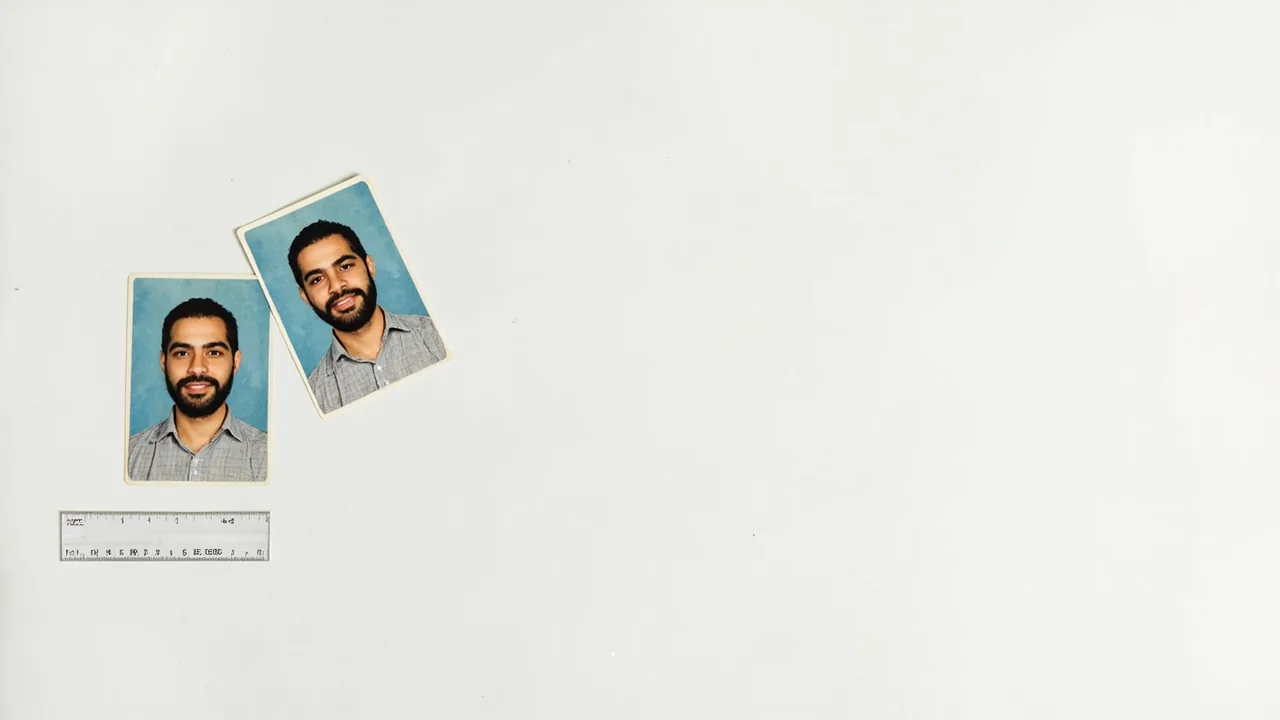
Thailand Visa Photo Size for Indians: Exact Dimensions, Background & Specs (2026)
If you’re an Indian passport holder applying for a Thai tourist visa, the exact Thailand visa for indians photo size matters more than most travellers realise. This article walks through every specification the Thai embassy checks, with the exact measurements in cm and inches and the background colour they want. For related planning, see our guide on Thailand Visa Indian Minor Children Document Requirements and our Southeast Asia Backpacking Hub.
The good news: a compliant photo costs you about ₹429 (~150 THB or ~$4.45) at a Thai photo studio in Bangkok’s Khao San or Sukhumvit, or ₹150-₹200 (~$1.56-$2.08) at a decent studio in Delhi’s Paharganj or Connaught Place. You don’t need to ship anything overseas. You may also find Thailand Tourist Visa Unmarried Indian Couple Problems useful for this trip.
Quick Answers
| What | Answer | Price (INR) |
|---|---|---|
| Photo size | 4 cm × 6 cm | — |
| Equivalent in inches | 1.5 in × 2.5 in | — |
| Background colour | Plain white | — |
| Head height (chin to crown) | 2.5 cm (about 70-80% of frame) | — |
| Photo recency | Taken within the last 6 months | — |
| Format (print) | Matte or glossy, uncreased | — |
| Digital format | JPEG, 100-300 KB, 472 × 709 pixels minimum | — |
| Expression | Neutral, mouth closed, eyes open and visible | — |
| Glasses | Allowed only with thin metal frames and no glare | — |
| Head covering | Only for religious reasons; full face must be visible | — |
| File name (online upload) | No special requirement | — |
| Number of prints to submit | 2 (one pasted on form, one loose) | — |
Subodh’s Pro Tip: The Thai consulate’s biometric check is for the visa-on-arrival sticker at Bangkok airport, not the tourist visa you apply for in India. For tourist visa applications, the photo is reviewed manually at the embassy. A clean, well-lit photo from a passport-photo studio that knows the 4×6 cm spec gets through on the first try. The most common Indian rejection is a 35×45 mm photo, the Schengen/US default, which looks identical to the naked eye but fails the template match. See also: Thailand Visa on Arrival for Indians Step By Step Guide Forms Fees Bank Statement Rules.
Visa Photo Size: The Exact Dimensions
The Royal Thai Embassy requires 4 cm × 6 cm (width × height), which translates to 1.5 inches × 2.5 inches. This is a noticeably taller, narrower rectangle than the Schengen/UK/US visa photo (which is 35×45 mm or 3.5×4.5 cm). For related planning, see our guide on Thailand Visa Free Entry for Indians Current End Date New Rules How Long It Lasts.
| Measurement | Value |
|---|---|
| Width | 4 cm (1.5 in) |
| Height | 6 cm (2.5 in) |
| Head height (chin to top of skull) | 2.5 cm |
| Head width | 1.5-1.8 cm |
| Distance from top of frame to crown | 0.5 cm minimum |
| Distance from chin to bottom of frame | 0.5 cm minimum |
| Aspect ratio | 2:3 (portrait) |
The 2:3 ratio matters. A 4×6 cm photo cropped from a wider image looks “squat.” A 35×45 mm Schengen photo stretched to 4×6 cm makes your face look too small in the frame. The Thai template checks head height as a percentage of total photo height: your chin-to-crown should be roughly 70-80% of the 6 cm vertical, which means your face should occupy 2.5 cm of the 6 cm frame.
Subodh’s Pro Tip: When you walk into an Indian photo studio and say “Thai visa photo,” the operator’s first instinct is to print a 35×45 mm Schengen template. Say the magic words “4 by 6 centimetres” and ask them to print on 4×6 cm paper. Most studios will hand you two prints on a single sheet of 4×6 photo paper, which is exactly what the embassy wants.
Background, Lighting, and Colour Rules
The background must be plain white. Not off-white, not cream, not light grey. Pure white (#FFFFFF). This is the second-most-common rejection after wrong dimensions, especially when applicants submit a photo taken at home against a wall that’s a pale beige.
| Spec | Requirement |
|---|---|
| Background colour | Pure white (#FFFFFF) |
| Shadows behind subject | None |
| Lighting | Even front lighting, no flash hotspots |
| Contrast | Subject should contrast with background |
| No patterns or objects | Plain wall only |
Temples, curtains, wardrobes, and textured walls fail the check. If you’re taking the photo at home, hang a plain white bedsheet and stand about 1.5 metres away from it. Daylight near a large window works better than room lights because window light produces softer shadows around the ears and neck.
The lighting must be even across the entire face with no shadows on either side of the nose, no shadow under the chin, and no shadow behind the subject. Most studio setups use two softboxes at 45 degrees to the subject, which produces this flat lighting automatically. Single-bulb setups cause one side of the face to fall into shadow.
Head Position, Expression, and Facial Visibility
The Royal Thai Embassy follows the ICAO (International Civil Aviation Organization) standard for biometric photos. Your face must be:
- Frontal: looking directly at the camera, not turned even slightly to the left or right
- Level: the imaginary line between your pupils must be horizontal, no head tilt
- Neutral expression: mouth closed, no smile, no teeth showing
- Eyes open and visible: no squinting, no hair covering the eyes
- Forehead visible: hair should not fall over the eyebrows
- Both ears visible: not strictly enforced but recommended, especially for women with long hair pulled back
A faint, closed-mouth smile is technically acceptable at some consulates but is risky. Use a fully neutral expression.
Glasses, Head Coverings, and Religious Attire
| Item | Rule |
|---|---|
| Prescription glasses | Allowed if frames are thin metal and lenses have no glare or tint |
| Sunglasses | Never allowed |
| Headscarf / turban / religious covering | Allowed for religious reasons, but full face from chin to forehead must be visible, no shadows across the face |
| Hats, caps | Not allowed (except religious head coverings) |
| Hairbands / large accessories | Avoid if they obscure the face |
Most visa officers prefer applicants to remove glasses entirely. If you must wear them (strong prescription, for example), take two photos: one with glasses, one without. The Thai consulate has been known to reject glasses-wearing photos when a frame causes glare on the lens, even if the photo technically meets the spec.
For Sikh applicants wearing a turban: the turban is acceptable, but the photo must be taken against a white background with both edges of the face, from chin to forehead, visible. No shadow should fall across the face from the turban cloth.
Photo Recency and Print Quality
The photo must have been taken within the last 6 months. If you’re reusing a photo from your last Schengen visa application (which has a 6-month recency rule as well), it’s likely already expired.
Print quality specifications:
| Spec | Requirement |
|---|---|
| Paper type | Matte or glossy photo paper |
| Resolution | 300 DPI minimum at print size |
| Damage | No creases, no folds, no staples, no paper clips |
| Ink quality | No smudges, no fading, no visible printer lines |
| Corner damage | None |
A photo printed on regular A4 paper with an inkjet printer looks visibly different from a photo printed on 4×6 photo paper.
Digital Photo Specifications (for online applications)
If you’re uploading the photo through the Thai e-visa portal, the specifications differ from the print version:
| Spec | Requirement |
|---|---|
| File format | JPEG |
| File size | 100-300 KB |
| Pixel dimensions | 472 × 709 pixels minimum |
| Resolution | 300 DPI |
| Background | White (#FFFFFF) |
| Compression | Not overly compressed (avoid heavy JPEG artefacts around the face) |
The portal will reject uploads that are too small in pixel dimensions, too large in file size, or in the wrong format (PNG, HEIC, or PDF). Save the file with a generic name (photo.jpg works fine). The portal does not require your name in the filename.
Where to Get a Compliant Photo in India
You have three main options. Each has tradeoffs.
Option 1: Indian Passport Photo Studios
Walk into any studio in your city and say “Thai visa photo, 4×6 centimetres, white background.” Studios near Indian embassies and consulates (Paharganj and Connaught Place in Delhi, T. Nagar in Chennai, Park Street in Kolkata, Worli in Mumbai) handle this daily. Cost: ₹150-₹300 (~$1.56-$3.11) for two prints (one to paste on the form, one loose for the file). Most studios will also email you a JPEG for the online upload at no extra charge. See our Thailand Travel Guide for Indian Backpackers for more on visa prep.
Option 2: Online Photo Tools
Websites like visafoto.com, photoaid.com, or the official Thai consulate’s recommended tool let you upload a smartphone selfie taken against a white wall and download a compliant JPEG. Cost: ₹100-₹200 (~$1.04-$2.08). The output is usually acceptable, but check the head height yourself before uploading. If your face takes up less than 60% of the frame, the tool has cropped too tight or too loose.
Option 3: At a Thai Photo Studio (After Arrival)
If you’ve already arrived in Thailand and need a photo for a visa extension or in-country application, studios in Bangkok’s Khao San Road area, Chiang Mai’s Old City, and Phuket’s Patong will print a 4×6 cm photo for ₹286-₹429 (~100-150 THB or ~$2.97-$4.45). This is for in-country applications only. You need your visa photo before you apply at the Indian embassy, so this option doesn’t help with the initial tourist visa application.
Subodh’s Pro Tip: Most experienced applicants recommend getting four prints, not two, and keeping two spares. If the embassy rejects your photo on a technicality and asks you to resubmit, you can mail the spare prints immediately without paying for a reprint or making another studio visit.
Common Mistakes and Rejection Reasons
Here are the rejection reasons the Thai embassy in New Delhi has flagged most often in the last 12 months.
1. Schengen/US Photo Size
The single most common error. You submit a 35×45 mm photo, the template check fails because the head ratio is wrong, and your file gets returned without a refusal stamp. Avoid this by saying “4×6 centimetres” out loud when you walk into the studio.
2. Coloured Background
You took the photo at home against a beige, cream, or light grey wall because you didn’t have a white bedsheet. The biometric template check fails because the background isn’t pure white. Hang a plain white cloth before taking the photo.
3. Smiling or Teeth Showing
You smiled for the photo, thinking it would look friendly. The Thai template rejects photos with any visible teeth. Use a neutral, mouth-closed expression.
4. Glasses With Thick Frames
You wore your prescription glasses with thick plastic frames. The temple of the frame obscures part of your eye, the lens has a slight tint, and the embassy rejects the photo. Remove glasses for the photo.
5. Photo Older Than 6 Months
You reused a photo from your previous Schengen visa application. The 6-month clock started the day that photo was taken. If more than 6 months have passed, get a new photo.
6. Head Covering Without Religious Reason
You wore a cap or fashion headscarf “to look nice in the photo.” The embassy only allows head coverings for documented religious reasons. Take the photo without headwear unless your religion requires it.
7. Incorrect Digital Upload
You uploaded a PNG, HEIC, or PDF instead of a JPEG. The portal rejected the upload, and you didn’t notice the error message. Convert the file to JPEG before uploading, and confirm the upload completed successfully.
Photo Submission Format for the Application
When you submit your Thai tourist visa application through VFS Global (the visa application centre that handles Thai visa applications in India), your photo must be:
- One print pasted on the application form in the designated photo box (use a light glue stick, not tape or staples)
- One loose print clipped to the application form (paper clip is fine, no staple)
Do not staple the loose photo, do not fold the print, do not write on the back of the photo. The embassy returns your passport and documents in the same envelope you submitted, so any damage to the photo print can damage your other documents too.
Photo Specifications Comparison
| Country | Size | Background | Head Ratio |
|---|---|---|---|
| Thailand (tourist visa) | 4 × 6 cm | White | 70-80% |
| Schengen (e.g. France) | 3.5 × 4.5 cm | White | 70-80% |
| USA (B1/B2) | 5 × 5 cm (2 × 2 in) | White | 50-69% |
| UK | 3.5 × 4.5 cm | Light grey or cream | 70-80% |
| Japan | 3.5 × 4.5 cm | White | 70-80% |
| Vietnam | 4 × 6 cm | White | 70-80% |
| Singapore | 3.5 × 4.5 cm | White | 70-80% |
If you’re applying for multiple visas from the same photo shoot, take separate photos for each country rather than reusing the same print. A Thailand-compliant photo is too tall for a US application and the wrong head ratio for Japan.
Photo Rules That Don’t Exist
A few rules applicants believe are myths:
- “You must wear a white shirt” - No rule on clothing colour exists. Wear whatever you want, but avoid white clothing that blends into the white background. A dark shirt produces better contrast.
- “You must have a red or blue background” - Indian passport photos sometimes use a coloured background, but Thailand requires white. Don’t be confused.
- “You can’t wear makeup” - Light, everyday makeup is fine. Heavy theatrical makeup that obscures facial features is not.
- “Your ears must be visible” - Recommended but not strictly enforced for women with long hair.
What Happens If Your Photo Is Rejected
The embassy returns your entire application file to VFS Global with a sticky note attached to the photo pointing out the issue. VFS Global contacts you via SMS to pick up the rejected file. You then:
- Get a new photo that fixes the specific issue
- Re-paste the new photo on the application form
- Resubmit the file at VFS Global
- Wait another 3-5 working days for processing
You do not pay a second visa fee. The fee you paid covers the application, not the photo. But you do lose the time, and during peak travel seasons (October-January, April), VFS Global processing slots fill up, so a 3-day rejection can turn into a 10-day delay.
FAQ
What size is the Thailand visa photo in cm?
4 cm wide × 6 cm tall (1.5 × 2.5 inches). This is taller than the Schengen 35×45 mm format.
What is the background colour for Thailand visa photos?
Pure white (#FFFFFF). Not cream, not off-white, not light grey.
Can I take the Thailand visa photo at home?
Yes, if you have a plain white background, even daylight, and a smartphone with at least 12 megapixels. Use a passport photo app or visafoto.com to crop to the right dimensions.
How recent does the Thailand visa photo need to be?
Taken within the last 6 months. Don’t reuse photos from previous visa applications.
Do I need to remove glasses for the Thailand visa photo?
Yes, unless you wear thin metal-framed glasses with no tint and no glare. Removing glasses entirely is safer.
How many prints do I submit?
Two: one pasted on the application form, one loose. Keep spares in case the embassy asks you to resubmit.
What file format do I use for online applications?
JPEG, 100-300 KB, at least 472 × 709 pixels. PNG and HEIC files get rejected.
Subodh’s Take
I’ve seen more Thai visa applications bounced because of the photo than because of bank statements or hotel bookings. The 4×6 cm spec is genuinely unusual; if you’ve applied for a Schengen or US visa recently, your photo studio has muscle memory for the wrong size. Say “4×6 centimetres” out loud. Take a new photo, not one from a previous application. Spend a little extra on a professional studio near your nearest consulate rather than the cheapest photo studio in your local market. What you save by going cheap can cost you 5-10 working days if the photo gets rejected, and that’s a lot more expensive than the studio fee. White background, neutral expression, mouth closed, no glasses. That’s the entire spec, in four points.
