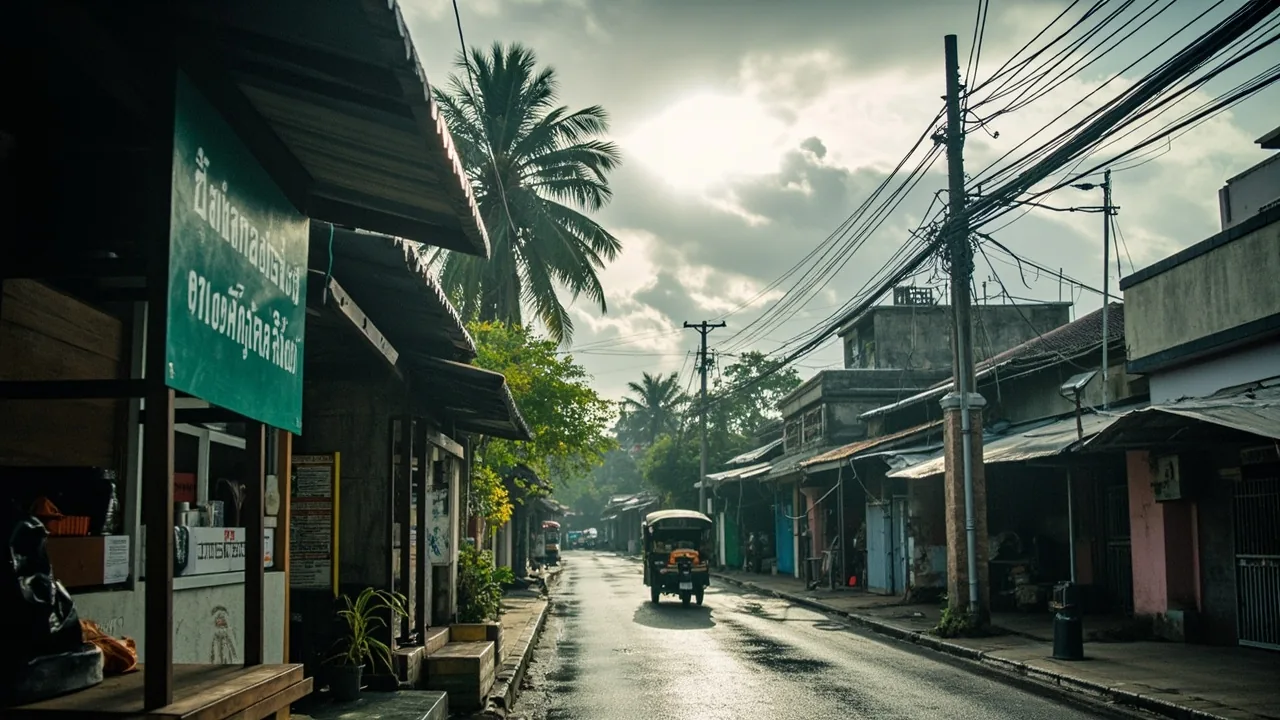
Thailand Weather by Month: Best Time to Visit for Indian Backpackers (2026)
If you are planning a Thailand trip, the thailand travel climate is the first thing to lock down. November through February is the safe answer. Cooler, drier, and shoulder-season prices across Bangkok, Chiang Mai, and the southern islands. The full picture is more useful than that one line. For a broader overview, see our Southeast Asia Backpacking Hub.
This guide is cross-checked against the Thai Meteorological Department’s 2026 seasonal outlook (issued May 2026) and traveller reports from the 2025/26 high season.
Quick Answers
| What | Answer |
|---|---|
| Best months overall | November to February |
| Cheapest months | May to October (low season) |
| Worst months for rain | September (Andaman coast), August to October (Gulf islands) |
| Hottest month | April (38°C+ in Bangkok) |
| Coolest month | December (Chiang Mai nights drop to 10°C) |
| Monsoon divide | Andaman (Phuket/Krabi): May to October. Gulf (Koh Samui/Koh Phangan/Koh Tao): October to December |
| Visa for Indians | Visa-free, 60 days. Apply for TDAC at tdac.immigration.go.th before flying |
Exchange rate (July 2026): 1 INR = 0.3485 THB. 1 USD = ₹96.33. 1,000 THB ≈ ₹2,869.
Thailand’s Three Climate Zones
Thailand runs on three monsoon clocks that do not line up. Get this right and the rest of the planning is easy.
1. Central Thailand (Bangkok, Ayutthaya, Kanchanaburi). Tropical savanna, three seasons: hot (March-May), wet (June-October), cool (November-February). The southwest monsoon brings afternoon thunderstorms June through October, but they pass fast. Bangkok flooding is rare in city centre, more of a suburban and Chao Phraya riverside issue. Bangkok is workable year-round if you tolerate heat.
2. Northern Thailand (Chiang Mai, Chiang Rai, Pai). Hotter dry season (March-May), cooler dry season (November-February), wet season (June-October). Chiang Mai’s burning season (Feb-April) is the worst-kept secret in Thai weather: farmers slash-and-burn, the AQI hits 150-300+, and you’ll cancel outdoor plans. March readings in Chiang Mai regularly crossed 300 on multiple days.
3. Southern Thailand (Phuket, Krabi, Koh Samui, Koh Phangan, Koh Tao). Split into two coasts with opposite monsoon patterns. Andaman coast (Phuket, Krabi, Koh Lanta): wet May-October, dry November-April. Gulf coast (Koh Samui, Koh Phangan, Koh Tao): wet October-December, dry January-September. The two coasts trade off. Travellers report ferry cancellations can stretch to several days during peak monsoon.
Month-by-Month Breakdown
January
Thailand-wide: peak dry season. Best month for first-timers.
- Bangkok: 27-32°C, low humidity, no rain. Perfect for exploring Bangkok on foot.
- Chiang Mai: 13-28°C, cold mornings. Pack a light jacket for night markets.
- Andaman (Phuket, Krabi): 24-31°C, calm seas, blue skies. Peak pricing.
- Gulf (Koh Samui, Koh Phangan): tail end of wet season, occasional showers but improving.
Cost reality. This is high season. Hostels in Bangkok run ₹1,149-₹2,010 (~400-700 THB or ~$11.91-$20.85) a night. Book two weeks ahead.
February
Thailand-wide: still dry. Last clean month before Chiang Mai burning season hits.
- Bangkok: 28-33°C, starting to warm up.
- Chiang Mai: 14-32°C, beautiful days, but burning season starts mid-February in surrounding districts. City centre stays OK; day trips to Doi Suthep can have hazy visibility.
- Islands: still excellent.
Cost reality. Still high season. Chinese New Year (late Jan/early Feb) spikes Bangkok prices for a week.
March
The transition month. Bangkok gets hot, Chiang Mai starts to burn.
- Bangkok: 30-35°C, muggy, feels like Delhi in May.
- Chiang Mai: 16-35°C, AQI starts climbing. By late March, sensitive travellers will feel chest tightness.
- Islands: still good on both coasts.
Cost reality. Shoulder pricing begins. Bangkok hostels drop to ₹861-₹1,436 (~300-500 THB or ~$8.94-$14.89).
April
Songkran. Hottest month. Loudest month.
- Bangkok: 32-38°C, brutal heat. Songkran water festival (April 13-15) gives brief relief but is exhausting.
- Chiang Mai: 18-37°C, burning season in full swing. Worst air quality of the year. Skip if you have asthma.
- Islands: hot but dry. 33-36°C, sea like a bath.
Cost reality. Songkran week is high season in Bangkok, Chiang Mai. Other weeks of April drop sharply. If you want Songkran, book 2 months ahead.
May
Wet season starts on Andaman. Gulf still dry. Cheaper.
- Bangkok: 28-34°C, afternoon thunderstorms, mostly short.
- Chiang Mai: 21-33°C, burning season still bad early May, rain starts late May.
- Andaman: monsoon starts mid-May. Phuket and Krabi see increasing rain.
- Gulf: still dry and gorgeous. May is one of the best-kept secret months for Koh Phangan and Koh Tao.
Cost reality. Low season officially begins. Island hostels drop to ₹718-₹1,436 (~250-500 THB or ~$7.45-$14.89). This is when budget backpackers who can flex dates should be flying.
June
Andaman monsoon fully on. Gulf still dry.
- Bangkok: 28-33°C, regular afternoon storms.
- Chiang Mai: 23-32°C, wet, lush, green.
- Andaman: rough seas, ferry cancellations common. Many islands shut beach activities.
- Gulf: still in dry season. Koh Phangan full-moon parties in monsoon are surreal and cheap.
July
Same split continues.
- Andaman: rain, rain, rain. Surfing season starts (Phuket has a small surf community in July).
- Gulf: still dry.
- Bangkok: 27-32°C, wet but manageable.
August
Peak monsoon on Andaman. Gulf still dry but starting to see late-season storms.
- Andaman: heavy rain, flooded streets in Krabi town.
- Gulf: late August storms begin, but mostly afternoon squalls.
Cost reality. Lowest prices of the year on Andaman. Some hostels offer weekly rates of ₹4,307 (~1,500 THB or ~$44.68).
September
Worst month for Andaman. Gulf starts flipping.
- Andaman: peak monsoon. Phuket, Krabi, Koh Lanta see 18-22 rainy days in September. Ferry cancellations are frequent during peak monsoon. Skip unless you’re on a budget and don’t care about beach time.
- Gulf: monsoon arrives late September/early October. Last dry days.
October
Gulf monsoon starts. Andaman starts drying.
- Andaman: improving fast. By mid-October, Phuket and Krabi are pleasant again.
- Gulf: monsoon begins. Koh Samui, Koh Phangan, Koh Tao see their wettest stretch.
- Bangkok: rain easing late October.
Cost reality. Shoulder pricing. Mid-October onwards, both coasts start filling for high season.
November
Thailand-wide dry season begins. The safe answer.
- Bangkok: 25-31°C, beautiful.
- Chiang Mai: 18-29°C, cool mornings, clear skies. Burning season is months away.
- Andaman: perfect.
- Gulf: late November, monsoon easing. First good weeks for Koh Samui.
Cost reality. High season pricing starts. Book ahead for December.
December
Peak high season. Coolest month in the north.
- Bangkok: 24-31°C, dry, breezy.
- Chiang Mai: 10-28°C. Cold nights. Pack a hoodie.
- All islands: blue skies, calm seas, packed hostels.
Cost reality. Highest prices of the year. Christmas/New Year week is 30-50% more than November.
Which Month Should You Pick?
If your dates are flexible: November or February. November is post-monsoon, prices haven’t peaked. February is post-burn-season pre-Songkran.
If you’re locked into Indian school holidays (April-May): Go to the Gulf islands (Koh Samui, Koh Phangan, Koh Tao) in May. Skip Chiang Mai completely. Bangkok is hot but workable if you’re near malls and BTS.
If you’re on a strict budget: Late May through September on the Gulf coast, or late September through October on the Andaman. You’ll get 30-50% off hostels. Rain is part of the deal.
If you want the full-moon party: Koh Phangan runs it monthly, but the biggest are December, January, February. May and June full-moons are quieter, cheaper, and travellers report a better vibe.
Common Mistakes Indians Make
Trusting generic “best time to visit Thailand” lists that mean Chiang Mai. Most listicles are written for Bangkok-centric travellers. If you’re going north, January is great, but March-May is genuinely dangerous for breathing. Generic lists won’t tell you that.
Booking Andaman islands in September. The 60% ferry cancellation rate will eat half your trip. Book Andaman November-March only, unless you’ve budgeted for cancelled days.
Skipping TDAC and panicking at immigration. The TDAC (Thailand Digital Arrival Card) is mandatory for all entry types including the visa-free 60-day option Indians get. Apply 72 hours before flying. It takes 5 minutes, no fee. Travellers report immigration officers at Suvarnabhumi turning people around for not having it.
Exchanging money at Suvarnabhumi airport. Use a Wise card or forex card. Airport counters give ₹6-₹9 (~2-3 THB or ~$0.06-$0.09) less per 100. On a ₹143,575 (~50,000 THB or ~$1,489.31) trip that’s ₹2,872-₹4,307 (~1,000-1,500 THB or ~$29.79-$44.68) lost.
What Most Guides Don’t Tell You
The monsoon shoulder weeks are the secret. Late October (Andaman) and late December (Gulf) are technically still “transition” but in practice they’re dry and 20-30% cheaper than peak high season. Travellers report late October in Krabi can be surprisingly sunny, comparable to December.
Chiang Mai’s AQI can hit 300 in March. Burn season is the unspoken problem. The official Thai Pollution Control Department publishes daily AQI. If it crosses 200, swap your itinerary for Pai or head south.
Koh Tao diving runs year-round but visibility drops in monsoon. The Gulf’s October-December monsoon brings 5-10 metre visibility (vs 15-25m in dry season). Open Water courses still run, but you’ll feel like you’re diving in milk.
FAQ
Is Thailand safe during monsoon season? Yes, but ferries cancel and some islands get isolated. Always have buffer days. The Thai Meteorological Department (tmd.go.th) updates warnings daily.
What’s the cheapest month to fly to Thailand from India? September is usually 20-30% cheaper than December. Skyscanner shows Delhi-Bangkok return fares dropping to ₹18,000-₹22,000 (~$186.71-$228.21) in monsoon vs ₹28,000-₹35,000 (~$290.45-$363.06) in December.
Can I extend my 60-day visa-free stay? Yes, at Thai immigration offices. Extension fee is ₹5,399 (~56 USD). You get 30 more days. Apply before day 60 to avoid overstay fines.
Is burning season that bad in Chiang Mai? From late February through mid-April, yes. AQI regularly crosses 200 (unhealthy) and hits 300+ (hazardous) in March. If you have asthma or respiratory issues, avoid this window. Check aqicn.org for real-time readings.
Do I need the TDAC even with visa-free entry? Yes, mandatory for all entry types. Apply at tdac.immigration.go.th, no fee, takes 5 minutes.
What about monsoon flooding in Bangkok? Bangkok flooding typically affects outer districts more than tourist areas. BTS and MRT stay operational. Areas like Sukhumvit and Silom rarely flood.
Subodh’s Take
If you can move your dates by even two weeks, you’ll save enough on hostels to cover a week of food. The “best” months (December, January) are also the most crowded and expensive. The honest answer for Indian backpackers is: fly late November or February. Skip Chiang Mai from mid-February through April. Pick the Gulf coast in May-June and the Andaman in November-March. That’s the whole trick.
For an overview of what to budget, see our daily spend breakdown for Thailand. If monsoon season is what you’re weighing, read what is the rainy season in Thailand.
— Subodh
