Visiting Philippines in July: Weather, Crowds, Prices & Events (2026 Guide for Indian Travelers)
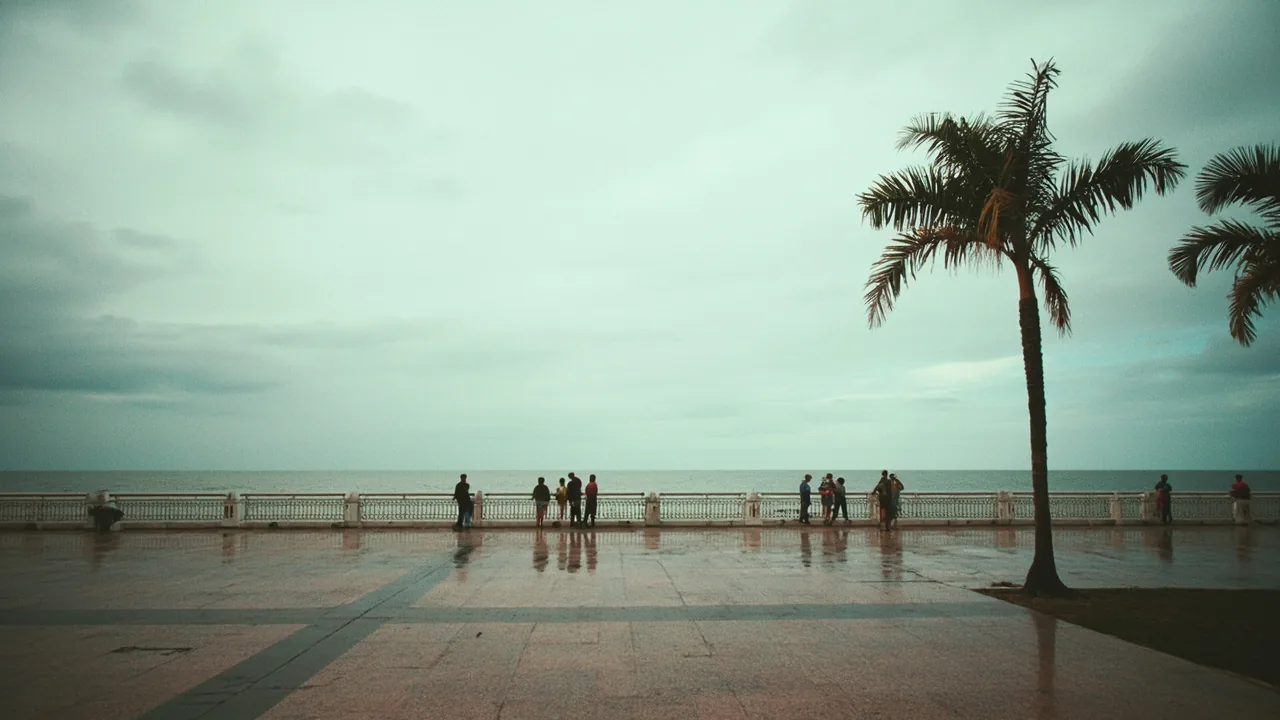
July is the Philippines’ wettest month, and the cheapest. If you’re the kind of traveller who chases low season deals rather than postcard weather, July rewards you with Manila dorms at 270 PHP a night and almost no foreigners on the beaches. If you’re chasing blue water and dry days, July is the wrong month. This guide is the honest version. For related planning, see our guide on Sea Backpacking Hub.
July sits in the middle of the southwest monsoon (locally called habagat), and it’s also the peak month inside the Philippines typhoon season. Most typhoons that affect the country between June and October pass through August or September, but July gets its share, and the rain is constant even on non-typhoon days. For budget-first Indian backpackers, the trade-off is real: you save money, you risk getting stranded. Here’s how to think through it.
Quick Answers
| What | Answer | Price (INR) |
|---|---|---|
| Is July a good time to visit the Philippines? | Only for budget travellers; otherwise pick December to May. | , |
| Do Indians need a visa for the Philippines? | No, visa-free for 30 days. | , |
| Airport terminal fee to pay on exit | 550 to 850 PHP, depending on airport. | (~₹825-1,275) |
| Manila dorm bed in July (low season) | 270 to 600 PHP per night. | (~₹400-900) |
| Cheapest month for flights from India | July and September tie for lowest. | (~₹18,000 round trip) |
Month-by-Month Breakdown
The Philippines doesn’t have a single “good month”. The country splits into dry season (roughly December to May) and wet season (June to November), and even those blur by region. Here’s how the year looks from an Indian backpacker’s seat:
| Month | Weather | Crowds | Cost Level | Verdict |
|---|---|---|---|---|
| January | Dry, cool | High | Peak (₹₹₹) | Best weather, busiest, most expensive |
| February | Dry, warm | High | Peak (₹₹₹) | Same as January |
| March | Hot, mostly dry | High | Peak (₹₹₹) | Holy Week crowds begin late March |
| April | Hottest month | high | Peak (₹₹₨) | Avoid, exhausting heat |
| May | Hot, pre-monsoon showers | Medium | Shoulder (₹₹) | Last quiet month before rains |
| June | Wet season starts | Low | Budget (₹) | Cheaper, but rain begins |
| July | Heavy rain, typhoon risk | Low | Budget (₹) | Cheapest, wettest |
| August | Typhoon peak | Low | Budget (₹) | Highest cancellation risk |
| September | Typhoons continue | Low | Budget (₹) | Cheapest flights of the year |
| October | Tail end of monsoon | Medium | Shoulder (₹₹) | Weather recovering |
| November | Dry season returns | Medium | Shoulder (₹₹) | Underrated month, good value |
| December | Cool, dry | High | Peak (₹₹₨) | Christmas crowds, peak pricing |
For a fuller month-by-month take, see visiting the Philippines in June and visiting the Philippines in August.
July in the Philippines: Pros and Cons
Pros:
- Cheapest dorm beds of the year in Manila and Cebu (270 to 600 PHP for a dorm).
- Almost no foreign tourists on Palawan, Siargao, and Boracay beaches.
- Flights from India drop to roughly ₹18,000 (~$186.84) round trip on budget carriers.
- Fewer queues at top attractions like Intramuros and the Chocolate Hills.
- Lush green scenery, waterfalls running at full force.
- Easier to find discounted island-hopping tours and dive packages.
Cons:
- Expect 3 to 5 hours of heavy rain most afternoons, often more.
- Typhoon risk: at least one named storm usually hits in July.
- Ferry cancellations between islands are common when seas get rough.
- El Nido and Coron boat tours get called off on rainy days.
- Siargao surf is wind-blown and inconsistent in July.
- Humidity stays above 80%, often closer to 95%.
- Some smaller island resorts close for the season.
- Flooding in low-lying parts of Manila (España Blvd, certain Pasig areas).
The rain itself is rarely a dealbreaker. It’s the cancelled ferries and typhoon evacuations that ruin trips. Travellers report that the bigger problem is timing: book a 5-day El Nido itinerary and you might lose two of those days to weather. Build buffer days into your schedule.
If you’re comparing months, May and November sit on either side of the wet season and reward you with better weather at near-low-season prices. The Philippines is one of the few Southeast Asian countries where the wet season matters enough to genuinely change your trip.
What to Pack Specifically for July
You’re packing for rain, humidity, and the possibility of a typhoon. Here’s what matters:
- Quick-dry shirts and pants. Cotton stays wet for hours in 90% humidity. Merino or synthetic dries in 30 minutes.
- A proper rain jacket or poncho. The cheap 7-Eleven poncho tears in two days. Buy a decent one in Manila before you head to the islands.
- Dry bags for electronics. Two small dry bags, one for your phone/passport and one for camera/laptop. The bigger backpack cover helps too.
- Waterproof shoes or sandals. Tevas, Chacos, or any quick-dry sandal. Closed shoes stay wet for days.
- Mosquito repellent with DEET. July mosquitoes carry dengue, and the standing water makes it worse.
- A small umbrella. Useful for walking between jeepneys when rain starts mid-walk.
- Power bank. Typhoon-related brownouts happen. Keep your phone charged to follow PAGASA (the official weather agency) updates.
- Microfiber towel. Hostel towels are usually missing or damp.
- Rehydration salts. The heat plus humidity is brutal. Oral rehydration sachets save you from feeling wrecked.
Season Costs Comparison
Prices below reflect 2026 averages. July is low season across the board:
| Item | Peak Season (Dec-Feb) | Shoulder (May, Oct-Nov) | Low / Monsoon (Jul-Sep) |
|---|---|---|---|
| Flight from India (round trip) | ₹28,000 (~$290.64) | ₹22,000 (~$228.36) | ₹18,000 (~$186.84) |
| Manila dorm bed | 500 to 900 PHP | 400 to 750 PHP | 270 to 600 PHP |
| El Nido dorm bed | 900 to 1,400 PHP | 700 to 1,100 PHP | 400 to 940 PHP |
| Siargao dorm bed | 800 to 1,200 PHP | 600 to 1,000 PHP | 330 to 800 PHP |
| Cebu dorm bed | 500 to 800 PHP | 400 to 650 PHP | 270 to 530 PHP |
| Local meal (karinderya) | 80 to 120 PHP | 80 to 120 PHP | 80 to 120 PHP |
| Island-hopping tour (El Nido Tour A) | 1,400 PHP | 1,200 PHP | 900 to 1,000 PHP |
Flight prices are general estimates for IndiGo, AirAsia, and Cebu Pacific one-stop routes via Manila or Kuala Lumpur. Cheaper fares exist if you book 6 to 8 weeks out.
Subodh’s Pro Tip: Book the cheapest dorm in town for your first 3 nights in any new city. If the weather holds, you can stay. If it pours and you want a private room for one night of Netflix and dry clothes, you can grab a hotel for 1,500 PHP and not feel guilty about the splurge.
Safety Alert: July is peak dengue season. The Philippines recorded over 200,000 dengue cases in 2024, and July is one of the worst months. Use DEET repellent, sleep under a mosquito net if your hostel doesn’t have screens, and see a doctor immediately if you develop a high fever plus severe headache or joint pain (the “breakbone” symptoms). Don’t tough it out, dengue can turn serious fast.
Getting Connected
You’ll want data for weather alerts, Grab (the ride-hailing app), and Google Maps in rain. For Indian travellers, a Philippine SIM (Globe or Smart) is cheap and easy, available at the airport for around 40 PHP for a tourist SIM plus 100 to 300 PHP for data. If you’d rather skip the airport queue, Get Nomad eSIM gives you data before you land.
Where to Eat in July
In low season, the better restaurants in tourist towns often run shorter hours or close entirely. The karinderyas (local family-style eateries serving home-cooked Filipino food) and a handful of reliable spots stay open year-round.
For Filipino food in Manila, Kantina Manila is famous for sisig and adobo, the two dishes you have to try before you leave. Budget 250 to 450 PHP per person for a full meal with rice and drinks. If you’re in Quezon City, Leandro’s Bistro does the same kind of home-cooked food in a quieter setting. Travellers report that both places fill up by 7pm even in July, so go early.
On the islands, look for the local “boodle fight” style meals: a banana leaf covered in rice, grilled fish, pork skewers, vegetables, all for 150 to 250 PHP per head. No menu, just point at what you want.
When you need a dal-chawal fix, Filipino-Indian restaurants serve the Indian backpacker community well. Seven Mannah Indian Fusion Food runs 300 to 500 PHP per person for a thali, with biryani that travellers specifically call out. In BGC (Bonifacio Global City), Queens at Bollywood does Punjabi and Mughlai dishes in a family-friendly setting. For a more upscale Indian meal in Quezon City, Royal Indian Curry House charges around 1,700 PHP per person, so save it for a special night.
What to Do in July
Most travellers base themselves in three areas in July, because these have the best balance of things-to-do and weather-resilience:
Manila. Intramuros, the old Spanish walled city, stays open in rain (you duck into churches and museums). National Museum of the Philippines is free, air-conditioned, and a half-day well spent. Binondo (Chinatown) is at its best in rain, fewer tourists, the dumplings and noodle shops pump out steam onto the wet streets. Travellers report July is the best month to walk Binondo without sweating through your shirt.
Cebu. Smaller than Manila, cleaner, friendlier. Magellan’s Cross, Basilica del Santo Niño, and the Taoist Temple are all doable in a wet day. Most travellers use Cebu as a gateway to Bantayan Island or Moalboal (check Cebu City to Moalboal bus fare and schedule before you go). Moalboal’s sardine run and turtle sightings happen year-round, but visibility drops in heavy rain.
Boracay and Palawan (El Nido, Coron). These are the islands you came for, but July is the riskiest month. Boat tours cancel often. If you’ve booked a fixed itinerary, you’ll likely lose days. Flexible travellers do better, go for 5 to 7 nights, plan 2 buffer days, and accept that some days will be hotel-pool-and-room-service days.
For ideas across the whole archipelago, what to do when travelling to Philippines covers the broader list. If you’re tempted by a day trip out of Manila, day tour packages near Manila has the usual options.
Getting Around in July
Jeepneys, Grab, and tricycles all keep running in rain. Ferries between islands are the weak link. Travellers report the most common July mishap is arriving at a port to find your ferry cancelled, then scrambling for a flight instead. Budget an extra PHP 2,000 to 4,000 for emergency flight rebooking.
For long-distance travel, buses work fine in rain but slow down. The Manila to Baguio bus is a popular July route because Baguio sits in the mountains, cooler and out of the typhoon belt.
Safety and Travel Advisories
The Philippines has a Level 1 or Level 2 travel advisory from most governments year-round. The Indian Ministry of External Affairs (MEA) issues specific advisories, check the MEA travel advisories page before you fly. PAGASA (pagasa.dost.gov.ph) is the official Philippine weather agency and posts typhoon tracking every six hours during storms.
In July, the main risks beyond weather are:
- Typhoon evacuation orders. Follow local government instructions, don’t try to ride out a storm in a beach hut.
- Flooding in Manila. Avoid España Blvd, certain Pasig City areas, and underpasses during heavy rain.
- Dengue. Already covered above, but worth repeating.
- Solo female traveller safety. See Philippines weather and solo female Indian backpacker safety for region-by-region guidance.
For broader monsoon-season advice across Southeast Asia, see monsoon travel guide for Indian backpackers.
What About August?
August is similar to July but with more typhoons. If you’re reading this in July and trying to decide whether to push your trip back, August is not the answer. Visiting the Philippines in August is for travellers who want the cheapest possible trip and accept that they might spend a third of it indoors. November is the smart “shoulder” month that gives you dry weather at low-season prices, see visiting the Philippines in November.
FAQ
Is July a good time to visit the Philippines from India?
Only if you’re a budget-first traveller who can roll with weather disruptions. July is the cheapest month but the wettest. For most Indian travellers, especially first-timers, December to February is the safer pick.
Will typhoons cancel my trip?
They might cancel part of it. The bigger risk is ferry cancellations between islands. Build at least 2 to 3 buffer days into your schedule and keep an emergency budget for flight rebooking.
How much can I save by going in July versus December?
Expect 30 to 40% cheaper dorm beds, 20 to 30% cheaper island tours, and roughly ₹10,000 (~$103.80) cheaper round-trip flights from India.
Is dengue that bad in July?
Yes. The Philippines sees a dengue spike every July, and the wet season creates standing water where mosquitoes breed. Use DEET repellent, sleep under a net if your hostel has open windows, and don’t ignore fever plus headache plus joint pain.
Can I still go to El Nido, Coron, or Siargao in July?
Yes, but expect cancelled boat tours on rainy days. The scenery is at its greenest, but visibility for snorkeling and diving drops. If scuba is your priority, see Philippines scuba diving and surfing season by month before booking.
What about Boracay in July?
Boracay is technically open in July but quieter. Some beachfront restaurants close for renovation, and the white sand looks less white under grey skies. Still visit-able, just lower expectations.
Do I need cash in July?
Yes. Smaller islands and beach towns run on cash even more so in low season when card machines go offline. Carry PHP from Manila or use ATMs in major cities.
Subodh’s Take
July is the Philippines for the traveller who doesn’t need perfect weather, just cheaper prices and fewer crowds. The trick is flexibility: book refundable accommodation, leave gaps between island transfers, and treat typhoon days as pool days. If you’re rigid on a checklist of islands, July will frustrate you. If you’re flexible and curious, July rewards you with the cheapest dorms in Southeast Asia and a Philippines that most tourists never see. Just don’t lie to yourself about the weather. It’s wet. Plan for wet.
