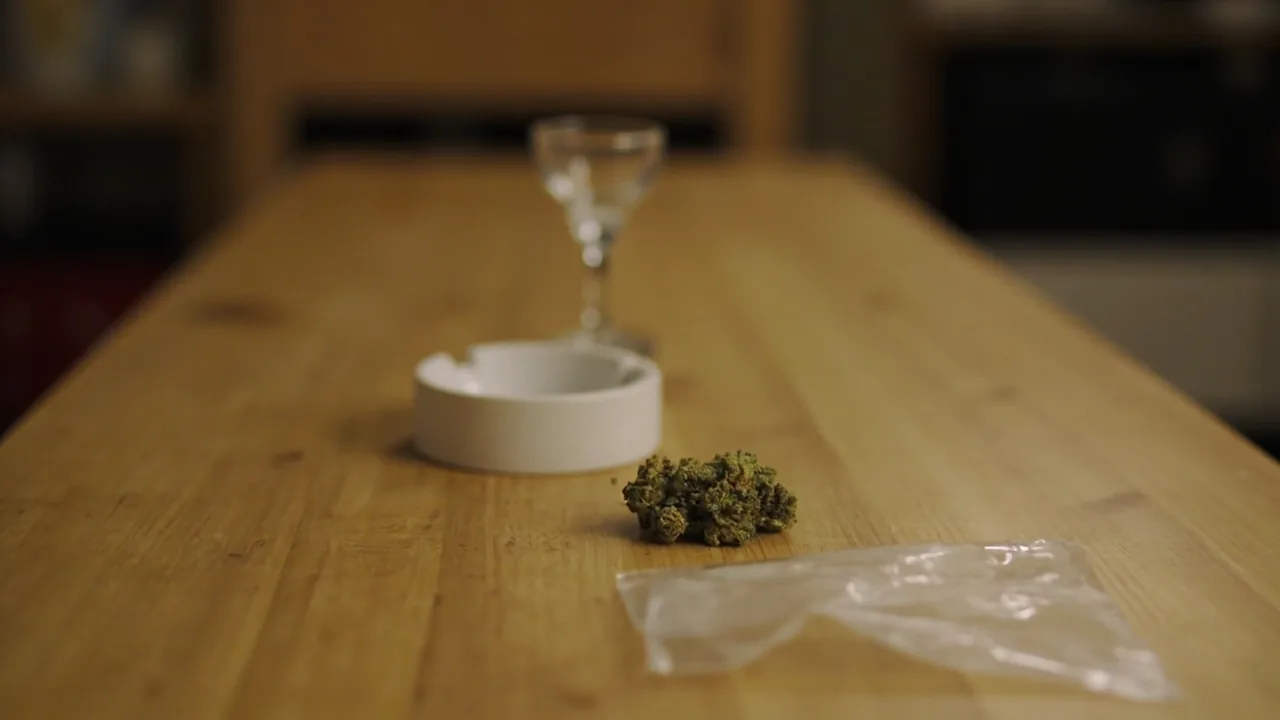
Weed in Cambodia 2026: Is It Legal, Where to Buy & What Tourists MUST Know
Is weed legal in Cambodia for tourists in 2026? Short answer: Cambodian adults can grow, buy, and use cannabis without criminal penalty, but tourists carry extra risk at airports and checkpoints, and the rules shift often. Here’s the honest, India-passport version. For related planning, see our guide on Sea Backpacking Hub.
Cambodia quietly became one of the most cannabis-tolerant countries in Southeast Asia when it decriminalised the plant in 2022. Tourists can walk into a dispensary in Phnom Penh or Siem Reap, show a passport, and walk out with flower, edibles, or a pre-roll. Sounds easy. The catch is the legal scaffolding underneath: cannabis is “decriminalised” rather than “fully legal,” tourist use sits in a grey zone, and possession at airports or border crossings can still mean a detention that ruins your trip. For Indian travellers especially, where the home side treats any narcotics charge seriously and the Foreigners Act can block future visas, the stakes are higher than they look.
This guide covers the current law, where dispensaries operate, what a gram costs in USD and KHR, the etiquette locals expect, and the specific situations (airport, border, police stop) where the rules tighten. Cross-checked against 2024-2025 traveller reports and local dispensary menus.
Quick Answers
| What | Answer | Price (INR) |
|---|---|---|
| Is weed legal in Cambodia for tourists? | Yes for adults 18+, but grey-zone at airports and borders | ₹482-₹1,445 (~5-15 USD) per gram |
| Where to buy in Phnom Penh? | Dispensaries near BKK1, Riverside, and Tuol Tom Poung | ₹482-₹1,445 (~5-15 USD) per gram |
| Where to buy in Siem Reap? | Dispensaries on and around Pub Street, and on Sok San Rd | ₹482-₹1,445 (~5-15 USD) per gram |
| Edibles (gummies, brownies)? | Sold legally in licensed dispensaries | ₹289-₹771 (~3-8 USD) per piece |
| Airport / border risk for Indians? | High: any amount can trigger detention, fines, or deportation | $0 (not worth any price) |
The Legal Picture: What “Decriminalised” Means
Cambodia’s 2022 amendments to the Law on the Control of Drugs removed criminal penalties for adults who grow, possess, or use cannabis at home and in licensed retail spaces. Crucially, the law does not make cannabis fully legal in the Western sense. Here’s where the line still lives:
- Age: 18+. Dispensaries ask for passport at the door.
- Quantity for personal use: no published cap, but anything that looks like intent to distribute (large bags, multiple sealed kilos, scales, baggies) flips the charge from personal possession to trafficking.
- Public use: tolerated on private property and inside licensed dispensary lounges, frowned upon on the street, and explicitly banned at temples, government buildings, schools, and religious sites.
- Driving: cannabis-impaired driving is treated like alcohol-impaired driving. Don’t.
- Crossing the border: taking cannabis out of Cambodia is illegal, and bringing it back into Thailand, Vietnam, Laos, or India is a hard-stop narcotics charge. Singapore and Malaysia mean death-penalty territory.
Travellers report that the practical enforcement focus is on three things: trafficking-scale quantities, public nuisance smoking near temples or schools, and any amount at international airports and land borders.
Subodh’s Pro Tip: Cambodia’s cannabis tolerance is a domestic policy. It does not protect you when you cross a border or board a flight. Treat the moment you leave a dispensary and the moment you enter an airport terminal as completely different legal worlds.
Where to Buy: Phnom Penh, Siem Reap, and Beyond
Cambodia has no single “cannabis district” the way Amsterdam has coffeeshops. Dispensaries tend to cluster in tourist neighbourhoods and survive on tourist footfall, so they’re concentrated in the obvious places.
Phnom Penh: the densest cluster sits in BKK1 (the leafy expat quarter), with a few storefronts along the Riverside promenade and a growing number in the Tuol Tom Poung (Russian Market) area. Most dispensaries look more like a boutique tea shop than a head shop: glass counters, a paper menu, a small lounge out back, sometimes a smoothie bar. Phnom Penh’s scene also serves as a useful anchor for your wider Phnom Penh nightlife plans, since many of the dispensaries close around 10-11pm. After a dispensary stop, the riverside and BKK1 bar strips are within walking distance for the wider bar run.
Siem Reap: the second-biggest cluster sits within a 10-minute walk of Pub Street, especially on Sok San Road and along the lanes running parallel to it. A few dispensaries double as cafés with Wi-Fi. Most operate until late given the bar crowd. After you’ve finished at the dispensary, the Siem Reap night market food scene is a good way to sober up. The dispensary-to-bar pipeline here is concrete: the main Pub Street venues sit within a short walk of the dispensary strips along Sok San and Pub Street.
Sihanoukville and the coast: fewer dispensaries than Phnom Penh or Siem Reap, but they exist around Serendipity Beach and Ochheuteal. Koh Rong has no dispensary presence, so anything you want has to be bought on the mainland.
Safety Alert: street dealers are not the same as licensed dispensaries. Street weed in tourist areas is sometimes laced, sometimes not what it claims to be, and buying from a stranger creates a hassle risk even in a tolerant country. Stick to storefronts with a posted menu and a licence number.
Prices: What You’ll Pay
The Cambodian cannabis market is price-driven, not quality-driven, and prices dropped through 2024-2025 as supply caught up with demand. At current rates (1 USD ≈ ₹96.5), here’s what to expect in a licensed dispensary:
| Item | Price (USD) | Price (KHR) | Price (INR) |
|---|---|---|---|
| 1 gram flower (mid-grade) | $5-8 | 20,000-32,000 KHR | ₹482-₹771 |
| 1 gram flower (top-shelf / “exotic”) | $10-15 | 40,000-60,000 KHR | ₹963-₹1,445 |
| Pre-roll (single, ~0.7-1g) | $4-7 | 16,000-28,000 KHR | ₹385-₹674 |
| Edible gummy / chocolate (single piece) | $3-8 | 12,000-32,000 KHR | ₹289-₹771 |
| Cart / vape pen (full) | $15-30 | 60,000-120,000 KHR | ₹1,445-₹2,890 |
| Hash (rarer) | $8-15 per gram | 32,000-60,000 KHR | ₹771-₹1,445 |
Dispensaries almost universally price in USD and accept USD cash, with KHR as the change-making currency. Most now take ABA KHQR (Cambodia’s QR-pay standard) and Wing/SmartPay, but not international cards without a fee. Card payments from an Indian forex card sometimes work, but expect a 2-3% surcharge. Bring clean USD bills; torn notes get rejected at dispensaries the same way they do at markets.
If you’re planning a longer stay, factor in the Phnom Penh budget guide numbers: a moderate user spends around ₹963-₹1,927 (~10-20 USD) per week on flower at dispensary prices.
Etiquette: How to Smoke Without Being the Worst Tourist
Most Cambodians are relaxed about cannabis now, but that doesn’t mean every situation is fine. A few rules of thumb that keep you on the right side of both locals and any passing police:
- Inside a dispensary lounge: usually fine to consume on-site. Many have tables and ashtrays out back.
- On the street: technically not banned outright, but widely considered rude. Smoke at home, in your hostel common area, or in a dedicated lounge.
- At temples (Angkor, Royal Palace): hard no. Zero tolerance. Tourists have been turned away at Angkor gates for smelling of smoke.
- In front of children, monks, or at schools: just don’t.
- Sharing with locals: Cambodian adults can legally use, but be aware you’re still in a country where the public memory of strict drug laws is recent. Discretion goes further than liberality here.
- Smoking indoors in hostels: many hostels explicitly ban it. Vape pens inside dorms are the single most common reason for a complaint-based eviction in Phnom Penh, travellers report. Ask first.
Subodh’s Pro Tip: at Angkor Wat and the temple complex around Siem Reap, the rules are temple rules, not cannabis rules. The Apsara Authority has been known to refuse entry to anyone visibly intoxicated, and monks take photographs. Treat temple days as zero-cannabis days, full stop.
The Airport & Border Question: Read This If You Have an Indian Passport
This is the single most important section of this guide for Indian readers, and the part most cannabis-tourism writeups skip over.
Cambodia has three main airports that see Indian tourists (Phnom Penh, Siem Reap, and Sihanoukville) plus several land borders with Thailand, Vietnam, and Laos. At every one of these points, cannabis is treated as a controlled substance for the purposes of border control. The risk has two layers:
Layer 1: Cambodian side. Airport police at PNPP and REP have made targeted checks on tourists carrying cannabis, even small personal amounts, in 2024 and 2025. Penalties range from on-the-spot confiscation and a fine (₹9,634-₹48,170 (~100-500 USD)) to, in stricter interpretations, temporary detention and deportation. The decriminalisation applies to Cambodian citizens more cleanly than to foreign tourists at a controlled port of entry. Travellers report that having a sealed, untampered, dispensary-bought package with a printed receipt has, in some cases, tipped things toward confiscation-only rather than detention, but this is not a legal guarantee.
Layer 2: Indian side. This is the bigger one. India treats cannabis as a Schedule-I substance under the NDPS Act. A foreign-country cannabis possession or trafficking charge, even a dropped or minor one, can complicate your next Indian visa application, future airport secondary questioning, and any legal proceedings at home if charges escalate. There is no such thing as a “minor” entry in the system once it’s been filed.
The practical implication: finish or dispose of everything before you enter any airport or border-crossing building. Airport bins at the terminal entrance, hostel lockers, or a Cambodian friend you trust are all better options than carrying. Do not rely on the argument that “it’s legal here.” Border police don’t care about that argument.
For day-to-day travel between Cambodia and its neighbours, Cambodia border crossings is the operational guide for the routes themselves, with 12go being the most reliable bus/ferry booking channel.
Nightlife Linkage: Where Cannabis Meets the Bar Scene
Cannabis and nightlife are not the same thing in Cambodia, but they overlap more than in neighbouring countries. Pub Street in Siem Reap and the BKK1 / Riverside bar strip in Phnom Penh have dispensaries within a 5-minute walk of the main bar clusters. Some venues blur the line entirely: a “café” that opens as a dispensary by day and a bar by night, or a bar with a small in-house menu. The late-night crowd in both cities tends to cluster around the same riverside and Pub Street strips where the dispensaries sit.
For a wider look at the bar-and-club side of things (not cannabis-specific), the Phnom Penh vs Siem Reap nightlife comparison and cheap things to do in Phnom Penh round out the picture.
Where to Eat After the Dispensary
Cambodia’s food scene is cheap, fresh, and best explored after you’ve settled your cannabis stop for the evening. In Phnom Penh, Tevy’s Place serves traditional Cambodian dishes in a relaxed setting. In Siem Reap, Smokin’ Pot Authentic Cambodian Restaurant and Cooking School doubles as a cooking class if you want to learn the cuisine hands-on - rated 4.9 on Google. On the coast near Sihanoukville, Cambodia kitchen offers rustic Cambodian meals worth the walk from the beach. All three are walkable from the main dispensary clusters in their respective cities.
Common Mistakes Indians Make With Weed in Cambodia
- Assuming “legal” means “no risk at the airport.” It doesn’t. Disposal before the terminal is the only safe move.
- Carrying across the border to Thailand, Vietnam, or Laos. Even a one-gram personal stash can become a trafficking case at the next checkpoint. Singapore and Malaysia are off the table entirely.
- Smoking openly at temple sites. Angkor and the Royal Palace have their own enforcement, separate from the cannabis law.
- Buying from street dealers for “convenience.” Lacing, overcharging, and hassle are all common. Dispensary storefronts exist for a reason.
- Driving a rented scooter after smoking. Cambodia’s traffic is chaotic on a clear head. Don’t.
- Mixing with alcohol at a 3am bar tab. Cheap cocktails and edibles together are a one-way ticket to a hostel floor and a missed bus the next morning. If you’re new to edibles especially, try half a piece first.
- Treating the Indian NDPS Act as a distant problem. It isn’t. A foreign charge follows you home.
Getting Connected (for Ride-Hailing After a Smoke Session)
The cheapest way to get back to your hostel after a late-night dispensary stop is a ride-hail, not a tuk-tuk negotiated in your second language at 11pm. Get online before you head out. A local SIM (Smart, Cellcard, Metfone) runs from ₹385-₹482 (~4-5 USD) for a week of data, and Nomad eSIM works as a quick-setup alternative that lands on your phone before you leave India. Grab and PassApp both work in Phnom Penh and Siem Reap.
Subodh’s Take
Cambodia’s cannabis scene is real, cheap, and probably easier to access than it should be, given how thin the legal scaffolding is once you leave a dispensary. For most Indian tourists the experience will be uneventful: you buy a gram, smoke at the hostel, see the temples sober, and fly home with nothing in your bag. The risk tail is in the 5% of situations that go wrong: a roadblock, an airport secondary, a careless joint near a monk, a stash that survives into a border-crossing terminal. None of those are worth saving ₹1,927 (~20 USD) on a hostel smoke. Smoke less than you think you need, never at a border, and never before a flight. The country is forgiving when you’re sensible. It isn’t forgiving when you’re not.
FAQ
Is weed legal in Cambodia for tourists in 2026? Yes for adults 18+ at licensed dispensaries and on private property, but grey-zone at airports, borders, temples, and on the street.
Can I buy weed in Siem Reap without speaking Khmer? Yes. Every tourist-area dispensary has English-speaking staff and English menus. Bring your passport.
What’s the legal age for cannabis in Cambodia? 18. Dispensaries check ID at the door.
What happens if I’m caught with cannabis at Phnom Penh airport? Confiscation and an on-the-spot fine are common for small personal amounts; detention and deportation are possible for anything larger or any amount at the terminal entrance.
Will a Cambodia cannabis charge affect my Indian passport or future US/Schengen visas? A Cambodian detention or trafficking charge can complicate future visa applications, including Indian visa renewals. Disclosure rules vary by country, but assuming charges “don’t follow you” is the most expensive mistake available.
Are edibles stronger than flower? Yes, often dramatically. Edibles take 60-120 minutes to kick in and last 4-8 hours. First-timers should start with a quarter to half of one piece.
Can I take cannabis back to Thailand or Vietnam from Cambodia? No. Crossing an international border with cannabis is illegal in both directions and treated as trafficking at any quantity.
- Subodh
