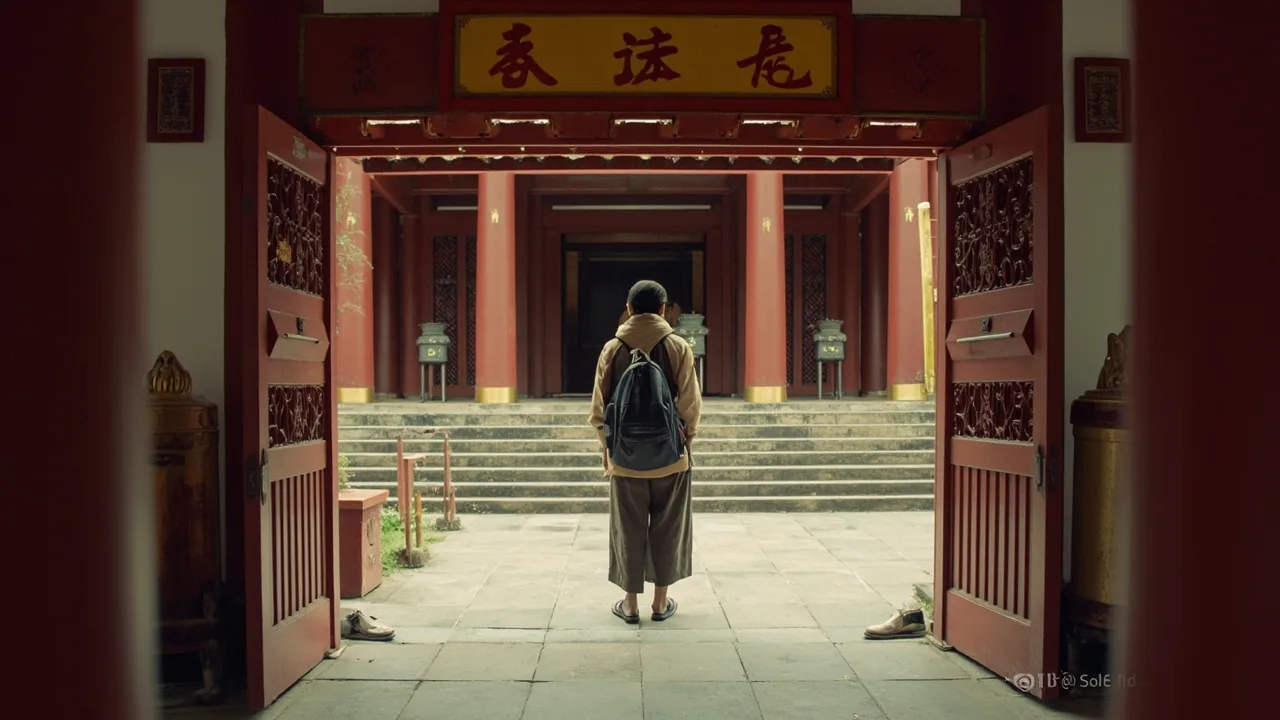
Ipoh Temple Etiquette: Dress Codes, Customs & What to Know Before You Visit
Temple etiquette in Ipoh comes down to three things: cover your shoulders and knees, take your shoes off at every doorway, and never point your feet at a Buddha image. Get those right and you’ll be fine at Sam Poh Tong, Kek Lok Tong, and the Sri Maha Mariamman Temple. Planning the wider region? Our Southeast Asia backpacking hub covers the full multi-country route.
Most Indian travellers won’t have a problem with clothing (salwar kameez, long kurtas, and full pants all work). The places that catch people out are the Hindu temple entry rules, the loud-talking-in-the-cave-temple issue, and what to do with the joss sticks once they’re lit. This guide walks through each of the main temples in Ipoh, what to wear, what to skip, and the customs that don’t make it into most tourist blog posts. For a broader look at the city itself, see our Ipoh travel guide.
Quick Answers
| What | Answer | Price (INR) |
|---|---|---|
| Can I wear shorts in Ipoh temples? | No. Shoulders and knees must be covered at every cave temple and Hindu temple. | Free |
| Do I need to remove my shoes? | Yes. Always. Even at the outdoor platforms. | Free |
| Are Indian clothes (kurtas, salwar) acceptable? | Yes, fully covered traditional dress is ideal. | Free |
| Cost to enter Sam Poh Tong? | Free (donations welcome). | Free |
| Cost to enter Kek Lok Tong? | Free (donations welcome). | Free |
| Cost to enter Sri Maha Mariamman? | Free, but small donations appreciated. | Free |
| Best temple for a short visit? | Kek Lok Tong (less crowded, easier parking). | Free |
| Can I take photos inside? | Outside: yes. Inside prayer halls and cave shrines: usually no, ask first. | Free |
| Are joss sticks provided? | Yes at Chinese temples, light only one and place it in the main burner. | Free |
| Do temple rules change by season? | No, but enforcement tightens during Chinese New Year and Thaipusam. | Free |
What Counts as a Temple in Ipoh
Ipoh has three distinct kinds of religious sites that tourists visit, and each has its own rulebook.
Chinese cave temples like Sam Poh Tong, Kek Lok Tong, Perak Tong, and Sam Po Keng are Buddhist/Taoist complexes built into limestone hills. The cave is the temple. Shoes come off at every entrance, you’ll see joss sticks and deity statues, and there’s usually a vegetarian kitchen on site feeding anyone who drops in.
Hindu temples in Ipoh are smaller but more strictly observed. Sri Maha Mariamman on Jalan Bendahara is the main one for the Tamil Indian community, and the rules look more like what you’d see at a South Indian temple: no leather, no shoes, head covering for some rituals, and no entry for anyone visibly intoxicated.
Chinese Mahayana/Taoist shrine-style temples like the one on Concubine Lane or the smaller clan-association temples follow the cave-temple rules but usually have shorter prayer halls and quieter atmospheres.
If you’re a first-timer, treat all three the same way: covered, quiet, barefoot, and follow the lead of locals.
The Universal Dress Code (All Temples)
Cover everything from shoulder to knee. This means no sleeveless tops, no vests, no shorts, no short skirts. Long pants, jeans, salwar kameez, long kurtas, full-length dresses, all fine. If you’re wearing a sleeveless kurta or kurti, throw a dupatta or shawl over your shoulders before you enter. Temple caretakers at Sam Poh Tong may ask women to add a wrap if their kurti has thin straps.
Shoes and socks off at the door. Every temple, every doorway, every prayer hall. There’s usually a shoe rack or a pile of slippers just outside. Don’t try to sneak them on for the bathroom either, flip-flops at the entrance work, take them off at the inner threshold.
No leather visible. This is most strictly observed at Hindu temples. Leather belts, wallets, and bags are fine to carry in your hand, but if a bag is going on the floor near the deities, switch to a cloth or synthetic tote. At Sri Maha Mariamman, you’ll often see a sign asking visitors to leave leather items at a side counter.
Remove hats and sunglasses once you’re inside any shrine space.
Turn off flash photography even where photos are allowed, the statues are old and the lighting is delicate.
Subodh’s Pro Tip: Carry a thin cotton scarf or stole in your daypack. It weighs nothing, covers shoulders or knees as needed, and saves you from renting the cheap sarongs some temples keep at the entrance.
Sam Poh Tong Temple: The Famous Cave Temple
Sam Poh Tong is the most famous Chinese temple in Ipoh, set into a limestone hill with a giant golden Buddha at the main chamber. Check Sam Poh Tong tours on GetYourGuide
Dress code here: Full shoulder-to-knee coverage, no exceptions. The cave interior is dim and the floor is uneven, so closed shoes are easier once you take them off at the entrance (you’ll be in socks). Travellers report that on weekends the caretakers are stricter than on weekday mornings, so plan accordingly.
Etiquette specifics:
- Light one joss stick at the burner near the entrance, not three or five. The big bundles on sale are for home altars, not visitor rituals.
- Don’t touch the Buddha statues or the meditation platforms inside the cave. People live and meditate here, the cave is still a working monastery.
- Walk clockwise around the main shrine, this matches the Buddhist and Taoist practice at Sam Poh Tong.
- Don’t pose for photos sitting on the turtle pond statues. Travellers report caretakers asking people to move off them.
- The tortoise pond at the back is for releasing or feeding the resident turtles, which is considered a merit-making act. If you want to participate, buy a small bundle of vegetables from the vendor at the entrance rather than bringing bread.
What most guides don’t tell you: Sam Poh Tong has a separate upper cave accessed by a steep staircase. The dress code applies up there too, and the stairs get slippery in the afternoon rain, so wear socks with grip.
Kek Lok Tong Temple: The Less Crowded Cave
Kek Lok Tong is a kilometre-long limestone cave temple south of the city, part of the Gunung Rapat cluster. It’s got a huge open-air courtyard inside the cave mouth, an inner Buddhist hall, and a lake garden at the back. Travellers report it feels more relaxed than Sam Poh Tong.
Dress code: Same shoulder-to-knee rule, but enforcement is gentler on weekday mornings. The main path inside is concrete so flip-flops are easier to manage once shoes come off.
Etiquette specifics:
- The inner Buddha hall has clear signs: no photos, no pointing, no loud talking. Follow them.
- The lake garden at the rear is technically outside the temple proper, so photography is fine there.
- If you’re visiting the vegetarian lunch kitchen (run by temple volunteers), wait to be seated. They serve in shifts and you’re joining a working meal, not a buffet.
What most guides don’t tell you: The walk from the car park to the cave entrance is uphill and exposed. Sunscreen matters more here than at Sam Poh Tong, which has a tree-shaded approach.
Sri Maha Mariamman Temple: The Famous Hindu Temple
Sri Maha Mariamman is the famous Hindu temple in Ipoh, located on Jalan Bendahara in the old town. It’s the main Tamil Hindu temple for Perak’s Indian community and is decorated with the typical gopuram tower covered in colourful deity figures.
Dress code: Strictly enforced. Travellers report that women are asked to cover their heads with a dupatta or shawl, men should wear full pants and remove shirts with sleeves shorter than the shoulder. Leather items stay outside or in a cloth bag.
Etiquette specifics:
- Walk clockwise around the main shrine (pradakshina), the same direction used in South Indian temples.
- Don’t touch the deity statues or the oil lamps with bare hands.
- Prasadam (blessed food) is sometimes distributed after a puja. Accept it with your right hand or both hands together.
- Don’t point your feet at the deities or the shrine when sitting on the floor. Tuck them under you or sit cross-legged.
- Loud talking, phone calls, and photography inside the main shrine area are usually not allowed. The exterior gopuram is fine to photograph from the street.
What most guides don’t tell you: The temple is busiest during morning puja (around 7 to 9 AM) and during festival days. If you want a quiet visit, go mid-afternoon. The Thaipusam festival at this temple draws thousands of devotees and visitors, dress extra conservatively and expect longer queues if you’re visiting during Thaipusam (usually January or February).
Common Mistakes Indians Make at Ipoh Temples
Wearing a sleeveless kurti and assuming “Indian dress” is fine. It usually is for shoulders, but a sleeveless kurti isn’t. Keep a dupatta or stole in your bag. This same rule applies at Koh Lipe temples and Kanchanaburi temples across the region.
Trying to bargain at the joss-stick and offering stalls. The vendors at temple entrances are temple-affiliated and prices are fixed. Travellers report that aggressive bargaining at Sam Poh Tong stalls is read as disrespectful, not as normal market behaviour.
Lighting three or five joss sticks “to be safe.” The correct offering for a visitor at Chinese temples is one stick, lit from the central flame and placed upright in the main burner. Multiple sticks are for specific rituals or home altars.
Asking if you can “just look” without removing shoes. No. The shoe-off rule is universal and refusing it gets you asked to leave.
Bringing water bottles into the cave temples. Most cave temples ask you to finish drinks before entering, since spills on the limestone are hard to clean and the floor stays slippery.
Sitting with your back to a Buddha or deity statue while checking your phone. Travellers report that this is the single most common etiquette slip and the one that gets called out by caretakers most often.
What Most Guides Don’t Tell You
Cave temple floors are colder than you think. The limestone keeps the interior noticeably cooler than the tropical heat outside. Travellers report that thin socks are more comfortable than going barefoot, especially after rain.
The vegetarian kitchens at Sam Poh Tong and Kek Lok Tong serve lunch to anyone, free or donation-based. You don’t need to be a temple-goer to eat there, just follow the dress code and join the line. Travellers report the meals are some of the cleanest vegetarian food in Ipoh, no menu, just rice, three or four veg dishes, and soup. Indian travellers will recognize the sambar-style preparations at Sam Poh Tong especially.
Photography signs are inconsistent. Some cave temples allow photos in the outer courtyard but not the inner hall. Some ban flash but allow phones. The reliable rule: if there’s a deity statue in the frame, ask. If it’s just architecture and landscape, you’re usually fine.
Temple donation boxes vs. Entrance fees. Ipoh’s major temples don’t charge entry, but the donation boxes at the main halls fund the vegetarian kitchens and maintenance. Travellers report that ₹118-₹237 (~5-10 MYR or ~$1.23-$2.46) per person is the going rate for a small offering, more if you’re eating the temple lunch.
Festival timing changes everything. Thaipusam, Wesak, and Chinese New Year see the temples packed and the dress code enforced strictly. If you want a calm visit, check the Malaysian public holiday calendar before picking your date.
Personal items at Sri Maha Mariamman. Travellers report that leather wallets and belts are sometimes asked to be left at a small counter near the entrance, especially during festival days. Carry a cloth tote if your everyday bag is leather.
Safety Alert: For current safety and travel-advisory information in Malaysia, check the official MEA advisory at mea.gov.in and the Malaysian Immigration Department’s site before departure. Temple areas are generally safe, but standard urban precautions apply around the old town and Concubine Lane at night.
FAQ
Can I wear jeans and a T-shirt with sleeves to Ipoh temples? Yes, as long as the T-shirt has sleeves (no vests) and the jeans are full-length. The shoulder-to-knee rule is the only clothing requirement.
Do I need a head covering at Chinese temples? No, head covering is for Hindu temples (Sri Maha Mariamman) and optional elsewhere. At Buddhist and Taoist Chinese temples, no head covering is needed.
Can I take photos of the Buddha statues at Sam Poh Tong? Outside photos are fine. Inside the main cave chamber, ask the caretaker at the entrance. Flash photography is never appropriate.
Is there an entry fee at any Ipoh temple? No. All the major temples (Sam Poh Tong, Kek Lok Tong, Perak Tong, Sri Maha Mariamman) are free to enter. Donations are welcome and fund the temple vegetarian kitchens.
What’s the difference between Sam Poh Tong and Kek Lok Tong for a first-time visitor? Sam Poh Tong is more famous, more crowded, and has the well-known golden Buddha. Kek Lok Tong is quieter, has a lakeside garden, and is easier to combine with other south-Ipoh stops.
Are children allowed in the cave temples? Yes, with the same dress code. Travellers report that the uneven cave floors require extra care with small children, especially after rain.
Can I visit all three major temples in one day? Yes, easily. Sam Poh Tong and Kek Lok Tong are 10 minutes apart by car. Sri Maha Mariamman is in the old town, 20 minutes north. Plan 60 to 90 minutes per cave temple and 30 to 45 minutes for the Hindu temple.
Subodh’s Take
Ipoh’s temples are some of the most rewarding in Malaysia, partly because they’re working temples, not tourist monuments. You see monks walking to lunch, devotees lighting incense at sunrise, and turtles plodding around ponds that have been there for decades. The etiquette isn’t complicated: cover up, take your shoes off, be quiet, and don’t treat the place like a photo backdrop. Indian travellers have an easier time than most because the basic rules already match what you’d do at a temple back home. The cave temples are the unique part, where the limestone, the incense, and the Buddha statues together make something you won’t see anywhere else in Southeast Asia.
