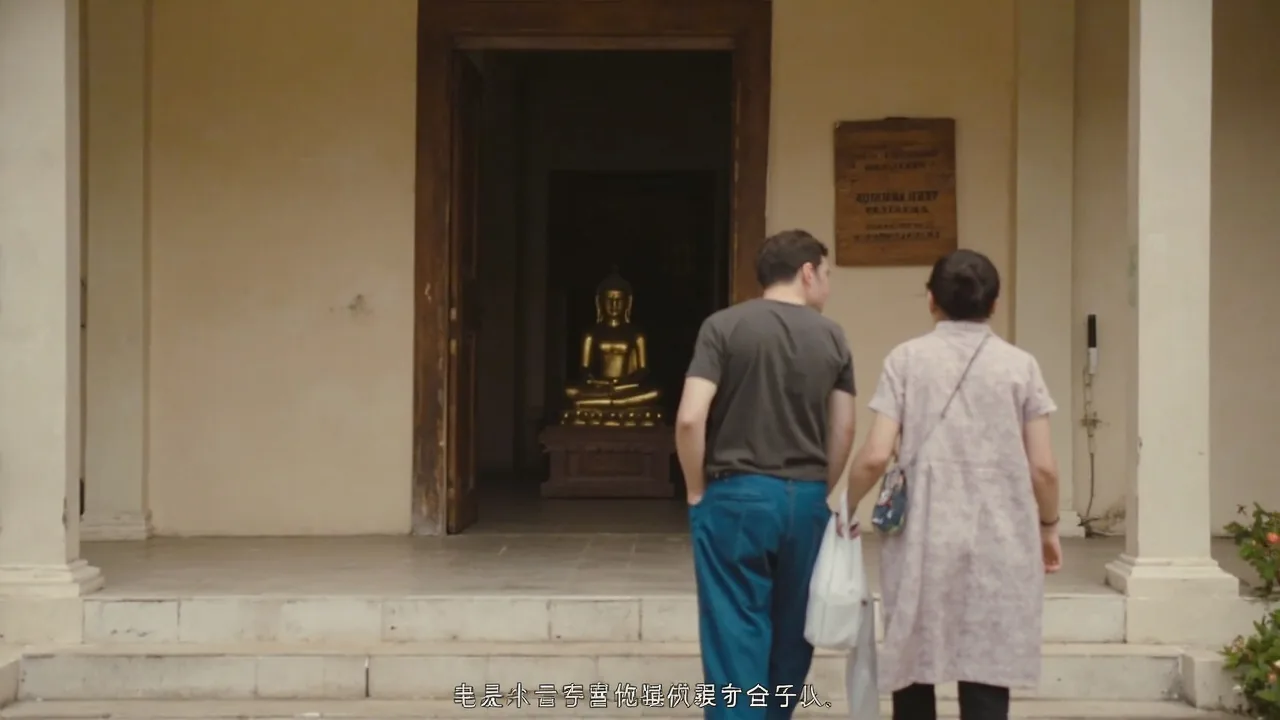
Kanchanaburi Temple Etiquette: What to Wear, How to Act & Where to Go (2026)
Cover your shoulders and knees, take your shoes off at the doorway, and never point your feet at a Buddha image. That’s the 60-second answer. The full guide below covers dress codes, photo rules, monk interactions, and the tiger temple question every Indian backpacker eventually asks. Planning the wider region? Our Southeast Asia backpacking hub covers the full multi-country route.
I re-checked temple entry rules against the Tourism Authority of Thailand’s Kanchanaburi office listings in July 2026. Kanchanaburi is small enough that you can hit three temples in a day, but the etiquette gap between “Thai person in temple clothes” and “foreign visitor who didn’t read the sign” is wider than you’d think. If you’re new to Southeast Asian temple visits, brush up on the basics in our packing list for Southeast Asia before you fly.
Quick Answers
| What | Answer | Price (INR) |
|---|---|---|
| Main dress code | Shoulders + knees covered, shoes off at door | Free |
| Standard temple entry | Donation-based at most wats | ₹0-₹287 (~0-100 THB or ~$0-$2.98) |
| Best temple near town | Wat Tham Khao Laem (cave temple, river views) | Free |
| Tiger temple status | Permanently closed since 2016 | , |
| Photography of Buddha | Allowed unless a sign says otherwise | , |
| Talking to monks | Women: don’t touch. Men: fine. | , |
| Best season to visit | Nov to Feb (cool, dry) | , |
| SIM for temple area | AIS or Nomad eSIM | ₹859 (~299 THB or ~$8.91) |
Subodh’s Pro Tip: Buy a cheap sarong (phasin) at the night market for ₹230-₹431 (~80-150 THB or ~$2.38-$4.47). It folds into your daypack, covers you at any wat, and doubles as a beach towel or bedsheet on sleeper trains. If you’re still planning your first regional trip, our first trip abroad from India guide covers the essentials before you board the flight.
What Is “Temple Etiquette” in Thailand?
Temple etiquette in Thailand refers to the dress, behaviour, and photography rules that apply when visiting a Buddhist wat or shrine. It exists because every active wat is a functioning place of worship, not a museum. Monks live there, locals pray there, and the Buddha images inside are considered sacred, not decorative. The rules are simple once you internalise them, and they’re enforced informally by temple staff who will quietly hand you a sarong if you show up in shorts.
Step-by-Step: How to Visit a Kanchanaburi Temple the Right Way
Step 1: Dress before you leave the hostel
You need covered shoulders and covered knees. For Indian travellers this is easy: most of what you packed (kurtas, leggings, full-length pants, dupattas) already complies.
What works:
- Long pants or leggings
- T-shirt with at least short sleeves (no tank tops)
- Kurta, kurta-shirt, or any long top
- Dupatta or scarf to throw over bare shoulders
- Sarong bought locally (₹230-₹431 (~80-150 THB or ~$2.38-$4.47) at the night market). For comparison with neighbouring countries, see our Ninh Binh temple etiquette and dress code guide
What doesn’t work:
- Sleeveless vests
- Shorts above the knee
- Mini skirts
- See-through fabric
Step 2: Shoes off at every threshold
Take your shoes off at the outer edge of the main hall (the ubosot or viharn). Look for the shoe rack, or watch what Thai visitors are doing. Carry socks because the marble floor gets hot by 11am. Keep your shoes together and pointing outward, not toward the Buddha image, so the next visitor doesn’t trip.
Step 3: Women, don’t touch the monks
If a monk is walking past, don’t grab his arm for a photo. Don’t hand him anything directly. If you need to give a monk food, water, or money, place it on a cloth or pass it to a man who can hand it over. This rule applies across Thailand, not just Kanchanaburi, and it comes from a centuries-old Vinaya prohibition on monks touching women.
Step 4: Sit like a tourist, but feet matter
When you sit inside the main hall, don’t point your feet at a Buddha image. Fold them to the side, tuck them under you, or sit cross-legged. Same rule for monks. Indian travellers used to sitting on the floor in temples at home usually have this down already. The etiquette cues are similar across the region, from our Ipoh temple etiquette guide across the causeway.
Step 5: Photography rules
Photos of the exterior and the main Buddha image are usually fine. Photos of the ceiling murals, smaller shrine corners, or monks in meditation may be marked “no photo.” If you see a no-camera sign or a red circle with a slash, put your phone away. Flash photography inside the hall is almost always prohibited.
Step 6: The donation box
Most Kanchanaburi wats run on donations rather than tickets, similar to the model described in our 4000 Islands temple etiquette guide. Drop ₹57-₹287 (~20-100 THB or ~$0.60-$2.98) per person, or buy a small bundle of incense sticks (₹57 (~20 THB or ~$0.60)) and light three for the Buddha, the Dharma, and the Sangha. Stick them upright in the sand bowl, bow slightly, and move on.
Step 7: Bonus etiquette Indians get wrong
- Don’t turn your back to a Buddha image for selfies. Step sideways instead.
- Don’t climb on statues, even if other tourists are doing it.
- Don’t raise your voice. Wats are quiet for a reason.
- Don’t bring food or open drinks into the main hall.
- Don’t smoke anywhere on temple grounds.
Where to Go: Real Temples Worth the Trip
Wat Tham Khao Laem
A cave temple on the river with multiple Buddha images tucked into limestone chambers. The setting is half the experience: you walk uphill through the cave mouth, past monks’ quarters, and emerge on a platform overlooking the River Kwai. Almost no tourists compared to the famous Bangkok wats, and the staff are used to foreign visitors. Entry is by donation.
Tha Lo Beach (Wat Ban Thong)
Wat Ban Thong sits next to a quiet stretch of the River Kwai, and the temple grounds open onto Tha Lo Beach, a riverside picnic spot popular with Thai families on weekends. If you want one temple visit that doubles as a half-day trip out of town, this is it. Combined entry: free, donations welcome.
Subodh’s Pro Tip: If you only have one temple day in Kanchanaburi, do Wat Tham Khao Laem in the morning (cooler, better light) and Tha Lo Beach in the afternoon (river + temple + swim, all in one stop). Skip the afternoon heat at any wat without air flow.
What About the Tiger Temple?
Every Indian backpacker in Kanchanaburi asks about “the tiger temple.” Here’s what you need to know.
The Tiger Temple (Wat Pha Luang Ta Bua) was a monastery that ran a tiger-petting tourist attraction on the side. It closed permanently in 2016 after wildlife authorities and international NGOs documented drugging, breeding, and trafficking of tigers on the premises. The monks who ran it were charged. The site is no longer open to tourists.
Any current “tiger temple Kanchanaburi” listing you find online is either a leftover blog post or a scam operator. The people still marketing it are not running an ethical operation.
If someone at a hostel in Kanchanaburi tells you the tiger temple is “still open, just smaller now,” they’re either misinformed or trying to sell you a tour. Brush up on common tricks in our tuk-tuk scam guide before you book anything. Verify on the official Tourism Authority of Thailand Kanchanaburi office listings before you book anything.
The ethical line here matters. Travellers who visit tiger-petting venues fund the breeding pipeline, and the tigers in those photos are almost always sedated, declawed, or both. Spend the same ₹4,307 (~1,500 THB or ~$44.68) at a real sanctuary, where the animals have space, vet care, and aren’t used as photo props.
Common Mistakes Indians Make at Kanchanaburi Temples
Mistake 1: Wearing shorts “just for the photo stop”
You plan to take five photos outside the temple and walk in. Except the temple grounds are usually fenced, the photo spot is inside, and you end up at the entrance barefoot and embarrassed. Dress for the full visit from the start.
Mistake 2: Leaving shoes “near” the rack
Thai temple shoes get stolen, especially in tourist-heavy wats. Either leave them inside the rack, or carry them in a plastic bag. Travellers report missing pairs regularly at the bigger cave temples.
Mistake 3: Assuming “donation” means optional in a rude way
Donations fund the temple, the monks, and the upkeep. Dropping nothing at all after spending an hour inside is read as disrespectful, even if no one says it to your face. ₹57-₹144 (~20-50 THB or ~$0.60-$1.49) per person is the standard range.
Mistake 4: Climbing on Buddha statues for group photos
Even if the statue is outdoors and not the main image, climbing on it is treated as a serious insult. Thai staff will stop you, sometimes politely, sometimes not. Just don’t.
Mistake 5: Treating monks as tourist attractions
Posing next to a monk for a photo without asking is rude. Asking for a photo is fine; many monks will say yes. Grabbing, pulling, or directing them is not.
What Most Guides Don’t Tell You
The “temple” you want to visit isn’t always a wat
Kanchanaburi has several Chinese shrines (San Chao Pho), a few Khmer-influenced sites near the Burma border, and the War Cemetery. If you’re doing the historical circuit (Death Railway, Hellfire Pass, JEATH Museum), the cemeteries and war memorials operate under a different etiquette: hats off, no loud talking, no photos of names on headstones, and modest dress. Same shoulder-and-knee rule applies.
The river cave temples get hot by noon
Wat Tham Khao Laem is partly inside a cave, partly on a hill. The cave section stays cool, but the upper platforms are exposed. Go before 10am or after 3pm, or you’ll be sweating through your kurta within twenty minutes.
Most temple grounds close for evening prayer
Larger wats in the province clear the main hall between 6pm and 7pm for the evening chanting session. The same rhythm holds at riverside shrines on Si Phan Don, as covered in our Si Phan Don temple etiquette guide. You can stay on the grounds, but the ubosot doors close. Plan your visits for daylight hours and finish by 5pm.
Women during menstruation are not barred
There’s an old Vinaya rule about women in ordination halls during menstruation. In practice across Thailand (including Kanchanaburi) this is not enforced at any wat tourists visit. The rule, where it still applies at all, is for the ordination hall during an active ordination ceremony, not for a regular sightseeing visit.
Getting Around to the Temples
Most temples in town are reachable by songthaew (₹144 (~50 THB or ~$1.49) per person for a hop within city limits) or rented motorbike (₹718-₹1,005 (~250-350 THB or ~$7.45-$10.43) per day from guesthouses on the main road).
For the out-of-town temples like Tha Lo Beach and Wat Ban Thong, hire a songthaew for the half-day (₹2,297-₹3,446 (~800-1,200 THB or ~$23.83-$35.74) round trip, negotiable). If you’re heading further to Hellfire Pass or the Erawan waterfalls, a guided day tour is more efficient than independent transport.
Coming from Bangkok? The train to Kanchanaburi is the scenic choice. For overnight options out of Bangkok, our Thailand sleeper train explainer covers the routes most backpackers use. Book the Bangkok to Kanchanaburi train on 12go. Buses from Bangkok’s Southern Terminal are faster (about 2.5 hours) and cheaper (₹345 (~120 THB or ~$3.57)), but less atmospheric.
Where to Eat After a Temple Visit
You’re not going to find a Jay-vegan or Indian thali inside a Thai wat. Head back into town for proper food.
- FOOD HAVEN KANCHANABURI: Strong local rating, good for a sit-down meal after a temple morning. Expect pad thai, curries, and Thai iced tea in the ₹230-₹574 (~80-200 THB or ~$2.38-$5.96) range per dish.
- Life Kitchen: Local Thai with a casual setting, perfect for a quick lunch bowl between temples.
- The Duck House @ Tha Makham: Riverside, scenic, and the duck dishes are the point. Order the duck curry or the roast duck over rice. ₹431-₹1,005 (~150-350 THB or ~$4.47-$10.43) per dish.
Subodh’s Pro Tip: Indian vegetarian options in Kanchanaburi are limited compared to Bangkok or Chiang Mai. Most of the local restaurants can do a “no meat” version of their curries and stir-fries if you point at the menu and say “jay” (Thai for “no meat, no egg, no dairy”). Confirm with the kitchen staff. Carry snacks from 7-Eleven (salted peanuts, plain rice, fruit) as backup.
Getting Connected: SIM Cards for Temple Day
AIS and TrueMove have the best 4G coverage in Kanchanaburi province, including the cave temple area and the road out to Hellfire Pass. Buy a tourist SIM at the AIS counter in town (₹859 (~299 THB or ~$8.91) for 7 days, 15 GB) or at 7-Eleven (same price, activation takes 15 minutes).
If you’d rather skip the store visit, get a Nomad eSIM before you fly. Activate on landing in Bangkok, scan the QR, and you’re online by the time you reach the Kanchanaburi train station.
Staying Safe Around Temples
Temple grounds are among the safest places in Kanchanaburi, but a few general rules apply:
- Watch your footwear at the rack. Theft happens.
- Don’t leave your bag unattended near donation boxes.
- Cave temple steps can be slippery in wet season (June to October).
- River temples (Tha Lo Beach) have uneven rocks near the water; wear shoes with grip.
For broader Thailand safety context, check the official Indian MEA travel advisory at mea.gov.in before you fly, and consider whether travel insurance for India to Southeast Asia is worth adding to your checklist. The advisory is updated more often than any guide can be.
Subodh’s Take
Kanchanaburi’s temples are the kind of reward that pays off a slow morning. Skip the rush, dress properly, drop a small donation, and stay off your phone inside the main hall. The cave temple at Khao Laem and the riverside stop at Tha Lo Beach are both half-day trips that don’t need a tour group. Skip anything claiming to be the “tiger temple.” It’s closed, has been since 2016, and the people still marketing it are not running an ethical operation.
FAQ
Do I need to cover my head inside a Thai temple?
No. Head covering is for mosques, gurdwaras, and some churches. Buddhist temples in Thailand don’t require it. Hats off as a sign of respect, but no scarf or dupatta on the head.
Are women allowed inside all Kanchanaburi temples?
Yes. There are no women-restricted wats in the city or province. The ordination hall during an active ceremony is a different matter, but you won’t encounter that on a regular visit.
Can I take photos inside the temple?
Yes for the main hall and exterior, no for marked areas, monks in meditation, and most ceiling murals. No flash photography anywhere inside.
Is the Tiger Temple in Kanchanaburi still open?
No. It closed in 2016. Any listing suggesting otherwise is outdated or a scam. Use a licensed sanctuary if you want to see tigers.
How much should I donate at a temple?
₹57-₹287 (~20-100 THB or ~$0.60-$2.98) per person is standard. More is welcome but not expected from backpackers.
Do I need to speak Thai to visit a temple?
No. A simple “sawasdee krub” (men) or “sawasdee ka” (women) when entering, and a wai (palms together, slight bow) when greeting monks or staff, covers 90% of social etiquette.
What’s the best time of day to visit Wat Tham Khao Laem?
Before 10am or after 3pm. The upper platforms get direct sun from 11am to 2pm and there’s limited shade.
