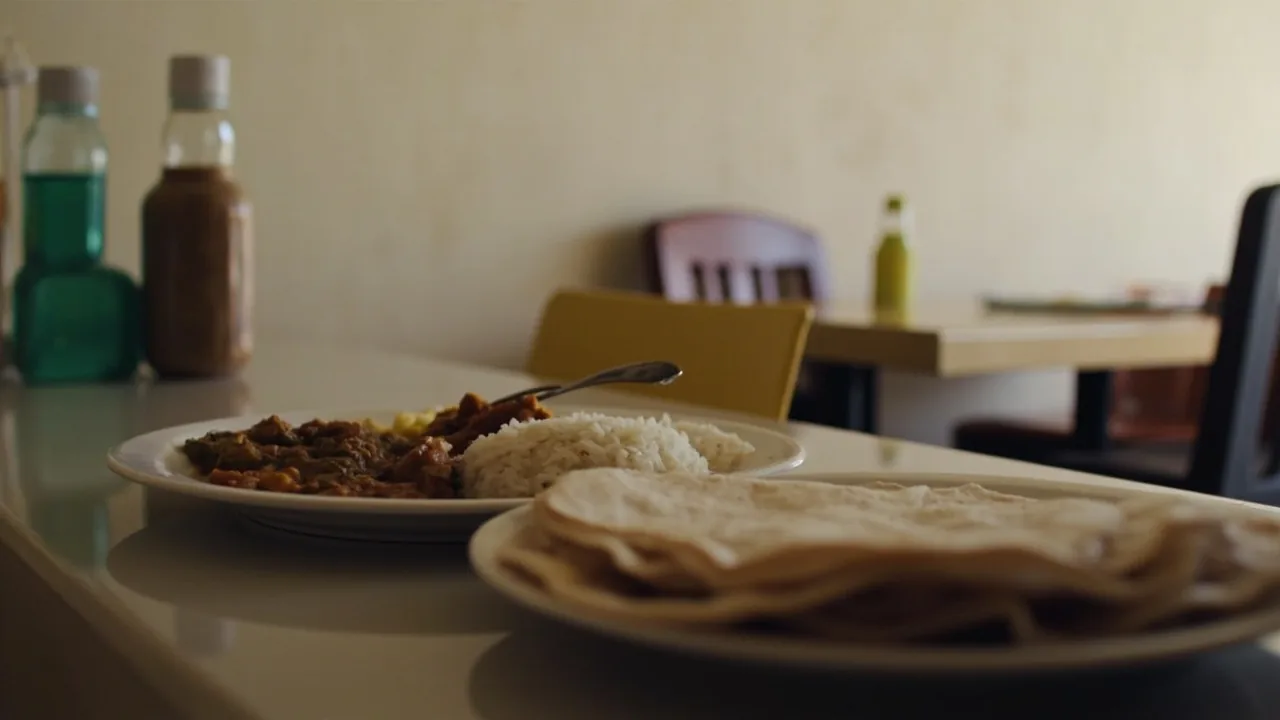
Indian Food in Bali: Where to Eat, Costs & Best Restaurants by Area
Bali has one of the densest Indian restaurant scenes in Southeast Asia, and that’s mostly because the island has been pulling North Indian, South Indian, and Punjabi cooks here for two decades. If you’re craving dal-chawal after a week of nasi goreng, you won’t go hungry. Prices sit higher than what you’d pay in Mumbai’s suburban thali joints, but lower than a sit-down Indian meal in Singapore. This guide breaks down where to find Indian food across Bali’s main tourist zones, what to budget per meal, and which spots are worth your rupiah versus which ones to skip. For related planning, see our guides on Sea Backpacking Hub and Where to Eat Indian Food in Koh Chang Restaurants Worth Knowing.
Quick reference for the impatient: 1 INR ≈ 185 IDR right now (1 USD ≈ ₹96.53, so 1 USD ≈ 17,800 IDR). A thali runs 60,000-180,000 IDR depending on the area and whether you want veg or non-veg. Ubud has the highest concentration of pure-veg Indian places. Kuta and Seminyak lean toward North Indian and Punjabi. The airport has options, but most are overpriced tourist traps. Read on for the area-by-area breakdown. You may also find Vegetarian Food in Con Dao Where to Find Plant Based Meals on the Islands useful for this trip.
Quick Answers
| What | Answer | Price (INR) |
|---|---|---|
| Is Indian food easy to find in Bali? | Yes, especially in Kuta, Seminyak, and Ubud. Pure veg options exist in all three. | , |
| How much does a veg thali cost in Bali? | ₹323-₹968 (~60,000-180,000 IDR or ~$3.35-$10.05) at most Indian restaurants. | ₹325 (~$3.37) to ₹970 (~$10.07) |
| What’s the cheapest area for Indian food in Bali? | Ubud, where street-food-style Indian cafes start around ₹269 (~50,000 IDR or ~$2.79). | ₹270 (~$2.80) |
| Can I get Indian food near Bali airport (DPS)? | Yes, but limited and pricier. Better to wait until you reach your hotel area. | , |
| Is Indian food in Bali safe for strict vegetarians? | Pure veg restaurants exist. Always confirm “no onion/garlic” for Jain travelers at order time. | , |
The Local Food Scene and Why Indian Food Matters Here
Balinese food is its own world: nasi campur, bebek betutu, lawar, sate lilit. It’s heavily spiced with turmeric, galangal, lemongrass, and shrimp paste. Balinese Hindus don’t eat beef, so the island is already more vegetarian-friendly than much of Indonesia. But Balinese vegetarianism is “no beef,” not “no meat.” Most local warungs put chicken, fish, or seafood in everything, and “vegetarian” at a warung usually means “vegetable side dishes plus chicken or fish.”
This is exactly why Indian restaurants in Bali thrive. The gap between what locals call vegetarian and what Indian travelers need is wide, and Indian-run spots have spent 20 years filling it. You’ll find pure-veg Gujarati, Punjabi, South Indian, and even Jain-friendly places scattered across the tourist belt. The catch: Bali is halal-aware but not strictly halal, and most Indian restaurants serve both veg and non-veg menus. If you’re strict-veg, ask before ordering.
Subodh’s Pro Tip: Most Indian restaurants in Bali are run by North Indians (a large number from Punjab and Rajasthan), with a smaller South Indian cluster in Ubud. The North Indian spots tend to be richer, creamier, and more suited to a “Sunday family lunch” feel. The South Indian ones lean breakfast-and-snacks-heavy (idli, dosa, uttapam). If you’re traveling for weeks and miss that filter coffee, head straight to Ubud.
Where to Eat Indian Food in Kuta and Seminyak
Kuta and Seminyak are Bali’s party-and-shopping belt. The Indian restaurant scene here leans North Indian and Punjabi, with a few South Indian outliers. Prices are higher than Ubud, mostly because rent is higher, but portions are bigger and menus wider.
Curries N More (Ubud branch) is the standout for serious Indian food cravings. They serve South Indian curries plus a full North Indian lineup, all halal. The kadai paneer and chicken tikka masala are both solid. Expect to pay ₹538-₹861 (~100,000-160,000 IDR or ~$5.58-$8.94) for a main with bread or rice.
Sanskar, Indian flavours • Island Vibes blends North Indian with Balinese touches. The setting is casual, the portions generous, and the menu stretches from butter chicken to a few Balinese-Indian fusion experiments that mostly work. Budget ₹484-₹915 (~90,000-170,000 IDR or ~$5.03-$9.49) per dish.
If you’re in Kuta specifically, you’ll find smaller Indian cafes clustered along Legian Street and the Poppies Gang alleys. Most are family-run, serve a basic North Indian menu (butter chicken, paneer butter masala, biryani, dal makhani), and charge ₹377-₹753 (~70,000-140,000 IDR or ~$3.91-$7.82) for a full meal with rice or naan. The turnover is high, the food fresh, and most places also do room delivery through Gojek and GrabFood.
Safety Alert: If a Kuta Indian restaurant has a “BBQ special” sign featuring whole roasted chickens or goat heads in the window, that’s a halal meat spot, not a veg spot. Their veg section will still be safe, but cross-check with the kitchen before ordering.
Indian Food in Ubud: The Veg Capital
Ubud is where you’ll find Bali’s highest concentration of pure-veg and Indian restaurants. The yoga-and-wellness crowd here includes a large Indian and international vegetarian set, and the supply chain followed.
New Delhi Pure Vegetarian Indian Restaurant in Ubud is one of the few spots explicitly pure-veg, no onion/garlic options available on request. The kadai paneer and dal fry are the most-ordered dishes. Mid-range pricing at ₹538-₹807 (~100,000-150,000 IDR or ~$5.58-$8.38) per person.
CHAI OF THE TIGER (Indian Street Food) is the budget pick for Indian travelers in Ubud. It’s a casual street-food cafe with masala chai that’s genuinely well-rated (Indian-run masala chai in Bali is rare, so this matters), plus snacks like samosa, pakora, vada pav, and kathi rolls. Prices run ₹269-₹646 (~50,000-120,000 IDR or ~$2.79-$6.70) per person, which makes it the cheapest Indian meal on this list.
Indian Corner Ubud - the Authentic Indian Restaurant leans street-food-inspired and serves pani puri, bhel puri, pav bhaji, and a few chaat items. Prices run ₹323-₹699 (~60,000-130,000 IDR or ~$3.35-$7.26). The pani puri here is closer to what you’d get at a Mumbai chaat stall than most other “Indian restaurants in Bali” manage.
Bollywood Indian Cuisine Ubud sits at the higher end of the Ubud Indian scene. Their paneer tikka masala is the menu anchor, priced around ₹807 (~150,000 IDR or ~$8.38) per dish. Portions are generous, service is attentive, and the menu is broad enough that you’ll find both South Indian dosa and North Indian curries under one roof.
Subodh’s Pro Tip: Ubud is where you should plan your “Indian food splurge” if you’re traveling for two or more weeks in Bali. The prices are lower, the pure-veg coverage is wider, and the cafes tend to stay open later than Kuta’s restaurant strip.
Indian Food Near Bali Airport (DPS)
Bali’s Ngurah Rai International Airport (DPS) has a few Indian-leaning options in the international departure terminal, plus a small cluster of Indian restaurants in the Tuban area just outside the airport gates. None are remarkable.
Inside the airport, your best bets are the chain restaurants in the airside departure hall that occasionally carry a butter chicken or chicken tikka wrap. Prices are 30% to 60% above what you’d pay in town for the same dish, and quality is airport-grade: edible, not memorable. Budget ₹646-₹1,076 (~120,000-200,000 IDR or ~$6.70-$11.17) if you must eat Indian inside the terminal.
The smarter move: wait until you reach your hotel. The Tuban area (3 to 5 minutes from the airport) has small Indian cafes where a full thali runs ₹323-₹592 (~60,000-110,000 IDR or ~$3.35-$6.14), and the Kuta proper restaurant belt is a 10-minute taxi ride away. Pre-book a Gojek or Grab instead of an airport taxi, and you can be eating a real Indian meal within 20 minutes of landing.
Indian Food in Nusa Dua and the Bukit Peninsula
Nusa Dua is Bali’s five-star resort zone. The Indian restaurant scene here is smaller and pricier, mostly because the customer base is resort guests on per-diem budgets. You’ll find one or two Indian restaurants per resort cluster, mostly serving North Indian buffet-style meals at dinner.
If you’re staying in Nusa Dua, Uluwatu, or the broader Bukit Peninsula and craving Indian food, your realistic options are:
- Eat at your resort’s Indian-night buffet if they have one. Resorts in this area frequently feature Indian cuisine nights, and the food is usually authentic and well-prepared.
- Order in via Gojek. Indonesian ride-hailing apps deliver from Kuta and Denpasar, and a 30 to 45 minute delivery window is normal.
- Make a dedicated trip to Kuta or Ubud. The Ubud drive from Nusa Dua is about 90 minutes, so plan it as a half-day Indian food + sightseeing outing rather than a quick meal run.
Pricing in Nusa Dua for a sit-down Indian meal runs ₹968-₹1,883 (~180,000-350,000 IDR or ~$10.05-$19.55) per person, roughly double what you’d pay in Ubud for the same dishes. The food quality is generally good because the resort chefs tend to be properly trained, but you’re paying for the setting as much as the meal.
What to Order: The Indian Food Dishes That Travel Well in Bali
Not every Indian dish survives a tropical climate and a Balinese spice pantry equally well. Here’s what to prioritize:
- Dal makhani is on almost every menu in Bali and it’s reliably good. Slow-cooked black lentils travel well, the cream holds up, and most places make it fresh daily.
- Paneer butter masala / kadai paneer are the most-ordered veg mains across the island. Quality varies more here than at home because the paneer supply chain is imported. Expect 10% to 15% of places to use a softer, slightly sweet paneer that’s not what you’d get in Delhi.
- Biryani is a Bali Indian restaurant staple, both veg and chicken. The rice-to-spice ratio is usually well-balanced. Budget ₹484-₹861 (~90,000-160,000 IDR or ~$5.03-$8.94) for a full plate.
- Masala dosa and idli are easier to find in Ubud than Kuta. Most Kuta North Indian places don’t run a tawa, so dosas come out of a frozen supply chain. Ubud’s South Indian spots make them fresh.
- Chai is the sleeper hit. Most Bali Indian cafes serve masala chai that’s been adjusted slightly for the Indonesian palate (less ginger, more cardamom). CHAI OF THE TIGER in Ubud is the closest to a proper cutting chai you’ll find.
Budget Breakdown: Daily Indian Food Costs in Bali
Here’s a realistic daily budget for an Indian backpacker eating mostly Indian food in Bali:
| Budget Tier | Daily Spend (IDR) | INR Equivalent | What You Get |
|---|---|---|---|
| Shoestring | 90,000 to 150,000 | ₹485 (~$5.03) to ₹810 (~$8.41) | Street-food cafes, thali at lunch, chai, snacks |
| Mid-range | 200,000 to 350,000 | ₹1,080 (~$11.21) to ₹1,890 (~$19.62) | One sit-down meal + one street-food meal + chai |
| Comfortable | 400,000 to 600,000 | ₹2,160 (~$22.42) to ₹3,240 (~$33.63) | Two sit-down meals + drinks + dessert |
For context, a ₹807 (~150,000 IDR or ~$8.38) thali in Bali costs roughly the same as a ₹350-₹400 (~$3.63-$4.15) thali in India, which means Bali is 20% to 30% more expensive for Indian food than most Indian metro cities. You’re paying for import costs (paneer, lentils, certain spices) and the rent premium of a tourist island.
FX rate as of 22 July 2026: 1 INR ≈ 185 IDR. So 100,000 IDR ≈ ₹540.
Food Safety Tips for Indian Travelers in Bali
Most Indian restaurants in Bali’s tourist belt follow decent hygiene standards. The bigger risks are:
- Tap water: Don’t drink it. Stick to bottled water or filtered options. Most Indian restaurants serve sealed bottled water automatically.
- Raw salad at warungs: Avoid at small local warungs. At Indian restaurants, raw salads are usually washed in filtered water and are fine.
- Dairy: Bali’s ambient temperature is high, and not every restaurant’s refrigeration is reliable. If your paneer dish smells off, send it back. Don’t eat curd rice or lassi at places that look doubtful.
- Cross-contamination: If you’re strict-veg, confirm the kitchen doesn’t share tongs or oil between veg and non-veg prep. Most pure-veg restaurants are upfront about this, but always ask.
For broader Southeast Asia food safety, our street food safety guide covers the regional patterns.
Where to Eat Local Balinese Food (For When You’re Done With Indian)
If you want a break from dal and want to eat what Bali is famous for, here’s the shortlist. None of these are Indian restaurants, so don’t worry about them for this article’s main purpose, but if you’re traveling for two or more weeks and want a local meal rotation:
Bali Buda Ubud is the organic, health-focused Bali classic. The menu rotates seasonally but always has a solid vegetarian section with tempeh, gado-gado, and nasi campur options. Their bakery is legendary in Ubud for fresh-baked sourdough.
This Is Bali - Balinese Food & Desserts specializes in authentic Balinese cuisine with a strong dessert menu. The Balinese tasting plate is the way to go if you’ve never had proper Balinese food before.
Poppies Bali in Seminyak is the old-school warung choice. Family-run for decades, with a menu that covers Indonesian, European, and strong seafood options. Their Indonesian rijsttafel (rice table) is the move.
Nomad in Ubud does Balinese-Mediterranean fusion. The slow-cooked lamb tagine with coconut rice is the standout, and the menu has enough vegetarian options that even non-meat-eaters will be happy.
Cantina Rooftop Restaurant in Ubud is the rooftop-pick. Modern Mexican with a Balinese twist, panoramic jungle views, and a few vegetarian tacos and bowls. Good for a sunset meal.
The Goat Seminyak is the splurge pick. Modern Australian, with the coal-seared lamb as the signature dish. The vegetarian section is short but well-executed.
If you want a deeper dive on Balinese food specifically (rendang warungs, fine dining, and everything in between), our where to eat in Bali like a local guide covers the full scene.
Getting Connected (For Google Maps and Gojek)
You’ll need a working data connection to find Indian restaurants on the go, especially the smaller family-run places that don’t show up in Google Maps search results at the same level as the big ones. SIM options:
- Physical SIM at the airport: Telkomsel and XL Axiata both sell tourist SIMs at the DPS airport counter. Prices run ₹538-₹1,345 (~100,000-250,000 IDR or ~$5.58-$13.96) depending on data volume and validity. Telkomsel has the widest 4G coverage across Bali.
- eSIM option: Get Nomad eSIM, works before you land, activates on arrival, and skips the airport counter queue.
Either way, you’ll need data for Gojek (the ride-hailing and food-delivery app that delivers Indian food from most Bali restaurants to your hotel).
Common Mistakes Indians Make With Food in Bali
Mistake 1: Assuming local “vegetarian” means Indian-style vegetarian. It doesn’t. A “vegetarian nasi campur” at a warung will almost always have chicken or fish stock in the rice, sambal with shrimp paste, and fish-based seasonings. Order Indian at Indian restaurants and Balinese at Balinese restaurants, and you’ll avoid this trap.
Mistake 2: Eating at the first Indian restaurant you see near your hotel without checking ratings. Bali has a long tail of mediocre Indian restaurants that survive on tourist foot traffic. Check Google ratings and recent reviews before committing, especially in Kuta.
Mistake 3: Assuming “halal” means veg-friendly. It doesn’t. Halal means the meat is prepared according to Islamic law, not that the kitchen avoids meat entirely. Pure-veg spots in Bali will advertise “pure vegetarian” or “100% vegetarian” explicitly.
Mistake 4: Skipping the chai and street-food cafes because they look “cheap.” CHAI OF THE TIGER and Indian Corner Ubud are exactly the spots most Indians crave from home, and they’re cheap because they’re street-food-format, not because they’re low quality.
Mistake 5: Ordering seafood at Indian restaurants. Indian restaurants in Bali occasionally add seafood dishes to their menu, but it’s not their strength. If you want seafood, eat at Poppies Bali or a beachside warung. If you want Indian, stick to the Indian menu.
FAQ
Q: Is Indian food in Bali expensive compared to India?
A: Yes, 20% to 30% more expensive than most Indian metros. A thali in Bali runs ₹538-₹968 (~100,000-180,000 IDR or ~$5.58-$10.05), versus ₹250 (~$2.60) to ₹400 (~$4.15) for a similar thali in Mumbai or Bangalore.
Q: Can I find Jain food (no onion, no garlic) in Bali?
A: Yes, but limited. New Delhi Pure Vegetarian Indian Restaurant in Ubud explicitly offers Jain-friendly options. Most other Indian restaurants will customize on request, but call ahead to confirm.
Q: Is the Indian food in Bali authentic or “tourist Indian”?
A: It depends heavily on the restaurant. The Ubud cluster (Curries N More, Bollywood Indian Cuisine, New Delhi) is genuinely authentic, often run by Indian families who’ve lived in Bali for years. The Kuta beachfront Indian restaurants tend toward “tourist Indian” with sweeter, milder profiles.
Q: Are Indian restaurants in Bali safe during Ramadan?
A: Yes, they stay open. Bali is Hindu-majority, not Muslim, so Ramadan doesn’t impact restaurant operations the way it does in Java or Sumatra.
Q: Can I use Indian payment apps in Bali?
A: No. UPI doesn’t work in Indonesia. Bring a forex card or carry Indonesian rupiah cash. Most mid-range and above Indian restaurants in Bali accept Visa and Mastercard.
Q: What’s the best area to stay in Bali if I want easy access to Indian food?
A: Ubud, followed by Kuta. Seminyak is third. Nusa Dua is the worst for Indian food variety.
Q: Do Indian restaurants in Bali deliver to hotels?
A: Yes, via Gojek and GrabFood. Delivery is usually free above a ₹269-₹430 (~50,000-80,000 IDR or ~$2.79-$4.47) order value. Expect 30 to 45 minutes from order to arrival.
Subodh’s Take
Indian food in Bali is plentiful and mostly reliable, but it’s not cheap and not always authentic. Treat it as a supplement to local Balinese food rather than a replacement. Eat Balinese at warungs, eat Indian when the craving hits, and don’t expect Mumbai-quality paneer at Kuta prices. If you’re doing a longer Bali stay (two weeks or more), base yourself in Ubud for at least a few days. The pure-veg options, the prices, and the chai alone make it worth the move.
