Songkran Festival Guide for Indian Backpackers: Best Cities, Dates & Survival Tips (April 2026)
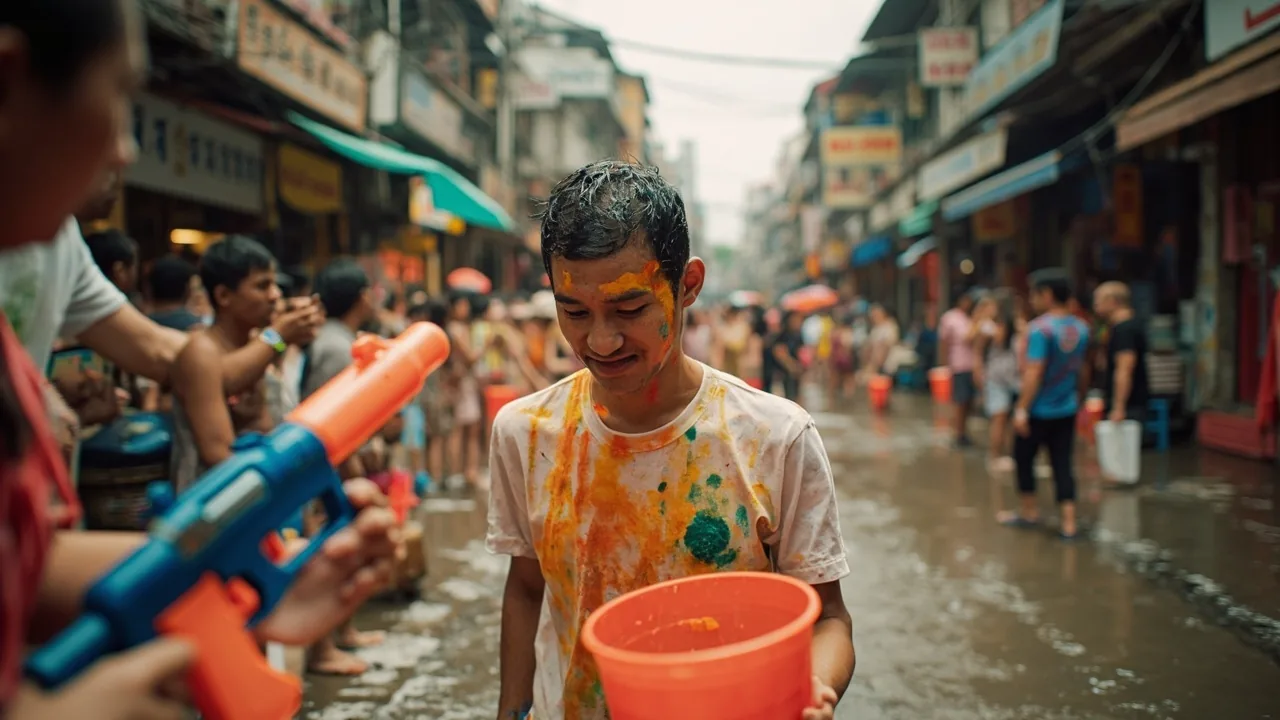
Songkran is the Thai New Year, and for three days every April the country turns into the world’s largest water fight. For Indian backpackers, it is one of those rare trips where the cultural event itself is worth planning an entire route around, because the cities that host it well are wildly different from each other and the price/weather tradeoffs shift fast. For related planning, see our guides on Sea Backpacking Hub and Thailand Monsoon Season Honest Review Should You Go.
This guide covers the official 2026 dates, the four cities worth flying into for Songkran, what to pack, the actual etiquette rules (a lot of tourists get these wrong), and the costs you should budget before booking anything from India. You may also find Thailand Weather By Month Phuket useful for this trip.
Quick Answers
| What | Answer | Price (INR) |
|---|---|---|
| When is Songkran 2026? | April 13-15, 2026 (official dates), with most cities extending celebrations for 5-7 days | ₹0 |
| Best city for wild parties? | Bangkok (Khao San Road + Silom Road) or Pattaya (Walking Street) | ₹0 |
| Best city for cultural/family-friendly events? | Chiang Mai or Ayutthaya | ₹0 |
| Is Songkran safe for first-time visitors? | Yes, but expect chaos; keep phones in waterproof pouches | ₹0 |
| Average Songkran daily budget (mid-range)? | 1,500-2,500 THB/day excluding accommodation | ₹4,300-₹7,200 (~$44.63-$74.74) |
Month-by-Month Breakdown (April in Thailand)
| Month | Weather | Crowds | Cost Level | Verdict |
|---|---|---|---|---|
| Early April (1-12) | Hot, 35-38°C, mostly dry | Rising | Climbing (₹₹) | Book hostels early, weather still tolerable |
| Peak Songkran (13-15) | 35-40°C, occasional afternoon storms | Peak (highest of year) | Peak (₹₹₹) | Festival days, book 2-3 months ahead |
| Late April (16-30) | Hot, monsoon building | Falling | Dropping (₹₹) | Good value window if you want the vibe without peak prices |
April in Thailand is one of the hottest months of the year. Temperatures regularly hit 38-40°C in central Thailand (Bangkok, Ayutthaya) and the UV is brutal between 11am and 3pm. Songkran water-throwing helps because locals and tourists douse each other to cool down, but it also means you will be wet for 12+ hours a day if you participate. Northern Thailand (Chiang Mai) is slightly cooler, around 33-36°C during the day but drops to a comfortable 22-25°C at night, which is one reason families and older travellers tend to prefer it. See also: Chiang Mai Burning Season Survival Guide.
Crowd levels spike dramatically from April 10 onward. Bangkok’s Khao San Road gets so packed during Songkran that walking becomes a slow shuffle. Chiang Mai’s Old City moat area is similarly dense. If you want any chance of a hostel bed at a normal price, book by late January or February. By March, popular dorms sell out for the Songkran window specifically. For related planning, see our guide on Scuba Diving Thailand Similan Islands Best Visibility Season.
Songkran. Pros and Cons
Pros:
- Free entry to most celebrations; you just show up with a water gun
- Cultural depth: temple visits, merit-making, traditional parades in Chiang Mai and Ayutthaya
- One of the few times Thai, Indian, and international tourists mix in the same crowd
- Perfect weather excuse to stay outdoors all day
- Public transport and most shops stay open (unlike Western festivals where everything shuts)
Cons:
- Peak pricing: hostels double or triple, flights from India jump 40-60%
- Water in city streets is often mixed with mud, white powder (chalk), and sometimes ice (yes, ice, thrown at your neck)
- Pickpocketing rises sharply in dense crowds; keep phones in waterproof bags
- Alcohol restrictions tighten in some provinces (Chiang Mai has designated drinking zones)
- Some temples ban wet clothes and water-throwing on their grounds (rules tourists frequently break)
The price hike is the part that catches Indian travellers off guard. A dorm bed that costs ₹858-₹1,144 (~300-400 THB or ~$8.90-$11.87) in February jumps to ₹2,287-₹4,288 (~800-1,500 THB or ~$23.74-$44.51) during Songkran week in Bangkok or Chiang Mai. Private rooms that are ₹2,287 (~800 THB or ~$23.74) in low season become ₹5,718-₹10,006 (~2,000-3,500 THB or ~$59.35-$103.86). Flights from Delhi or Mumbai to Bangkok, which sit around ₹18,000-₹22,000 (~$186.84-$228.36) in March, climb to ₹28,000-₹40,000 (~$290.64-$415.20) in early April. The only way around this is to either book early (January) or shift to a lesser-known city like Phitsanulok or Sukhothai, where Songkran celebrations happen but accommodation stays cheaper (₹1,429-₹2,287 (~500-800 THB or ~$14.84-$23.74) for a private room).
Best Cities for Songkran 2026
There is no single best city. It depends on what you want.
Chiang Mai is the cultural capital of Songkran. The Old City moat area hosts traditional parades, temple visits, and a more family-friendly vibe. Yes, there is water-throwing, but it is less aggressive than Bangkok. The Lantern Festival (Yi Peng) happens in October/November, not during Songkran, so don’t confuse the two. For Songkran specifically, Chiang Mai draws older travellers, families with kids, and people who want the cultural side without the all-night party scene. The downside: it is the most popular city for Indian tourists during Songkran, so hostels sell out fastest.
Bangkok is the wildest. Khao San Road and Silom Road are the two epicenters. Khao San is backpacker-central, packed with 18-25 year olds, beer, and foam parties. Silom is where Thai locals go, and the water fight there is bigger and more chaotic. Bangkok during Songkran is not for people who want peace; it is for people who want to be in the middle of the loudest, wettest street party in Southeast Asia. If you have never experienced Songkran before, Bangkok is the easiest city to reach from India (direct flights, no transit) and the cheapest in terms of getting there.
Pattaya is the adult-party version. Walking Street turns into a water-soaked nightlife corridor. This is where you go if you want Songkran mixed with beach bars, loud music, and a more adult crowd. Not recommended for families or solo female travellers who prefer quieter environments. Pattaya’s Songkran is cheaper than Bangkok for accommodation but the cost of activities (drinks, beach clubs) adds up fast.
Ayutthaya is the cultural alternative. The ancient capital, about 80 km north of Bangkok, hosts traditional Songkran celebrations with temple ceremonies, merit-making, and elephant processions. Much smaller crowds than Chiang Mai or Bangkok. This is the pick if you want authentic Thai New Year rituals without the foam-and-beer chaos. Day-trip from Bangkok is possible but staying overnight lets you catch the morning alms-giving ceremonies.
For first-time Indian backpackers who want the full Songkran experience, the usual route is Bangkok (2-3 days for the street parties) → Chiang Mai (2-3 days for cultural events). If you have a week, add Ayutthaya as a day-trip or overnight stop between the two.
What to Pack Specifically for Songkran
April in Thailand is hot and wet. You will get drenched daily, so pack accordingly.
- Quick-dry clothing: 2-3 synthetic shirts, not cotton (cotton stays wet for hours)
- Waterproof phone pouch: ₹572-₹1,144 (~200-400 THB or ~$5.94-$11.87) at any 7-Eleven; non-negotiable for protecting your phone
- Water shoes or sandals with grip: streets are slippery from water and soap
- Dry bag for passport, cash, power bank: 10L dry bags work well
- Water gun (large): ₹429-₹858 (~150-300 THB or ~$4.45-$8.90) at local markets; small ones run out in 20 minutes
- Sunscreen (SPF 50+): reapply even when wet, the UV cuts through cloud cover
- Reusable water bottle: dehydration is the #1 Songkran health issue
- Light rain jacket: brief afternoon storms are common in mid-April
Do not bring expensive sneakers, leather bags, or anything you cannot get wet. You will be soaked within 10 minutes of stepping outside during festival hours.
Season Costs Comparison
Songkran falls in Thailand’s peak season. Here is what changes:
| Item | Peak (April Songkran) | Shoulder (Feb-March) | Low (May-October) |
|---|---|---|---|
| Flight (Delhi/Mumbai → Bangkok) | ₹28,000-₹40,000 (~$290.64-$415.20) | ₹18,000-₹22,000 (~$186.84-$228.36) | ₹14,000-₹18,000 (~$145.32-$186.84) |
| Dorm Bed (Bangkok/Chiang Mai) | ₹2,287-₹4,288 (~800-1,500 THB or ~$23.74-$44.51) | ₹858-₹1,429 (~300-500 THB or ~$8.90-$14.84) | ₹715-₹1,144 (~250-400 THB or ~$7.42-$11.87) |
| Private Room (mid-range) | ₹5,718-₹10,006 (~2,000-3,500 THB or ~$59.35-$103.86) | ₹2,287-₹4,288 (~800-1,500 THB or ~$23.74-$44.51) | ₹1,715-₹3,431 (~600-1,200 THB or ~$17.81-$35.61) |
| Street food meal | ₹172-₹286 (~60-100 THB or ~$1.78-$2.97) | ₹143-₹229 (~50-80 THB or ~$1.48-$2.37) | ₹114-₹200 (~40-70 THB or ~$1.19-$2.08) |
| Water gun (large) | ₹429-₹858 (~150-300 THB or ~$4.45-$8.90) | ₹286-₹572 (~100-200 THB or ~$2.97-$5.94) | ₹286-₹429 (~100-150 THB or ~$2.97-$4.45) |
Prices roughly double during Songkran week for accommodation. Food and transport stay relatively stable. If you want Songkran vibes at lower cost, fly into Bangkok 2-3 days after the official dates (April 16-18); crowds thin out, prices drop, and locals are still throwing water.
Songkran Etiquette Rules Tourists Often Break
Songkran is fun but it has rules. Getting these wrong can lead to fines, confrontations, or ruined trips.
- Do not throw water at monks, elders, or babies. The water is meant as a sign of respect and cleansing, not a free-for-all attack.
- Do not throw water inside temples or on temple grounds. Most temples (Wat Pho, Wat Phra Kaew, Wat Chedi Luang) have signs banning water-throwing on their property. Respect this.
- Do not throw ice or water mixed with chemicals. Ice in the neck is traditional in some areas but tourists should avoid it; it can cause shock.
- Do not drive a motorcycle or scooter during Songkran unless you are experienced. Roads are wet, visibility is poor, and accidents spike 300% during festival days.
- White powder (chalk) is traditional in northern Thailand. Smearing it on someone’s face is okay if they agree; do not force it on strangers.
- Alcohol: Chiang Mai enforces no-drinking zones outside designated areas. Bangkok is more relaxed. Check local signs.
- Public transport: BTS and MRT in Bangkok run as normal but expect packed trains. Tuk-tuks and songthaews run but charge 2-3x normal rates during peak hours.
Getting Connected
SIM cards at Bangkok airport run ₹855 (~299 THB or ~$8.87) for 8 days with AIS, TrueMove, or dtac. For festival week specifically, get a SIM with at least 15 GB because you will be using your phone camera constantly and checking maps in unfamiliar areas. If you prefer eSIM, you can Get Nomad eSIM before flying from India and activate it on landing.
Is Songkran Safe for Indian Travellers?
Generally yes. Thailand is one of the safest Southeast Asian countries for Indian tourists, and Songkran itself is a celebration, not a danger zone. But there are specific risks to know:
- Pickpocketing: Dense crowds at Khao San Road, Silom, and Chiang Mai’s Tha Phae Gate are hotspots. Keep wallets in front pockets or inside zipped bags.
- Phone damage: Water destroys phones fast. A waterproof pouch costs ₹572 (~200 THB or ~$5.94) and saves a ₹15,000-₹50,000 (~$155.70-$519) phone replacement.
- Dehydration: 35-40°C heat + 12 hours outdoors = heatstroke risk. Drink water every 30 minutes, not just when thirsty.
- Motorcycle accidents: If you rent a scooter, expect wet roads and slippery surfaces. Most Songkran injuries are scooter-related.
- Scams: Tuk-tuk drivers triple fares during festival week. Use Grab app or insist on meter taxis.
For solo female travellers, Songkran is safe but the crowds can feel overwhelming. Stick to well-lit main streets, avoid isolated moat areas at night, and travel in groups after dark. Chiang Mai’s Old City is generally safer than Bangkok’s Khao San for solo women.
For current travel advisories, check the Indian Ministry of External Affairs travel page before flying. Thailand’s own tourism police hotline is 1155 (English-speaking).
Family-Friendly Songkran Events
If you are travelling with parents or kids, Songkran does not have to mean foam parties and beer. Several cities host traditional, family-friendly celebrations.
- Chiang Mai’s temple circuit: Morning alms-giving, merit-making at Wat Phra Singh, traditional parades through the Old City. Kids love splashing in shallow water along the moat (supervised areas).
- Ayutthaya’s historical park: Cultural performances, elephant processions, and traditional Thai dance. Daytime events, family-oriented.
- Sukhothai Historical Park: One of the most traditional Songkran celebrations in Thailand. UNESCO World Heritage site with candle-lighting ceremonies, merit-making, and gentle water play (more symbolic, less chaotic than Bangkok).
- Bangkok’s Sanam Luang area: Near the Grand Palace, this open field hosts daytime cultural events that are more relaxed than Khao San Road’s party scene.
These family-friendly events usually run from 8am to 4pm, after which the party crowds take over. If you have elders or kids in your group, structure your days around the cultural morning events and rest during the late-night foam-party hours.
FAQ
When exactly is Songkran 2026?
The official dates are April 13-15, 2026 (Monday to Wednesday). Most cities extend celebrations by 2-3 days on either side, so the full festival window is roughly April 11-17. Bangkok and Pattaya often run wildest on April 13 (the main day), while Chiang Mai spreads celebrations across the full week.
Do I need a visa to go to Thailand for Songkran?
Indian passport holders get visa-free entry for 60 days (as of 2026). Carry your passport, a printed return ticket, and proof of accommodation (hotel booking or hostel confirmation). The visa-on-arrival option is also available if you need a longer stay, but for a standard 5-7 day Songkran trip, visa-free is enough.
Is Songkran dangerous for first-time visitors?
No, but be prepared for chaos. The biggest risks are phone damage from water, dehydration from heat, and pickpocketing in dense crowds. If you stay hydrated, keep your valuables dry and secured, and avoid driving scooters, you will be fine. Millions of tourists participate every year without incident.
Can I bring my own water gun or should I buy in Thailand?
Buy in Thailand. Water guns at Thai markets are larger, cheaper, and designed for long festival days. A decent large water gun costs ₹429-₹858 (~150-300 THB or ~$4.45-$8.90). If you bring one from India, it will likely be too small and run out of water in 20 minutes. Also, airlines restrict water guns in checked luggage if they are full; buy empty in Thailand and fill at your hostel.
What should I wear during Songkran?
Quick-dry synthetic shirts, shorts, and water shoes. Avoid white clothes (chalk and powder stains show easily). Avoid expensive sneakers or leather items. Bring a change of dry clothes in a waterproof bag for evenings. Many hostels have drying areas or you can hang clothes on balcony rails.
Is Songkran expensive compared to normal Thailand trips?
Yes, 30-60% more expensive for accommodation and flights. The workaround: book in January for April travel, stay in less touristy cities (Phitsanulok, Sukhothai, Ayutthaya), or come a few days after peak dates. Food and transport costs stay the same year-round.
Can I use UPI or Indian forex cards in Thailand during Songkran?
UPI does not work in Thailand. Use forex cards (HDFC, ICICI, Axis Bank forex cards accepted widely in Bangkok and Chiang Mai) or carry Thai Baht cash. ATMs are everywhere; withdrawal fees run ₹572-₹629 (~200-220 THB or ~$5.94-$6.53) per transaction. Avoid airport exchange counters (bad rates); use SuperRich or Vasu exchange branches in city centers.
Subodh’s Take
Songkran is one of those festivals that lives up to the hype, but only if you pick the right city for your travel style. Bangkok is chaos, Chiang Mai is cultural, Pattaya is adult-only, Ayutthaya is underrated. The mistake I see Indian travellers make is treating Songkran like a normal Thailand trip and not booking accommodation 2-3 months ahead, then showing up in Bangkok during peak week with no hostel bed and paying 3x the normal rate. If you are going for the first time, fly into Bangkok for 2 days, take an overnight train to Chiang Mai, and spend the rest of the festival week up north where the vibe is more balanced between cultural and fun. And pack a waterproof phone pouch, non-negotiable.
